Expensive Suit: What Makes a High-End Suit Worth It in Ireland
When you hear expensive suit, a high-quality, often custom-tailored garment designed for durability, fit, and professional presence. Also known as tailored suit, it’s not just about looking sharp—it’s about surviving Ireland’s damp winters, long workdays, and the quiet expectation that your clothes don’t fall apart after one season. Most people think a pricey suit is a luxury. In Ireland, it’s often the only smart choice.
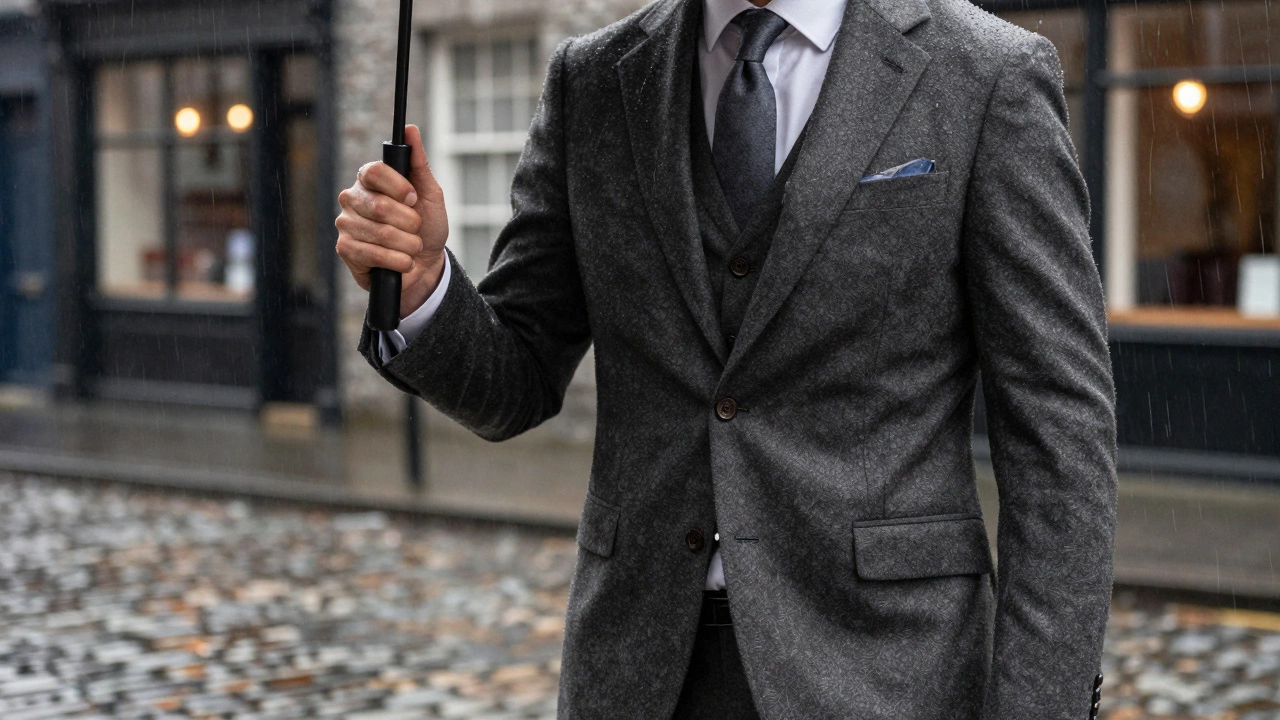
What makes a suit expensive isn’t the brand on the tag. It’s the fabric—usually 100% wool from Australia or Italy, woven tight enough to repel rain but still breathe when you’re stuck in a crowded train. It’s the hand-stitched lapel lining, the canvassing that holds its shape after months of wear, and the way the shoulders are shaped to fit your body, not the other way around. A cheap suit might look fine for a wedding photo, but after three rainy commutes and a few dry cleanings, it starts to sag, shrink, or look shiny at the elbows. A good tailored suit, a garment custom-fitted to an individual’s measurements, often made by local Irish tailors in Dublin or Cork doesn’t just fit better—it lasts five, ten years, maybe more, if you care for it right.
And in Ireland, where the weather doesn’t care if you’re in a meeting or on the bus, the best suit fabric, a material chosen for its resilience to moisture, wrinkles, and daily wear, especially in damp climates matters more than color or pattern. Dark charcoal, deep navy, or even a subtle herringbone in 100% wool is your best bet. Avoid anything with polyester blends—they trap sweat, don’t breathe, and look cheap when damp. You’ll find Irish tailors recommending wool from Newbridge or even local weavers who blend Irish lambswool with Italian yarns for extra warmth without bulk.
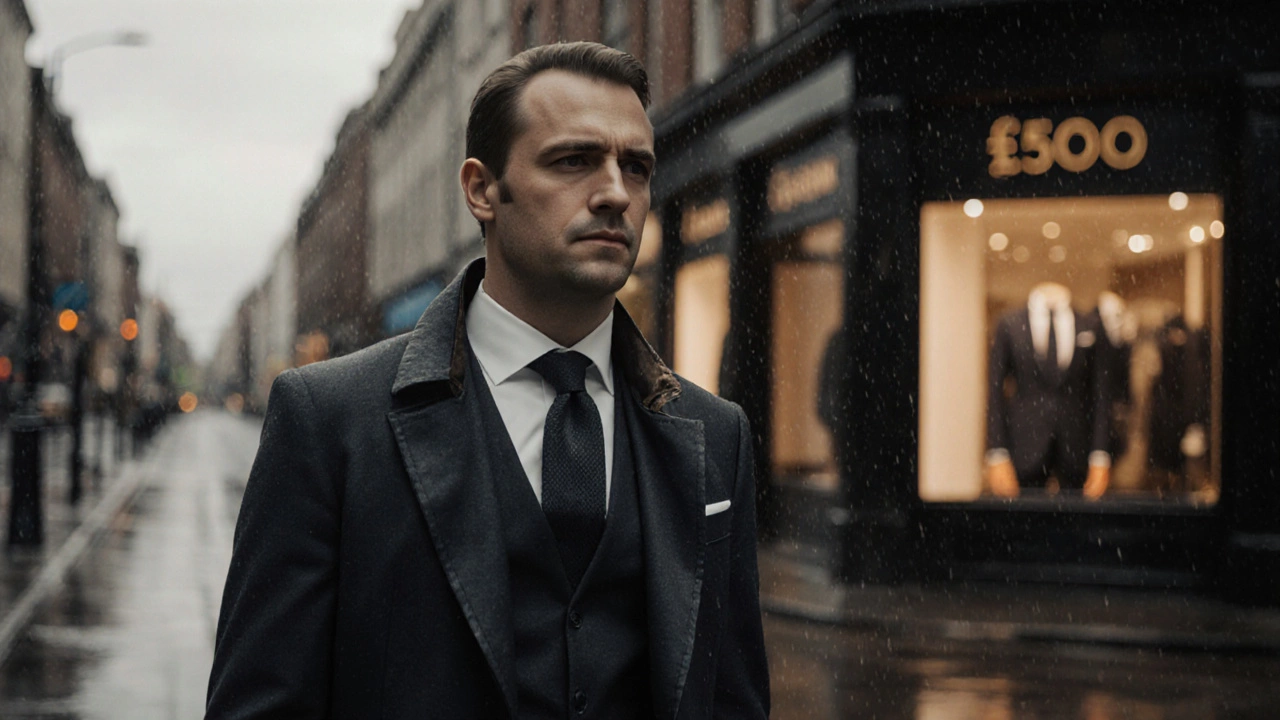
It’s not just about buying. It’s about knowing where to buy. A suit from a chain store might cost €300. A properly fitted one from a Dublin tailor? €800 to €1,500. But here’s the thing: if you wear it twice a week, that €1,200 suit costs you less per wear than the €300 one you replace every two years. Plus, Irish tailors often offer free adjustments for life. That’s not a gimmick—it’s a promise.
There’s no magic number for what makes a suit "expensive." But if it’s made for Ireland’s climate, fits like it was made for you, and doesn’t look worn out after three winters, then you’re already ahead of most people in the office. Below, you’ll find real advice from Irish shoppers, tailors, and people who’ve worn the same suit through job interviews, funerals, and weddings—and still look like they mean business.