
Nurse Footwear Safety & Comfort Calculator
Select Your Footwear Attributes
Based on HSE guidelines and ergonomic needs for long shifts.
Suitability Score
0%
Shift Readiness Rating
Estimated Impact
- + Fatigue Reduction: Calculating...
- ! Injury Risk: Calculating...
If you’ve ever walked through the corridors of Beaumont Hospital in Dublin or St. James’s Hospital in Leeds, you’ve likely noticed a sea of colorful clogs under scrubs. It’s not just a fashion statement; it’s a practical necessity. In Ireland, where long shifts are common and hospital floors can be slippery with rain tracked in from the streets, Crocs have become the unofficial uniform for many nursing staff. But why exactly do nurses wear them? The answer lies in a mix of comfort, safety regulations, and the specific demands of working in Irish healthcare facilities.
The Reality of Long Shifts on Irish Hospital Floors
Nursing is physically demanding. A typical shift in an Irish public hospital can last twelve hours, often involving thousands of steps. Imagine walking from the emergency department at Tallaght University Hospital to the outpatient clinics, carrying equipment, and responding to emergencies. Your feet take a beating. Traditional leather shoes or stiff boots might look professional, but they don’t offer the same level of support over such long periods.
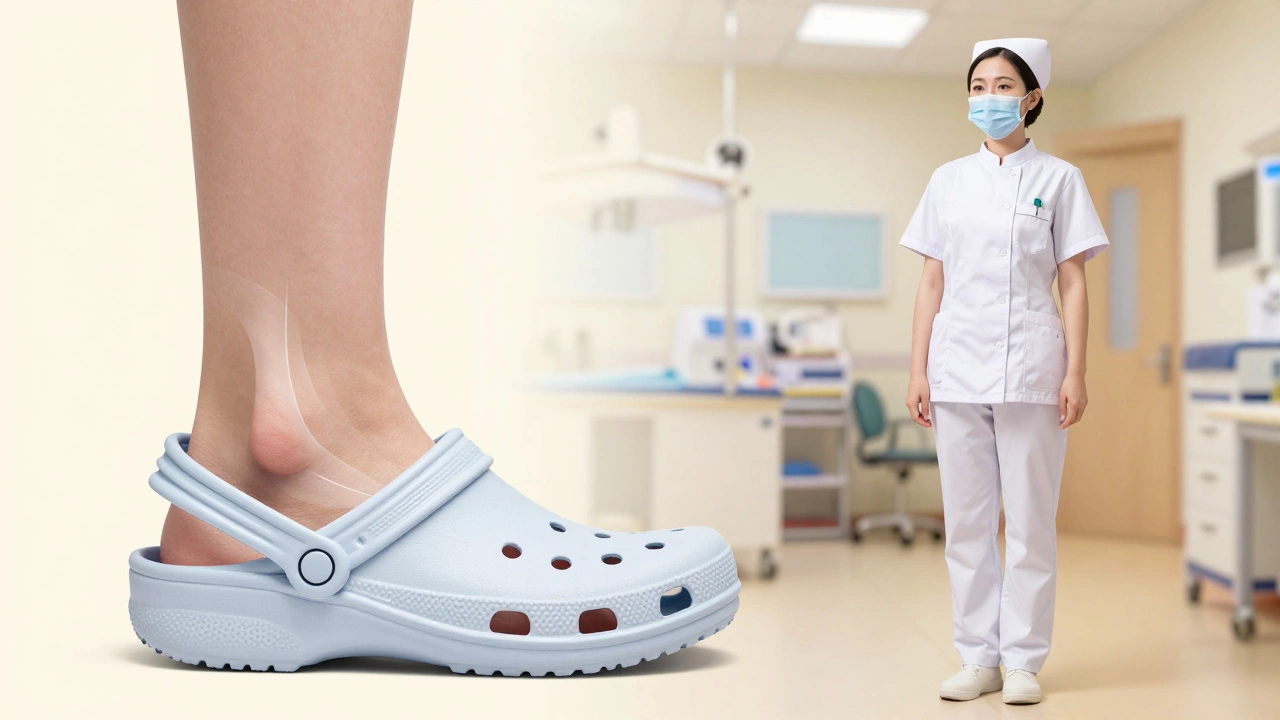
In Ireland, where weather conditions can change rapidly, nurses also deal with wet floors. Rain is frequent, especially in coastal areas like Galway or Kerry, meaning water is constantly tracked into buildings. Slippery surfaces are a major hazard. Crocs, particularly the models designed for healthcare, feature a non-marking, slip-resistant sole that provides traction on wet linoleum and tile. This isn’t just about personal comfort; it’s about preventing falls, which can lead to serious injuries for both staff and patients.
Safety Standards and Hygiene Requirements
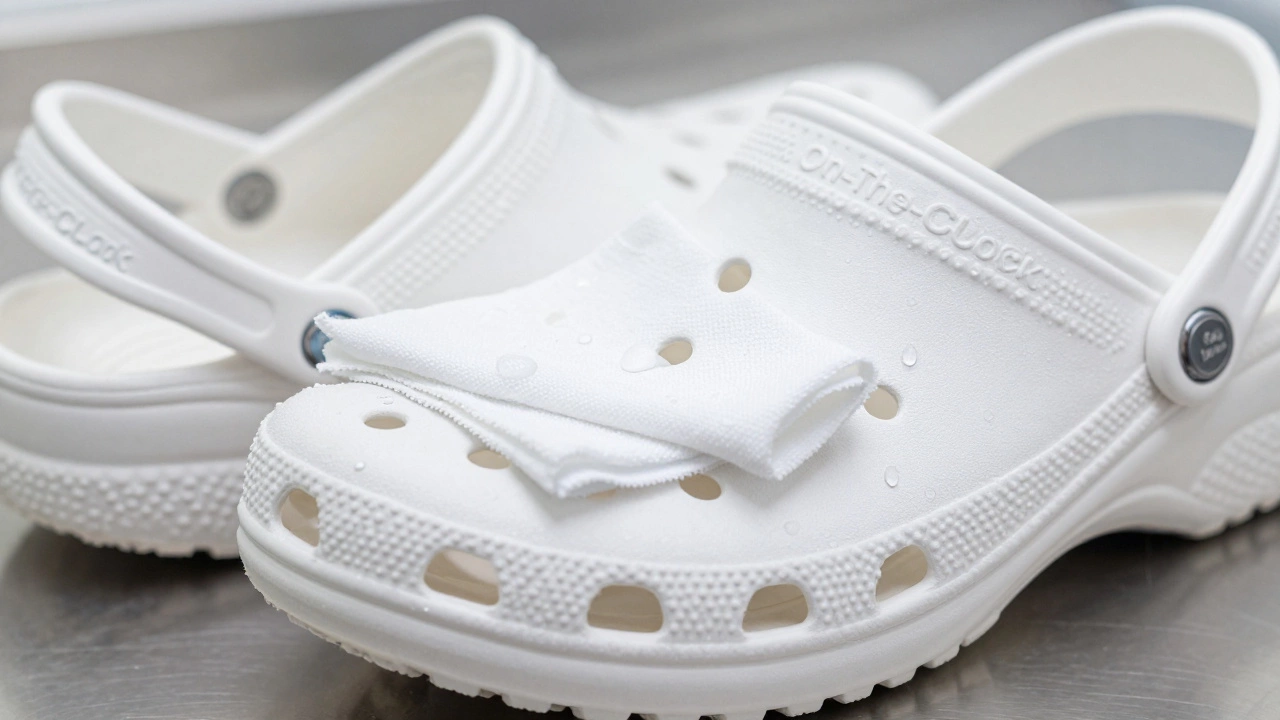
Hospitals in Ireland adhere to strict hygiene protocols. Footwear must be easy to clean and resistant to fluids. Leather shoes absorb liquids, making them difficult to sanitize and a potential breeding ground for bacteria. Crocs, made from a proprietary closed-cell resin called Croslite™, are waterproof and non-porous. You can wipe them down with disinfectant wipes or hose them off after a messy shift. This ease of cleaning is crucial in maintaining infection control standards set by the Health Service Executive (HSE).
Additionally, many hospitals require closed-toe shoes for safety. While some casual Crocs styles are open-backed, the "Classic Clog" and specific "On-The-Clock" models are fully enclosed, protecting toes from dropped instruments or rolling beds. These models meet the occupational health and safety requirements enforced in Irish healthcare settings.
Comfort Features That Make a Difference
Beyond slip resistance and cleanliness, the design of Crocs addresses several ergonomic needs:
- Arch Support: Many healthcare-specific Crocs include removable footbeds with arch support, reducing strain on the lower back and legs during long standing periods.
- Ventilation: The iconic holes allow air circulation, keeping feet cool and dry. This is particularly useful in busy wards where temperatures can rise due to body heat and equipment.
- Lightweight Design: Compared to traditional nurse shoes, Crocs are significantly lighter, reducing fatigue over a twelve-hour shift.
- Ease of Removal: In emergencies, being able to quickly slip shoes on or off can be vital. The backstrap design allows for a secure fit when needed or easy removal when resting.
Are All Crocs Suitable for Nursing?
Not every pair of Crocs is appropriate for a clinical environment. Nurses in Ireland should look for models specifically labeled as "medical grade" or "healthcare edition." These versions typically feature:
- Enhanced slip-resistant outsoles tested against industry standards.
- Closed heels and toes for full protection.
- Antimicrobial treatments to inhibit odor and bacterial growth.
- Reinforced treads for durability on hard hospital floors.
Standard fashion Crocs may lack these features and could pose a safety risk. Always check your employer’s dress code policy, as some private hospitals or specialized units may have stricter guidelines regarding footwear appearance.
Alternatives to Consider
While Crocs dominate the scene, other brands offer similar benefits. Brands like Dansko, Skechers Work, and Hoka One One are popular among Irish nurses for their cushioning and support. However, Crocs remain a top choice due to their affordability and widespread availability in stores across Dublin, Cork, and Limerick.
| Brand/Model | Slip Resistance | Comfort Level | Price Range (Ireland) | Best For |
|---|---|---|---|---|
| Crocs On-The-Clock | High | Very High | €50 - €70 | All-day standing, wet environments |
| Dansky Professional Clogs | High | High | €100 - €130 | Arch support, durability |
| Skechers Work Series | Medium-High | High | €60 - €80 | Cushioning, lightweight feel |
| Hoka Bondi SR | Very High | Extreme | €140 - €160 | Maximum impact absorption |
Practical Tips for Irish Nurses
If you’re considering switching to Crocs or similar clogs, keep these tips in mind:
- Check Hospital Policy: Some units, like operating theaters, may prohibit any type of clog due to sterility concerns. Always verify with your manager.
- Invest in Good Socks: Even with breathable shoes, moisture buildup can occur. Moisture-wicking socks help prevent blisters and odors.
- Replace Regularly: Soles wear down over time, reducing slip resistance. Replace your shoes every six to twelve months, depending on usage.
- Customize for Fit: Use Jibbitz charms sparingly if allowed, but avoid adding heavy accessories that could interfere with movement or hygiene.
Conclusion: More Than Just a Trend
The prevalence of Crocs among nurses in Ireland is no accident. They address real-world challenges faced by healthcare workers: long hours, slippery floors, and the need for hygienic, easy-to-clean footwear. While style preferences vary, the functional benefits make them a smart choice for anyone working in Irish hospitals. Whether you’re a seasoned nurse or a student starting your placement, choosing the right footwear can significantly impact your comfort and safety on the job.
Are Crocs allowed in all Irish hospitals?
Most Irish hospitals allow Crocs, especially the closed-toe "On-The-Clock" models, provided they meet slip-resistance and hygiene standards. However, policies can vary by unit. Operating rooms and sterile environments may restrict their use. Always check your specific workplace guidelines.
Which Crocs model is best for nursing?
The Crocs "On-The-Clock" series is specifically designed for healthcare professionals. It features a slip-resistant sole, closed heel and toe, and antimicrobial properties. Other suitable options include the "Bistro" line, which offers similar benefits at a slightly lower price point.
Do Crocs provide enough arch support for long shifts?
Many healthcare-specific Crocs come with removable footbeds that offer decent arch support. If you have flat feet or plantar fasciitis, consider adding custom orthotic inserts for enhanced comfort during long shifts.
How often should nurses replace their Crocs?
It’s recommended to replace Crocs every 6-12 months, depending on how frequently you wear them. Over time, the soles wear down, reducing their slip-resistant effectiveness. Inspect the tread regularly and replace them if you notice significant wear.
Can I wear Crocs in rainy Irish weather outside the hospital?
Yes, Crocs are waterproof and perform well in wet conditions. They’re a popular choice for commuting in Ireland’s rainy climate. However, for extreme cold, they may not provide sufficient insulation, so consider wearing thick socks or opting for insulated winter boots.