Irish Weather Resilience Calculator
Find Your Essential Sportswear Features
Ireland's weather shifts faster than a Galway pub debate. Select your activity and conditions to see what you truly need.
Essential Features
Irish StandardSelect your activity and conditions to see what you need.
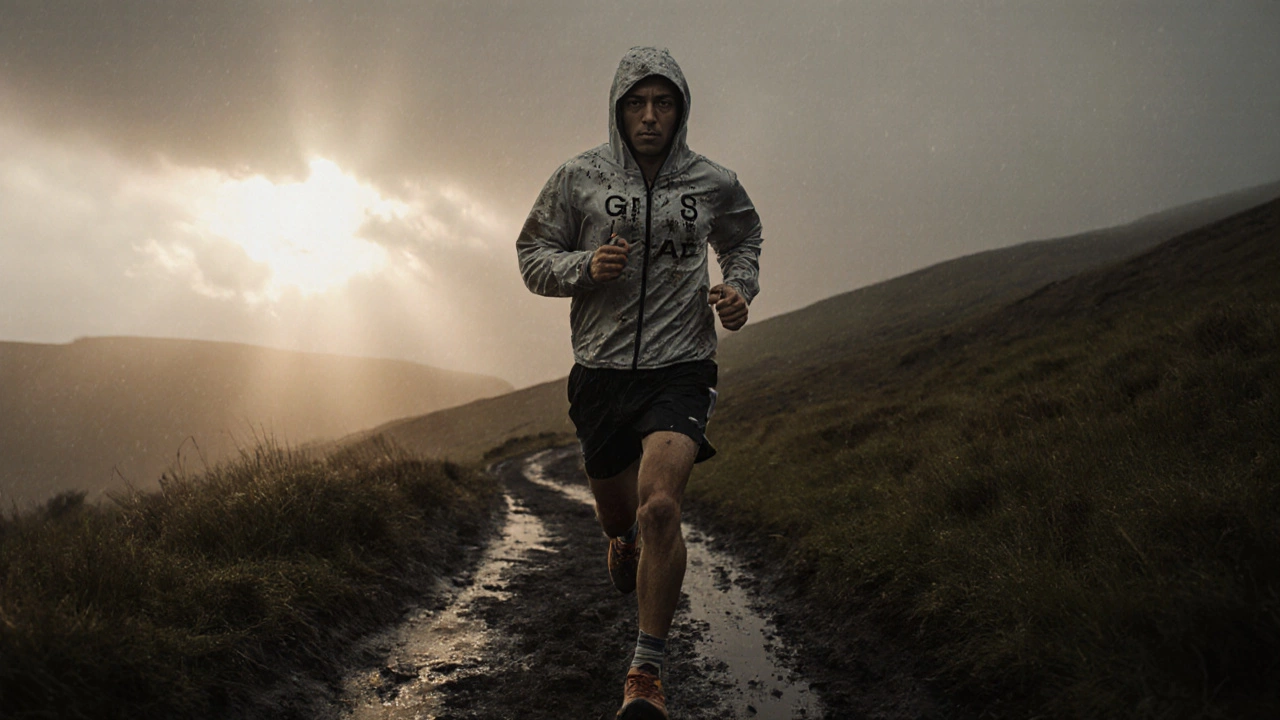
In Ireland, where the weather shifts faster than a Galway pub debate, sportswear isn’t just about looking good-it’s about surviving the elements. From the misty hills of the Wicklow Mountains to the rain-slicked streets of Cork, the clothes we wear to move have evolved not just for performance, but for resilience. But why do we call it sportswear? It’s not because we wear it only to play soccer or run marathons. It’s because it was built for the way people in Ireland actually live: moving, enduring, and adapting.
The Practical Origins of Sportswear
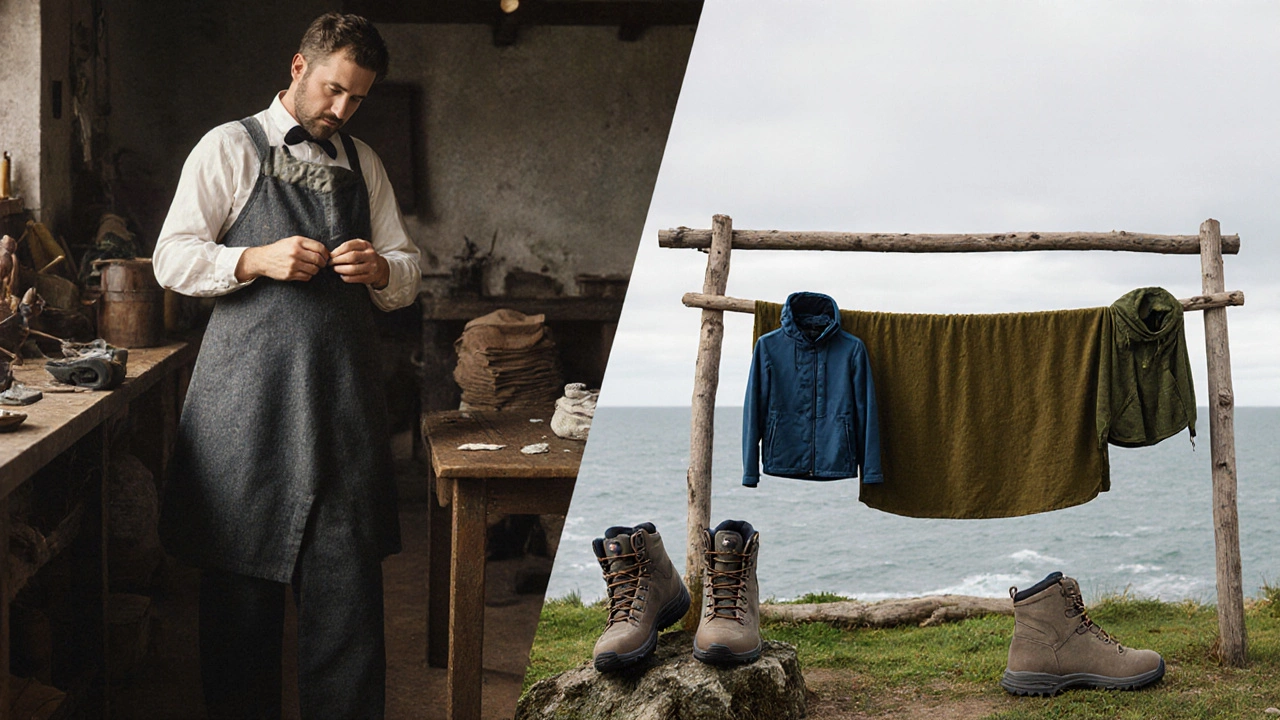
The term sportswear didn’t come from a fashion designer’s sketchbook. It came from necessity. In the late 1800s, when organized sports like hurling, rugby, and rowing took root in Irish schools and clubs, people needed clothes that could handle sweat, mud, and sudden downpours. Traditional woolen tweeds and heavy cotton shirts were fine for church or farming, but they turned into soggy weights when you were sprinting down the Croke Park pitch or rowing on the Liffey. Early Irish athletes didn’t have access to synthetic fabrics like polyester or spandex. Instead, they modified what they had. Local tailors in Limerick and Derry started making looser-fitting trousers with reinforced knees for hurlers. Clubs in Belfast began using lighter wool blends for rugby jerseys-thin enough to dry overnight, thick enough to keep out the Atlantic wind. These weren’t branded products yet. They were fixes. And those fixes became the blueprint for what we now call sportswear.From the Pitch to the Street
By the 1970s, sportswear in Ireland had crossed over from the field to the street. You’d see farmers in Galway wearing their old county GAA tracksuits to the market. Students in Trinity College swapped their blazers for nylon windbreakers after rugby practice. The shift wasn’t about trends-it was about function. In a country where rain is a daily variable, having clothes that dried fast and moved with you became non-negotiable. Brands like Adidas and Puma arrived, but local demand shaped how they were used. Irish retailers stocked more water-resistant jackets than the UK average. Stores in Dublin’s Henry Street and Limerick’s O’Connell Street began dedicating whole sections to tracksuits with hoods-because, let’s be honest, if you’re heading from the bus stop to the pub in November, you need more than style. You need a shield.The Irish Take on Activewear
Today, sportswear in Ireland is less about gym selfies and more about staying dry while walking the Wild Atlantic Way, hiking the Wicklow Way, or chasing kids around Phoenix Park. Brands like Patagonia and The North Face sell well here, but so do homegrown names like Wicklow Wear and Clare Active, which use Irish-sourced merino wool and recycled polyester blends designed for damp climates. You won’t find many Irish people wearing tight leggings to the supermarket unless they’re coming straight from yoga. Instead, you’ll see people in breathable, slightly oversized tops, water-repellent joggers, and shoes with deep treads. These aren’t fashion statements-they’re survival tools. The Irish don’t buy sportswear because it’s trendy. They buy it because it works in a climate where you can experience all four seasons in one afternoon.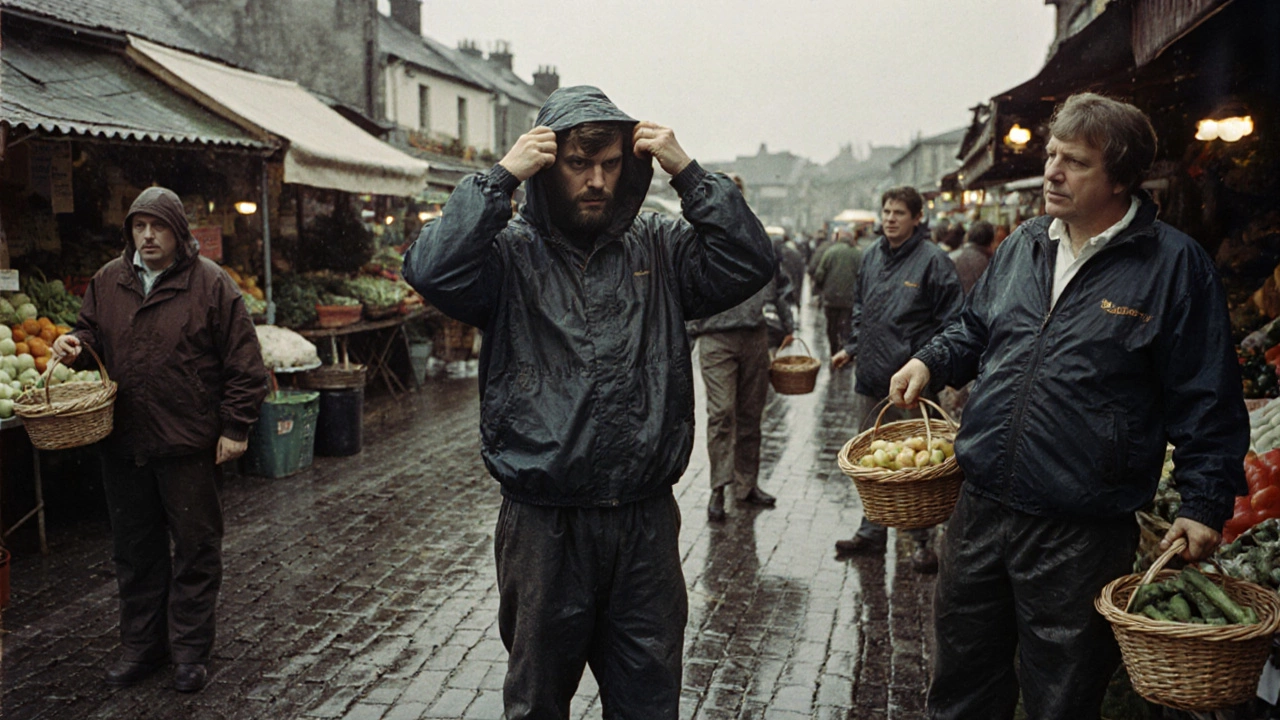
Why the Name Stuck
So why is it called sportswear? Because it started with sport. But in Ireland, the name stuck not because of elite athletes, but because of ordinary people who needed clothes that didn’t quit when the rain came. The term became a catch-all for anything that let you move without getting soaked, weighed down, or chilled. Unlike in places where sportswear is marketed as luxury or status, here it’s a utility. It’s the jacket you throw on before walking the dog in Sligo. It’s the hoodie you wear to the local athletics track in Waterford on a Tuesday evening. It’s the pair of trainers you bought in 2018 that still hold up because the sole grips wet cobblestones better than any new pair from a city center boutique. The word sportswear doesn’t imply performance at a professional level. It implies reliability. In Ireland, that’s the highest praise you can give to a piece of clothing.What Makes Irish Sportswear Different
There’s a reason you won’t find many Irish brands selling neon-colored yoga pants with rhinestone logos. Our climate doesn’t reward flash. It rewards function. Irish sportswear prioritizes:- Water resistance without bulk
- Thermal retention in damp air
- Quick-drying fabrics
- Reinforced seams for rough terrain
- High-visibility details for low-light mornings
The Future of Sportswear in Ireland
New Irish startups are pushing innovation. Companies like GreenLace in Cork are making sportswear from seaweed-based yarns. Others, like TrailTec in Donegal, use recycled fishing nets for their outer layers. These aren’t just eco-friendly gimmicks-they’re responses to real problems. The Atlantic Ocean is our neighbor. The boglands are our backyards. Our clothing needs to respect that. Even big international brands are adjusting. Nike’s Irish website now defaults to rain-ready filters. Decathlon’s Dublin stores stock more waterproof running tights than any other location in Europe. That’s not coincidence. That’s adaptation.Final Thought: It’s Not About the Sport
Sportswear is called sportswear because it began on the field. But in Ireland, it survived because it became part of everyday life. You don’t need to be an Olympian to wear it. You just need to step outside. Whether you’re walking the Dingle Peninsula, commuting to work in Limerick, or jogging through the Phoenix Park on a misty morning, the clothes you choose aren’t about looking athletic. They’re about staying dry, warm, and ready-for the next step, the next raindrop, the next unpredictable Irish day.That’s why the name stuck. Not because of fame or fashion. But because, here, sportswear doesn’t just fit your body. It fits your life.