Irish Shoe Terminology Checker
Select a scenario or location to find out what locals actually call their shoes. Avoid the "blank stare" at the pub!
Quick Reference Guide
Ireland & UK
Trainers
USA
Sneakers
Australia/NZ
Runners
South Africa
Tennies
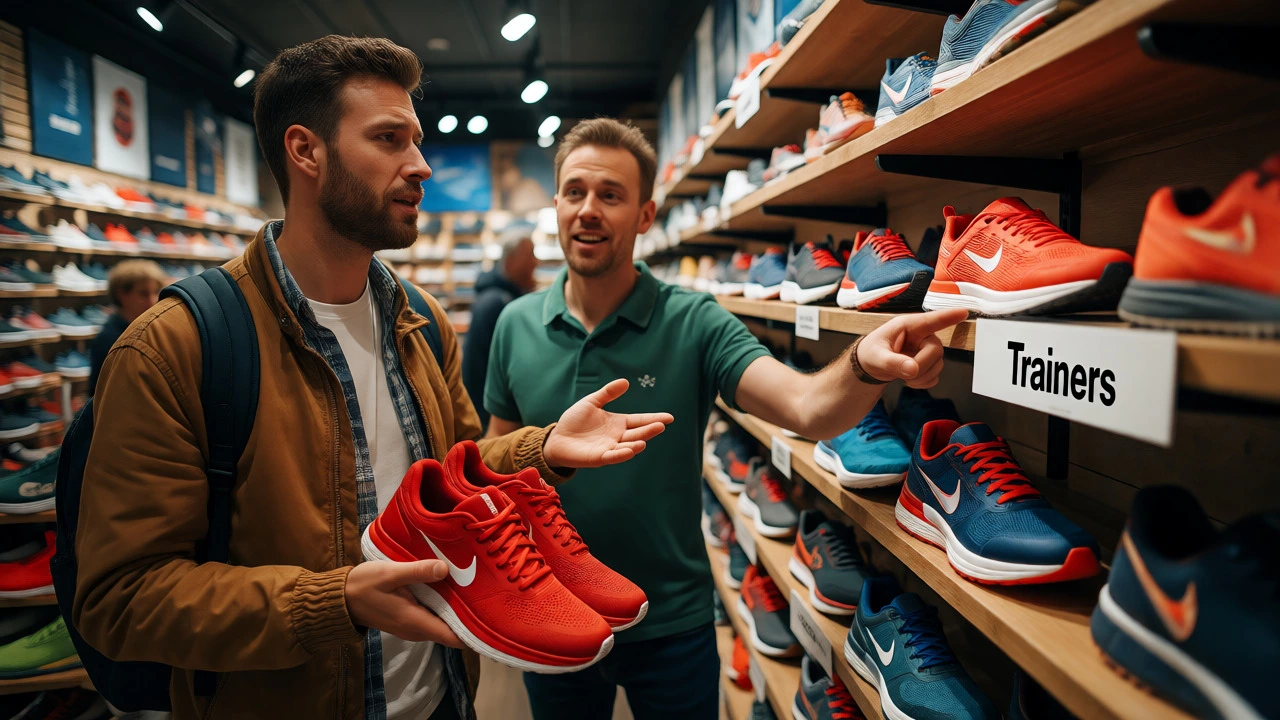
If you’ve ever walked into a Foot Locker in Dublin’s Grafton Street or browsed the aisles of a Shoezone in Cork, you might have noticed something odd about the language on the signs. You’re looking for sneakers, but the shelf says "Trainers." If you moved to Ireland from the US, this switch can feel jarring. If you’re an American tourist asking for "sneakers" at a local pub in Galway, you’ll likely get a blank stare until you clarify you mean your gym shoes.
The question isn't just about vocabulary; it’s about cultural identity and history. So, what countries call shoes trainers? The short answer is: primarily the United Kingdom and Ireland. But why did this specific term stick here while the rest of the world largely adopted "sneakers," "tennis shoes," or "runners"? It comes down to how we train, how we shop, and how our language evolved separately from our American cousins.
The Core Definition: What Exactly Is a Trainer?
In Ireland and the UK, a trainer is defined as a type of shoe designed for physical training or exercise, characterized by a flexible sole made of rubber or synthetic material and a suitable upper part of leather or canvas. Unlike the American term "sneaker," which emphasizes the quietness of the rubber sole (you can "sneak" up on someone), the British/Irish term emphasizes the function: these are shoes used for training.
This distinction matters because it changes how we categorize footwear. In the US, "sneaker" is a broad umbrella that covers everything from high-fashion Jordans to cheap canvas plimsolls. In Ireland, the line is sharper. A "trainer" implies athletic utility. If you wear a stylish pair of white leather shoes to a wedding in Limerick, you wouldn’t necessarily call them trainers unless they had the technical specs of a running shoe. They’d be "white shoes" or "casuals." This functional naming convention reflects a practical, no-nonsense approach to clothing that many Irish people identify with.
Ireland and the UK: The Shared Linguistic Border
It’s impossible to discuss Irish shoe terminology without talking about Britain. Due to historical ties, shared media consumption, and proximity, Ireland mirrors much of British English. Both regions use "trainers" as the standard term for athletic footwear. However, there are subtle regional variations within Ireland itself that outsiders often miss.
In urban centers like Dublin, Belfast, and Cork, "trainers" is the universal default. It’s what you see on billboards for Athlon Sports. But if you travel west to Connemara or south to rural Kerry, you might hear older generations refer to them as "rubbers" or simply "gym shoes." This isn’t widespread among younger demographics, who are heavily influenced by global hip-hop culture and social media, where terms like "kicks" or "Jordans" are common. Yet, the root word remains "trainer" when describing the category of product.
| Region/Country | Common Term | Context & Nuance |
|---|---|---|
| Ireland & UK | Trainers | Standard term for all athletic shoes, from running to casual wear. |
| United States | Sneakers | Broad term covering athletic and fashion footwear; originated from "sneaking" quietly. |
| Australia | Runnners / Sneakers | "Runners" is common for sports-specific shoes; "Sneakers" is also widely understood. |
| Canada | Runners / Sneakers | Similar to Australia; "Runners" often implies performance gear, "Sneakers" for casual. |
| South Africa | Tennies / Runners | "Tennies" is colloquial; "Runners" is standard retail terminology. |
| New Zealand | Jandals / Runners | "Jandals" refers specifically to flip-flops; "Runners" for athletic shoes. |
Why Not "Sneakers"? The History Behind the Word
You might wonder why Ireland didn’t adopt "sneakers" given how much American culture permeates our lives. We watch Netflix, listen to Spotify, and buy Apple products. Why does the shoe name stay stubbornly British?
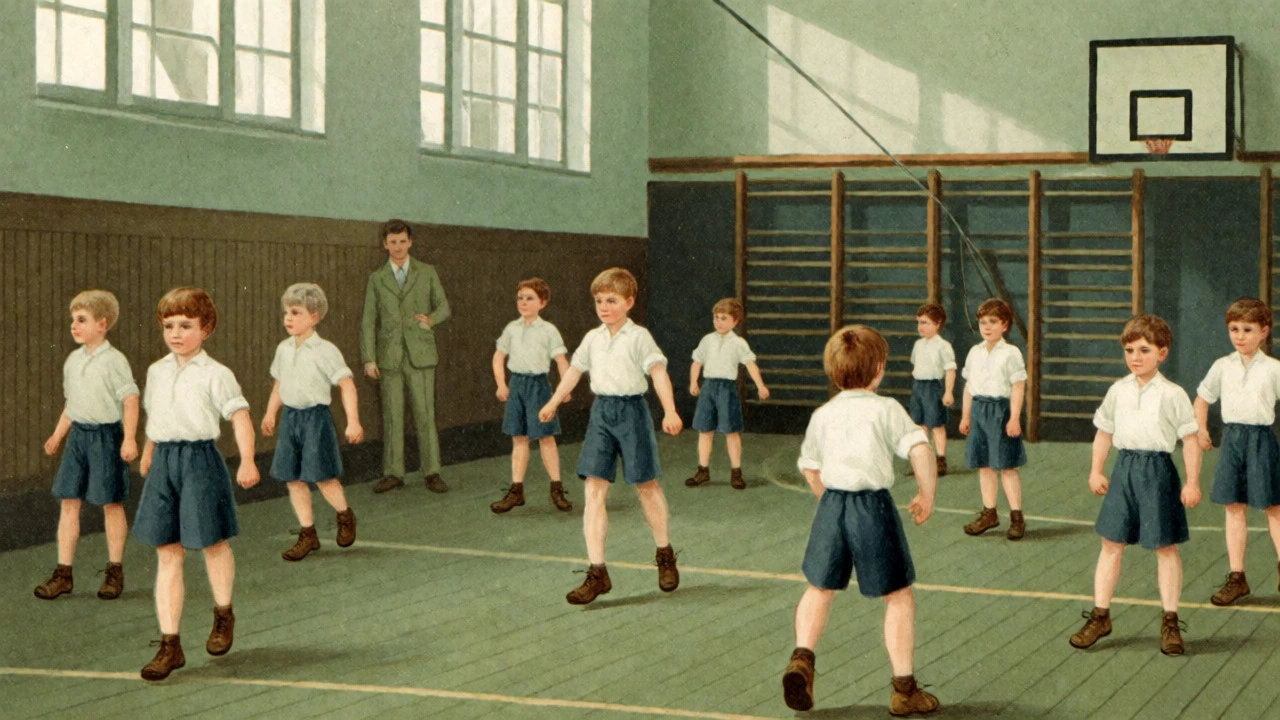
The term "sneaker" was trademarked in the late 19th century by Keds in the US. Meanwhile, in the UK, the term "trainer" emerged in the early 20th century as physical education became mandatory in schools. Teachers needed a generic term for the shoes students wore during PE classes-shoes for *training*. Since Ireland’s education system mirrored the British model for decades, the terminology flowed naturally across the sea.
Furthermore, the brand dominance in Ireland has historically been European. Before Nike and Adidas took over globally, brands like Reebok and Puma had massive footholds in the UK and Irish markets. These companies marketed their products using British English standards. By the time American brands entered the scene aggressively, "trainer" was already entrenched in the lexicon of Irish shoppers. Changing it now would be like trying to rename a pint of Guinness-it just doesn’t sit right.
Regional Slang: From Dublin to Donegal
While "trainer" is the formal term, Ireland is famous for its colorful dialect. If you want to sound like a local, you need to know the street slang. This varies significantly by county and age group.
- Dublin: Younger crowds often use "kicks" or specific brand names like "Nikes" or "Adids" (a phonetic spelling of Adidas). In inner-city areas, you might hear "plimsolls" for cheaper, canvas-style trainers, though this term is fading.
- Cork: Similar to Dublin, but with a strong influence from university culture. Students might refer to "runners" more frequently than other groups, especially those involved in sports clubs.
- Rural Areas: In parts of Mayo or Roscommon, you might still hear "boots" used loosely for any sturdy shoe, even if they aren’t technically boots. Context is key here. If someone says "put your boots on," they usually mean work boots, but if they say "I’m wearing my runners," they mean athletic shoes.
- Northern Ireland: Reflecting both Irish and British influences, "trainers" is dominant. However, due to proximity to Scotland, some speakers might use "runners" interchangeably, mirroring Scottish usage.
It’s worth noting that using the wrong term can sometimes mark you as an outsider. If you walk into a small independent shoe shop in Sligo and ask for "sneakers," the assistant will understand you, but they’ll likely correct themselves internally. Using "trainers" signals that you respect local norms, which goes a long way in building rapport with service staff in smaller towns.
Shopping for Trainers in Ireland: Where to Go
Knowing what to call them is half the battle; knowing where to buy them is the other half. The Irish market for trainers is robust, blending international chains with beloved local independents.
For mainstream options, JD Sports and Sports Direct dominate the high streets of major cities. These stores stock the latest releases from Nike, New Balance, and Asics. If you’re hunting for rare drops or hype-beast styles, JD Sports in Dundrum Town Centre is a hotspot. They often host exclusive launches that draw crowds from across Leinster.
For budget-conscious buyers, Shoezone offers affordable alternatives. While they don’t always carry the newest tech-heavy trainers, they are excellent for everyday wear. Their inventory rotates quickly, so patience pays off.
Don’t overlook the independent sector. Shops like Kelly’s Shoes in various locations or Foxford offer curated selections that focus on comfort and durability over hype. Many Irish consumers prefer these shops because the staff provide personalized fitting advice-a crucial factor given that foot shapes vary widely. Plus, supporting local businesses keeps money circulating in communities like Ennis or Waterford.
The Rise of "Athleisure" and Changing Norms
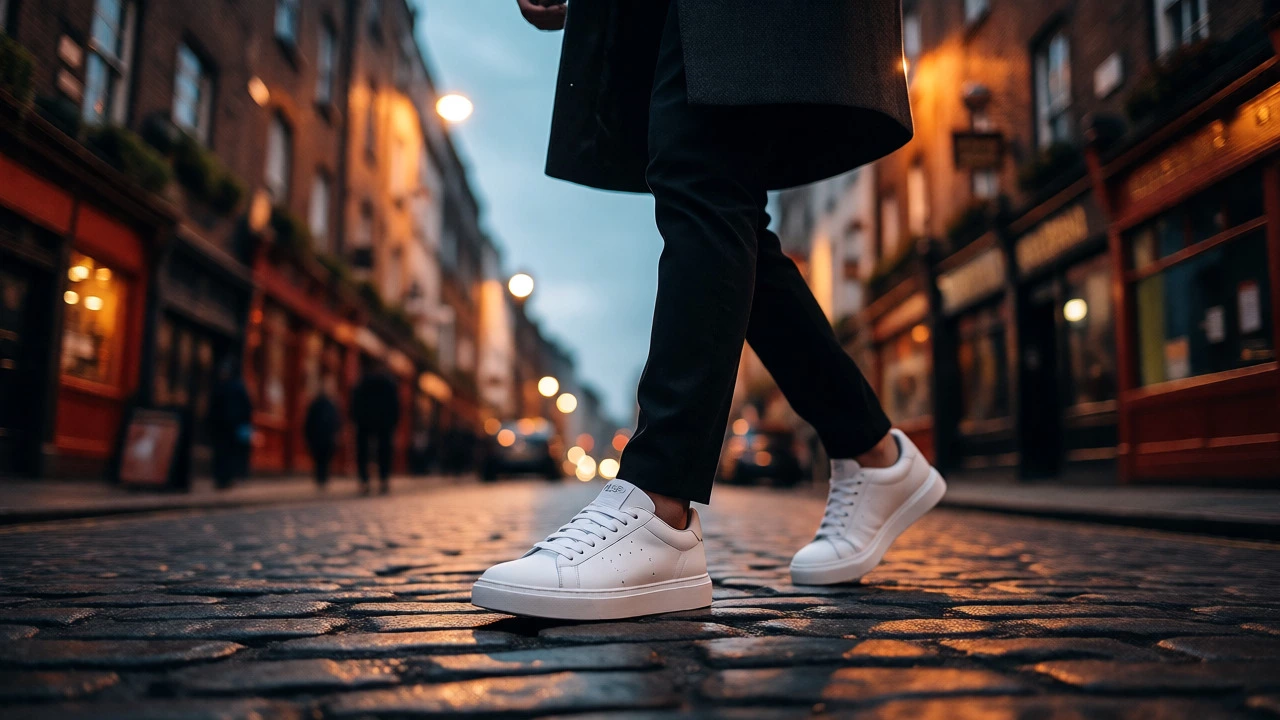
In recent years, the rigid distinction between "trainers" and "fashion shoes" has blurred. This trend, known as athleisure, has hit Ireland hard. People wear expensive running trainers to office jobs, dinner dates, and even weddings. This shift has complicated the terminology slightly.
When a pair of $200 Balenciaga Triple S is worn to a night out in Temple Bar, do we still call them trainers? Technically, yes-they have the construction of a trainer. Culturally, however, they are treated as luxury accessories. This has led to a hybrid vocabulary. Fashion influencers in Dublin might use "sneakers" to align with global Instagram trends, while traditionalists stick to "trainers." The result is a linguistic mix that depends heavily on context. If you’re discussing performance metrics (cushioning, drop height), use "trainers." If you’re discussing style and status, "sneakers" or "kicks" feels more appropriate.
Practical Tips for Visitors and Expats
If you’re moving to Ireland or visiting soon, here’s how to navigate the shoe conversation without stumbling:
- Use "Trainers" in Retail: When buying shoes for sport or daily wear, ask for trainers. It’s the safest, most universally understood term.
- Clarify "Boots": Be careful with the word "boots." In Ireland, this almost exclusively means winter or work footwear. Don’t call your running shoes boots unless you want confused looks.
- Embrace Local Brands: Try a pair of Clarks or Gabor if you want comfort with a European touch. These brands are staples in Irish wardrobes.
- Weather Matters: Irish weather is wet. Waterproof trainers (often labeled as "all-weather") are highly recommended. Look for Gore-Tex lining when shopping in autumn or winter months.
Understanding these nuances helps you blend in. Language is social glue. By adopting local terms, you show respect for the culture, which opens doors in conversations and transactions alike.
Do Irish people say sneakers or trainers?
The vast majority of Irish people say "trainers." "Sneakers" is understood, especially by younger generations exposed to American media, but it is not the standard term used in shops or everyday conversation. Using "trainers" is considered the correct local usage.
Is there a difference between trainers and runners in Ireland?
Yes, subtly. "Trainers" is the broad category for all athletic shoes. "Runners" specifically refers to shoes designed for running activities, featuring specialized cushioning and support. While often used interchangeably in casual speech, sports specialists distinguish between general-purpose trainers and dedicated runners.
Why does the UK and Ireland use different words than the US?
Historical separation and distinct educational systems played a role. The term "trainer" arose from the emphasis on physical training in British and Irish schools. Meanwhile, the US term "sneaker" came from the noise-reducing quality of rubber soles. Media and trade routes reinforced these differences, keeping the terminologies separate despite globalization.
What should I call my shoes if I'm going to a fancy event in Dublin?
If they are clean, minimalist white leather trainers, you can call them "clean whites" or "minimalist sneakers." If they are bulky, colorful running shoes, stick to "trainers." For a very formal event, avoid calling them anything casual; just describe the color and material (e.g., "black leather dress shoes").
Are Clarks considered trainers in Ireland?
Not typically. Clarks are generally categorized as casual comfort shoes or loafers. While some modern Clarks models resemble trainers, they are usually referred to by the brand name or as "comfort shoes" rather than trainers, which implies athletic functionality.