Sportswear Price Comparison Calculator
Compare Sportswear Prices Across Regions
Price Comparison Results
Have you ever stood in front of a rack of running tights or a pair of training shoes in an Irish sports store and thought, “Why does this cost so much?”? You’re not alone. In Ireland, where the weather is unpredictable and outdoor activity is part of daily life, sportswear isn’t just a fashion choice-it’s a necessity. But the price tags tell a story far deeper than just brand names or fabric quality. So why are sportswear items so expensive in Ireland?
The Irish Climate Demands More
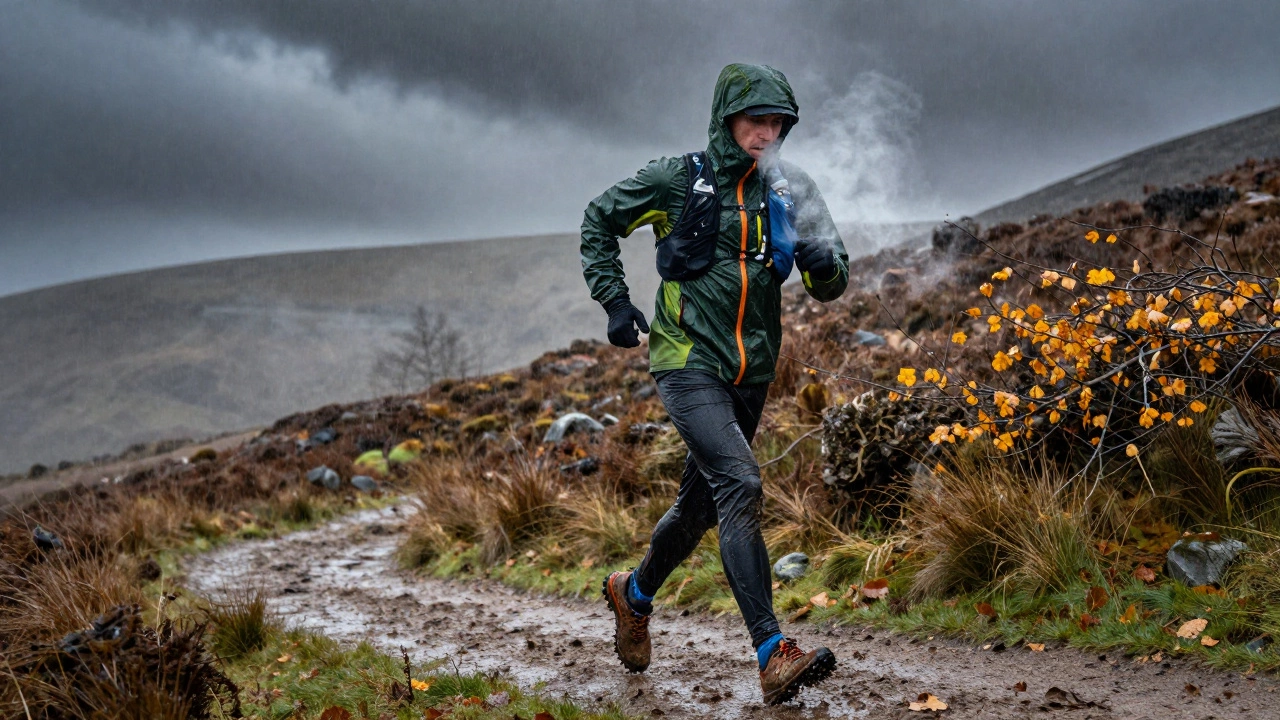
Ireland’s weather doesn’t care about your workout schedule. Rain falls 200+ days a year across the country, from the misty hills of Connemara to the coastal winds of Dun Laoghaire. That means sportswear here isn’t just about breathability-it needs to be waterproof, wind-resistant, and quick-drying. A basic polyester running top from a global brand might cost €40 in Germany, but in Ireland, you’re looking at €65 for the same item with a DWR (durable water repellent) finish that actually works in a Dublin downpour. Brands like Patagonia and Regatta charge more here because they engineer for wet conditions, not just aesthetics.Even the soles of running shoes are different. Brands like Salomon and On Running design outsoles with deeper treads for Ireland’s muddy trails in the Wicklow Mountains or the peat bogs of the Burren. These technical features add cost-and they’re non-negotiable if you’re training for the Galway Bay Marathon or a weekend hike in the Slieve Bloom Mountains.
Import Costs and Logistics
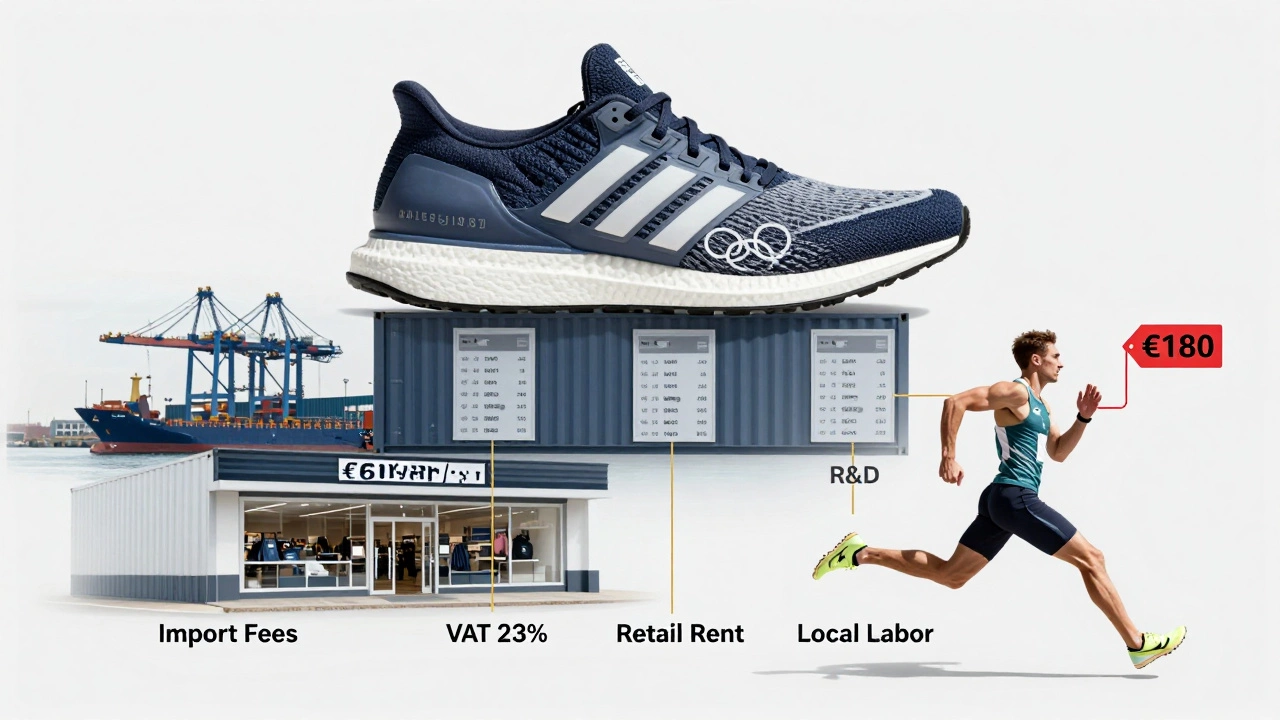
Most sportswear sold in Ireland isn’t made here. Over 90% of it comes from Asia, mainly Vietnam, Bangladesh, and China. After Brexit, the UK’s supply chain became less reliable for Irish retailers, so many brands shifted to direct shipping from Asia to Irish ports like Dublin and Cork. That means extra handling, customs fees, VAT at 23%, and transport costs that pile up before the item even hits the shelf.Compare this to the US, where brands like Nike and Under Armour have massive distribution hubs. In Ireland, there’s no such infrastructure. Smaller retailers have to order in smaller batches, which means they can’t get bulk discounts. That cost gets passed on. A pair of Adidas Ultraboost shoes might retail for €180 here, while the same model is €150 in the UK-partly because of shipping routes and partly because of Ireland’s smaller market size.
Local Brands Pay More to Stay Local
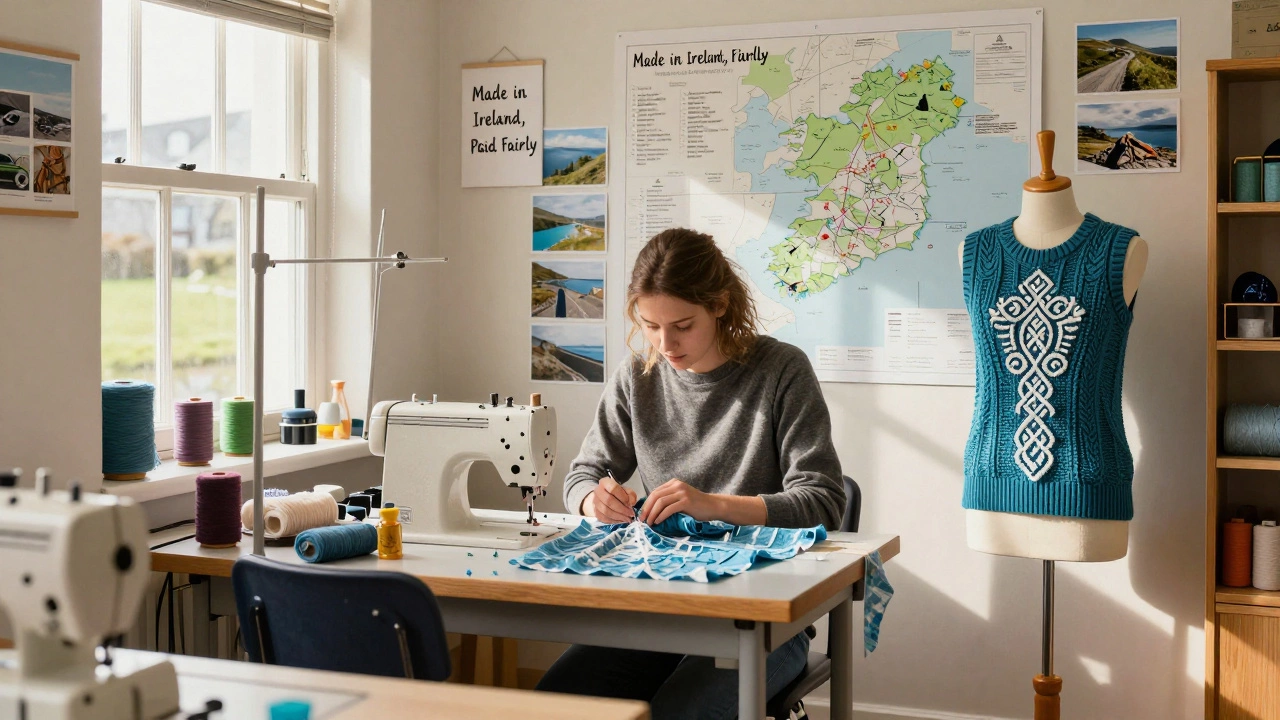
There are a few Irish sportswear brands trying to make a difference. Claddagh Running, based in Galway, designs moisture-wicking gear with Celtic knot patterns stitched into the seams. Wicklow Active, from County Wicklow, uses recycled ocean plastics sourced from Irish coastal cleanups. These brands aren’t just selling clothes-they’re supporting local manufacturing, fair wages, and environmental projects.But here’s the catch: producing locally in Ireland costs more. Minimum wage is €12.70/hour, compared to €1.50/hour in some Asian factories. Fabric sourcing is limited-most technical fabrics still come from abroad. So when you buy a Claddagh Running vest for €85, you’re paying for ethical labor, small-batch production, and Irish design. That’s not a premium-it’s a fair price.
Marketing, Retail Space, and the Dublin Effect
Think about where you see most sportswear sold in Ireland. Dublin’s Grafton Street, Dundrum Town Centre, or the Liffey Valley Shopping Centre. Rent for retail space in these areas is among the highest in Europe. A 500 sq ft store in Dundrum costs over €60,000 a year just in rent. That’s not cheap. And it’s not just about physical stores-advertising on Irish radio, sponsoring local GAA clubs, or placing ads in The Irish Times adds up.Global brands know this. They market heavily in Ireland because Irish consumers are loyal. A 2023 survey by the Irish Retail Federation found that 68% of Irish sportswear buyers stick with the same brand for over three years. That loyalty lets companies charge more-because they know you’ll pay for trust, not just function.
The Hidden Cost of “Performance”
Let’s talk about the tech. You’ve seen the ads: “thermoregulating fabric,” “4D-printed midsoles,” “bio-based elastane.” These aren’t marketing fluff-they’re real innovations. But developing them costs millions. Companies like Nike and Adidas invest heavily in R&D labs in Oregon and Germany, and that cost gets baked into every product sold globally, including Ireland.Even Irish athletes contribute. When the Irish Olympic team wears Adidas or Tracksmith gear at the Paris 2024 Games, those brands get global exposure. That marketing value helps them justify higher prices everywhere-including in Irish shops.
What You Can Do About It
You don’t have to overpay. Here’s how to navigate the Irish sportswear market smartly:- Buy off-season. Post-Christmas and after the Dublin Marathon in October, stores clear stock. You can find 50% off on last year’s Asics Gel-Kayano models.
- Shop secondhand. Dublin’s Depot and Cork’s Thrifted have dedicated sportswear sections. Many items are barely worn and still under warranty.
- Support Irish brands. Claddagh Running, Wicklow Active, and Donegal Active offer durability and local pride without the global markup.
- Wait for sales events. The Irish Sportswear Sale in January and the Summer Fitness Festival in July at the National Sports Campus in Abbotstown offer deep discounts.
It’s Not Just About the Price
Yes, sportswear in Ireland is expensive. But it’s expensive for reasons that matter: weather that demands better gear, logistics that add cost, local brands choosing ethics over profit, and retail realities shaped by a small island nation with big weather and bigger determination.If you’re lacing up for a run along the Wild Atlantic Way, or heading to a weekend football match in Limerick, you’re not just buying clothes. You’re investing in gear that keeps you moving, no matter the rain, wind, or mud. And sometimes, paying a little more means you’re not just wearing a brand-you’re wearing a piece of Ireland’s resilience.
Why is sportswear more expensive in Ireland than in the UK?
Sportswear costs more in Ireland due to higher import duties, VAT at 23%, and less efficient logistics after Brexit. Many brands ship directly from Asia to Ireland, bypassing UK hubs, which increases handling and transport costs. Retail rent in Dublin and other urban centers is also significantly higher than in many UK cities, pushing prices up further.
Are Irish-made sportswear brands worth the price?
Yes-if you value sustainability, ethical labor, and local economic support. Brands like Claddagh Running and Wicklow Active use recycled materials, pay fair wages, and manufacture in small batches in Ireland. While they cost more than mass-produced global brands, they last longer and have a lower environmental impact. For many Irish consumers, that’s worth the premium.
Can I find affordable sportswear in Ireland without compromising quality?
Absolutely. Look for end-of-season sales, secondhand stores like Depot in Dublin or Thrifted in Cork, and consider last year’s models. Many technical features don’t change drastically year to year. A 2023 Salomon trail shoe is still excellent in 2026 if it’s been well cared for. Also, check out budget-friendly Irish retailers like Decathlon, which offers performance gear at 30-50% less than global brands.
Do Irish weather conditions really require more expensive gear?
Yes. Standard sportswear from warmer climates won’t hold up in Ireland. You need waterproofing, wind resistance, and quick-dry materials to stay safe and comfortable during 200+ rainy days a year. A regular cotton hoodie will soak through in 10 minutes on a Wicklow trail. That’s why gear designed for wet climates-like those from Regatta or Patagonia-cost more: they’re built to perform, not just look good.
Is there a difference between sportswear bought in Ireland vs. online from EU retailers?
There can be. If you buy from a retailer based in mainland Europe and ship to Ireland, you still pay 23% VAT and may face customs delays. However, some EU sites offer lower base prices than Irish stores. For example, a pair of Nike running shoes might be €140 on a German site vs. €170 in a Dublin outlet. But you’ll need to factor in shipping time and potential return difficulties if sizing is wrong.
Whether you’re training for the Dublin Marathon, hiking the Ring of Kerry, or just heading to the gym in Ballinasloe, the right gear matters. The high cost of sportswear in Ireland isn’t a flaw-it’s a reflection of the conditions you face every day. And sometimes, paying more means you’re not just keeping dry-you’re keeping active.