Leather Shoe Retirement Checker
Check the condition of your leather shoes against common failure points found in damp, muddy Irish climates.
Your shoes are in great shape. Continue regular maintenance with cedar trees and waterproofing.
Living in Ireland means dealing with a specific kind of weather that absolutely destroys footwear. You step out in Dublin or Cork expecting rain, but you get horizontal sleet and mud that seeps into every seam. If you wear leather shoes regularly, you’ve probably wondered at some point: is this pair dead, or can it be saved? It’s not just about aesthetics; it’s about foot health and cost efficiency. Knowing exactly when to stop wearing a pair of shoes saves you from blisters, back pain, and the embarrassment of showing up to a meeting with a sole flapping off.
The Sole Test: When Rubber Gives Up
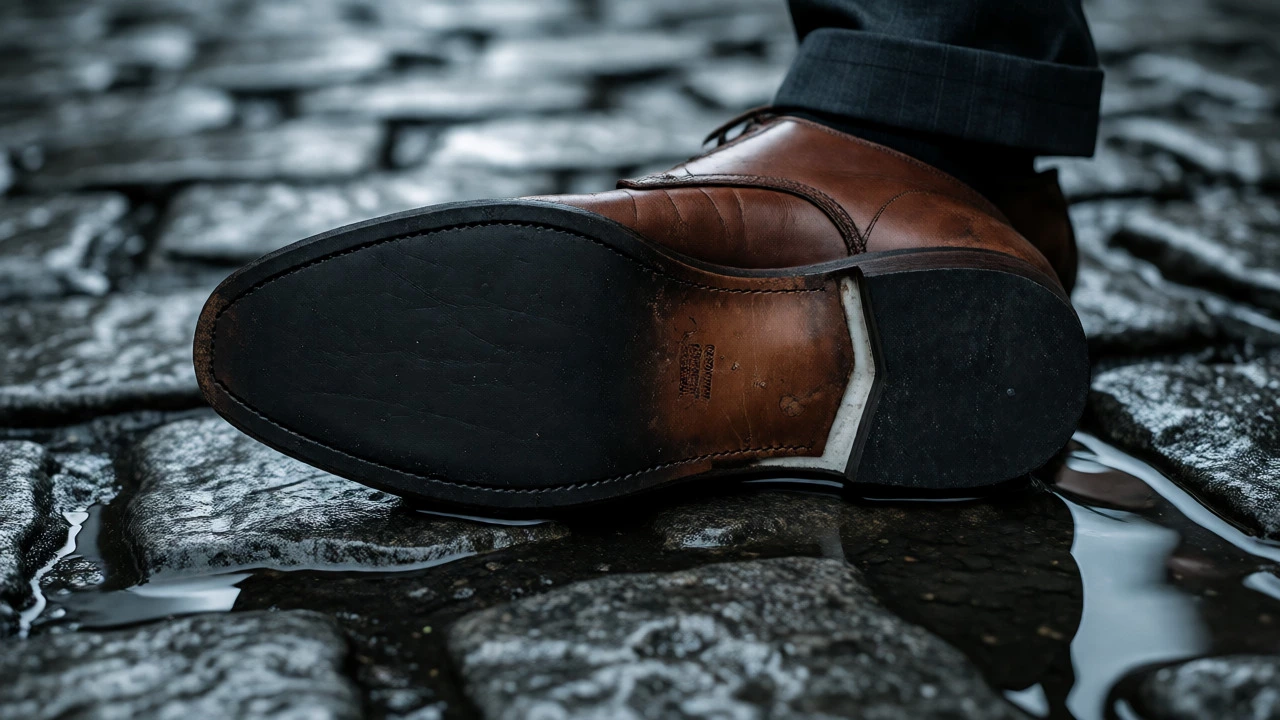
The first place most people look is the bottom. The outsole is your primary defense against the wet, uneven pavement common on Irish streets. If the tread pattern is completely smooth, you’re walking on ice like a penguin. But there’s more to it than just traction. Check the heel counter-the part where your heel sits. If the rubber has worn down enough that you can see the midsole material (often white foam or cork) underneath, the structural integrity is gone. This changes your gait, often leading to knee or hip pain. In a city like Galway, where cobblestones are common, an unevenly worn sole will make every step feel unbalanced. Don’t wait until you slip on a wet tile floor in a pub; replace them once the tread depth drops below 2mm.
Upper Damage: Beyond Surface Scratches
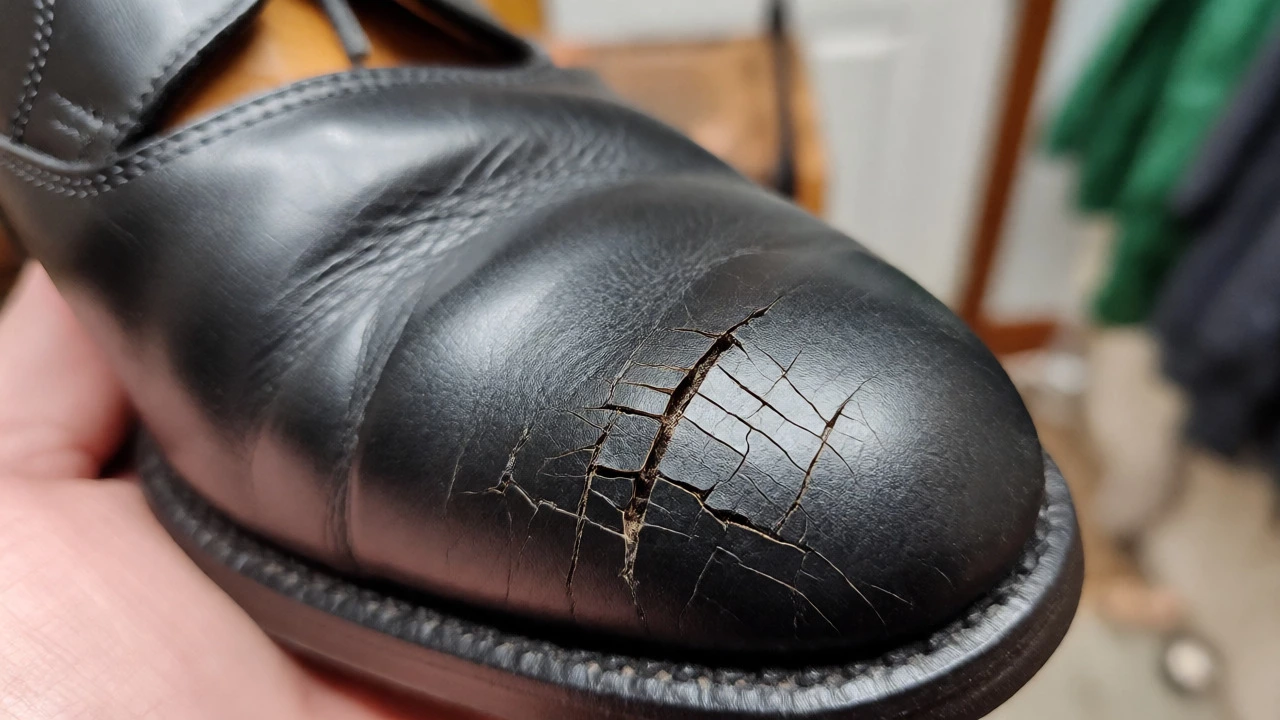
Leather is durable, but it’s not invincible. Minor scuffs can be polished away, especially if you use quality cream from local suppliers like Brown Thomas or independent boutiques in Temple Bar. However, deep cracks are different. Look closely at the toe box and the flex points where the shoe bends. If you see small fissures running through the grain, the leather has lost its natural oils and elasticity. Once those cracks appear, water gets in. In our damp climate, trapped moisture leads to rotting internal materials and bad smells that no amount of deodorizer can fix. If the leather feels dry and brittle to the touch, rather than supple, it’s nearing the end of its life. You can try conditioning it with beeswax-based products, but if the cracks are visible without stretching the leather, it’s time to let go.
Structural Integrity: The Midsole Collapse
This is the silent killer of expensive dress shoes. Many high-end leather shoes use a midsole made of cork or latex. Over time, the pressure from your weight compresses this material. You might notice the shoe feeling "flat" inside, even if the outside looks fine. Press your thumb into the area under the arch of the shoe. If it doesn’t spring back, the cushioning is dead. Continuing to wear these shoes forces your feet to absorb all the impact. For anyone standing on their feet all day-whether working in retail on Grafton Street or commuting on the Luas-this causes fatigue quickly. Unlike the outsole, a collapsed midsole is rarely worth repairing because the labor costs often exceed the value of the shoe. If the shoe no longer supports your arch, retire it.
Lining and Hygiene: The Smell Factor
You know that smell. It’s not just sweat; it’s bacteria thriving in a warm, moist environment. Irish winters keep us indoors with central heating, creating a perfect incubator for fungi. Check the lining around the collar and tongue. If the fabric is fraying, thinning, or discolored beyond cleaning, it’s compromising comfort. More importantly, if you’ve cleaned the insoles, aired them out for days, and used antibacterial sprays, but the odor persists, the contamination has likely reached the glue layers or the leather itself. Persistent odors can indicate mold growth inside the shoe structure, which is tough to eradicate once established. For health reasons, particularly if you have athlete’s foot tendencies, it’s better to discard shoes that won’t stay fresh.
Economic Reality: Repair vs. Replace
In Ireland, we love a good bargain, but sometimes fixing a shoe is a false economy. Here is a simple rule of thumb: if the repair cost exceeds 50% of the price of a new equivalent pair, buy new. For example, resoling a pair of £150 boots might cost €60-€80 at a reputable cobbler. That’s usually worth it. But if the upper is also cracked and the lining is torn, adding another €40 for refurbishment pushes you too close to the cost of replacement. Also, consider the brand. Resoling a mass-market pair from a high-street chain often costs more than buying a new pair during a sale. Conversely, investing in a resole for heritage brands known for durability makes financial sense. Always ask your local cobbler for an honest assessment before committing to repairs.
| Component | Signs of Failure | Action |
|---|---|---|
| Outsole | Tread < 2mm, visible midsole, uneven wear | Replace or Resole |
| Upper Leather | Deep cracks, brittle texture, water absorption | Discard |
| Midsole | No rebound, flattened arch support | Discard |
| Lining | Frayed, persistent odor, discoloration | Discard |
| Stitching | Separated seams, loose welt stitching | Repair if minor, Discard if major |
Caring for Your Shoes in the Irish Climate
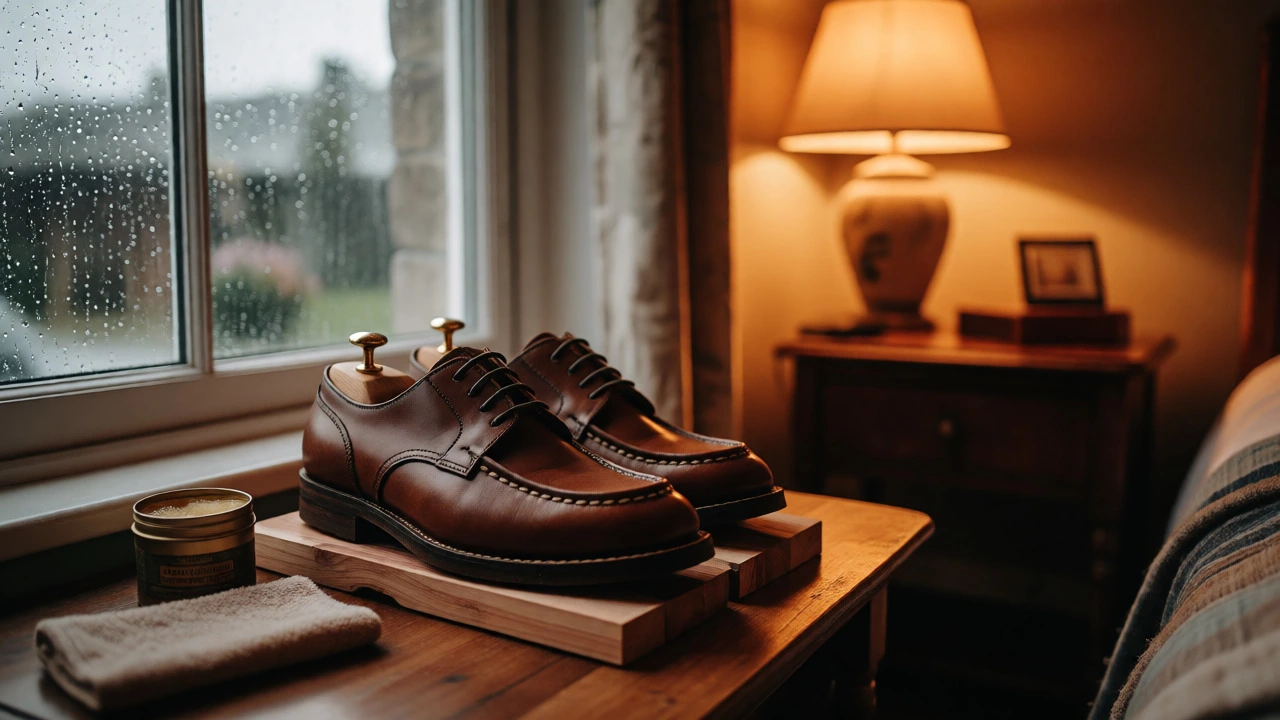
To extend the life of your leather shoes, you need a routine that accounts for our frequent rain showers. First, rotate your pairs. Never wear the same leather shoes two days in a row. They need 24 hours to dry out completely from internal moisture. Use cedar shoe trees; they absorb dampness and help maintain shape. Second, waterproof properly. Not all sprays work equally well. Look for wax-based conditioners for dress shoes and silicone-free waterproofers for casual boots. Third, clean mud immediately. Dried mud acts as an abrasive, grinding away the leather finish. Wipe shoes down with a damp cloth after coming in from the rain, then let them air dry away from direct radiators, which can crack the leather. Investing in a few minutes of daily maintenance can double the lifespan of your footwear.
Frequently Asked Questions
How long do leather shoes last in Ireland?
With proper care and rotation, high-quality leather shoes can last 3-5 years. Mass-market shoes may only last 1-2 years due to thinner soles and synthetic linings that degrade faster in damp conditions.
Is it worth resoling expensive leather shoes?
Yes, if the upper is intact. Resoling preserves the custom fit and breaks-in comfort of the shoe. If the upper is cracked or the midsole is collapsed, resoling is usually not cost-effective.
What should I do with old leather shoes in Ireland?
Many Irish councils accept textiles and shoes in recycling bins. Some charity shops take wearable shoes. For unwearable leather, check if local cobblers offer take-back programs or if specialized recycling centers in Dublin or Cork handle mixed materials.
Can I wear leather shoes in heavy rain?
It’s best to avoid it. While leather is water-resistant, prolonged exposure saturates the material, leading to stiffness and cracking. Use dedicated waterproof boots for heavy rain and save leather shoes for drier days or indoor events.
How do I know if my shoe size is still right?
Feet change over time. If you experience slipping at the heel or tightness across the toes, your feet may have spread. Try the shoes on later in the day when feet are slightly swollen to ensure a proper fit.