Old Suit Decision Helper
What is the condition of the suit?
Be honest about stains, tears, moth holes, or general wear.
Excellent
Like new, no flaws, clean, pressed.
Good
Minor wear, some wrinkles, but wearable.
Poor/Damaged
Stains, tears, moth holes, or very dated style.
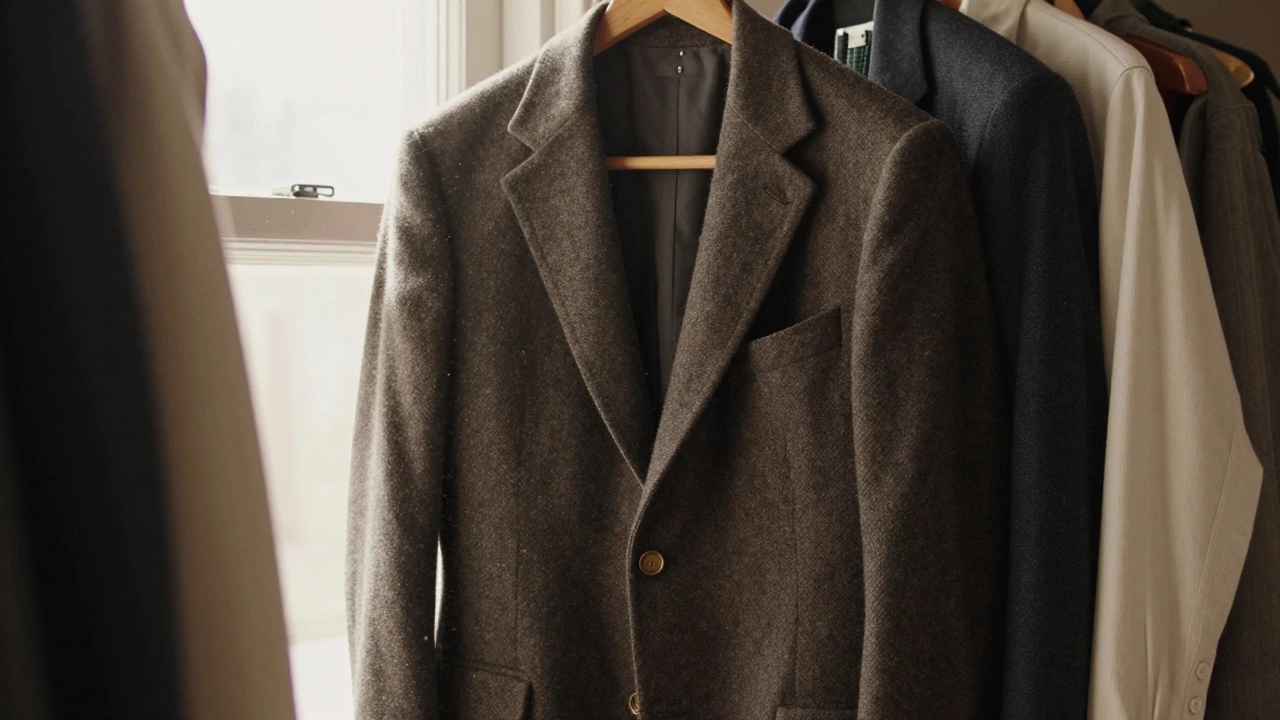
That heavy wool jacket is gathering dust in the back of your wardrobe. Maybe it belonged to your father, a grandparent, or perhaps you bought it for a wedding years ago and never wore it again. In Ireland, where space can be at a premium and our respect for heritage runs deep, throwing away a quality old man's suit feels wrong. It’s not just fabric; it’s history. But keeping it stored away isn’t helping anyone. So, what do you actually do with it? The answer depends on the condition of the garment, your budget, and how much time you want to invest.
Whether you’re looking to make some cash in the current Irish economy, pass on a piece of family legacy, or get creative with a DIY project, there are practical paths forward. Let’s look at the most realistic options available right here in Ireland, from selling on Vinted to upcycling into something entirely new.
Selling Your Suit: Making Money from Vintage Menswear
If the suit is in good condition-no major stains, broken zippers, or moth holes-you can likely sell it. The market for second-hand menswear in Ireland has exploded over the last few years. Platforms like Vinted have become household names, allowing you to list items for free and reach buyers across the country. For higher-end brands like Ted Baker, Reiss, or even bespoke tailoring from Grafton Street shops, eBay remains a strong contender, especially if you’re targeting international collectors.
Before listing, check the label. Is it a designer brand? A classic British cut? These details matter. Irish buyers are increasingly savvy about fit and style. If it’s a standard off-the-rack suit from a high street store, expect to price it competitively-perhaps €30 to €60 depending on the brand and size. If it’s vintage (pre-1990s) and well-made, you might fetch more, particularly if it has unique features like wide lapels or distinctive patterns popular in the 70s and 80s.
| Platform | Best For | Fees | Reach |
|---|---|---|---|
| Vinted | Everyday brands, quick sales | Buyer protection fee (not seller) | Ireland & Europe |
| eBay | Vintage, designer, rare sizes | ~13% final value fee | Global |
| Depop | Trendy, younger audience | 10% commission | UK & US primarily |
| Local Facebook Groups | Quick local pickup, no shipping | Free | Your county/city |
For a quicker sale without the hassle of photos and listings, consider local charity shops that buy stock. Some larger chains or independent boutiques in cities like Dublin, Cork, or Galway may purchase gently used suits outright, though they’ll offer significantly less than retail value. This is often worth it if you need immediate clearance.
Donating: Supporting Local Communities
If the suit isn’t fetching a good price or you simply want to give back, donation is a powerful option. In Ireland, several organizations rely on clothing donations to support people in transition. The Simon Community is a leading homeless charity that operates shops and services nationwide. They accept clothing, including suits, which are then sold in their outlets to fund housing and support services. Dropping off a suit at a Simon shop in Dublin, Limerick, or elsewhere helps someone secure a place to stay.
Focus Ireland is an organization supporting women escaping domestic violence. While they often prioritize children’s items, men’s clothing can also be useful for male victims or staff uniforms. Another excellent choice is Trócaire or local parish collections, which send goods to communities abroad. However, ensure the suit is clean and wearable; damaged items create disposal costs for charities.
Check with your local community center or youth group too. Many drama clubs or school productions need costumes. A formal suit can serve as a judge’s robe, a businessman’s outfit, or a period costume with minor alterations. This keeps the garment in use within your own neighborhood.
Upcycling: Turning Wool into Something New
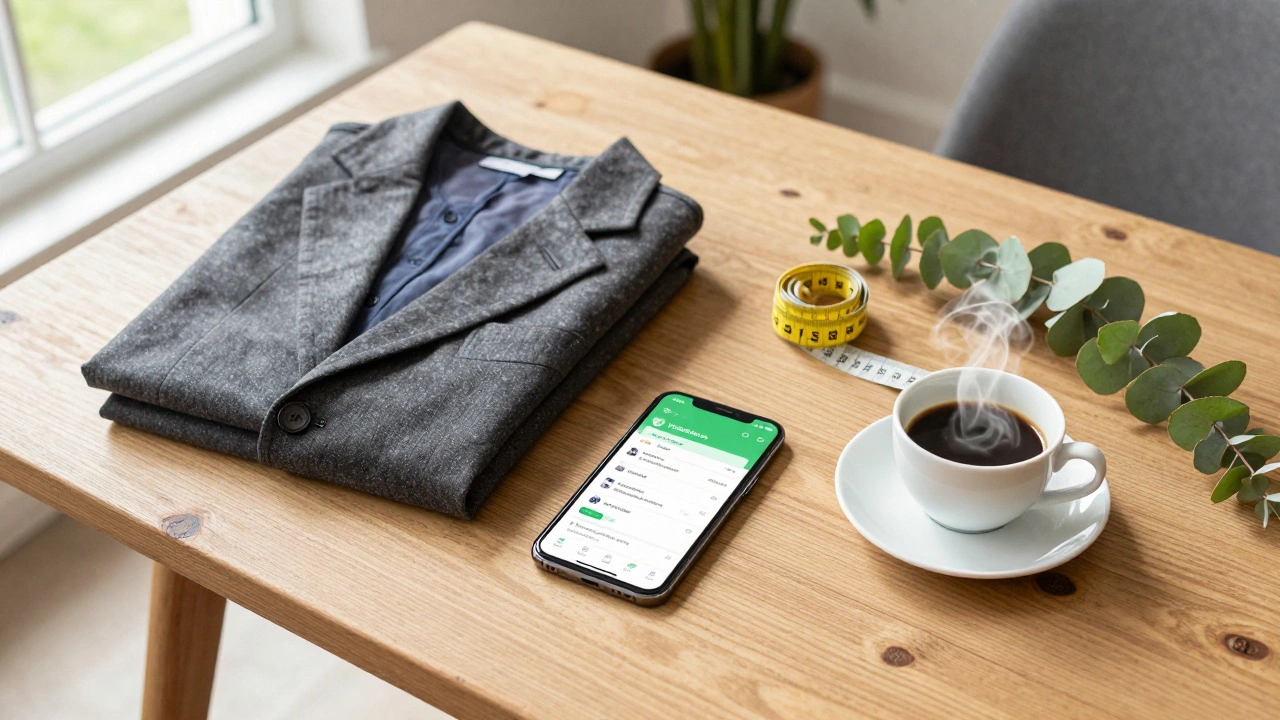
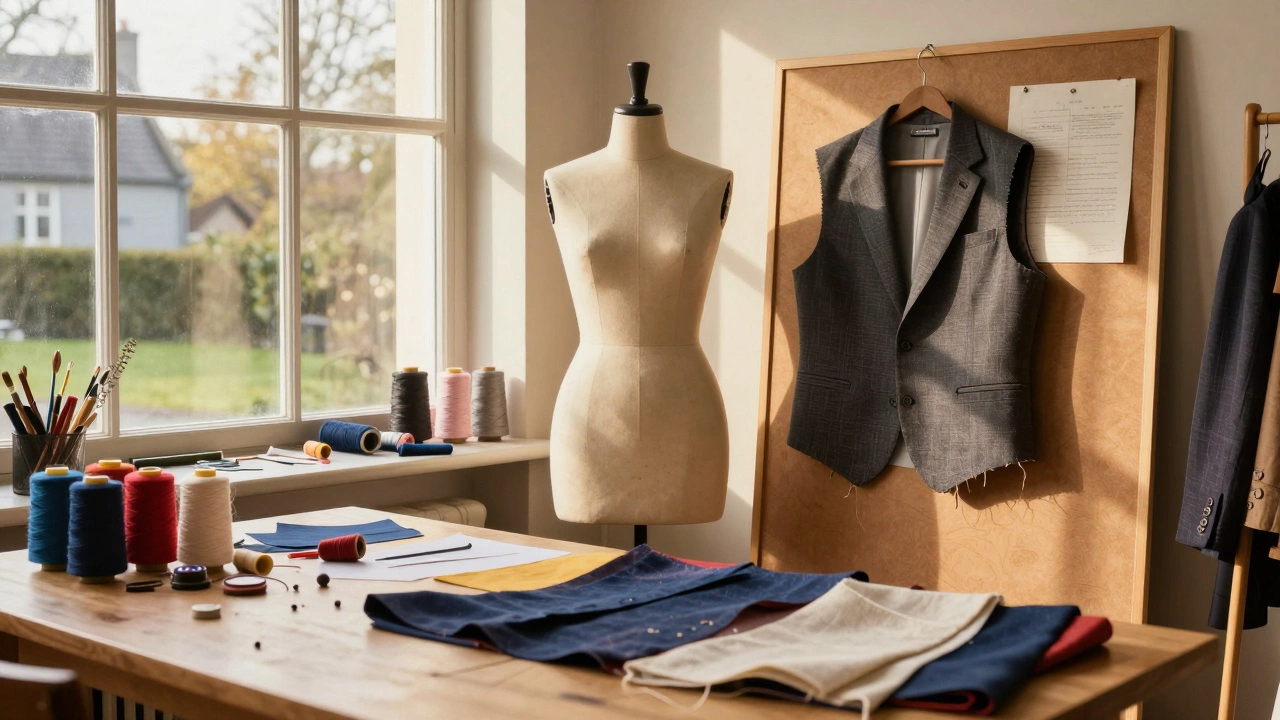
Here’s where things get interesting. An old suit jacket is essentially a large piece of structured wool fabric. With some basic sewing skills-or a visit to a local tailor-you can transform it into something completely different. This is a growing trend in Ireland’s sustainable fashion scene, where creativity meets environmental responsibility.
Consider turning the jacket into a vest. Remove the sleeves and reline the edges. You now have a stylish waistcoat perfect for layering under shirts during cooler Irish winters. The trousers can be converted into shorts, capris, or even a skirt. The lining material inside the jacket is often silk or satin, which can be reused for bags, pillowcases, or craft projects.
For those who don’t sew, many tailors in towns like Kilkenny, Waterford, or Derry offer alteration services. Ask if they can convert a suit into a smaller child’s outfit or a doll’s costume. Alternatively, look for workshops hosted by organizations like Craft Council Ireland or local maker spaces that teach upcycling techniques. These sessions are great for meeting people and learning new skills while giving old clothes a second life.
Repurposing for Practical Uses
Not every suit needs to be worn. If the fabric is worn but still intact, think beyond fashion. Wool is naturally fire-resistant and warm. Cut the jacket into squares to make pot holders or oven mitts. The sturdy buttons can be saved for jewelry making or repairs on other garments. Even the hanger it came on might be reusable!
In rural areas, some people use old suit jackets as protective covers for furniture during house moves or renovations. The thick wool resists scratches and dirt. Others repurpose them as pet beds for dogs or cats, stuffing the jacket with newspaper or old towels for insulation. It’s a cozy, familiar-smelling spot for pets, especially during damp Irish winters.
Preserving Family History
If the suit holds sentimental value, preservation might be the best route. Clean it professionally first-dry cleaning removes oils and prevents yellowing. Store it in a breathable cotton bag, not plastic, which traps moisture and encourages mold. Add cedar blocks to deter moths, a common issue in humid climates like ours. Label the garment with its story: who wore it, when, and why. This turns a simple piece of clothing into a tangible family heirloom.
You could also display it creatively. Mount the jacket on a wall hook with a photo of the wearer beside it. Frame a pocket square or tie that accompanied the suit. These small gestures honor memory without cluttering your home.
Environmental Impact: Why It Matters
Throwing textiles into general waste contributes to landfill overflow. Ireland generates thousands of tons of textile waste annually. By choosing to sell, donate, upcycle, or repurpose, you reduce this burden. Sustainable choices align with national goals and global efforts to combat climate change. Every suit kept out of the bin makes a difference.
Moreover, producing new clothing requires significant water, energy, and chemicals. Extending the life of existing garments conserves these resources. Whether you’re a student in Maynooth, a professional in Phoenix Park, or a retiree in Galway, your actions ripple outward.
Can I sell an old suit on Vinted in Ireland?
Yes, Vinted is very popular in Ireland for selling second-hand clothing. List your suit with clear photos, accurate measurements, and a detailed description. Set a competitive price based on similar listings. Shipping is easy via An Post or other couriers integrated into the app.
Which charities in Ireland accept men's suits?
The Simon Community, Focus Ireland, and local parish collections are great options. Ensure the suit is clean and in wearable condition. Check their websites for specific drop-off locations and opening hours in your area.
How can I upcycle a suit jacket without sewing?
Visit a local tailor or alteration shop. They can convert the jacket into a vest, shorten trousers, or adjust the fit. Some makers’ markets in Dublin or Cork also offer customization services. Ask around for recommendations in your community.
Is it better to donate or sell an old suit?
It depends on your goal. Selling brings in cash but takes time and effort. Donating supports causes you care about and is quicker. If the suit is high-value or vintage, selling might be worthwhile. Otherwise, donation ensures it goes to someone who needs it.
How should I store a suit long-term?
Dry clean it first, then store in a breathable cotton garment bag. Use cedar blocks to prevent moths. Keep it in a cool, dry place away from direct sunlight. Avoid plastic bags, which trap moisture and cause damage over time.