Irish Evening Dress Length Calculator
Select your event details above
Get tailored advice for your Irish wedding or gala attire.
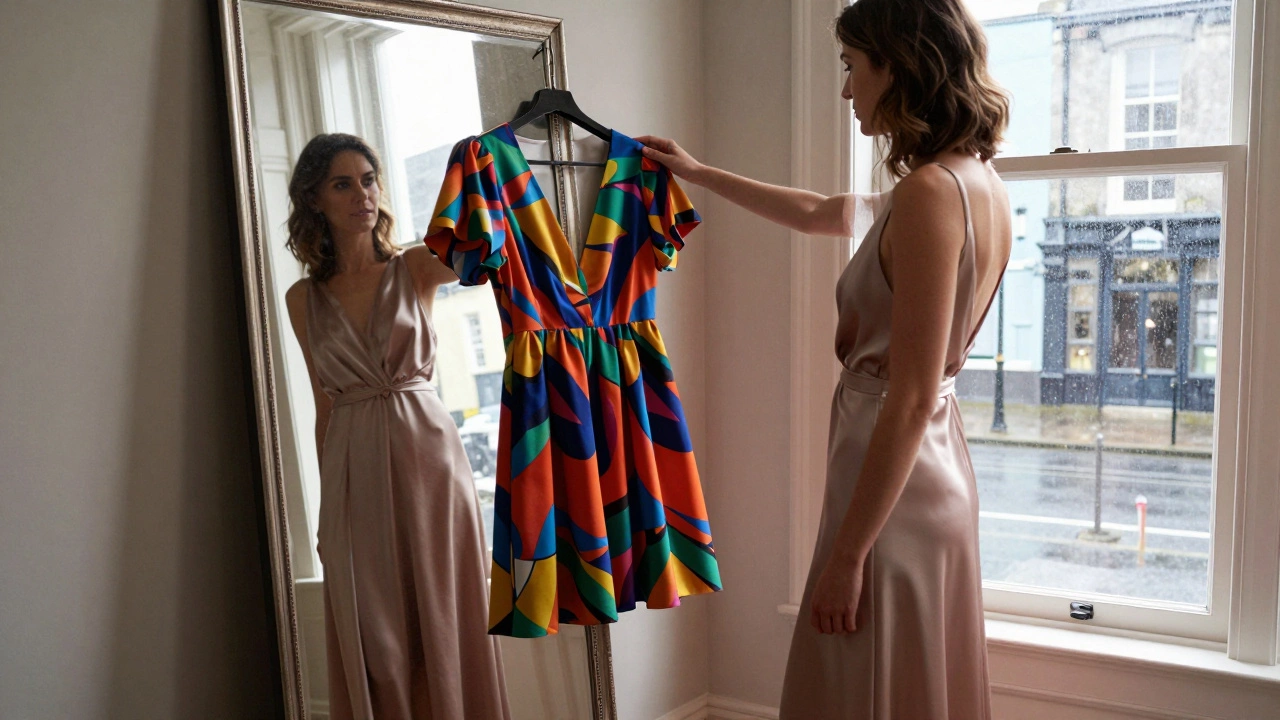
You’ve just received the invite. It’s a black-tie wedding at a castle in County Kildare or a charity gala in Dublin’s city centre. The dress code is clear, but your wardrobe choices are not. You stand before your mirror, holding up different options, wondering one critical question: what length is an evening dress? In Ireland, where weather shifts from sun-drenched afternoons to chilly, damp evenings, and social events range from intimate pub receptions to grand hotel balls, getting that hemline right is half the battle.
There is no single rulebook for evening dress length, but there are unwritten codes that dictate what works where. Wear a mini-skirt to a formal state dinner, and you’ll feel underdressed. Wear a sweeping train to a casual summer garden party, and you’ll be tripping over your own feet while trying to catch a bus home. Let’s break down exactly how long your dress should be based on the event, the venue, and yes, the notoriously unpredictable Irish climate.
The Hierarchy of Hemlines: From Cocktail to Ball Gown
To understand what length is appropriate, we first need to name the lengths. Fashion terminology can be vague, so let’s get specific about where the fabric ends relative to your body.
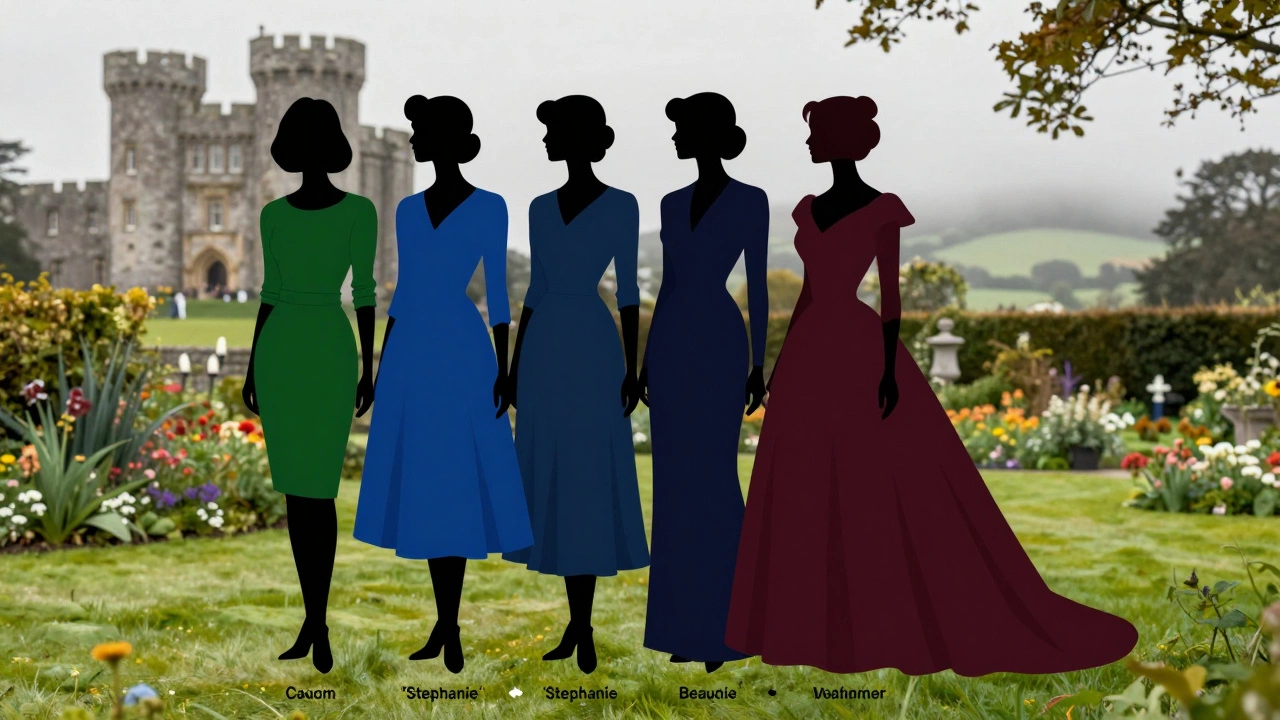
- Cocktail Length: This hits mid-calf or just below the knee. It’s versatile, playful, and perfect for semi-formal events.
- Tea Length: Sitting between the ankle and knee, usually around mid-calf. Think vintage charm, popular for daytime weddings or garden parties.
- Ankle Length (Stephanie): Grazes the top of the foot. Elegant but practical, allowing you to show off shoes without dragging fabric.
- Floor Length: Touches the floor when standing barefoot. This is the standard for black-tie and white-tie events.
- Train: Extends beyond the floor. Reserved for bridal gowns or extremely formal evening wear.
Knowing these definitions helps you shop smarter. When you’re browsing racks in stores like Brown Thomas in Dublin or independent boutiques in Cork, knowing whether you need "floor length" or "tea length" saves time and confusion.
Decoding the Dress Code: What Does "Black Tie" Actually Mean?
In Ireland, dress codes on invitations can sometimes be ambiguous. Here is how to translate common phrases into specific lengths.
| Invitation Says... | Recommended Length | Context & Vibe |
|---|---|---|
| White Tie | Floor Length with Train | Extremely formal. State banquets, opera premieres at the Gaiety Theatre. Long sleeves, high necklines. |
| Black Tie | Floor Length | Standard formal. Winter weddings, galas. Silk, satin, velvet fabrics work well here. |
| Semi-Formal / Dressy Casual | Knee-Length to Tea Length | Daytime weddings, corporate dinners. A structured midi dress is ideal. |
| Cocktail | Mini to Mid-Calf | Evening parties, birthday celebrations. Fun fabrics, bold colours, shorter hems. |
| Beach / Garden Party | Tea Length or Flowing Maxi | Outdoor venues like those in Wicklow or Kerry. Avoid heavy trains that collect mud. |
If the invitation simply says "Formal," assume floor length. If it says "Semi-Formal," a chic midi dress hitting just below the knee is your safest bet. When in doubt, look at the time of day. Events starting after 6 PM generally lean towards longer hems.
The Irish Weather Factor: Practicality Meets Style
Let’s talk about the elephant in the room: rain. And wind. And cold. Ireland’s geography means that even in July, an evening breeze off the Atlantic can drop temperatures significantly. Your choice of dress length isn’t just about etiquette; it’s about survival.
A floor-length gown made of light chiffon might look stunning in a photoshoot, but if you’re walking from a taxi to a venue in Galway during a shower, it will soak up water like a sponge. Heavy, wet silk becomes uncomfortable and restrictive. Conversely, a short cocktail dress leaves your legs exposed to the chill as you wait for a bus or walk across a large estate.
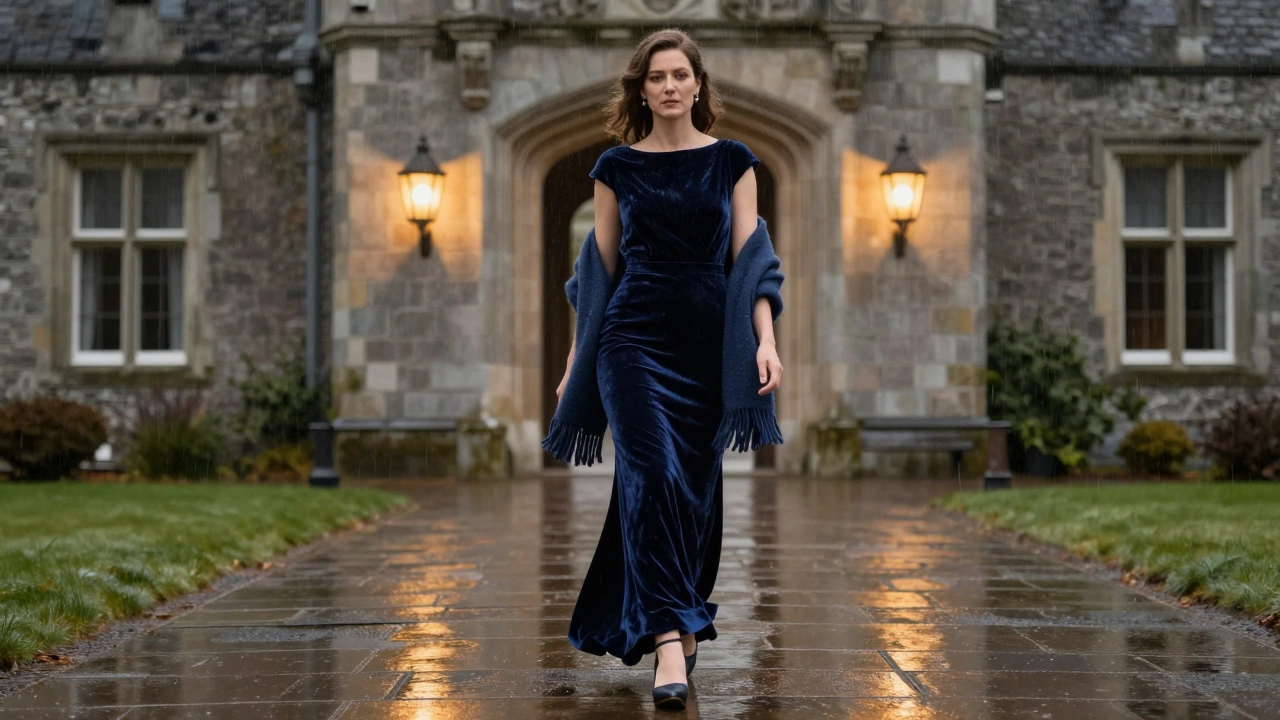
Pro Tip: For outdoor Irish weddings, consider a tea-length dress paired with tights and boots, or a floor-length dress made of heavier fabric like velvet or brocade. These materials provide warmth and resist showing water spots better than sheer silks. Always carry a wrap-a cashmere shawl or a tailored blazer-not just for modesty, but because central heating in older Irish venues can be hit-or-miss.
Venue-Specific Advice: Castles, Hotels, and Pubs
Where the event takes place dictates how much fabric you can manage. Ireland boasts unique venues that require specific considerations.
The Castle Wedding
Imagine a reception at Ashford Castle or Ballynahinch Castle. These venues often feature stone floors, uneven cobblestones, and grand staircases. A long train is beautiful but dangerous. Opt for a floor-length gown without a train, or ensure you have someone to hold the back of your dress. Heels are essential here, but make sure they have a sturdy block rather than a stiletto, which can sink into soft ground or slip on polished stone.
The City Centre Hotel Gala
Events at hotels like the Shelbourne or the Conrad Dublin involve smooth marble floors and elevators. Here, you can go all out with a flowing maxi dress. The environment is controlled-climate-controlled, dry, and clean. You don’t need to worry about mud, so lighter fabrics and delicate lace are perfectly safe.
The Rural Barn or Farmhouse Reception
These are increasingly popular in counties like Wexford and Mayo. While charming, barns often have wooden floors that can be squeaky or uneven. Grass lawns outside can be dewy. A midi or tea-length dress allows freedom of movement for dancing and keeps your hem away from potential puddles. Pair this with stylish ankle boots or wedges for stability.
Body Type and Proportions: Finding Your Perfect Length
Beyond the event rules, your personal style and body shape play a huge role. The goal is to create balance.
- Petite Frames: Floor-length dresses can overwhelm a smaller stature. Look for styles that graze the floor rather than pool on it. Alternatively, a knee-length cocktail dress elongates the leg line.
- Tall Statures: You can pull off almost any length. However, tea-length dresses can sometimes cut the leg awkwardly if not styled correctly. Ensure the hem hits at the slimmest part of your calf.
- Curvy Figures: Wrap dresses in midi lengths accentuate the waist beautifully. Floor-length gowns with an empire waist can also flatter curves by drawing the eye upward.
Always try on dresses with the shoes you plan to wear. A difference of two inches in heel height can turn a perfect floor-length gown into a tripping hazard.
Shopping for Evening Wear in Ireland
Where do you find these pieces? Dublin offers high-end options at Brown Thomas and Marks & Spencer, where you’ll find reliable formalwear sections. For something more unique, explore the boutiques in Temple Bar or Merrion Square. In Cork, stores like O’Neills offer excellent value for semi-formal wear. Belfast, just across the border, also has vibrant shopping districts for Northern Irish residents.
Don’t overlook second-hand shops. Charity shops in towns like Kilkenny or Waterford often receive donated designer dresses that were worn only once. With a little tailoring, you can find a stunning floor-length gown for a fraction of the retail price. Tailoring is key-off-the-rack dresses rarely fit perfectly. Budget €50-€100 for hemming to ensure the length is exact for your height and heels.
Final Checklist Before You Go Out
Before heading to your event, run through this quick mental check:
- Check the Invitation: Did I match the length to the dress code?
- Check the Forecast: Is rain expected? Do I have waterproof shoes or a cover-up?
- Check the Venue: Are there stairs or grass? Can I move comfortably?
- Check the Fit: Does the hem touch the floor correctly with my shoes on?
Choosing the right evening dress length is about balancing respect for the occasion with comfort for yourself. In Ireland, where hospitality is warm and settings are often dramatic, looking polished and feeling confident goes hand in hand. Whether you’re gliding through a Dublin ballroom or dancing in a rural hall, the right hemline ensures you stay focused on the celebration, not your skirt.
Is a midi dress considered evening wear in Ireland?
Yes, absolutely. A midi dress, typically hitting mid-calf, is perfect for semi-formal events, daytime weddings, and cocktail parties. It strikes a balance between elegance and practicality, especially useful for navigating uneven grounds at Irish country estates.
What length dress should I wear to a winter wedding in Ireland?
For a winter wedding, opt for a floor-length gown in heavier fabrics like velvet, satin, or wool blends. These materials provide warmth against the cold Irish nights. Darker colours or rich jewel tones are also seasonally appropriate. Ensure your hem clears the floor slightly to avoid picking up moisture from damp carpets or floors.
Can I wear a short dress to a black-tie event?
Traditionally, no. Black-tie implies floor-length gowns. However, modern fashion is more flexible. If you choose a short dress, it must be exceptionally elegant-think high-quality silk, intricate beading, or a sophisticated cut. Pair it with statement jewellery and heels to elevate the look. But for strict traditionalists, stick to floor length.
How do I handle rain with a long evening dress?
Avoid lightweight fabrics that soak up water easily. Choose structured materials like crepe or heavy satin. Carry a compact umbrella and wear closed-toe heels or boots that can handle wet conditions. Consider a detachable overskirt or a stylish coat that covers the dress entirely until you reach the venue entrance.
Where can I get an evening dress hemmed in Dublin?
Dublin has many reputable tailors. Areas like George’s Street and Grafton Street have numerous alteration specialists. Department stores like Brown Thomas and Marks & Spencer also offer in-house tailoring services. For independent tailors, look for highly-rated shops in local neighbourhoods such as Rathmines or Phibsboro. Always book alterations at least two weeks before the event.