Find Your Perfect Irish Shoe
Answer three simple questions to discover which shoe category suits your life in Ireland best.
You’re standing in a shop on Grafton Street or scrolling through an online retailer, staring at rows of leather shoes, and a single question pops into your head: what is the number one shoe in the world? It’s a trick question, really. There isn’t one single pair that everyone from Dublin to Tokyo agrees is the absolute best. But if you ask people what they reach for most often, what sells the most units globally, and what defines modern footwear culture, the answer usually points to two distinct categories: the white sneaker and the classic leather dress shoe.
In Ireland, this debate hits differently. Our weather demands versatility. We need shoes that can handle a sudden downpour in Galway, look sharp enough for a pub quiz in Cork, and still feel comfortable after walking around Trinity College campus. The "number one" status depends entirely on whether you prioritize universal appeal, sales volume, or cultural impact. Let’s break down who actually holds the crown and how you should choose your own champion based on life in the Emerald Isle.
The Global Sales King: The White Sneaker
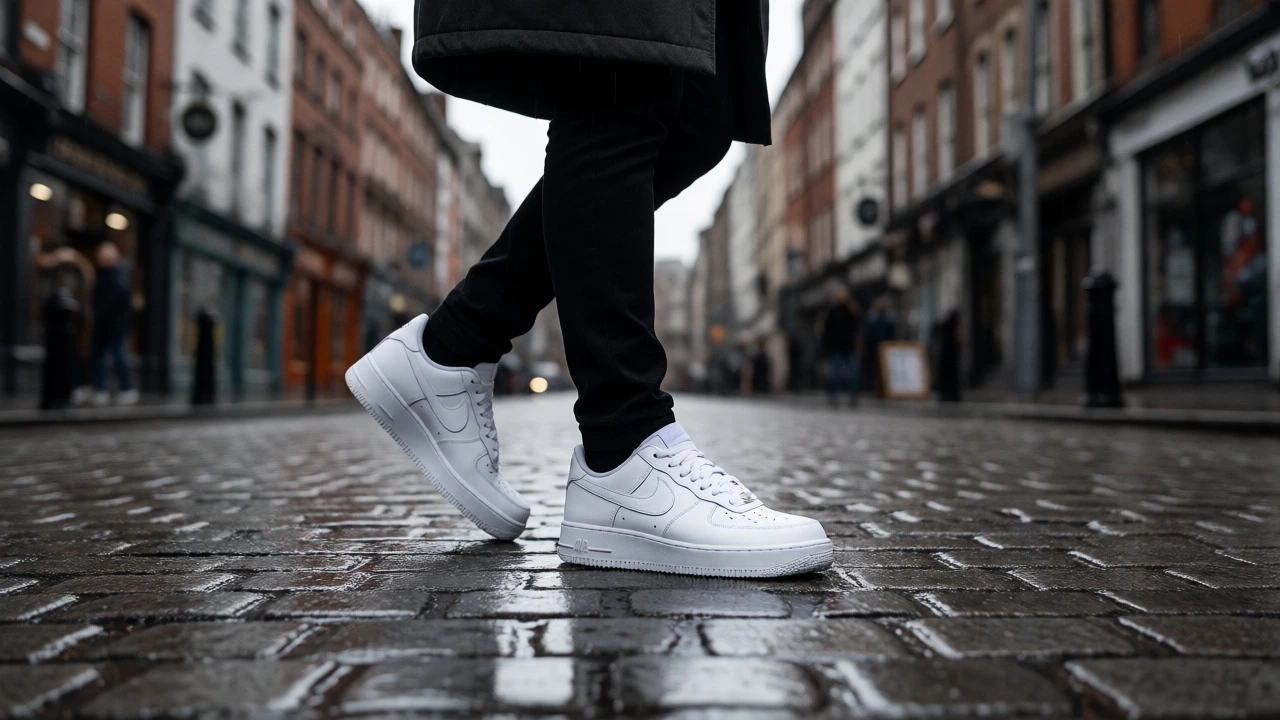
If we are talking about raw numbers-units sold, pairs produced, and sheer ubiquity-the Air Force 1 by Nike is arguably the most worn shoe on the planet. Since its release in 1982, it has transcended sport to become a fashion staple. Why does it win? Simplicity. It goes with jeans, suits, dresses, and shorts. It is clean, recognizable, and endlessly customizable.
But don’t overlook the Adidas Stan Smith. This minimalist tennis shoe has been in production since the late 1960s and remains a top seller worldwide. In Ireland, you’ll see these everywhere, from tech hubs in Dublin’s Docklands to university students in Limerick. They represent a shift away from flashy logos toward quiet luxury and minimalism. If you want a shoe that never looks out of place, regardless of the decade, this is it.
| Shoe Model | Primary Appeal | Ideal Use Case | Price Range (EUR) |
|---|---|---|---|
| Nike Air Force 1 | Cultural Icon / Versatility | Everyday casual wear | €100 - €130 |
| Adidas Stan Smith | Minimalist Design | Smart-casual settings | €90 - €110 |
| Converse Chuck Taylor All Star | Nostalgia / Affordability | Artistic / Student crowds | €60 - €80 |
| Dr. Martens 1460 | Durability / Statement | Festival season / Rainy days | €150 - €180 |
The Heritage Choice: Leather Dress Shoes
While sneakers dominate sales figures, the title of "best" often shifts to craftsmanship when we talk about formal wear. Here, the conversation turns to brands like Church’s or Loake. These aren't just shoes; they are investments. For many Irish professionals, especially those working in finance or law in Dublin’s IFSC, a well-made leather Oxford is non-negotiable.
Why do these rank high in prestige? Longevity. A pair of Goodyear-welted leather shoes can last twenty years if you resole them every few years. Compare that to a synthetic sneaker that falls apart after two winters of Irish rain. When locals talk about the "best" shoe, they often mean the one that offers the best value over time. Brands like Clarks bridge this gap, offering comfort-focused leather designs that are hugely popular across the UK and Ireland for their balance of price and quality.
Irish Specifics: Why Weather Changes the Ranking
You cannot discuss the world's best shoe without factoring in where you live. In Ireland, our damp climate disqualifies many global favorites. A suede loafer might be the number one pick in sunny California, but here, it will get ruined in a week during November. The Irish consumer prioritizes water resistance and grip above almost everything else.
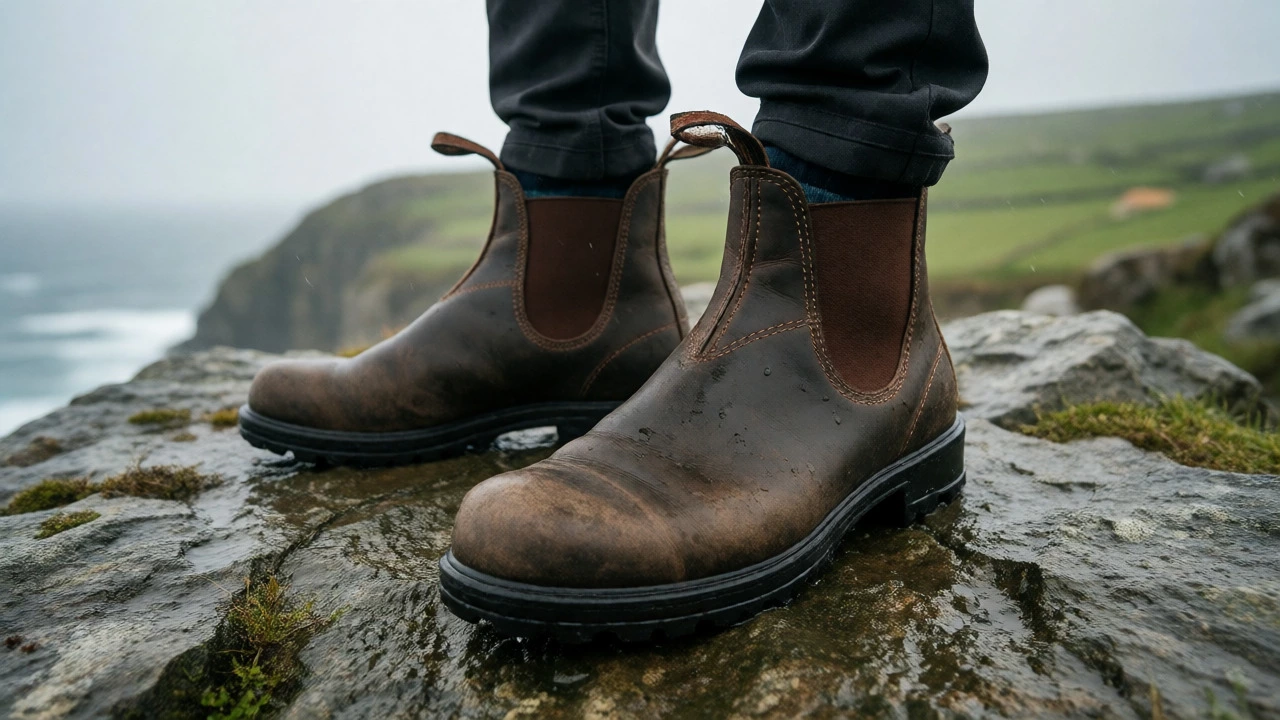
This is why Blundstone boots have quietly become a cult favorite in rural areas and coastal towns like Donegal and Kerry. They are technically Australian work boots, but they fit the Irish lifestyle perfectly. Slip-on convenience, rugged leather, and excellent traction on wet cobblestones. If you ask a farmer in Tipperary or a surfer in Bundoran what their go-to shoe is, Blundstones are likely near the top of the list. They prove that practicality often beats aesthetics when the wind is howling off the Atlantic.
Another local hero is the Grenson boot. Made in England but historically tied to British and Irish military and civilian use, these offer a more refined look than work boots while maintaining durability. You’ll spot them in pubs in Belfast and offices in Cork. They represent a middle ground between the casual sneaker and the stiff dress shoe, ideal for our unpredictable social scenes.
Cultural Impact vs. Sales Volume
There is a difference between the most sold shoe and the most influential shoe. The Converse Chuck Taylor All Star has been around since 1917. It hasn’t changed much, yet it remains relevant. It is the shoe of rebellion, art, and youth. In cities like Dublin and Galway, where the arts scene thrives, Chucks are a uniform. They are cheap, easy to replace, and carry a certain cool factor that expensive leather oxfords lack.
However, influence doesn’t always equal popularity among the general population. The average person commuting on the Luas or driving to work in Meath wants comfort first. This is where Ecco dominates. While not as flashy as Nike, Ecco shoes are ubiquitous in Irish shopping centers because they solve a real problem: foot pain. Their direct-injected soles provide cushioning that lasts all day. For the demographic aged 40+, Ecco is effectively the number one shoe due to pure functional necessity.
How to Choose Your Personal Number One
So, how do you decide which shoe deserves the top spot in your wardrobe? Stop looking for a global winner and start auditing your own life. Here is a quick framework to help you pick:
- The Commuter: If you walk long distances or take public transport daily, prioritize arch support and breathable materials. Look at running-inspired casual shoes from brands like Hoka or New Balance.
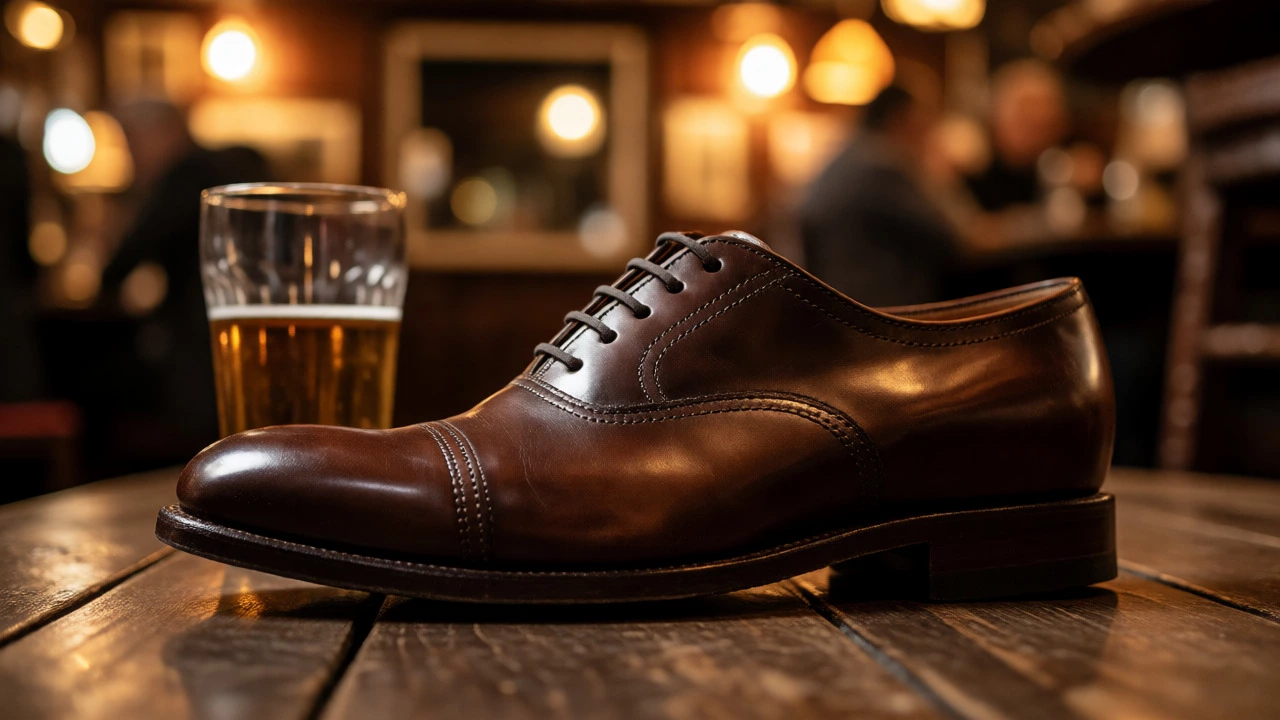
- The Professional: If you spend most of your day in a meeting room, invest in a leather derby or Oxford. Ensure it is waterproofed. A dark brown leather shoe is more versatile in Ireland than black, as it hides mud splashes better.
- The Weekend Warrior: You need something that survives a hike in Wicklow Mountains and a pint afterward. Waterproof leather boots or sturdy trail runners are your best bet.
- The Minimalist: If you hate clutter, buy one pair of high-quality white sneakers and one pair of black leather boots. That covers 90% of social situations in Ireland.
Remember, the "number one" shoe is also the one you actually wear. Buying a €300 designer sneaker that sits in the box because it’s too precious to wear in the rain is a waste of money. The best shoe is the one that disappears on your feet-you forget you’re wearing it because it fits so well.
Sustainability and Local Production
Recently, there has been a surge in interest for locally made goods. While Ireland isn’t known for mass-market shoe factories anymore, we have a strong heritage in leather processing. Brands focusing on ethical sourcing and durable construction are gaining traction. Buying fewer, better shoes aligns with the growing environmental consciousness in Irish urban centers.
Consider repairing rather than replacing. Cobbler services in towns like Kilkenny or Waterford can extend the life of your favorite pair by years. This approach challenges the fast-fashion model that promotes disposable footwear. By maintaining your shoes, you reduce waste and save money, making your current favorite the true number one choice for both your wallet and the planet.
Is there really one single best-selling shoe in the world?
No single shoe holds the title universally forever, but the Nike Air Force 1 and Adidas Stan Smith consistently compete for the highest sales volumes globally. However, in specific regions like Ireland, practical boots and comfort-focused brands like Ecco often outsell fashion icons due to climate and lifestyle needs.
What are the most popular shoes in Ireland?
In Ireland, popularity is driven by weather resilience. Blundstone boots, Dr. Martens, and waterproof leather derbies are extremely common. Additionally, white sneakers remain dominant among younger demographics, while comfort-oriented brands like Clarks and Ecco are favored by older adults and commuters.
Are leather shoes suitable for Irish weather?
Yes, but only if treated properly. Full-grain leather is naturally water-resistant, but it requires regular waxing or spraying to withstand heavy rain. Suede is generally unsuitable for daily wear in Ireland unless heavily protected, as it absorbs water easily and stains quickly.
Which shoe brand offers the best value for money?
Value depends on longevity. Cheap sneakers may cost €50 but last six months. A €150 pair of Goodyear-welted leather shoes can last five years with resoling. Over time, the higher upfront investment often provides better value per wear, especially for professional or frequent use.
Can I wear white sneakers in the rain?
You can, but expect them to get dirty. To maintain white sneakers in Ireland, use a protective spray before wearing them in wet conditions. Carry a cleaning kit or wipes for quick touch-ups after exposure to mud or puddles. Some newer models come with water-repellent coatings specifically designed for such climates.