Activewear vs Athleisure Quiz
How to Play
Test your knowledge with these real Irish scenarios. Select the correct clothing type for each activity based on the article.
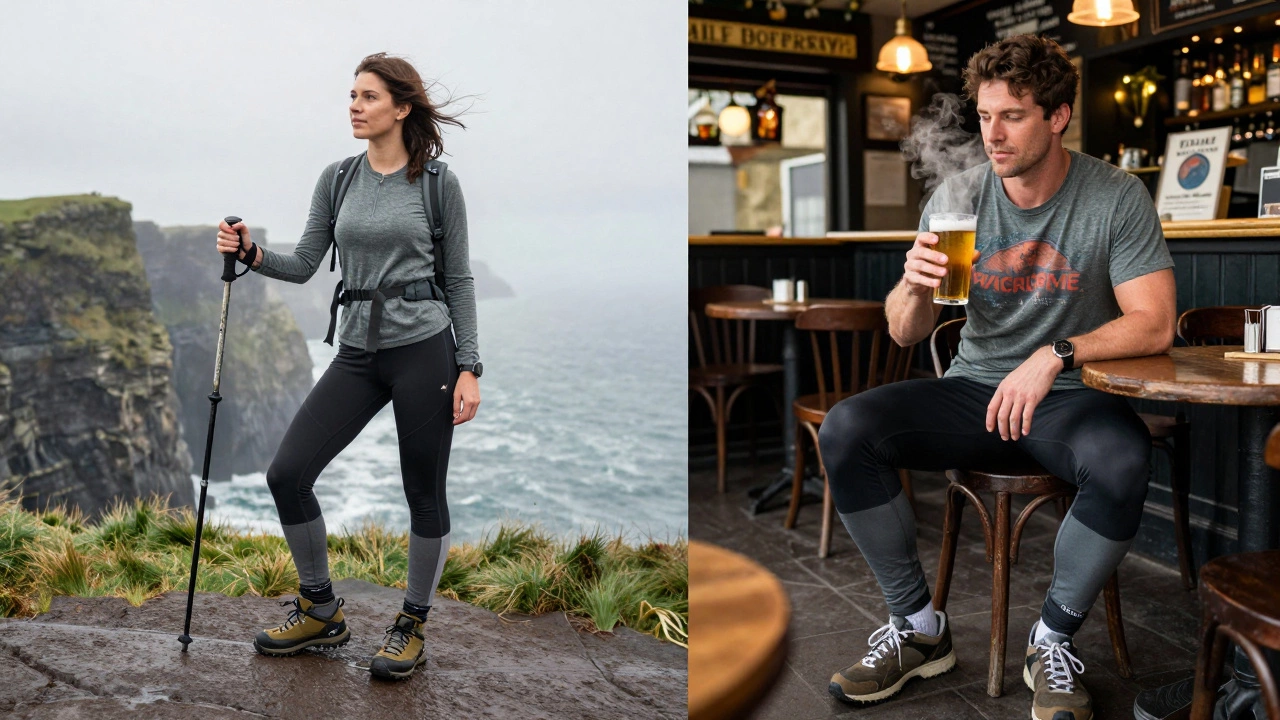
In Ireland, where the weather shifts from sun to sleet in under an hour and weekend hikes in Glendalough often end with a warm pint in a Wicklow pub, the line between activewear and athleisure isn’t just a fashion detail-it’s a daily survival choice.
Activewear: Built for Movement, Not Just Looking Good
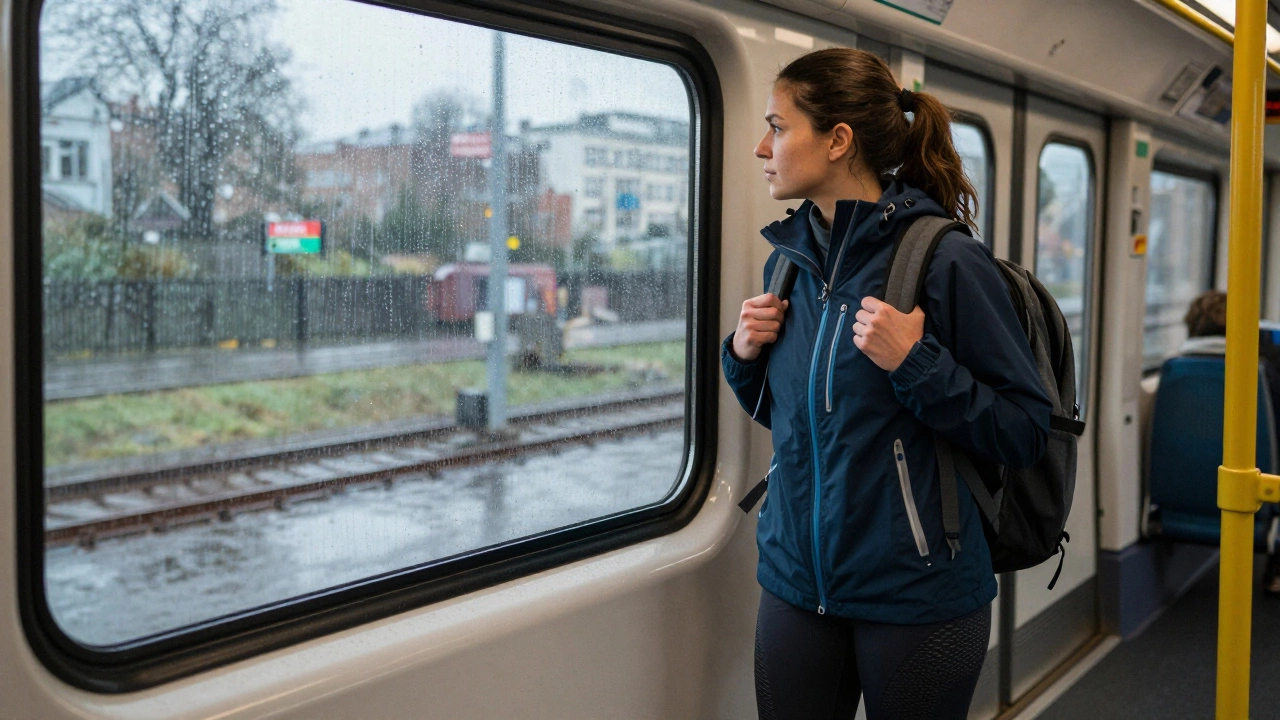
Activewear in Ireland is designed for function first. Think moisture-wicking fabrics that pull sweat away during a morning run along the DART line in Dublin, or waterproof jackets that shrug off rain on the Wicklow Way. It’s what you wear when you’re actually moving-whether that’s cycling to work in Cork, hiking the Cliffs of Moher, or hitting the weights at a local gym like FitLab in Galway.
Irish activewear brands like Out of the Blue and Irish Athletics focus on technical performance: breathable merino blends for chilly mornings, reinforced seams for trail running, and reflective detailing for those dark winter commutes. These aren’t clothes you wear to grab coffee-they’re gear you put on to sweat, climb, or push through a 5K in 8°C rain.
Look for features like UPF 50+ sun protection (yes, even in April), wind-resistant panels, and flatlock stitching to avoid chafing during long walks on the Wild Atlantic Way. If your leggings start pilling after two washes or your hoodie soaks up rain like a sponge, it’s not activewear-it’s just a poorly made jacket pretending to be.
Athleisure: The Irish Way of Living Comfortably
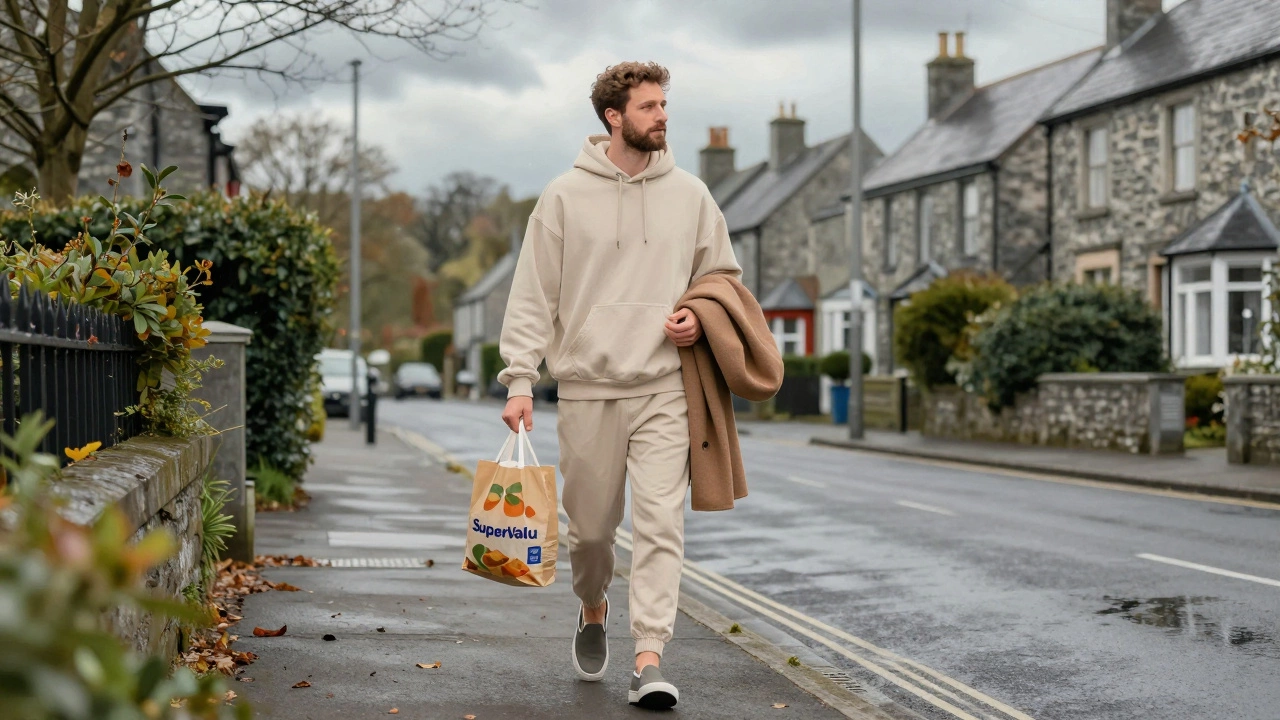
Athleisure, on the other hand, is activewear’s chill cousin. It’s what you wear when you’re not training-but you still want to look like you could. In Ireland, athleisure is everywhere: on the bus to work in Limerick, picking up groceries at SuperValu in Bray, or dropping kids off at school in Dundalk. It’s the hoodie you throw on after yoga, the joggers you wear to the local library, the sneakers you pair with a wool coat for a Sunday stroll in Phoenix Park.
Brands like Primark, Next, and Decathlon dominate the Irish athleisure scene because they offer affordable, stylish pieces that don’t scream ‘gym’. You’ll see women in Dublin wearing leggings from Lululemon’s resale market alongside men in Nike joggers bought on sale at Dunnes Stores. The key difference? Athleisure doesn’t need to perform. It just needs to feel good and look put-together.
Irish athleisure leans into muted tones-charcoal, moss green, oat beige-because bright neon doesn’t suit our weather or our vibe. You won’t find many neon pink yoga pants on the DART unless someone’s heading to a festival. Instead, you’ll see neutral tones that match our stone cottages, peat bogs, and grey skies.
Why the Confusion? Because We Wear Both, All the Time
The real issue isn’t the clothes-it’s the cultural shift. In the past, Irish people dressed for the weather, not the occasion. A wool sweater and wellies were enough for a walk in the countryside. Now, we’ve adopted global trends, but we adapt them to fit our rhythm.
That’s why you’ll see someone in Dublin wearing a technical running jacket (activewear) over a pair of soft cotton joggers (athleisure) with trainers that have seen three seasons of Irish rain. They’re not trying to be a fitness influencer. They’re just trying to stay dry, warm, and not look like they rolled out of bed.
Even the Irish gym culture reflects this blend. Places like YMCA Dublin or Fit4Life in Belfast don’t require you to wear branded leggings. You’ll see people in old Nike shorts, second-hand hoodies from Oxfam, and socks with holes-because in Ireland, effort matters more than aesthetics.
How to Tell Them Apart-Practical Tips for Irish Wardrobes
Here’s how to spot the difference without overthinking it:
- Activewear has technical labels: ‘4-way stretch’, ‘moisture-wicking’, ‘DWR coating’, ‘reflective trim’. It’s often more expensive and sold in specialty stores like Go Outdoors or Decathlon.
- Athleisure has fashion labels: ‘relaxed fit’, ‘soft-touch fabric’, ‘minimal logo’. It’s sold at Primark, Zara, or even local thrift shops.
- Ask yourself: Would I wear this to climb a mountain? If yes, it’s activewear. If the answer is no, but you’d wear it to the pharmacy, it’s athleisure.
Don’t fall for the trap of buying athleisure thinking it’ll work for trail running. You’ll end up soaked, chafed, and annoyed by the time you reach the top of Sugarloaf Mountain. And no one wants that.
What to Buy in Ireland-Smart Choices for Real Life
For activewear: Invest in a good waterproof shell from Craghoppers or Berghaus. They’re made for our climate. Pair them with moisture-wicking base layers from Smartwool-they don’t stink after a week of wear, which is crucial when laundry day is every other Sunday.
For athleisure: Go for organic cotton blends from People Tree or Boody. They’re breathable, soft, and eco-friendly-something Irish shoppers increasingly care about. Avoid overly tight fits; our bodies aren’t built for compression unless we’re training.
And skip the flashy logos. In Ireland, understated is respected. A plain black hoodie from H&M with no logo says more than one with a giant swoosh.
When to Wear What-Irish Scenarios
Here’s how to match your gear to real Irish life:
- Monday morning commute to work in Cork: Athleisure. Joggers + sweater + waterproof coat.
- Saturday hike in the Burren: Activewear. Technical leggings + windproof jacket + trail runners.
- Post-yoga coffee in Galway: Athleisure. Soft leggings + oversized tee + slip-on sneakers.
- Walking the kids to school in Waterford: Athleisure. Fleece-lined joggers + hoodie + wellies (yes, even in spring).
- Running the Dublin Marathon: Activewear. Compression shorts + moisture-wicking top + proper running shoes.
There’s no shame in mixing them. In fact, most Irish people do. But knowing the difference keeps you comfortable, dry, and looking like you’ve got your life together-even when the rain won’t stop.
Final Thought: It’s Not About Trends. It’s About Living Here.
In Ireland, fashion isn’t about following global trends. It’s about adapting to the land, the weather, and the pace of life. Activewear helps you move through our rugged landscapes. Athleisure lets you move through our pubs, schools, and bus stops without feeling like you’re dressed for a photoshoot.
You don’t need to buy expensive gear to be active. You just need to know what works for you-and what won’t fall apart after one rainy walk to the corner shop.
Can I wear athleisure to the gym in Ireland?
Yes, but only if you’re doing light workouts like yoga or casual cardio. If you’re lifting heavy, running intervals, or training outdoors in the rain, go for activewear. Most gyms in Ireland don’t enforce dress codes, but you’ll notice the people in proper gear are the ones who stay injury-free.
Is Lululemon popular in Ireland?
Lululemon has a small but loyal following in Dublin and Cork, mostly among expats and fitness influencers. But most Irish people find it overpriced for the climate. You get better performance from Craghoppers or Decathlon for half the cost-and their gear actually handles rain and wind.
What’s the best Irish brand for activewear?
Out of the Blue is an Irish-made brand focused on sustainable, high-performance activewear designed for our wet climate. Their leggings are wind-resistant, quick-drying, and made with recycled materials. They’re not everywhere yet, but they’re growing fast in local outdoor stores and online.
Do I need to buy expensive activewear if I just walk to work?
No. A decent pair of joggers from Dunnes Stores, a basic fleece from Primark, and a waterproof jacket from Go Outdoors will serve you better than a €150 pair of leggings. In Ireland, practicality beats price tags.
Can athleisure be worn to formal events in Ireland?
Rarely. Unless it’s a casual wedding in a barn in Tipperary or a pub quiz night in Sligo, athleisure doesn’t cut it for formal occasions. But for most everyday events-school plays, family dinners, or weekend markets-it’s perfectly acceptable. Irish culture values comfort over formality, especially outside cities.