Ireland's Activewear Selector
Select an activity and weather condition above to see your recommended activewear setup.
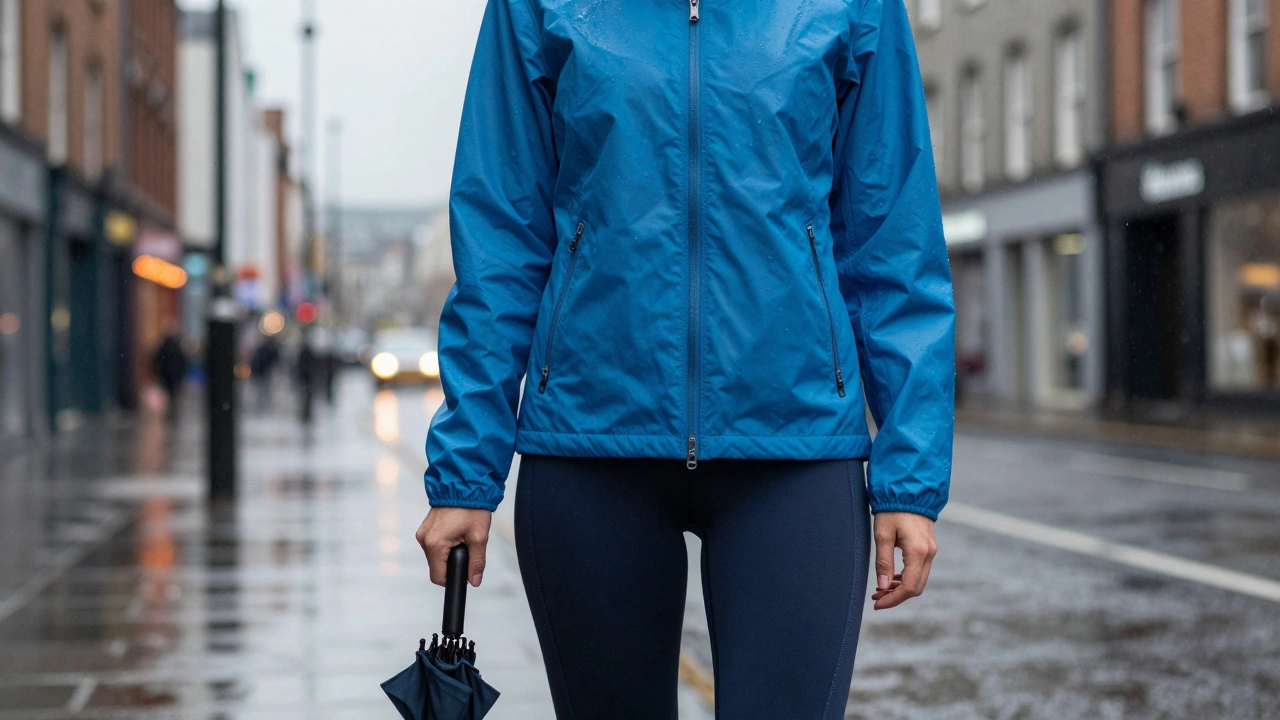
Grab your umbrella and step outside in Dublin during a typical November afternoon. You’re likely dealing with wind, rain, and that specific chill that seems to seep right through denim. Now, imagine trying to run from the Luas stop on O'Connell Street or squeezing into a spin class at a boutique studio in Temple Bar while wearing stiff cotton jeans. It’s miserable, right? This is exactly why understanding activewear matters so much here. In Ireland, where the weather shifts from sun to sleet in twenty minutes, activewear isn't just about looking good in a gym selfie. It’s functional gear designed to keep you dry, warm, and mobile whether you’re hiking the Cliffs of Moher or doing yoga in your living room.
The Core Definition: Function Over Fashion
So, what actually counts as activewear? At its simplest, activewear is clothing specifically engineered for physical activity. Unlike regular street clothes, which are made from natural fibers like cotton or wool that absorb sweat and get heavy when wet, activewear uses synthetic blends. Think polyester, nylon, spandex, and elastane. These materials do three main jobs: they wick moisture away from your skin, they stretch with your body’s movement, and they dry quickly.
If you wear a standard cotton T-shirt on a trail run up Mount Leinster, it will soak up your sweat. As the wind hits you, that wet shirt becomes cold and heavy against your skin, increasing the risk of chills. Activewear prevents this. It moves the sweat to the outer layer of the fabric where it can evaporate. This technical distinction is what separates a pair of Lululemon leggings from a pair of skinny jeans, even if they look similar from a distance.
Key Categories of Activewear
Activewear covers a broad spectrum of garments. To understand what belongs in this category, we need to break it down by function and garment type.
- Tops: This includes moisture-wicking T-shirts, tank tops, long-sleeve base layers, and performance hoodies. In Ireland, a lightweight windbreaker or a soft-shell jacket is also considered part of the active top wardrobe because of our unpredictable winds.
- Bottoms: Leggings, joggers, compression tights, running shorts, and track pants. Look for flat-lock seams to prevent chafing during long walks along the Wild Atlantic Way.
- Outerwear: Rain jackets, insulated vests, and thermal mid-layers. Given our climate, a waterproof yet breathable shell is arguably the most important piece of activewear an Irish person owns.
- Footwear: While often categorized separately, running shoes, training sneakers, and hiking boots are integral to the activewear ecosystem. They provide the support needed for the activity the clothes are designed for.
- Accessories: Sports bras, headbands, gloves, and beanies. Don’t underestimate the beanie; in Galway winters, keeping your core heat in starts with covering your head.
The Irish Context: Why Cotton Fails Here
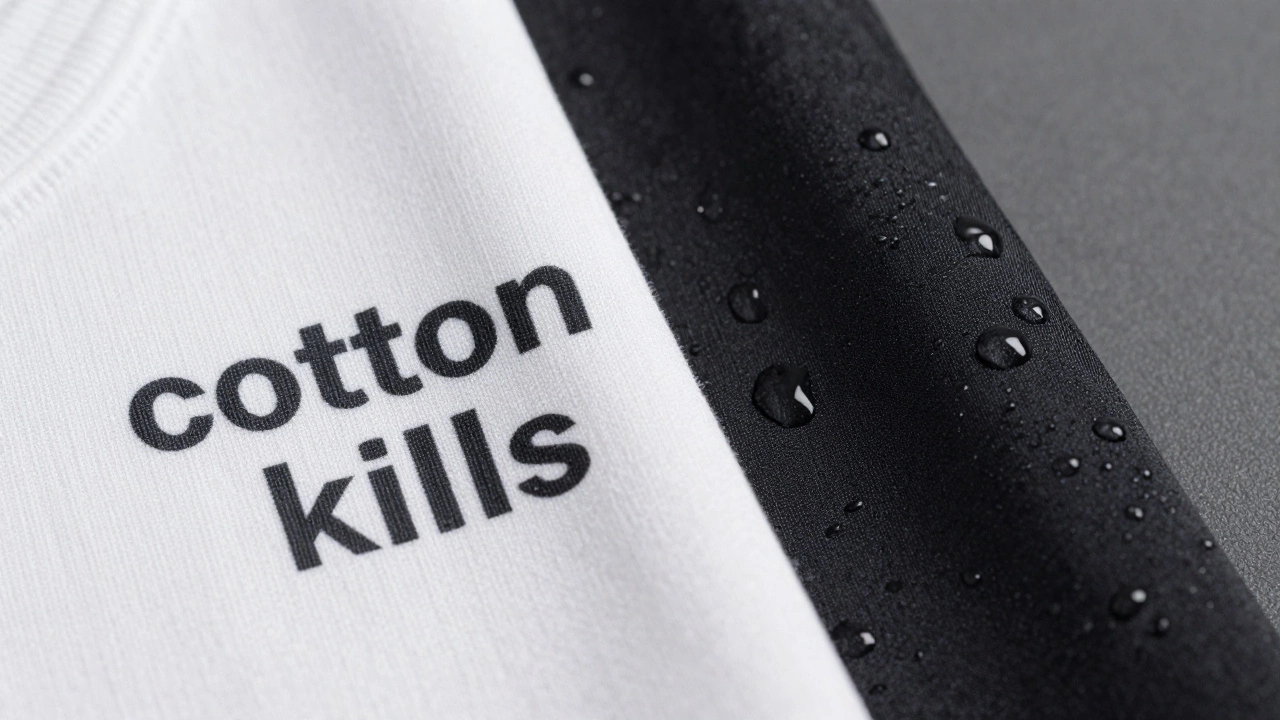
Living in Ireland changes how you view clothing performance. We have high humidity levels year-round. When the temperature drops below 10°C (50°F) and it rains-which it does frequently-cotton becomes a liability. The old mountaineering rule applies perfectly here: "Cotton kills." It doesn’t mean it’s dangerous, but it means it stops working as insulation once it gets wet.
Consider a weekend trip to Killarney National Park. If you hike there in cotton trousers and a cotton shirt, and a sudden shower hits, you’ll be cold within ten minutes. Switch to merino wool or a synthetic blend, and you stay comfortable. Merino wool is particularly popular among Irish hikers because it regulates temperature naturally and doesn’t smell bad after a day of use. It’s a natural fiber that behaves like a synthetic one in terms of moisture management.
This local reality means that "athleisure"-the trend of wearing gym clothes to the pub or office-requires careful selection in Ireland. You can’t just throw on any loose tracksuit. You need layers that can handle a commute from Cork City center to a meeting, then a quick jog home in the drizzle.
Fabric Technology Explained Simply
You don’t need a degree in textile engineering to shop for activewear, but knowing a few terms helps you avoid buying junk. Here is what to look for on those small tags inside your collar.
| Fabric Type | Key Benefit | Best For |
|---|---|---|
| Polyester | Durable, dries fast, cheap | High-intensity workouts, running |
| Nylon | Soft, stretchy, abrasion-resistant | Yoga, pilates, everyday wear |
| Spandex/Elastane | Extreme stretch and recovery | Leggings, sports bras (usually blended) |
| Merino Wool | Temperature regulation, odor-resistant | Hiking, multi-day trips, cold weather |
| Cotton Blend | Comfortable, breathable | Low-impact activities only (e.g., casual walking) |
Notice that pure cotton is listed only for low-impact use. If you plan to sweat, avoid 100% cotton. Look for phrases like "moisture-wicking," "quick-dry," or "breathable mesh panels." These aren’t just marketing buzzwords; they indicate specific manufacturing techniques that enhance airflow and water transport.
Athleisure vs. True Activewear
There is a blurry line between activewear and athleisure. Athleisure is designed to *look* like sportswear but prioritize comfort and style over performance. A fuzzy, thick hoodie you wear to watch the GAA finals on TV is athleisure. A lightweight, zip-front hoodie you wear while cycling across the Phoenix Park is activewear.
In Ireland, brands like Decathlon is a French sporting goods retailer known for affordable, functional equipment and clothing. offer true activewear at accessible prices. Meanwhile, high-end boutiques in Dundrum Town Centre might sell expensive leggings that look great but lack the compression or durability needed for serious training. Always check the intended use. If you’re paying €100 for pants, ask yourself: Will these survive a sweaty HIIT session, or are they just for posing?
Building an Irish Activewear Wardrobe
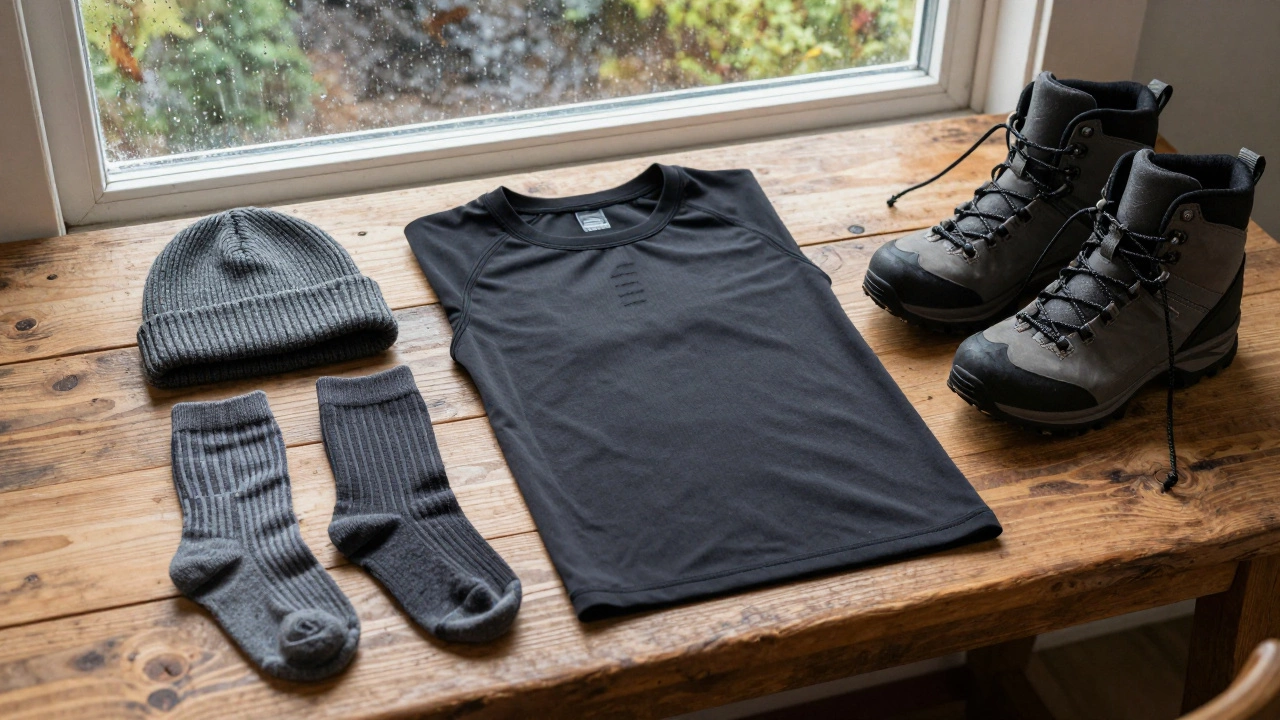
Start with the basics. You don’t need a closet full of neon colors. Focus on versatility. Here is a practical checklist for residents navigating our climate.
- One reliable rain shell: Invest in a waterproof jacket with sealed seams. Brands like Mountain Warehouse or local Irish outdoor shops often stock reliable options.
- Two pairs of quality leggings: One for high-intensity gym work (thicker, opaque fabric), one for casual wear or light yoga.
- Moisture-wicking socks: Never wear cotton socks for sports. Blisters happen faster when feet are damp. Merino wool socks are worth the extra cost.
- A thermal base layer: For winter runs or early morning hikes in Wicklow, a thin thermal top worn under your shirt keeps you warm without bulk.
- Versatile trainers: A pair of cross-trainers that handle both pavement and light trails is ideal for urban dwellers who occasionally escape to nature.
Remember, the best activewear is what you’ll actually wear. If it feels uncomfortable, you won’t put it on. Comfort drives consistency in fitness. Whether you’re joining a community rowing club on the Liffey or starting a home workout routine, having the right gear removes friction from your routine.
Common Mistakes to Avoid
Many people make the same errors when shopping for sportswear. First, buying too big. Compression works best when it fits snugly. Baggy clothes flap around and create drag. Second, ignoring seam placement. Seams should lie flat against the skin, not rub against sensitive areas. Third, washing everything in hot water. Heat breaks down elastic fibers. Wash activewear in cold water and air dry whenever possible to extend its life.
Also, beware of "greenwashing." Some brands claim their products are eco-friendly because they use recycled plastic bottles. That’s good, but check if the dyeing process was sustainable too. Local Irish brands are increasingly focusing on ethical production, so supporting them can be a win for both your wardrobe and the environment.
Can I wear jeans to the gym?
Technically yes, but it’s not recommended. Denim restricts movement, traps heat, and takes forever to dry if you sweat. It’s better suited for casual wear than physical exertion.
Is activewear appropriate for work in Ireland?
It depends on your workplace. In creative industries or tech startups in Dublin, smart athleisure (like tailored joggers and a clean polo) might pass. In corporate finance or law firms, stick to traditional business attire. Always check your company’s dress code policy.
How do I choose the right size for leggings?
Leggings should fit snugly without digging in. Squat down in front of a mirror. If the fabric becomes sheer (see-through), they’re too tight or poor quality. If they slide down, they’re too loose. Aim for a second-skin feel that supports your muscles.
What is the best fabric for rainy days in Ireland?
For outer layers, look for Gore-Tex or similar waterproof membranes. For inner layers, merino wool or synthetic polyester blends are best. Avoid cotton entirely when rain is forecasted.
Do I need expensive activewear?
Not necessarily. Budget brands like Decathlon or Primark’s sport lines offer decent quality for beginners. As you commit more seriously to a sport, investing in specialized gear (like proper running shoes or compression gear) pays off in comfort and injury prevention.