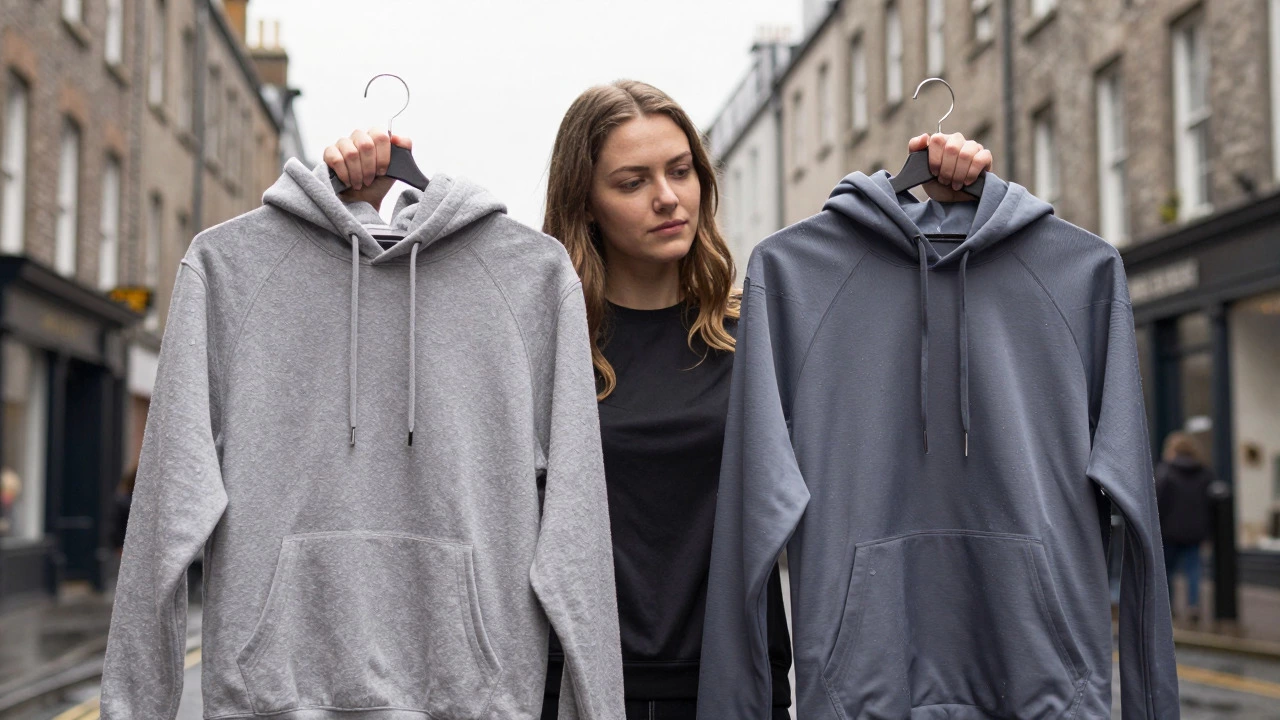
Sportswear vs. Athleisure Classifier
Not sure if that hoodie is for the gym or just for brunch? Answer these quick questions to classify your garment.
Result
CategoryYou’re standing in a shop on Grafton Street or scrolling through an online retailer from your sofa in Dublin, and you see a hoodie. Is it sportswear or just casual wear? The line has blurred so much that even the experts struggle to draw a hard border. In Ireland, where we might cycle to work along the Grand Canal or head straight from a yoga class at the National Concert Hall to a pub in Temple Bar, this distinction matters more than you think. It’s not just about what you wear; it’s about function, fabric technology, and whether those trousers can handle a sudden downpour in Galway without turning into a heavy, wet sponge.
This guide cuts through the marketing jargon. We’ll look at what actually defines sportswear versus general clothing, how Irish weather changes the rules, and why your "gym kit" might be doing double duty in ways you didn’t expect. Whether you’re training for a marathon in Phoenix Park or just trying to stay warm during a cold commute in Cork, understanding these categories helps you spend less and perform better.
The Core Definition: Function Over Fashion
At its simplest, sportswear is clothing designed specifically for physical activity. But that definition is too broad for today’s market. True sportswear-often called activewear-is engineered with specific performance attributes. Think moisture-wicking fabrics that pull sweat away from your skin, stretch panels that allow full range of motion, and reinforced seams that won’t burst when you squat.
Contrast this with regular casual wear. Your standard cotton t-shirt absorbs sweat. Once it’s wet, it stays wet. That’s fine if you’re sitting at a desk in a heated office in Dublin city centre. It’s miserable if you’ve just run five kilometres in the rain near Sandycove. Sportswear uses synthetic blends (like polyester or nylon) or merino wool to manage temperature and moisture. If the garment doesn’t have a technical purpose related to movement or climate control, it’s probably just casual clothing dressed up in athletic colours.
Athleisure vs. Performance Gear: Know the Difference
Here is where most people get tripped up. Athleisure is a massive trend in Ireland. You see it everywhere-from students in Trinity College wearing branded joggers to professionals in Belfast pairing leggings with blazers. But athleisure is not always true sportswear.
Athleisure borrows the aesthetic of sportswear but often lacks the technical specs. Those expensive branded leggings might look great for Instagram, but if they are made of thick cotton blends rather than compression fabrics, they aren’t suitable for high-intensity interval training (HIIT). They are lifestyle garments. Real performance gear, like what you’d find in specialist stores in Dublin’s Blanchardstown Centre or online retailers shipping to rural areas, focuses on metrics: breathability ratings, UV protection, and elasticity recovery.
If you plan to use the item for actual exercise, check the label. Does it say "moisture-wicking," "quick-dry," or "compression"? If it just says "soft touch" or "premium cotton," it’s likely athleisure. Save those pieces for brunch or casual Fridays, not for your spin class session.
The Irish Climate Factor: Why Weather Dictates Sportswear
In many countries, sportswear is designed for heat. In Ireland, we design for variability. Our weather can shift from sunny to sideways rain in minutes. This means our definition of sportswear includes a heavy emphasis on layering systems and water resistance.
A base layer in Ireland isn’t just about warmth; it’s about staying dry when the humidity spikes. Mid-layers need to be breathable enough to vent heat but tight enough to block wind chill coming off the Atlantic. Outer shells must be genuinely waterproof, not just water-resistant. Many international brands sell "rain jackets" that fail miserably in a typical Irish squall because they lack taped seams or proper hydrostatic head ratings.
Local brands and retailers have adapted to this. When shopping for running gear in Limerick or hiking boots in Kerry, prioritize items rated for sustained dampness. Look for features like pit zips for ventilation and adjustable hoods that don’t blow away in the wind. If a piece of sportswear doesn’t account for our grey, drizzly reality, it’s not built for us.
Cultural Context: From GAA to Gym Culture
Ireland’s sporting culture shapes what we consider acceptable sportswear. Traditional sports like Gaelic football, hurling, and rugby have distinct uniforms. A GAA jersey is technically sportswear, but it’s rarely worn outside the pitch unless you’re showing team pride. However, the rise of personal fitness has changed this. CrossFit boxes in Dublin and boutique gyms in Galway have normalized wearing technical gear as daily attire.
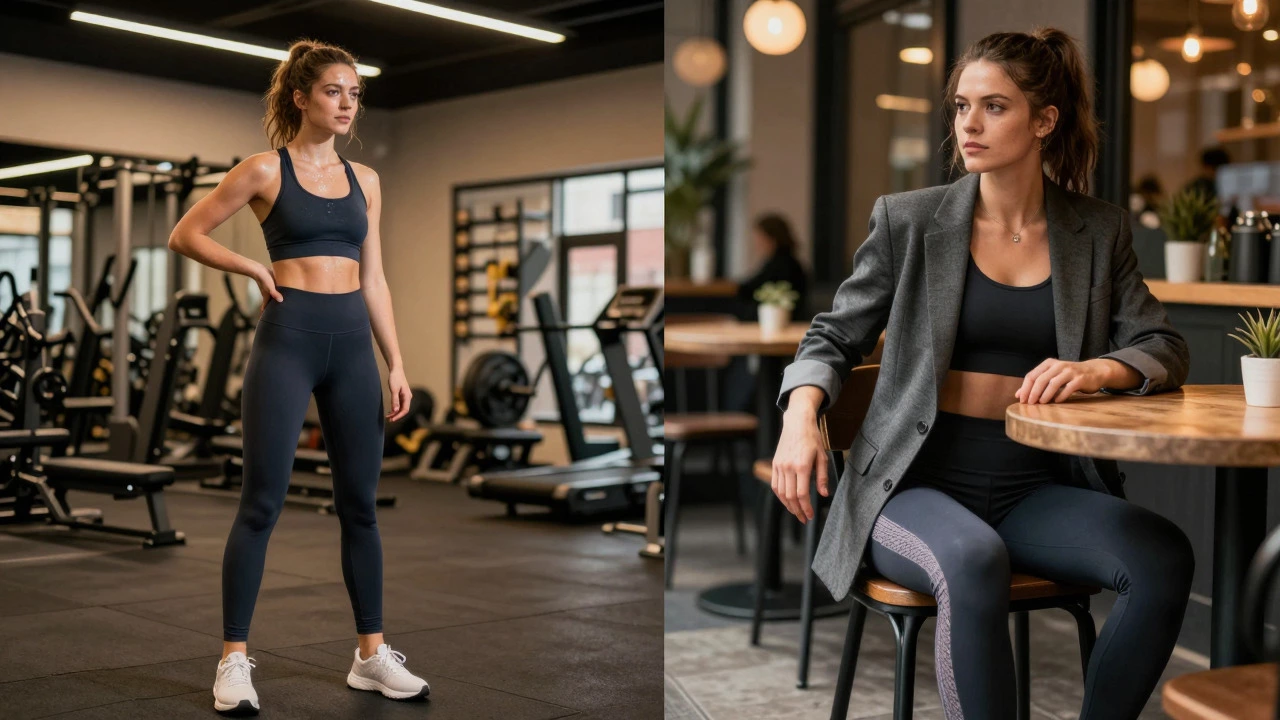
This shift has created a hybrid expectation. People want clothes that transition seamlessly from a morning swim at the Leisure Centre to a coffee meeting. This demands versatility. A pair of shorts might need pockets for keys and phone (a feature often missing in pure racing shorts) and a fabric that dries quickly if you spill your latte. The modern Irish consumer expects sportswear to be robust enough for the gym but stylish enough for the street.
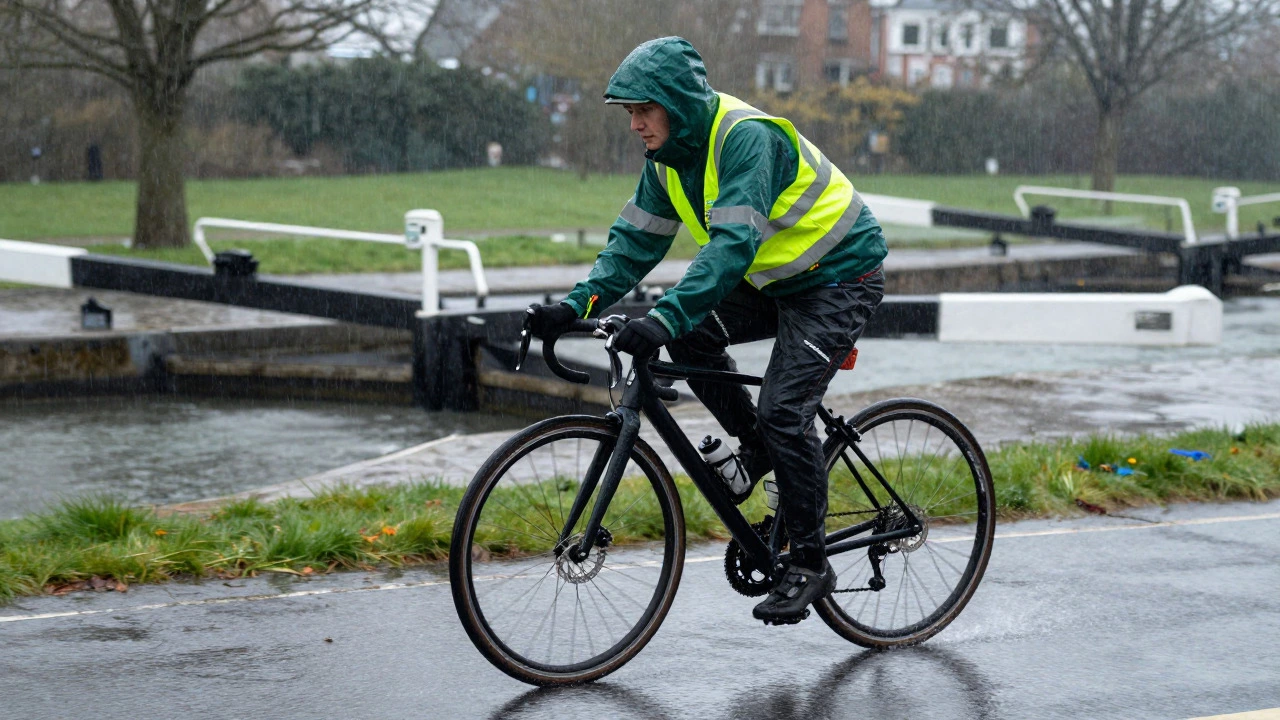
Consider the popularity of cycling in cities like Dublin and Cork. Commuters wear specialized bib shorts and jerseys, but they also add reflective strips and pannier bags. This functional adaptation is part of the local sportswear identity. It’s not just about performance; it’s about utility in an urban environment.
Key Attributes That Define Modern Sportswear
To help you classify items correctly, here are the non-negotiable attributes of genuine sportswear:
- Moisture Management: Fabrics must move sweat away from the body. Cotton fails here; synthetics or merino succeed.
- Range of Motion: Seams should be flat-locked to prevent chafing, and cuts should allow deep lunges or arm raises without restriction.
- Durability: High-friction areas (inner thighs, shoulders) need reinforcement. Irish walkers know that thin fabric tears easily on rocky terrain in the Wicklow Mountains.
- Odour Resistance: With limited laundry access in some student accommodations or shared flats, antimicrobial treatments are increasingly common in quality activewear.
- Visibility: Reflective elements are crucial for safety during early morning runs or late evening walks, especially given our darker winters.
| Feature | True Sportswear | Athleisure | Casual Wear |
|---|---|---|---|
| Primary Purpose | Performance & Protection | Comfort & Style | Everyday Use |
| Fabric Tech | High (Wicking, Stretch) | Medium (Soft, Blends) | Low (Cotton, Denim) |
| Weather Suitability | Specific (Rain, Cold, Heat) | Mild Conditions Only | Varied, Not Technical |
| Best For | Gym, Running, Hiking | Errands, Coffee, Travel | Office, Home, Socializing |
Shopping Smart in the Irish Market
When buying sportswear in Ireland, beware of the "fast fashion" trap. Large chains offer trendy athletic looks at low prices, but the quality often doesn’t match the price tag. A €15 pair of leggings might lose its shape after two washes, whereas a €40 pair from a specialist brand could last years.
Check return policies carefully. Irish consumer law protects buyers, but online returns can be costly if postage isn’t free. Local independent sports shops in towns like Sligo or Waterford often provide better advice on fit and fabric suitability for local conditions than big-box retailers. Ask them: "Will this breathe if I’m sweating heavily?" Their answer will tell you if they understand sportswear or just sales.
Also, consider sustainability. The Irish market is increasingly conscious of textile waste. Brands that offer repair services or use recycled materials align with local values. Buying one high-quality jacket that lasts five winters is cheaper and greener than replacing a cheap one every year.
Frequently Asked Questions
Is jeans considered sportswear?
No. Jeans are made from denim, which is typically rigid, heavy, and slow to dry. They restrict movement and absorb sweat, making them unsuitable for physical activity. While some "stretch denim" exists, it still lacks the technical moisture management of true sportswear fabrics.
Can I wear running shoes for walking in the city?
Yes, running shoes are excellent for walking due to their cushioning. However, dedicated walking shoes often have different tread patterns and heel support optimized for lower-impact strides. For long days on cobblestones in Dublin, ensure your running shoes have adequate arch support to prevent fatigue.
What is the difference between base layers and thermal underwear?
Thermal underwear is primarily for warmth in static situations. Base layers are active; they wick moisture while providing insulation. In Ireland’s damp climate, a moisture-wicking base layer is superior to traditional thermal underwear because it keeps you dry, preventing the chill caused by wet fabric against the skin.
Are compression garments necessary for amateur athletes?
Not strictly necessary, but beneficial. Compression helps improve blood flow and reduce muscle vibration, which can delay fatigue during long runs or cycles. For short workouts, standard fitted sportswear is sufficient. Consider compression socks for long-distance events like the Dublin Marathon to aid recovery.
How do I care for my Irish sportswear to make it last?
Wash in cold water to preserve elastic fibres and avoid fabric softeners, which clog moisture-wicking pores. Air dry whenever possible; tumble drying can degrade technical coatings. Given our humid climate, ensure items are fully dry before storing to prevent mildew smells, especially in smaller apartments.