Irish Suit Value Calculator
Evaluate Your Suit Purchase
This tool helps determine if your suit price matches Irish market standards based on key quality factors. Enter your suit's details below.
Result
Recommended Price Range:
Based on Irish market standards and quality factors
When you’re buying a suit in Ireland, you’re not just shopping for fabric and buttons-you’re investing in how you show up in a country where first impressions stick. Whether you’re heading to a Dublin boardroom, a Galway wedding, or a Cork job interview, the right suit makes you feel confident and respected. But what’s a fair price for a suit that actually lasts? In Ireland, where the weather shifts by noon and the dress code leans toward smart-casual, you don’t need to spend a fortune-but you also shouldn’t settle for something that wrinkles in the rain.
What Defines a ‘Good’ Suit in Ireland?
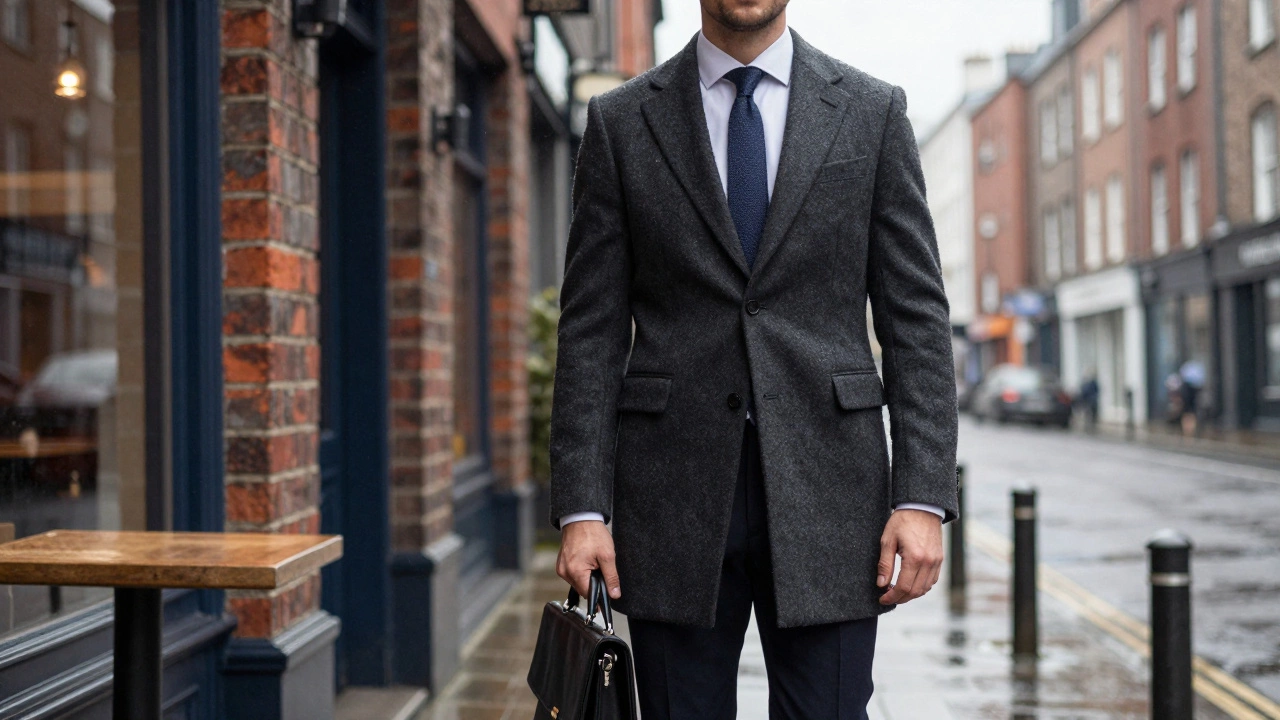
A good suit in Ireland isn’t about brand names or flashy lapels. It’s about durability, fit, and versatility. The average Irish man doesn’t own ten suits-he owns one that works for work, weddings, and wakes. That means you need wool blends that handle damp air without clinging, a cut that allows for layering under a tweed overcoat, and a neutral color like charcoal, navy, or mid-grey that pairs with both brown leather shoes and black dress boots.
Look for suits made with at least 70% wool. Synthetic blends might be cheaper, but they trap moisture and look shiny under office lighting. Brands like Claddagh Tailors in Galway and Mannings in Dublin use Irish wool blends sourced from County Donegal, which are naturally water-resistant and breathable. These suits cost more upfront, but they outlast two or three fast-fashion alternatives.
Price Ranges You’ll Actually See in Ireland
Here’s what real prices look like across the Irish market in 2025:
- Under €200: These are mass-produced suits from chains like Primark or Zara. They’re fine for a one-off event, but they’ll shrink in the wash, lose shape after three wears, and look dated by next Christmas. Not worth it for anything beyond a cousin’s baptism.
- €200-€400: This is the sweet spot for most working professionals. Brands like Moss Bros (available in Dundrum Town Centre and Liffey Valley) offer machine-made suits with decent wool content and a modern fit. You’ll get a suit that lasts 2-3 years with proper care.
- €400-€700: This is where you start getting real value. Tailored options from Claddagh Tailors or Suits Direct in Cork use better linings, hand-stitched lapels, and higher-grade wool. These suits are built to handle Irish winters and can last five years or more.
- €800+: Bespoke suits from Dublin’s M. J. O’Connor or Belfast’s G. & J. O’Neill are for those who need perfection. They’re not necessary unless you’re a CEO, politician, or regularly appear on TV. But if you’ve got the budget, you’ll notice the difference in how it moves with you.
Where to Buy in Ireland (And Where to Avoid)
Don’t assume the cheapest option is the best. In Dublin, the stalls on Grafton Street sell suits for €120-but they’re made in Eastern Europe with polyester linings that melt when you sweat. Instead, try:
- Claddagh Tailors (Galway): Local craftsmanship, Irish wool, and free alterations for life. A €550 suit here will outperform a €700 off-the-rack suit elsewhere.
- Mannings (Dublin): Their ‘Heritage Collection’ uses 80% wool and comes with a 2-year guarantee. You can get a full suit, shirt, and tie for under €450 during their autumn sale.
- Suits Direct (Cork): Offers made-to-measure options starting at €420. They ship nationwide and have a 30-day return policy.
- Thrift stores like Oxfam or St. Vincent de Paul: You can find high-end suits from brands like Hickey Freeman or Brooks Brothers for €60-€120. Get them altered at a local tailor for €30-€50, and you’ve got a luxury suit for under €150.
Avoid big-box retailers like Dunnes Stores for formal suits. Their suits are designed for quick turnover, not longevity. You’ll pay the same price as a tailored option, but get far less quality.
What You’re Really Paying For
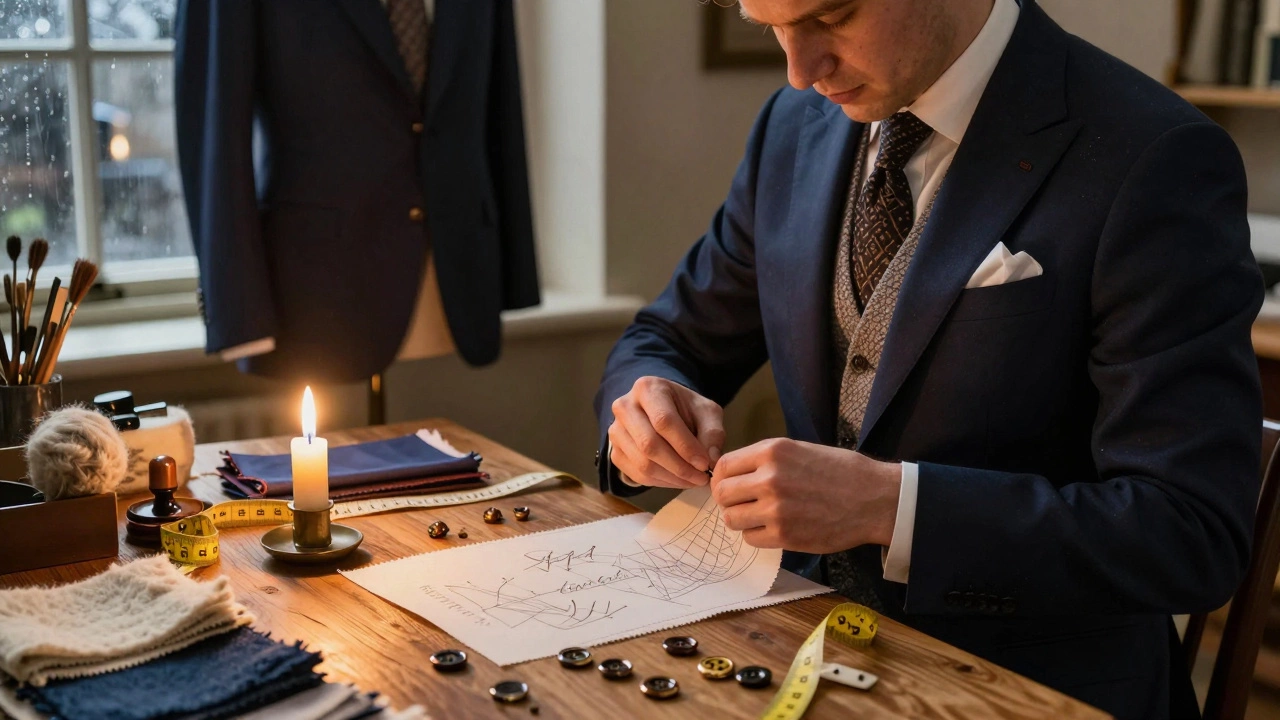
When you spend €500 on a suit in Ireland, you’re not just buying fabric. You’re paying for:
- Wool content: 70-90% wool means it breathes, resists wrinkles, and holds its shape.
- Full canvas construction: The inner structure is stitched, not glued. This lets the suit drape naturally over your body.
- Hand-stitched lapels: A sign of quality. Machine-stitched lapels look stiff and flat.
- Real horn buttons: Not plastic. They’re heavier, smoother, and last decades.
- Alterations included: A good Irish tailor will adjust the sleeves, waist, and hem at no extra cost. A suit that doesn’t fit is a suit you won’t wear.
These features matter more here than in warmer climates. In Ireland, you wear your suit under raincoats, in drafty pubs, and on long train rides to Limerick. A suit that doesn’t hold up won’t just look bad-it’ll make you feel uncomfortable.
How to Stretch Your Budget Without Sacrificing Quality
You don’t need to spend €700 to look sharp. Here’s how smart Irish buyers do it:
- Buy off-season: January and July are the best months. After Christmas and after summer weddings, stores clear stock. You can find €500 suits for €250.
- Start with a two-piece: Skip the vest. A jacket and trousers are more versatile and cheaper.
- Invest in one great pair of shoes: A good pair of Oxfords from Dunnes Stores’ ‘Cork’ line or Cobblers of Galway will outlive three suits.
- Use a suit brush and garment bag: A €15 brush removes lint and rain residue. A breathable garment bag prevents mildew. These simple tools double your suit’s life.
When to Splurge and When to Save
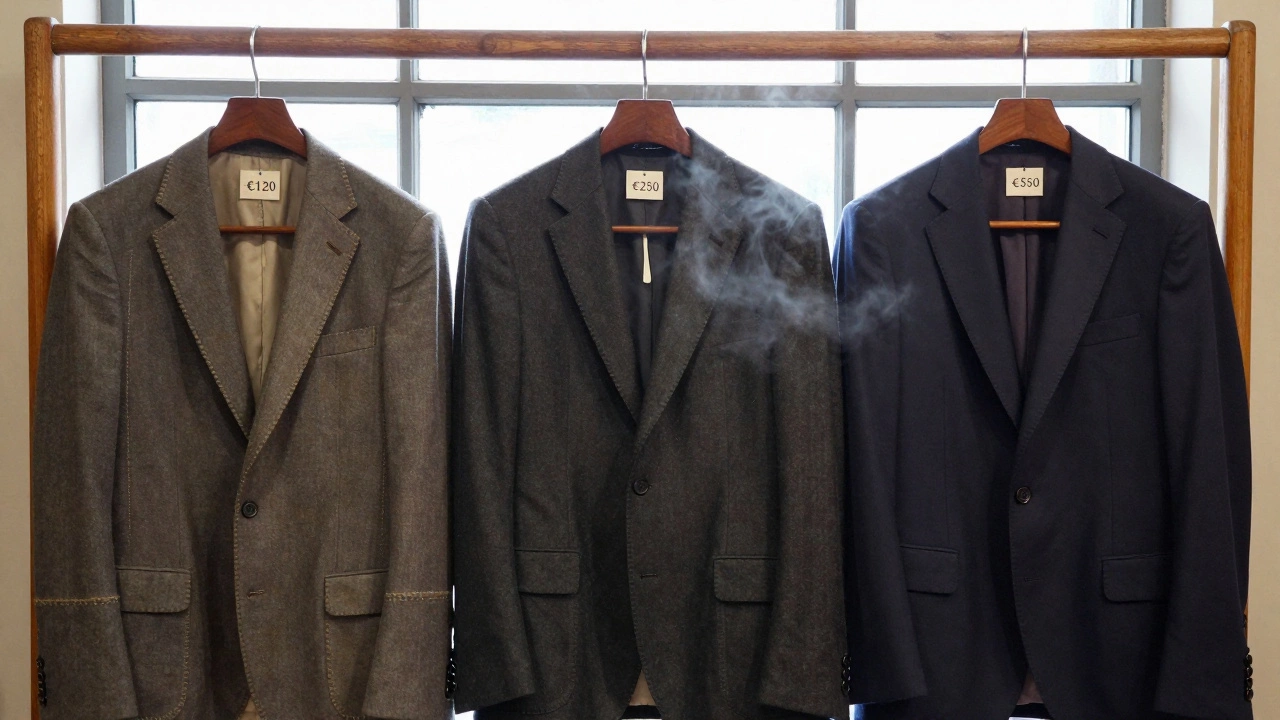
Here’s a simple rule: spend more on what you wear often. If you’re in meetings five days a week, get a €500 suit. If you only wear one for weddings, buy a €250 one and wear it with a smart shirt and tie. Don’t buy a bespoke suit just because you’re nervous about a job interview. A well-fitted off-the-rack suit from Mannings or Suits Direct will do just fine.
And remember: in Ireland, it’s not about how much you spend-it’s about how well you wear it. A €300 suit, properly cleaned and pressed, will earn more respect than a €1,000 suit that’s too tight or too shiny.
Final Thought: The Irish Suit Standard
In Ireland, a good suit isn’t about status. It’s about showing up ready-for the rain, the meeting, the funeral, the celebration. The best price isn’t the lowest. It’s the one that gets you through a year of Dublin winters without needing a replacement. For most people, that’s between €350 and €550. Buy once. Wear well. And when in doubt, ask a local tailor. They’ve seen every kind of suit, and they’ll tell you the truth.
Is €400 too much for a suit in Ireland?
No-€400 is a smart investment. At that price, you can get a wool-blend suit from a reputable Irish brand like Mannings or Suits Direct with proper construction, good fit, and a guarantee. It’s the average cost of a good suit for someone who wears it regularly to work or events. You’ll get more wear out of it than two cheaper suits combined.
Can I find a good suit secondhand in Ireland?
Absolutely. Thrift stores like Oxfam in Dublin, St. Vincent de Paul in Cork, and charity shops in Galway often have high-quality suits from brands like Hickey Freeman, Paul Smith, or even Armani Exchange. Look for wool blends, check the underarms for wear, and get it altered for €40-€60. You can easily find a €700 suit for under €150.
Do I need a bespoke suit for a wedding in Ireland?
Not unless you’re the groom or a close family member. For guests, a well-fitted off-the-rack suit from a local retailer like Claddagh Tailors or Suits Direct is perfectly appropriate. Many Irish weddings are held in rustic venues-your suit should be elegant, not extravagant.
What color suit works best for Irish weather?
Charcoal and navy are the top choices. They hide moisture stains from rain, blend with Ireland’s grey skies, and look professional under both natural and fluorescent lighting. Avoid black-it’s too formal for most Irish occasions and shows lint and dust easily. Light greys are fine in summer but can look washed out in winter.
Should I buy a suit online or in person in Ireland?
Buy in person if you can. Fit matters more in Ireland’s variable climate-your suit needs to layer under coats and still look sharp. Stores like Mannings, Suits Direct, and Claddagh Tailors offer free fittings and alterations. Online suits often come back because they’re too tight in the shoulders or too long in the sleeves. If you must buy online, choose retailers with free returns and local alteration partners.