Irish Sportswear Selector
Running / Trail Running
High intensity, high sweat, outdoor exposure.
Gym / Indoor Training
Strength training, controlled environment.
Hiking / Outdoors
Variable terrain, wind, rain, and temperature changes.
Urban Commuting
Cycling or walking in city environments (Dublin/Cork).
Rainy / Wet
Driving rain, damp ground, Atlantic storms.
Windy / Exposed
Cliffs of Moher winds, exposed ridges.
Mild / Dry
Sunny Kerry days, indoor facilities.
Recommended Setup
Fabric Choice
Key Features Needed
Why This Works in Ireland
Ever stood in the changing rooms of a Dublin gym or watched the GAA finals on TV and heard someone mention 'moisture-wicking' or 'articulated knees'? It sounds like tech jargon, doesn't it? But these aren’t just random buzzwords. They are fashion sportswear terms that define how your clothes perform, look, and feel. In Ireland, where the weather can shift from bright sunshine in Kerry to driving rain in Donegal within an hour, understanding this language isn’t just about sounding smart-it’s about buying gear that actually works.
We’re going to break down what these terms mean, why they matter for our specific climate, and how to spot quality when you’re shopping in stores like Brown Thomas or local sports shops in Cork and Galway. No fluff, just the facts you need to dress right for life in Ireland.
The Core Concept: What Defines Sportswear?
At its heart, Sportswear is clothing designed specifically for athletic activities, prioritizing function over pure aesthetics. Historically, this meant heavy cotton jerseys and wool socks. Today, it’s a multi-billion dollar industry driven by science. The key difference between a regular t-shirt and a piece of sportswear is the intent. A regular shirt is made to cover you; sportswear is made to move with you, manage sweat, and protect you from the elements.
In the context of Fashion is the prevailing style of clothing, footwear, and accessories at a given time, sportswear has blurred the lines. We now see 'athleisure' everywhere-from the streets of Temple Bar to offices in Sandyford. This hybrid category means you need to understand the terminology to distinguish between a garment that looks sporty but fails in the rain, and one that is genuinely engineered for performance.
Decoding the Fabric Jargon
If you pick up a running top in Dunnes Stores or a specialized trail jacket from a shop in Kilkenny, the label will be full of acronyms. Here are the most common ones you’ll encounter:
- Polyester: The workhorse of activewear. It’s durable, quick-drying, and resistant to shrinking. In Ireland, polyester blends are essential because they don’t stay soggy when it rains.
- Nylon: Stronger than polyester and softer to the touch. You’ll often find this in compression wear or lightweight windbreakers. It holds up well against abrasion, which is useful if you’re hiking the Wicklow Way.
- Elastane (Spandex/Lycra): This is the stretch factor. Any good pair of yoga pants or cycling shorts will contain 5-10% elastane. Without it, your clothes would restrict movement during a squat or a sprint.
- Merino Wool: Don’t dismiss this old-school material. Modern merino is lightweight and naturally odor-resistant. It’s perfect for layering under a shell in colder months, especially if you’re doing outdoor activities in Connemara where temperatures drop sharply.
Understanding these materials helps you avoid cheap imitations. For instance, a 100% cotton 'gym tee' might feel comfortable initially, but once you sweat, it becomes heavy and cold-a nightmare in our damp climate.
Performance Features: More Than Just Looks
Beyond fabric, there are specific construction techniques that define high-quality sportswear. These features solve practical problems:
| Term | Function | Ireland Relevance |
|---|---|---|
| Moisture-Wicking | Pulls sweat away from skin to the outer surface to evaporate | Essential for staying dry during indoor workouts or humid summer days in Cork |
| Articulated Seams | Panels cut to match natural joint bends (elbows, knees) | Improves range of motion for golfers and hikers |
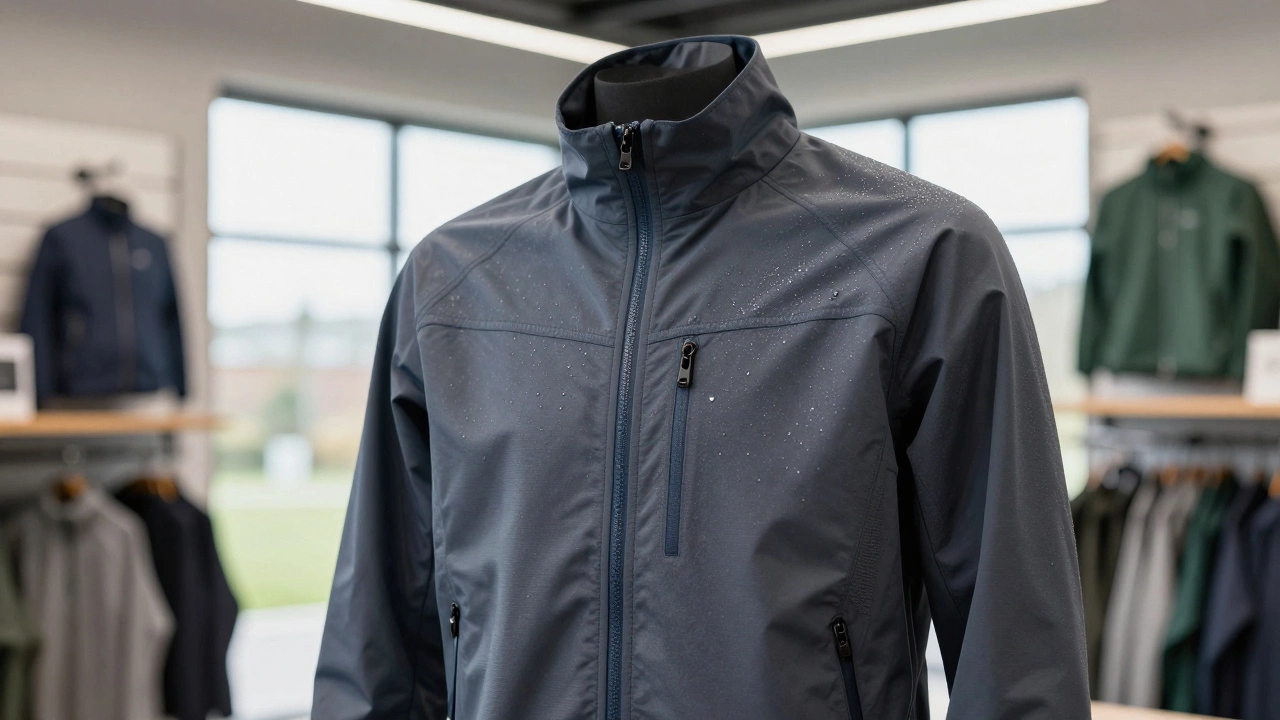
| DWR Finish | Durable Water Repellent coating on outer shells | Critical for sudden showers; keeps light rain off without needing a bulky coat |
| Flatlock Stitching | Seams laid flat to reduce chafing | Prevents irritation during long runs along the Liffey or cycle commutes |
Notice how each feature addresses a specific need. When shopping, look for these terms on the tags. If a jacket claims to be 'waterproof' but lacks a DWR finish or sealed seams, it’s likely just water-resistant, which won’t save you during a proper Atlantic storm.
The Irish Context: GAA, Hiking, and Urban Life
Ireland has unique sporting traditions that influence our sportswear needs. Take Gaelic Athletic Association (GAA) sports. Players need kits that allow for high-speed running, jumping, and tackling. Modern GAA jerseys use advanced moisture management because matches continue through all weather conditions. Fans also adopt this aesthetic, creating a demand for casual sportswear that mimics team colors and styles.
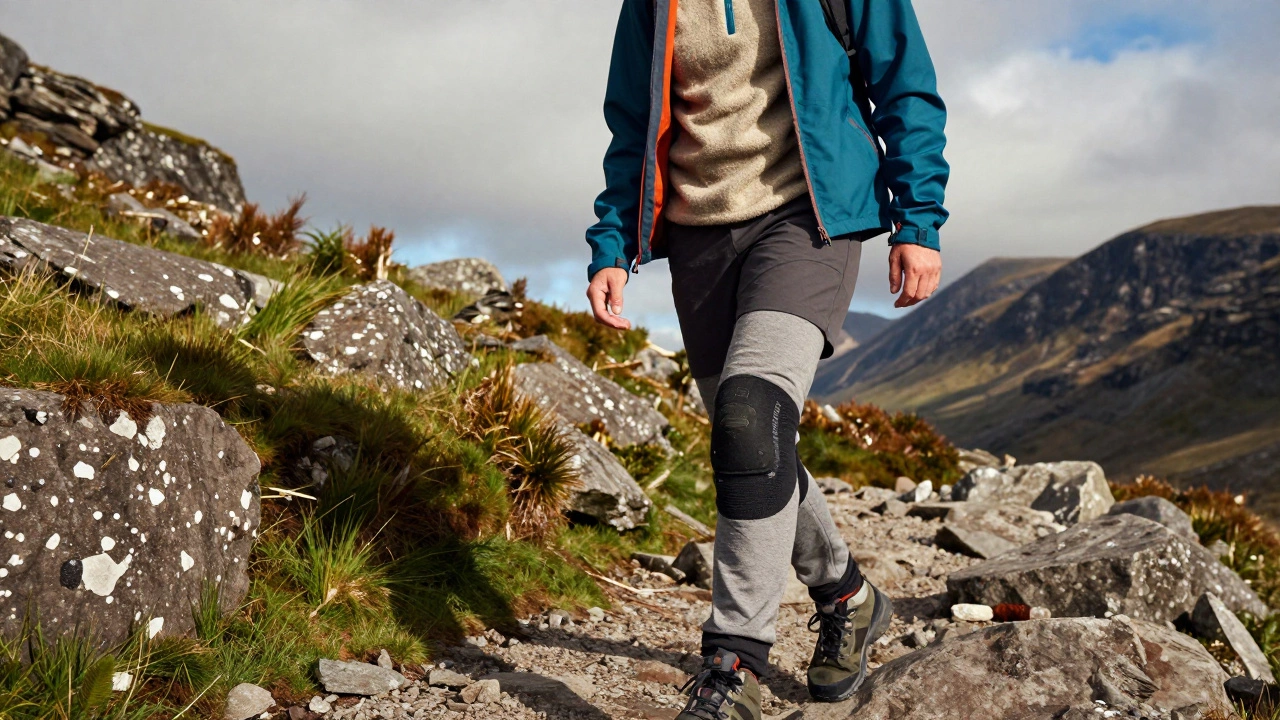
Then there’s the hiking culture. From the Cliffs of Moher to Mount Slieve Donard, many of us enjoy outdoor pursuits. Here, the 'layering system' is crucial. Base layers (merino or synthetic), mid-layers (fleece), and outer shells (hardshell jackets) work together. Understanding terms like 'breathability' ensures you don’t overheat while climbing, while 'windproof' ratings protect you on exposed ridges.
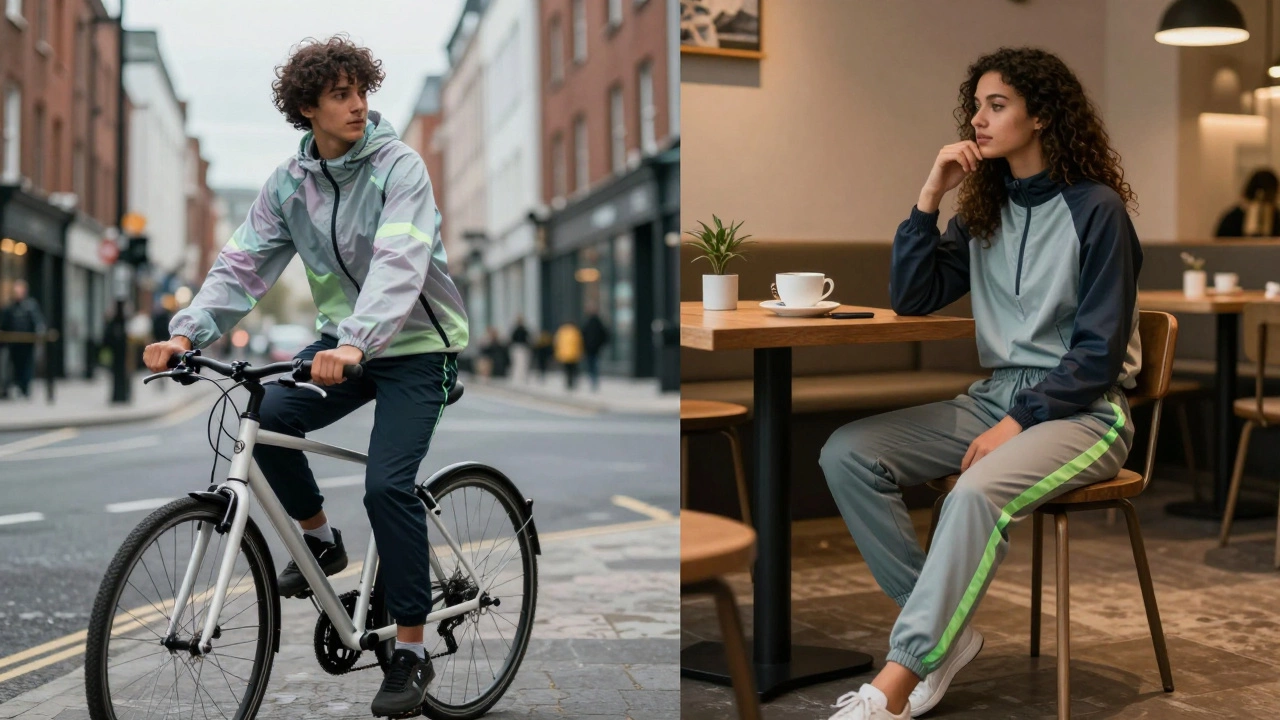
Even urban dwellers benefit. Commuting on a bike through Dublin traffic requires visibility and protection. Reflective details and packable designs are key features to look for in urban sportswear.
How to Shop Smart in Ireland
With so many options, how do you choose? Start by identifying your primary activity. Are you running trails in Killarney National Park or lifting weights in a city gym? Your needs differ significantly.
- Check the Label: Look for the fabric composition. Avoid high cotton content for intense exercise.
- Test the Fit: Sportswear should be snug but not restrictive. Try moving around in the store-raise your arms, bend your knees.
- Consider the Weather: Invest in a good waterproof shell. Brands like Regatta or local favorites often offer reliable options suited to Irish rain.
- Look for Versatility: Can you wear these joggers to the pub after the gym? Athleisure blurs the line, so choose neutral colors and clean designs for maximum utility.
Don’t be afraid to ask staff questions. In smaller towns, shop owners often have deep knowledge of local conditions and can recommend brands that hold up best in the wilds of Mayo or the busy streets of Belfast.
Common Mistakes to Avoid
One big error is buying based solely on brand logos. Big names don’t always mean better performance for your specific needs. Another mistake is ignoring care instructions. Many technical fabrics lose their wicking properties if washed with fabric softener. Always follow the tag-cold wash, no softener, air dry whenever possible.
Also, beware of 'greenwashing.' Some brands claim eco-friendly credentials without substance. Look for certifications like Bluesign or Recycled Polyester content to ensure you’re supporting sustainable practices, which is increasingly important to Irish consumers.
Future Trends in Irish Sportswear
The market is evolving. We’re seeing more focus on sustainability, with brands using recycled ocean plastics or organic cotton. There’s also a rise in gender-neutral sizing, reflecting changing social norms. As remote work continues, the line between home, office, and gym wear will blur further, making versatile, comfortable sportswear even more central to our wardrobes.
Keep an eye on local designers too. Irish talent is pushing boundaries, combining traditional craftsmanship with modern tech fabrics. Supporting local businesses not only boosts the economy but often results in higher quality, bespoke items tailored to our climate.
What is the best fabric for Irish weather?
For Ireland's changeable climate, a combination of merino wool for base layers and a waterproof, breathable shell (like Gore-Tex or similar proprietary membranes) is ideal. Merino regulates temperature and resists odors, while the shell protects against rain and wind.
Is cotton ever okay for sportswear?
Generally, no. Cotton absorbs moisture and dries slowly, which can lead to chilling in cool weather. However, for low-intensity activities like yoga or weightlifting where sweating is minimal, cotton blends can be comfortable and breathable.
What does 'DWR' mean on my jacket?
DWR stands for Durable Water Repellent. It’s a chemical treatment applied to the outer fabric that causes water to bead up and roll off. It’s not permanent and may need reapplication after several washes or significant wear.
Where can I buy quality sportswear in Ireland?
You can find quality sportswear in major retailers like Brown Thomas, Dunnes Stores, and Decathlon. For specialized outdoor gear, check out local mountaineering shops in cities like Dublin, Cork, or Galway, which often stock brands tested in Irish conditions.
How do I care for technical sportswear?
Wash in cold water, avoid fabric softeners as they clog fibers and reduce breathability/wicking, and tumble dry on low heat or air dry. Check labels for specific instructions, especially for waterproof coatings.