Irish Weather T-Shirt Selector
Ireland's weather is famously unpredictable. Use this tool to find the perfect tee configuration for your day out in Dublin, Cork, or Galway.
Your Perfect Match
Recommended Fabric
Ideal Weight (GSM)
Best Fit & Style
Layering Advice
You’ve probably worn one this week. Maybe you grabbed a plain white tee from Penneys or Primark on Henry Street before heading to work, or perhaps you’re rocking a vintage band shirt while waiting for the Luas in Dublin rain. We all wear them, but have you ever stopped to wonder what that big letter 'T' actually stands for? It’s not just a random label slapped on by marketing teams. The answer is surprisingly literal, yet it connects to a fascinating slice of military and labor history that shaped modern clothing as we know it today.
| Aspect | Detail |
|---|---|
| Shape Origin | The garment's layout resembles the capital letter 'T' |
| First Popularized | US Navy (1913), then Hollywood (1950s) |
| Irish Connection | Adopted globally; local brands like Dubarry adapted it for wet weather |
| Material Standard | Originally ribbed cotton knit for durability |
The Literal Shape: Why It’s Called a T-Shirt
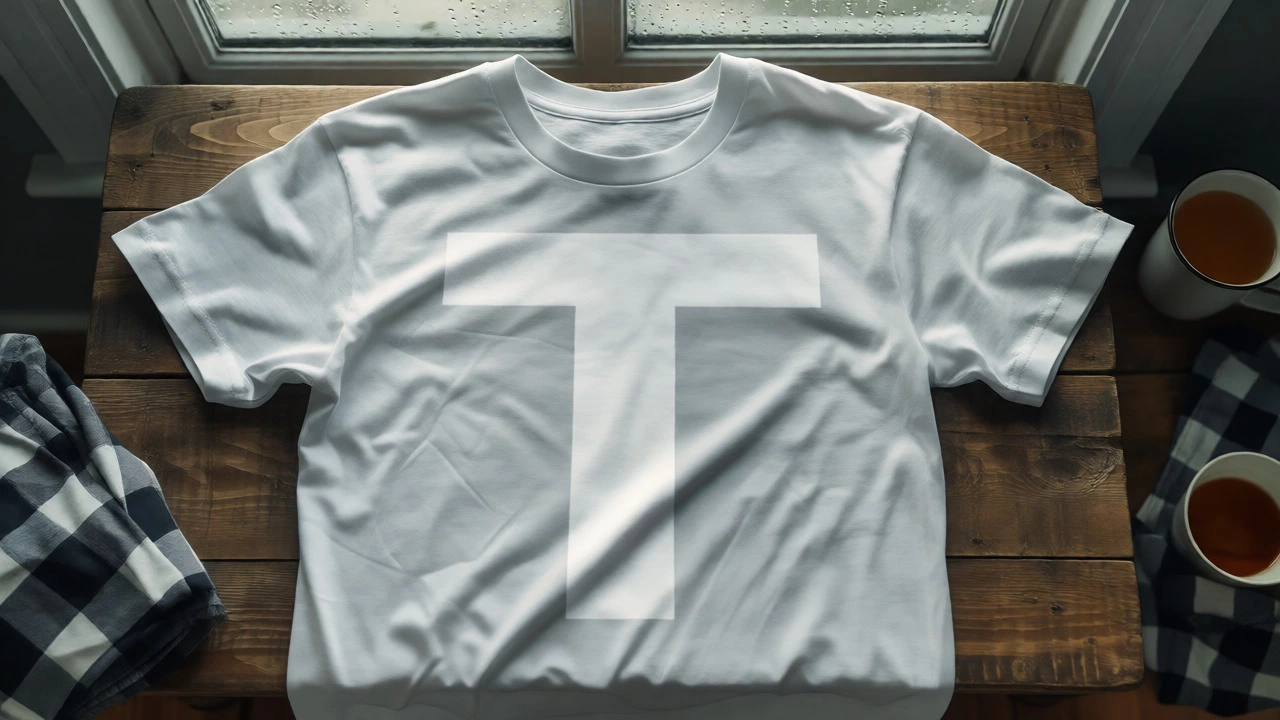
Let’s cut through the noise. The name comes from the shape of the garment itself. When you lay a classic short-sleeved tee flat on your bed, look at the silhouette. You have a horizontal line formed by the sleeves and shoulders, intersected by a vertical line formed by the body of the shirt. That intersection creates a perfect capital 'T'. There’s no hidden acronym here-no "Textile Shirt" or "Thermal Top." It’s purely descriptive geometry.
This might seem obvious now, but back in the early 20th century, undergarments looked very different. Men wore union suits or long johns with buttons down the front. The introduction of the pullover style was a massive shift in convenience. If you’ve ever tried to change quickly during a break at a construction site in Cork or a busy kitchen in Galway, you appreciate why the simple pull-over design won out. The 'T' shape wasn’t just a name; it was a revolution in ease of use.
Military Roots: From Underwear to Outerwear
To understand why we wear these outside, we need to look at the US Navy. In 1913, the US government approved the crew-neck undershirt for naval personnel. Sailors needed something breathable for hot climates but warm enough for cooler decks. The traditional wool uniforms were itchy and heavy. The new cotton tees were lighter and easier to wash.
But they weren’t meant to be seen. For decades, showing your underwear was a social faux pas. Imagine walking into a pub in Temple Bar wearing just your vest in the 1920s-you’d get odd looks. The shift happened gradually. During World War II, soldiers wore them under their uniforms. When the war ended, many veterans kept wearing them as casual wear because they were comfortable and cheap. This transition from private undergarment to public casual wear is the key moment in T-shirt history.
Hollywood’s Role in Making the Tee Cool
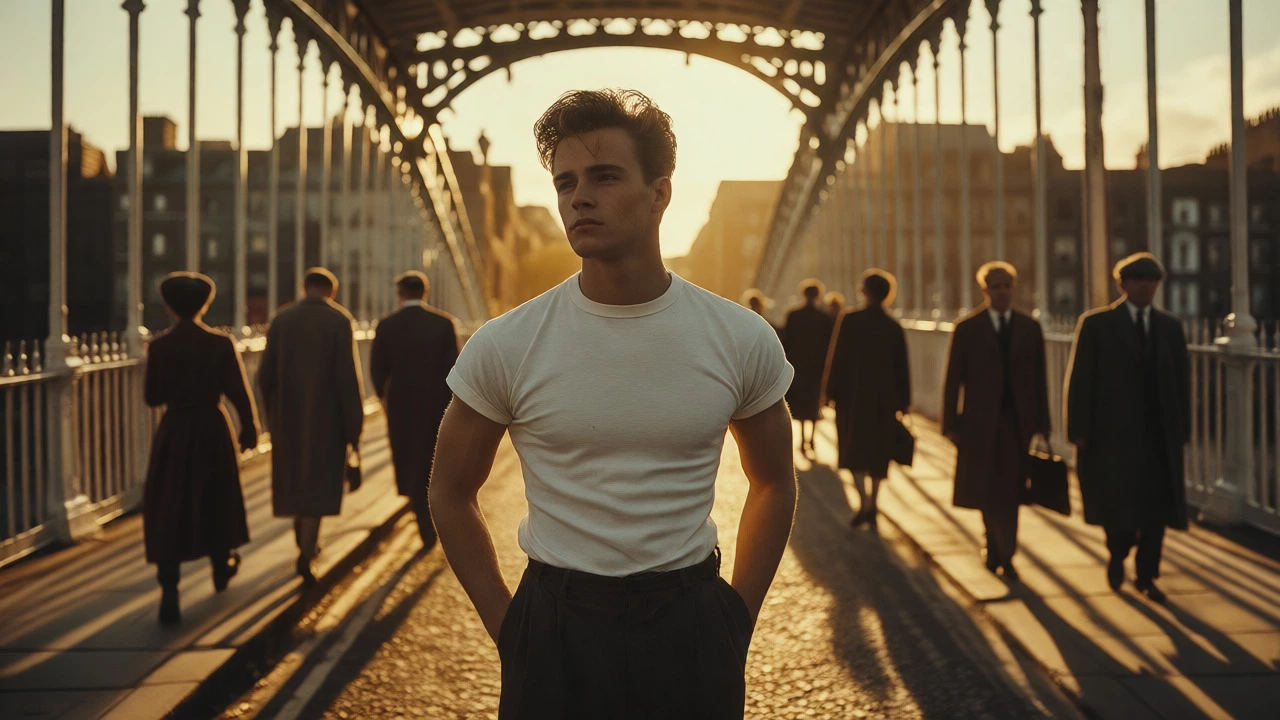
If the military created the utility, Hollywood sold the attitude. Two films changed everything in the 1950s. First, Marlon Brando in A Streetcar Named Desire (1951) wore a tight white tee. It highlighted his physique and made the shirt look rebellious. Then came James Dean in Rebel Without a Cause (1955). Suddenly, the T-shirt wasn’t just for workers or sailors; it was for cool kids who didn’t care about rules.
In Ireland, this cultural wave hit hard. Think about the rise of youth culture in the late 50s and 60s. Young people in Dublin and Belfast started adopting American styles. The T-shirt became a canvas for identity. Instead of stiff collars, you had freedom. Today, when you see teenagers in Grafton Street wearing oversized tees, they’re participating in a tradition started by Dean and Brando. It’s a symbol of relaxed confidence.
The Rise of Graphic Tees and Irish Identity
Once the blank canvas was established, people started painting on it. Screen printing technology allowed for mass production of designs. By the 1970s and 80s, band merch became huge. In Ireland, this coincided with the explosion of our own music scene. Bands like U2, The Cranberries, and later Fontaines D.C., turned T-shirts into wearable albums.
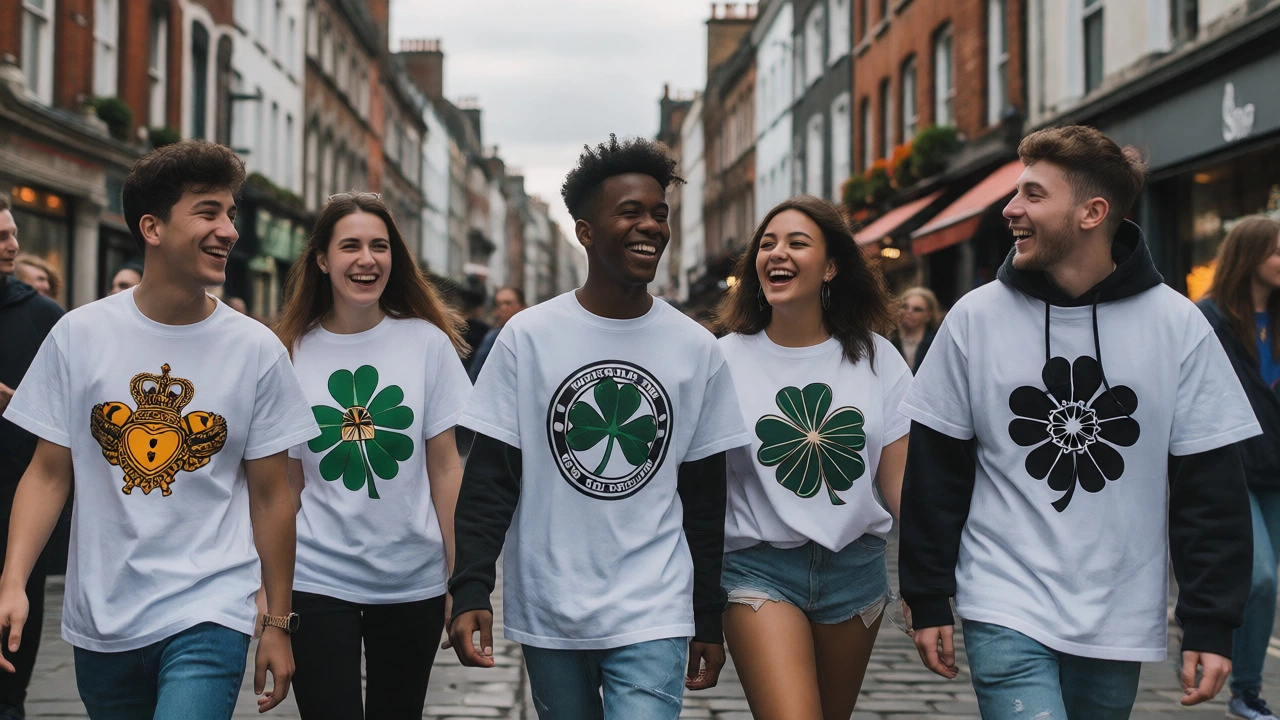
Local pride also found its way onto the fabric. You’ll see tees featuring the Claddagh ring, shamrocks, or references to local landmarks like Blarney Castle or the Giant’s Causeway. These aren’t just souvenirs; they’re statements of belonging. For expats living in London or New York, an Irish graphic tee is a quick way to signal home. For locals, it’s a nod to heritage without being overly formal.
Primark, headquartered in Dublin, plays a massive role here. They democratized fashion, making trendy tees accessible to everyone. Before Primark, getting a stylish printed tee could be expensive. Now, you can find current trends for under €10. This accessibility has cemented the T-shirt as the most democratic piece of clothing in the country.
Choosing the Right Tee for Irish Weather
Ireland’s weather is unpredictable. One minute it’s sunny, the next it’s raining sideways. Your choice of T-shirt matters more than you think. Here’s how to pick the right one for the Irish climate:
- Cotton Weight: Look for mid-weight cotton (180-200 GSM). Too thin, and it becomes transparent when wet from drizzle. Too thick, and you’ll overheat indoors.
- Layering: The T-shirt is the ultimate base layer. Pair it with a flannel or a lightweight hoodie. Brands like Dubarry often recommend moisture-wicking blends for active days, but pure cotton remains king for comfort.
- Fit: Avoid overly tight fits if you plan to move around. Relaxed fits allow air circulation, which helps regulate temperature when the sun briefly breaks through the clouds.
Don’t underestimate the power of a good white tee. In Dublin, where grey skies are common, a crisp white shirt brightens up any outfit. It pairs well with dark denim or chinos. Just remember: white shows dirt easily. Keep a spare in your bag if you’re working outdoors or eating messy food!
Modern Variations: Beyond the Classic Crew Neck
While the classic crew neck remains popular, other styles have taken over specific niches. V-necks fell out of favor for a while but are making a comeback in smart-casual settings. Henleys, with their buttoned plackets, offer a slightly dressier look suitable for a night out in Cork city.
Oversized tees dominate streetwear scenes in Dublin and Belfast. Influenced by hip-hop culture and high-fashion runways, these loose-fitting shirts prioritize comfort and aesthetic over structure. They work perfectly with skinny jeans or cargo pants. Conversely, fitted tees remain popular among athletes and those who prefer a tailored silhouette.
Eco-consciousness is also shaping the market. Many Irish consumers now seek organic cotton or recycled materials. Brands like Pact and local startups are responding to this demand. Buying sustainable means supporting ethical farming practices, often visible in certifications like GOTS (Global Organic Textile Standard).
How to Care for Your T-Shirts
T-shirts are durable, but they fade and shrink if mistreated. Here’s a quick guide to keeping them fresh:
- Wash Cold: Use cold water to prevent shrinking and color bleeding. Hot water damages fibers faster.
- Turn Inside Out: This protects prints from abrasion against other clothes. Essential for graphic tees.
- Air Dry: Tumble dryers are harsh on cotton. Hang dry instead. In Ireland, indoor drying racks are your best friend during rainy months.
- Iron Carefully: If ironing, do so inside out to avoid shiny marks on the fabric surface.
Following these steps extends the life of your wardrobe. Given the cost-of-living pressures in Ireland, making clothes last longer saves money. A €15 tee that lasts three years is better value than a €5 tee that falls apart after five washes.
Frequently Asked Questions
Does the T stand for anything specific?
No, it does not stand for an acronym like "Textile" or "Thermal." The name derives entirely from the visual shape of the garment when laid flat, which resembles the capital letter 'T' due to the perpendicular alignment of the sleeves and torso.
When did T-shirts become popular in Ireland?
They gained mainstream popularity in the 1950s and 60s, influenced by American media and returning emigrants. By the 1970s, they were ubiquitous across all social classes in Ireland, aided by the growth of retail chains offering affordable options.
What is the best fabric for Irish weather?
Mid-weight cotton (180-200 GSM) is ideal. It breathes well but isn't too thin to feel chilly in damp conditions. Cotton blends with polyester can offer quicker drying times, useful during frequent showers.
Why are white T-shirts considered versatile?
White reflects light, contrasting with darker outer layers common in European fashion. It pairs with any color and serves as a neutral base, making it easy to integrate into both casual and semi-formal outfits.
How do I stop my T-shirt from shrinking?
Always wash in cold water and avoid high heat in the dryer. Air drying is the safest method. Pre-shrunk cotton labels help, but care instructions still matter significantly for longevity.