Mexican Footwear Vocabulary Explorer
Explore how Mexicans refer to different types of footwear depending on region and context.
Term Explorer
Question 1 of 3
Loading question...
Quiz Complete!
If you are wondering what do Mexicans call a slipper, the answer isn't just one word-it depends entirely on where you are standing in Mexico and what kind of shoe you mean. For many people here in Ireland, used to our specific dialects and local slang, the idea that "slipper" could have half a dozen different names might seem confusing. But in Mexico, language shifts as quickly as the weather changes from the humid coast to the dry highlands.
This guide breaks down exactly how Mexicans refer to indoor slippers, outdoor sandals, and everything in between. We will look at why context matters more than dictionary definitions, and how understanding these terms can help if you are planning a trip to Cancun or buying imported goods in Dublin.
The Big Word: Chanclas
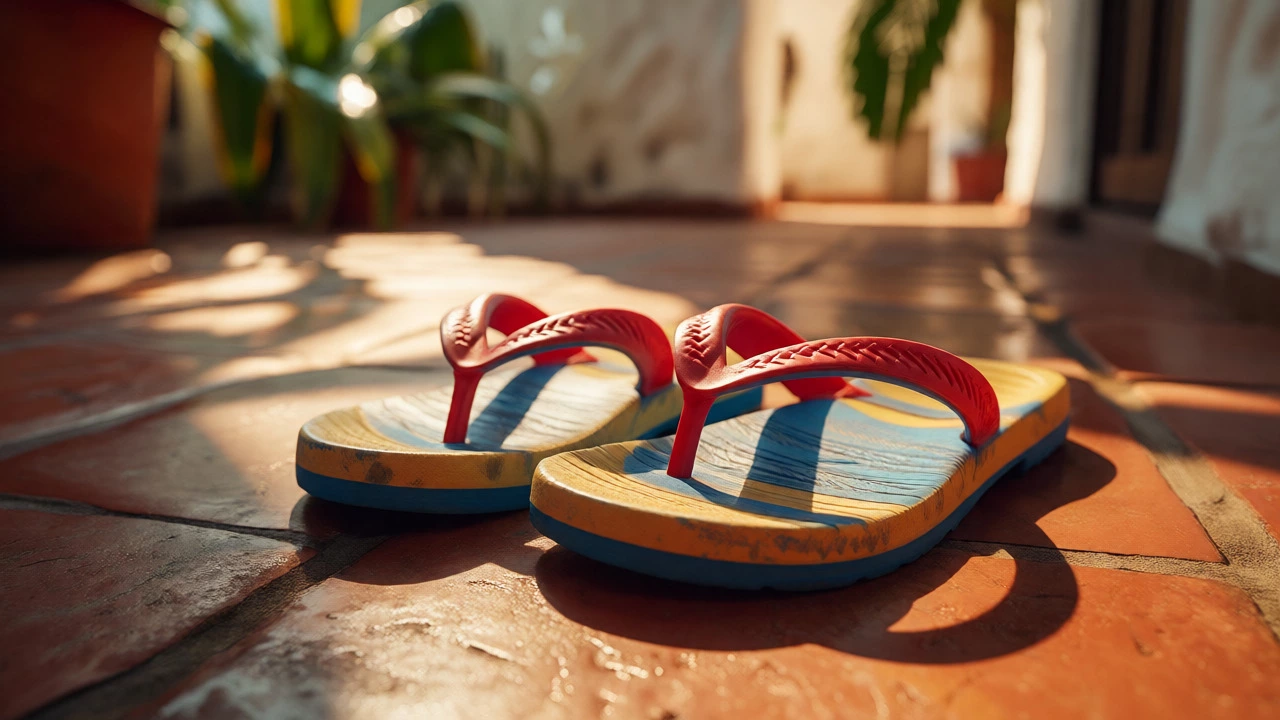
If you ask an average person in Mexico City or Guadalajara what they wear on their feet around the house, they will likely say chanclas. This is the most universal term for what we might loosely call slippers or flip-flops. The word comes from the Spanish verb chancar, which roughly means to trample or step heavily, though its etymology is debated among linguists.
In everyday Mexican Spanish, chanclas covers a wide range of footwear. It includes:
- Plastic flip-flops worn at the beach.
- Soft fabric slippers worn indoors.
- Even some casual sandals with straps.
It is a catch-all term. If you walk into a shop in Oaxaca and ask for chanclas, the shopkeeper will show you everything from cheap plastic thongs to cozy wool-lined house shoes. This broad usage is quite different from Ireland, where we strictly separate "slippers" (indoor) from "sandals" or "flip-flops" (outdoor). In Mexico, the line is blurrier.
Huaraches: The Traditional Footwear
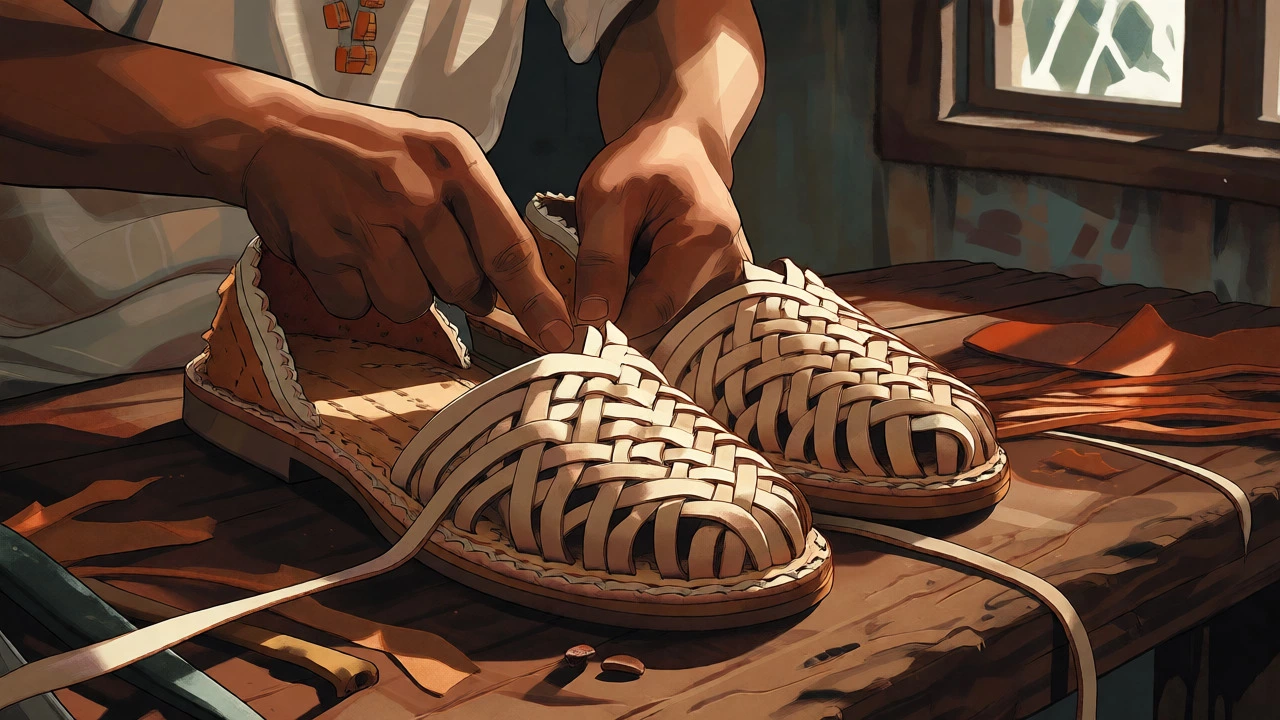
When people think of traditional Mexican footwear, they often picture huaraches. These are not slippers in the modern sense, but they are frequently confused with them by tourists. Huaraches are open-toed sandals made from woven leather strips over a sole. They originated with indigenous communities, particularly the Purépecha people in the state of Michoacán.
While chanclas implies something casual or disposable, huaraches carry cultural weight. They are artisanal, durable, and often handcrafted. You won't typically wear huaraches as indoor slippers unless you live in a very warm climate like Acapulco. However, because they are open and light, some foreigners mistakenly label them as slippers. If you are shopping for authentic Mexican crafts in markets like La Mercado de la Merced in Mexico City, you are looking for huaraches, not chanclas.
Regional Variations: Pantuflas vs. Chinelas
Just as we have regional accents in Ireland-from Cork to Galway-Mexico has distinct regional vocabulary for footwear. Two common words you might encounter are pantuflas and chinelas.
Pantuflas is closer to the English concept of a soft, enclosed slipper. It usually refers to padded shoes worn inside the home to keep feet warm. You might see this term used more frequently in northern Mexico, near the US border, where the winters can get chilly enough to warrant thick socks and warm shoes indoors. In contrast, chinelas is an older term, still used in some rural areas and central regions, but it sounds slightly formal or old-fashioned to younger urbanites.
| Term | Primary Meaning | Typical Context | Irish Equivalent |
|---|---|---|---|
| Chanclas | Casual open footwear | Beach, home, street | Flip-flops / Slippers |
| Huaraches | Woven leather sandals | Cultural events, summer wear | Artisan sandals |
| Pantuflas | Soft, closed indoor shoes | Home, cold climates | House slippers |
| Zapatillas | Sneakers or light shoes | Gym, school, casual | Trainers / Sneakers |
Why Context Matters More Than Translation
Language is living, and Mexican Spanish is no exception. If you try to translate "slipper" directly using an online dictionary, you might get zapatilla. But be careful. In most of Latin America, including Mexico, zapatillas usually means sneakers or athletic shoes. If you tell your host in Monterrey that you forgot your zapatillas, they might hand you a pair of running shoes instead of your bedroom slippers.
This confusion happens because English distinguishes sharply between indoor comfort and outdoor utility. Mexican Spanish prioritizes function and formality less rigidly. A pair of clean flip-flops (chanclas) might be acceptable for a quick trip to the corner store, whereas in Ireland, we might feel underdressed leaving the house in slippers alone. Understanding this cultural nuance helps you navigate social situations better.
Buying Mexican-Style Footwear in Ireland
You don't need to fly to Mexico City to experience these styles. Here in Ireland, especially in cities like Dublin and Cork, there is a growing market for imported Latin American goods. You might find huaraches in boutique shops along Grafton Street or in vintage stores in Temple Bar. However, when shopping locally, stick to English terms to avoid confusion.
If you are importing goods or dealing with suppliers, knowing the correct Spanish terms can save you headaches. For example, if you order "slippers" from a Mexican manufacturer, specify whether you want chanclas (open) or pantuflas (closed). Miscommunication here could lead to receiving a crate of beach flip-flops when you wanted winter house shoes.
Cultural Etiquette: When to Wear What
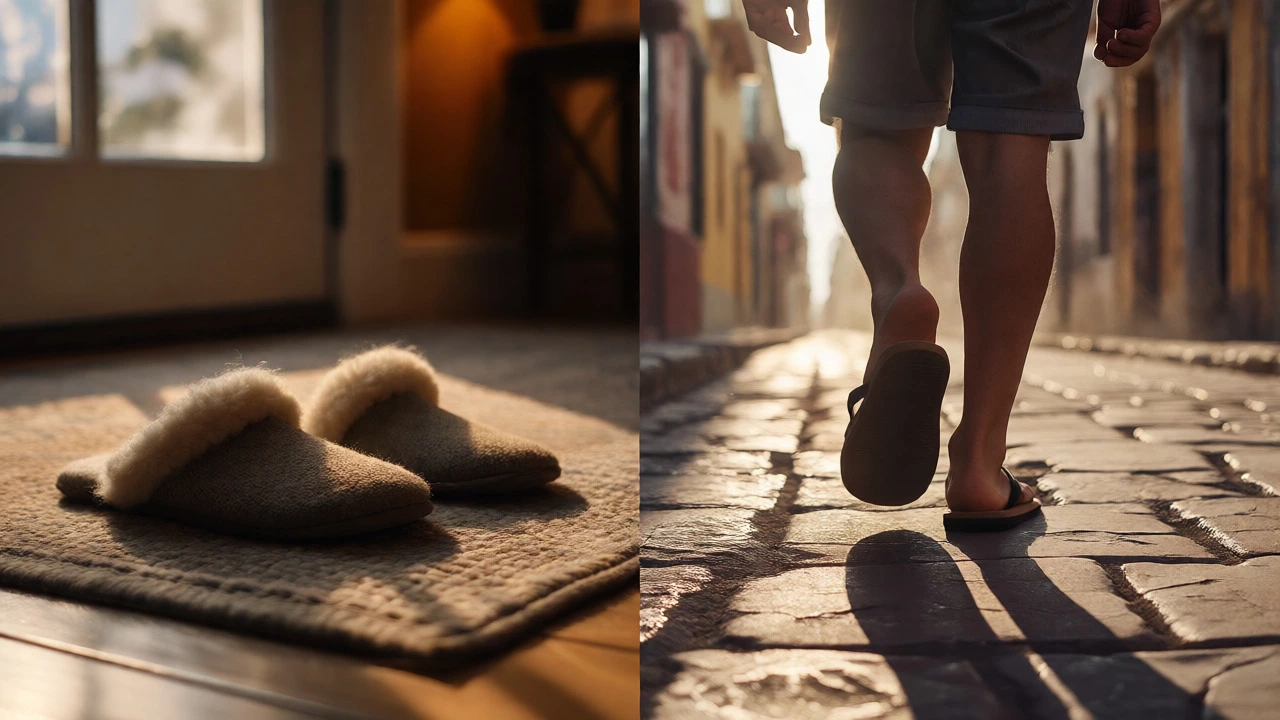
In Mexico, wearing shoes indoors is generally frowned upon, similar to customs in parts of Asia. Guests are expected to remove their outdoor shoes at the door. This is where chanclas or pantuflas come in handy. Hosts often provide a rack of guest slippers near the entrance.
Compare this to Ireland, where removing shoes is becoming more common but isn't yet a strict rule in every home. In Mexico, walking onto a tiled floor with muddy boots is considered rude. So, if you are visiting a Mexican family's home, bring a clean pair of indoor socks or ask if you should wear your own chanclas. It shows respect for their cleanliness standards.
The Influence of English on Mexican Spanish
Near the US border, you might hear Spanglish terms creeping in. Words like "slippers" themselves are sometimes used as loanwords, pronounced eslipers. Younger generations in Tijuana or Juarez might mix English and Spanish freely. However, in central and southern Mexico, traditional terms like chanclas remain dominant. This linguistic diversity reflects Mexico's complex relationship with its northern neighbor, much like how Irish English borrows from both British English and the Irish language (Gaeilge).
Practical Tips for Travelers and Shoppers
If you are planning a trip to Mexico, pack wisely. Don't assume your Irish rain boots will work well on hot pavement. Instead, pack versatile chanclas-style footwear that can handle both the shower block and the beach. If you are buying souvenirs, remember that huaraches are best bought from certified artisans to ensure quality and support local economies.
For those interested in the linguistic side, listening to Mexican podcasts or watching telenovelas can help you pick up the natural flow of these terms. Notice how characters switch between chanclas and zapatillas depending on whether they are going out or staying in. It’s a subtle cue that native speakers understand instantly, even if textbooks don’t explain it clearly.
Is "chanclas" offensive?
No, "chanclas" is a neutral, standard term for flip-flops or casual slippers. It is used in polite company, news reports, and advertising across Mexico.
Can I wear huaraches indoors?
Technically yes, but they are designed for outdoor use. Indoors, they might be too hard-soled or noisy compared to soft pantuflas. Most Mexicans change into softer footwear when entering a home.
Do all Mexicans speak the same Spanish?
No. There are significant regional differences. Northern Mexico has stronger English influences, while Southern Mexico retains more indigenous vocabulary. Terms for footwear can vary by state.
What is the difference between chanclas and sandalias?
Chanclas are typically simple flip-flops with a Y-shaped strap. Sandalias are more structured sandals with multiple straps, buckles, or ankle support. Sandalias are often dressed up; chanclas are for casual or wet environments.
Are huaraches expensive?
Prices vary widely. Mass-produced versions are cheap, but authentic hand-woven huaraches from Michoacán can cost significantly more due to the labor-intensive craft involved.