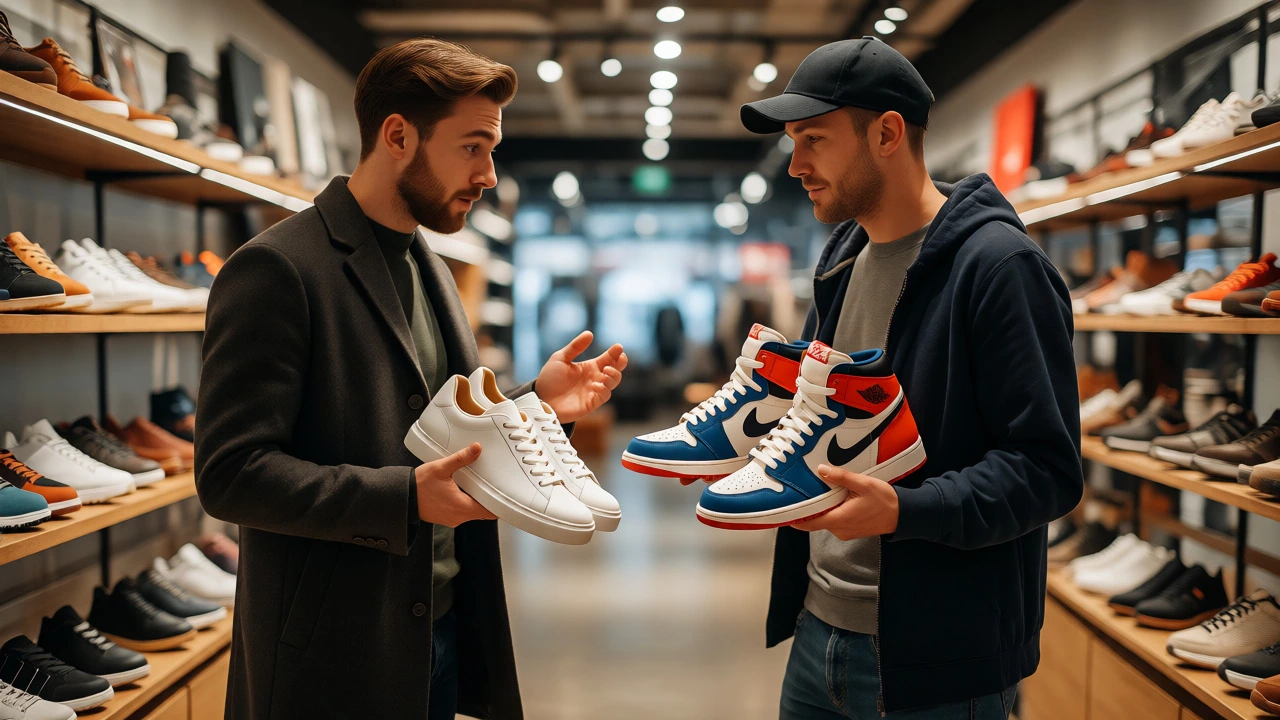
Footwear Translator & Shopping Guide
Confused by shoe names? Use this tool to translate common footwear terms between Irish/British English and American English, or find the best search keywords for your next online purchase.
Shopping on a US site (like Nike.com) but looking for "Trainers"? Or browsing an Irish site for "Sneakers"? This tool helps you choose the right keywords for better SEO and product visibility.
If you’ve ever stood in a shop in Dublin or Cork trying to explain what you wanted to an American tourist, you might have hit a wall. You ask for trainers, and they look at you blankly until you mention "sneakers." This linguistic gap isn’t just about vocabulary; it’s about how different cultures interact with footwear. For those of us in Ireland, the word "trainers" is second nature. It’s what we wear to school, to the gym, and increasingly, to the office. But across the Atlantic, that same item has a completely different name. Understanding this difference helps not just when traveling, but when shopping online from US-based brands or reading international fashion blogs.
The Core Difference: Sneakers vs. Trainers
Sneakers are the standard term used in the United States for athletic shoes designed for sports or everyday casual wear. The name comes from the fact that the rubber soles allowed people to move quietly, or "sneak" around. In contrast, Trainers is the preferred term in Ireland, the UK, Australia, and New Zealand. The word derives from "training," emphasizing the shoe's original purpose for physical exercise. While both terms refer to the same category of footwear-low-top shoes with flexible soles-the cultural associations differ slightly. In the US, "sneakers" can sometimes imply a more casual, non-athletic use, whereas "trainers" in Ireland strongly implies functionality for sport, even if you’re just wearing them to grab a coffee on Grafton Street.
| Term | Primary Region | Common Usage Context | Etyymology Origin |
|---|---|---|---|
| Sneakers | United States, Canada | Casual wear, running, basketball | To sneak (move quietly) |
| Trainers | Ireland, UK, Australia | Gym, sports, daily casual | To train (exercise) |
| Plimsolls | UK (older usage), parts of Ireland | Basic canvas shoes, PE lessons | Waterproof line resembling a plimsoll mark |
| Runners | Ireland, UK | Specifically for jogging/running | Activity based |
Why Does This Terminology Gap Exist?
Language evolves differently in isolated communities. The split between American and British English began in the 18th and 19th centuries, but shoe terminology solidified later. In the early 20th century, Keds introduced the first mass-produced rubber-soled shoes in the US, marketing them as "sneakers." Meanwhile, in Britain and its former colonies like Ireland, the focus remained on their utility for training exercises in schools and sports clubs. This created two parallel naming conventions that persist today. If you order from a US site like Nike.com (US version) versus Nike.ie, you’ll see this reflected in the navigation menus. One says "Sneakers," the other says "Shoes" or "Training."
Shopping Online: Navigating US vs. Irish Sites
For Irish shoppers, this distinction matters when buying from international retailers. Many global brands maintain separate websites for North America and Europe. If you’re browsing a US-based retailer, searching for "trainers" might yield poor results because their inventory system tags these products under "Athletic Shoes," "Running Shoes," or simply "Sneakers." Conversely, if you’re an American visiting Ireland and looking for comfortable walking shoes, asking for "sneakers" might get you confused looks in a local independent store, though major chains like Brown Thomas or Arnotts will understand you perfectly.
A practical tip for Irish consumers: When using price comparison tools or Google Shopping, try adding synonyms to your search. If you’re looking for a specific pair of Adidas Ultraboosts, searching "Adidas Ultraboost sneakers" might pull up US stockists, while "Adidas Ultraboost trainers" focuses on European suppliers. Prices often vary due to currency exchange rates and shipping costs, so checking both terms can sometimes reveal better deals, especially during Black Friday sales which have become huge events here in Ireland too.
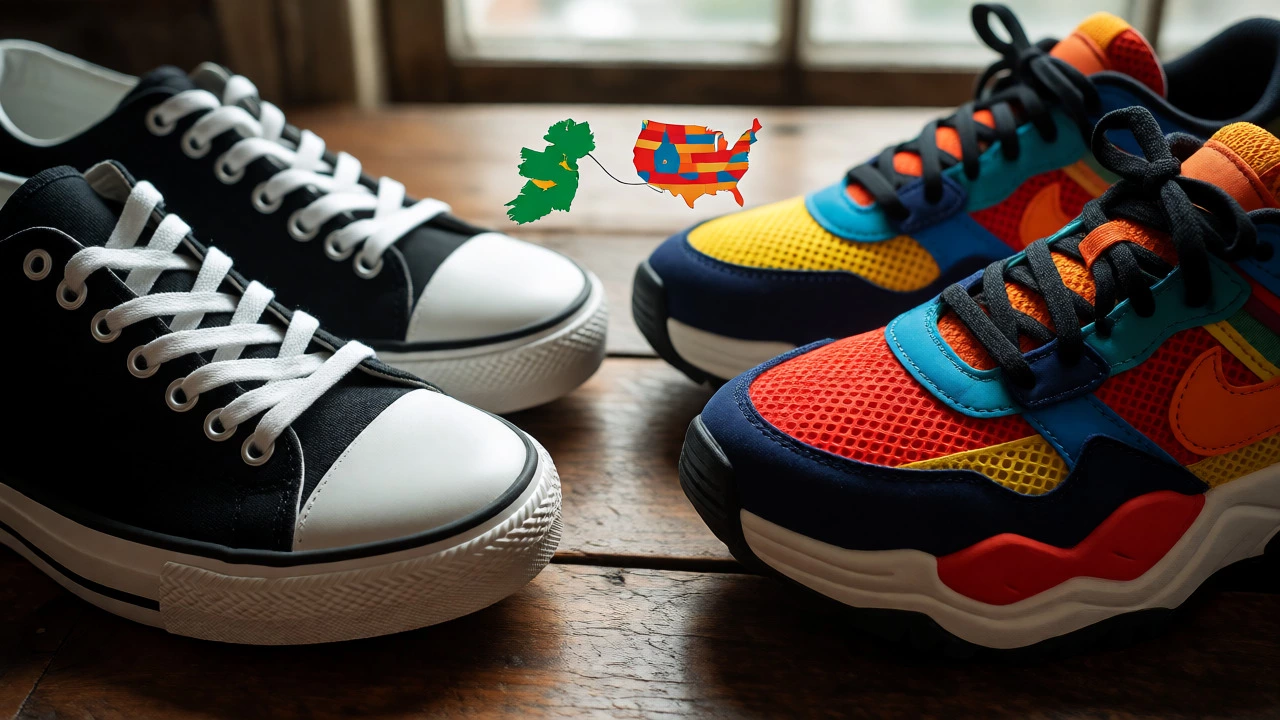
Regional Nuances Within Ireland
While "trainers" is the dominant term across Ireland, there are subtle regional variations. In some older generations or rural areas, you might still hear "tennis shoes" or "plimsolls" for basic canvas footwear. However, among younger demographics in cities like Galway, Limerick, and Belfast, "sneakers" is gaining traction due to the influence of American hip-hop culture and social media platforms like TikTok and Instagram. Brands like Jordan and Yeezy are marketed globally as "sneakers," and Irish hypebeasts often adopt the American terminology to align with global sneakerhead culture.
It’s also worth noting the rise of "runners" as a distinct sub-category. In Ireland, if you go to a specialist store like Sports Direct or a dedicated running shop, staff will likely ask if you need "runners" specifically. This distinguishes performance-oriented gear from lifestyle trainers. An American might call both "sneakers," but an Irish runner knows the difference between a cushioned Hoka Clifton (a runner) and a stylish New Balance 550 (a trainer/lifestyle shoe).
Cultural Impact: From School Uniforms to Streetwear
In Ireland, trainers have transcended their athletic origins. They are a staple of the school uniform policy debate, with many secondary schools now allowing branded trainers instead of traditional black leather shoes. This shift mirrors trends seen in the US, where sneakers dominate youth culture. However, the social context differs. In the US, wearing high-end sneakers to a formal event is becoming more acceptable, whereas in Ireland, there remains a stricter dress code divide between "smart" shoes and "casual" trainers, particularly in professional settings in Dublin’s financial district.
The sneaker resale market has exploded in Ireland recently. Platforms like StockX and GOAT operate globally, but local Facebook groups for sneaker trading in Dublin and Cork are booming. Here, the language blends. Sellers might list items as "Nike Dunks - Rare Colorway" without specifying trainers or sneakers, relying on the model name itself to convey value. This universality suggests that while the words differ, the passion for the product is identical.

Other Common Shoe Terms Confused Across Borders
The confusion doesn’t stop at trainers. Several other shoe types suffer from similar naming clashes. If you’re moving between the US and Ireland, watch out for these:
- Flats vs. Ballerinas: What Americans call flats, Irish women often call ballet pumps or ballerinas.
- Wellies vs. Rain Boots: In Ireland, waterproof rubber boots are universally known as wellingtons or "wellies." Americans call them rain boots.
- Jandals vs. Flip-flops: While "flip-flops" is common everywhere, "jandals" is a term occasionally heard in travel contexts influenced by Australia/New Zealand, though less common in Ireland than in the Southern Hemisphere.
- Loafers: This term is consistent, but the styles vary. American loafers often feature tassels or penny slots, while Irish fashion tends toward minimalist designs.
How to Bridge the Gap When Traveling
If you’re planning a trip to the US, adjust your vocabulary. Pack your "trainers" but be prepared to buy new ones labeled as "sneakers." Visit iconic stores like Foot Locker or Finish Line, and you’ll see signs for "Men’s Sneakers" rather than "Men’s Trainers." Conversely, if hosting American friends in Ireland, offer to show them around St. Stephen’s Green in your most comfortable runners. They’ll appreciate the comfort, even if they call them tennis shoes.
For businesses operating in both markets, localization is key. An e-commerce site targeting Irish customers should use "Trainers" in its main navigation to boost SEO relevance locally. Using "Sneakers" might alienate older demographics who associate the word with purely athletic gear, missing out on the lifestyle market. Conversely, a brand aiming for a youthful, global image might lean into "Sneakers" to tap into the hypebeast trend.
The Future of Footwear Language
Will one term win out? Unlikely. The internet has homogenized much of our language, yet regional identities remain strong. As Irish fashion continues to gain international recognition, designers like Simone Rocha or brands emerging from Dublin’s creative hubs may influence global trends, potentially exporting the word "trainers" alongside the aesthetic. Until then, knowing both terms is essential for any modern shopper. Whether you call them sneakers, trainers, runners, or kicks, the important thing is that they fit comfortably and suit your style.
Do Americans understand the word trainers?
Most Americans will understand "trainers" if you point to athletic shoes, but they won't use the term themselves. They might think you mean shoes for a specific type of training or confuse it with track spikes. Using "sneakers" or "athletic shoes" ensures immediate clarity.
Is there a difference in quality between US and Irish trainers?
No, the quality is generally identical as major brands like Nike, Adidas, and Puma produce global lines. However, sizing can differ. US sizes are typically half a size larger than UK/EU sizes. Always check the conversion chart when ordering internationally.
Why do Irish people say trainers instead of sneakers?
Ireland follows British English conventions for footwear. The term "trainer" originated in the UK in the late 19th/early 20th century, referring to shoes used for training. This linguistic tradition persisted through colonial ties and shared media consumption patterns.
Can I wear trainers to work in Ireland?
Yes, workplace dress codes have relaxed significantly. Clean, minimalist white or black trainers are widely accepted in tech, creative, and many corporate sectors in Dublin and Cork. However, conservative industries like law or finance may still require leather shoes.
What are "runners" in Ireland?
"Runners" is a colloquial Irish/British term specifically for shoes designed for jogging or running. While Americans might call them running shoes or sneakers, Irish speakers distinguish between general "trainers" (for casual wear) and "runners" (for performance activity).