Irish Sportswear Layering Guide
Select your conditions below to generate a personalized outfit recommendation based on the article's guidelines.
Recommended System
Select options and click 'Get Outfit Plan' to see recommendations.
Walk down any high street in Dublin, from Grafton Street to the bustling markets of Temple Bar, or head out to a local park like Phoenix Park on a damp Tuesday morning, and you’ll see a distinct shift in how people dress. It’s not just about looking good; it’s about surviving the elements while staying active. But when we ask what constitutes sportswear, the answer is rarely as simple as 'a t-shirt and shorts.' In Ireland, where the weather can swing from sunshine to sleet in ten minutes, sportswear is a complex layering system designed for function, durability, and comfort.
The definition has evolved significantly over the last decade. We’ve moved away from cotton-heavy gym kits that stay wet and cold toward technical, moisture-wicking fabrics. For the Irish consumer, understanding these materials isn't just a fashion choice-it's a necessity for everything from a quick jog along the Liffey to a full-day hike in the Wicklow Mountains.
The Core Definition: Function Over Fashion
At its heart, sportswear-often called activewear-is clothing designed specifically for physical activity. Unlike everyday casual wear, which prioritizes aesthetics or social norms, sportswear prioritizes performance. This means the fabric must manage sweat, allow for a full range of motion, and often provide protection against environmental factors like wind and rain.
In the context of the Irish market, this definition expands to include weather resilience. A piece of sportswear that works perfectly in a heated indoor gym might fail miserably during an outdoor run in Galway if it doesn’t handle humidity. Therefore, true sportswear consists of three main components: base layers for moisture management, mid-layers for insulation, and outer shells for weather protection.
| Feature | Sportswear (Activewear) | Casual Wear |
|---|---|---|
| Fabric Type | Synthetic blends (Polyester, Nylon), Merino Wool | Cotton, Linen, Denim |
| Moisture Management | Wicks sweat away from skin | Absorbs moisture (stays wet) |
| Fit | Compression or articulated for movement | Relaxed or structured |
| Durability | Reinforced stitching, abrasion-resistant | Standard construction |
The Fabric Science: Why Cotton is the Enemy
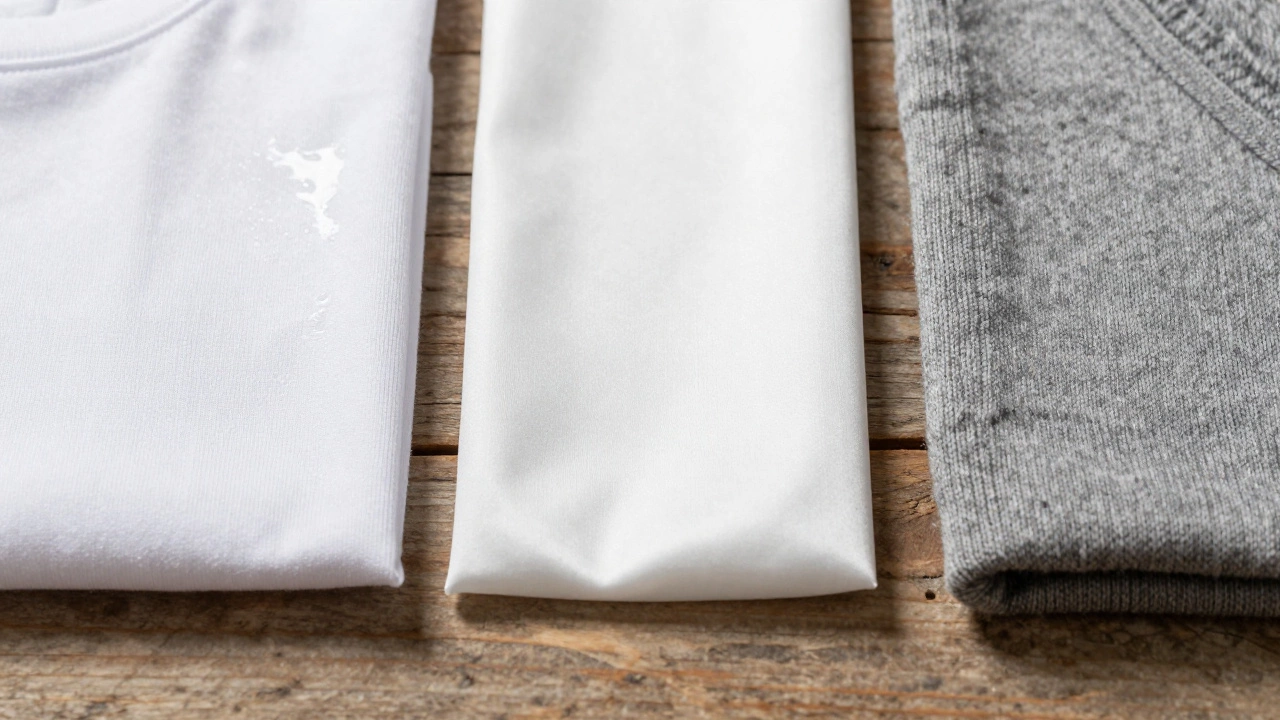
If there is one rule in Irish sportswear, it is this: avoid cotton. While cotton is comfortable for sitting on a sofa, it is disastrous for exercise. Cotton absorbs water and holds it against your skin. In Ireland’s cool, damp climate, wearing a cotton t-shirt during a workout leads to rapid heat loss once you stop moving. This is known as evaporative cooling, and it can leave you shivering long after your session ends.
Instead, modern sportswear relies on synthetic fibers. Polyester is the most common. It is lightweight, durable, and dries quickly. High-quality polyester blends are engineered to pull sweat from your body to the outer surface of the fabric, where it can evaporate. Nylon is another key player, often used in leggings and compression gear because of its elasticity and strength. It provides support without restricting movement, which is crucial for activities like yoga or high-intensity interval training (HIIT).
For those who dislike synthetics, Merino wool has become a popular alternative in Ireland. Unlike sheep’s wool you’d find in a heavy winter coat, merino is fine, soft, and naturally odor-resistant. It regulates temperature incredibly well, keeping you warm when you’re cold and cool when you’re hot. Many Irish hikers prefer merino base layers for their weekend treks in the Dingle Peninsula because they don’t smell after multiple wears and perform well in wet conditions.
Layering for the Irish Weather
The concept of "what constitutes sportswear" changes depending on the season. In Ireland, we don’t have four distinct seasons; we have four weeks of summer and eight months of mild unpredictability. This requires a modular approach to dressing.
- The Base Layer: This sits directly against your skin. Its job is to keep you dry. Look for terms like "moisture-wicking" or "hydrophilic." For summer runs in Cork or Kerry, a lightweight singlet works. For winter training in Donegal, a thermal merino top is essential.
- The Mid Layer: This provides insulation. Fleece jackets or light thermal vests fall into this category. They trap body heat but still allow breathability so you don’t overheat during exertion.
- The Outer Shell: This is your defense against wind and rain. A good waterproof jacket with taped seams is non-negotiable for outdoor sports in Ireland. Brands like The North Face or local favorites often feature Gore-Tex or similar membranes that block water vapor while letting sweat escape.
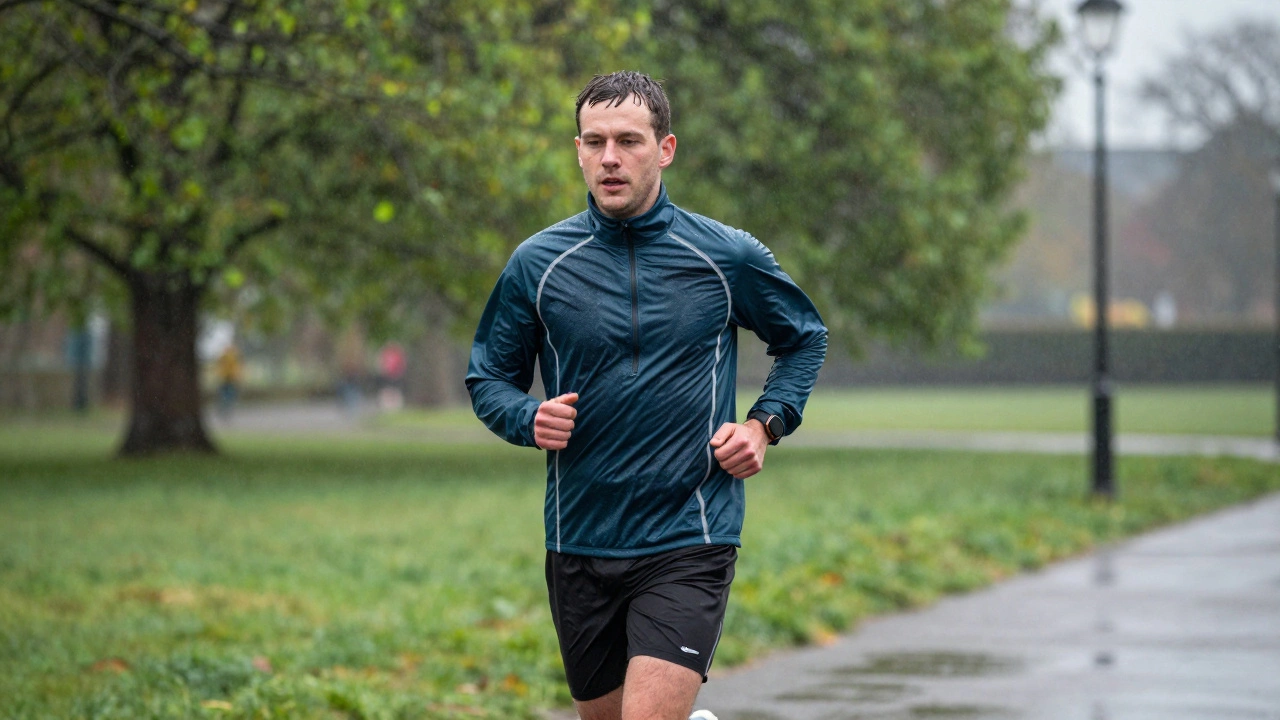
This layering system allows you to adapt. You can start a run in a T-shirt and add a shell as the wind picks up off the coast. It’s a practical strategy that defines functional sportswear in our climate.
GAA Gear: The Unique Irish Category
You cannot discuss sportswear in Ireland without mentioning Gaelic Athletic Association (GAA) gear. GAA sports-Hurling, Gaelic Football, Camogie, and Handball-are deeply embedded in Irish culture. The sportswear for these activities is distinct from generic athletic wear.
GAA jerseys are typically made from breathable mesh panels to handle the intense cardio demands of the game. They are loose-fitting to allow for throwing, catching, and striking with a hurley or hand. The shorts are longer than typical basketball shorts, offering more coverage and freedom of movement. Additionally, protective gear is part of the ensemble. Mouthguards, helmets (for hurling and camogie), and shin guards are standard. The aesthetic is also specific, with club colors taking precedence over brand logos, reflecting the strong community ties in towns and villages across the country.
For many young athletes in Ireland, buying their first set of GAA gear is a rite of passage. It’s not just about performance; it’s about identity. This cultural aspect adds a layer of meaning to what constitutes sportswear here that you won’t find in other markets.
Trail Running and Outdoor Pursuits
Ireland’s rugged landscape makes trail running and hiking popular activities. The terrain varies from rocky cliffs in County Clare to boggy trails in Connemara. Sportswear for these activities needs extra durability.
Trail running shoes differ from road runners by having aggressive tread patterns for grip on mud and rocks. The uppers are often reinforced to protect feet from debris. Clothing choices also shift towards abrasion-resistant fabrics. Zip-off trousers are a favorite among Irish hikers, allowing them to convert pants into shorts if the sun comes out-a rare but cherished event. Reflective elements are also critical. With shorter days in winter, visibility is a safety issue. Many technical jackets now include reflective piping or logos to ensure runners are seen by drivers on rural roads.

The Rise of Athleisure
In recent years, the line between sportswear and everyday clothing has blurred. This trend, known as athleisure, sees people wearing leggings, hoodies, and trainers to work, shops, and social events. In cities like Dublin and Cork, it’s common to see commuters dressed in high-end activewear brands like Lululemon or Nike.
While this is convenient, it’s important to distinguish between true performance sportswear and fashion-led athleisure. Not all leggings are created equal. Some are made from thinner, less supportive fabrics that may tear or lose shape during actual exercise. When choosing pieces for dual use, look for opacity tests (to ensure they aren’t see-through when stretching) and reinforced waistbands. Understanding the difference helps you invest in versatile pieces that serve both your workout needs and your daily style.
Sustainability in Irish Sportswear
As awareness of environmental issues grows, sustainability is becoming a key factor in what constitutes acceptable sportswear. Traditional synthetic fabrics are derived from petroleum and shed microplastics when washed. This is a concern for Ireland’s clean rivers and coastal waters.
Brands are responding by using recycled materials. Recycled polyester made from plastic bottles is now common in many activewear lines. Some companies are exploring bio-based fabrics like Tencel or hemp blends, which are biodegradable. For the conscious consumer in Ireland, checking labels for certifications like Global Organic Textile Standard (GOTS) or Bluesign can help identify sustainable options. Supporting local Irish brands that prioritize ethical manufacturing is another way to reduce the carbon footprint associated with global shipping.
Is cotton ever okay for sportswear?
Generally, no. Cotton retains moisture and causes overheating or chilling. However, for low-intensity activities like casual yoga indoors, cotton blends might be comfortable. For anything involving sweat or outdoor exposure in Ireland, stick to synthetics or merino wool.
What is the best base layer for Irish winters?
Merino wool is ideal due to its natural temperature regulation and odor resistance. If you prefer synthetics, look for polyester blends labeled as "thermal" or "fitted" to maximize heat retention without bulk.
How do I choose between trail and road running shoes?
If you run mostly on pavement, road shoes offer better cushioning. If you venture onto dirt paths, grass, or rocky terrain, especially in wet conditions, trail shoes provide necessary grip and protection. For mixed use, consider a hybrid shoe with moderate tread.
Can I wear my gym clothes to work?
Yes, if your workplace allows casual attire. Opt for darker colors and smoother textures to look more polished. Ensure the fit is tailored rather than baggy to maintain a professional appearance while retaining comfort.
Why are GAA jerseys different from other sports shirts?
GAA jerseys are designed for high mobility and impact. They feature mesh ventilation for breathability during intense cardio and are cut loosely to accommodate throwing and striking motions. They also often include reinforced areas to withstand physical contact.