Irish Sportswear Suitability Checker
Select your primary activity and current weather conditions to see how well standard sportswear characteristics meet the demands of the Irish environment.
Verdict
Analysis will appear here.
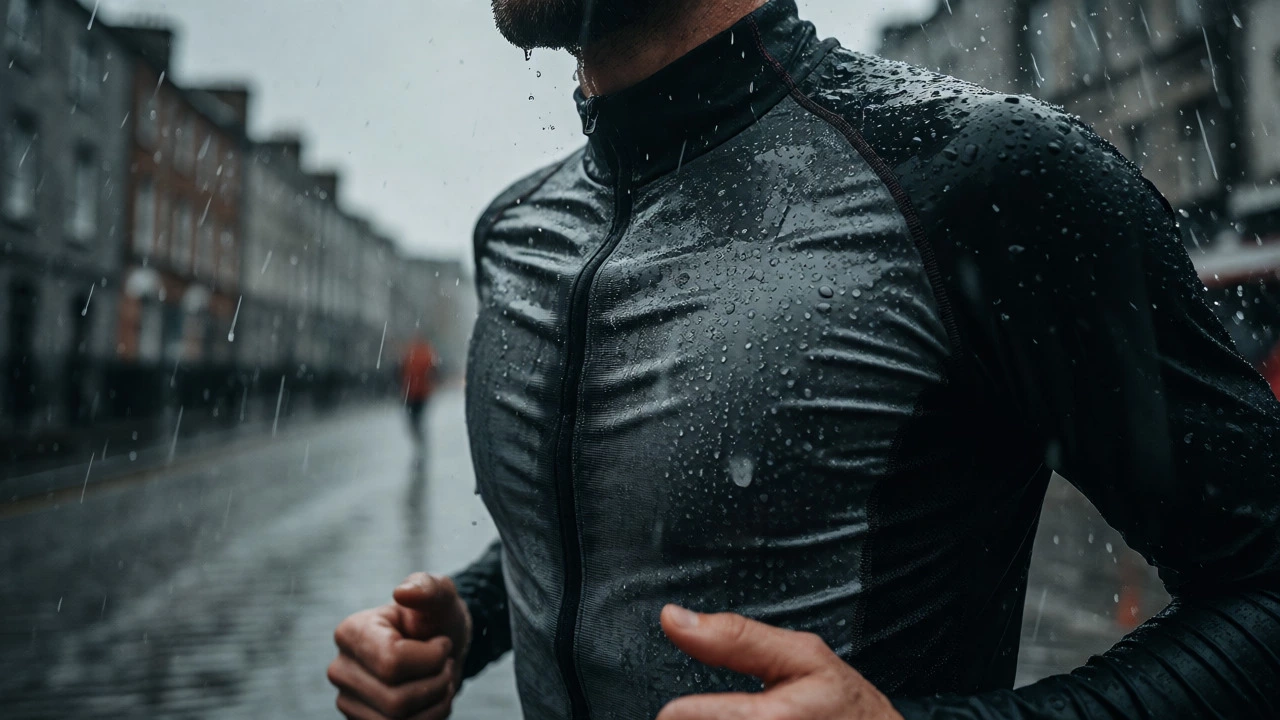
You know the feeling. You step out in Dublin or Galway for a run, and within ten minutes, you are soaked through. Not from sweat alone, but because your cotton t-shirt has turned into a cold, heavy sponge clinging to your back. This is why understanding the characteristics of sportswear matters more than just picking a brand with a cool logo. In Ireland, where the weather shifts from drizzle to gale-force winds faster than you can change lanes on the M50, generic "active" clothing often fails. True sportswear isn't just about looking like you're ready for the Olympics; it's about engineering that handles high-output movement while protecting you from our specific damp, temperate climate.
If you've ever wondered why your expensive leggings feel great in the shop but chafe during a hike in Wicklow, this guide breaks down exactly what makes technical apparel work. We aren't talking about vague marketing fluff. We are talking about fabric science, fit mechanics, and durability traits that keep you comfortable whether you are playing GAA at Croke Park or doing a HIIT class in Cork.
Moisture Management: The Core Function
The primary job of any serious athletic gear is moving sweat away from your skin. This process is called wicking. Unlike cotton, which absorbs water and holds it against your body (leading to that chilling effect when the wind hits), synthetic performance fabrics pull moisture to the surface of the material where it can evaporate. In the Irish market, this characteristic is non-negotiable. Our humidity levels are consistently high, meaning evaporation is slower than in dry climates like Arizona. If your shirt doesn't wick efficiently, you will overheat during the climb up Howth Head and freeze on the descent.
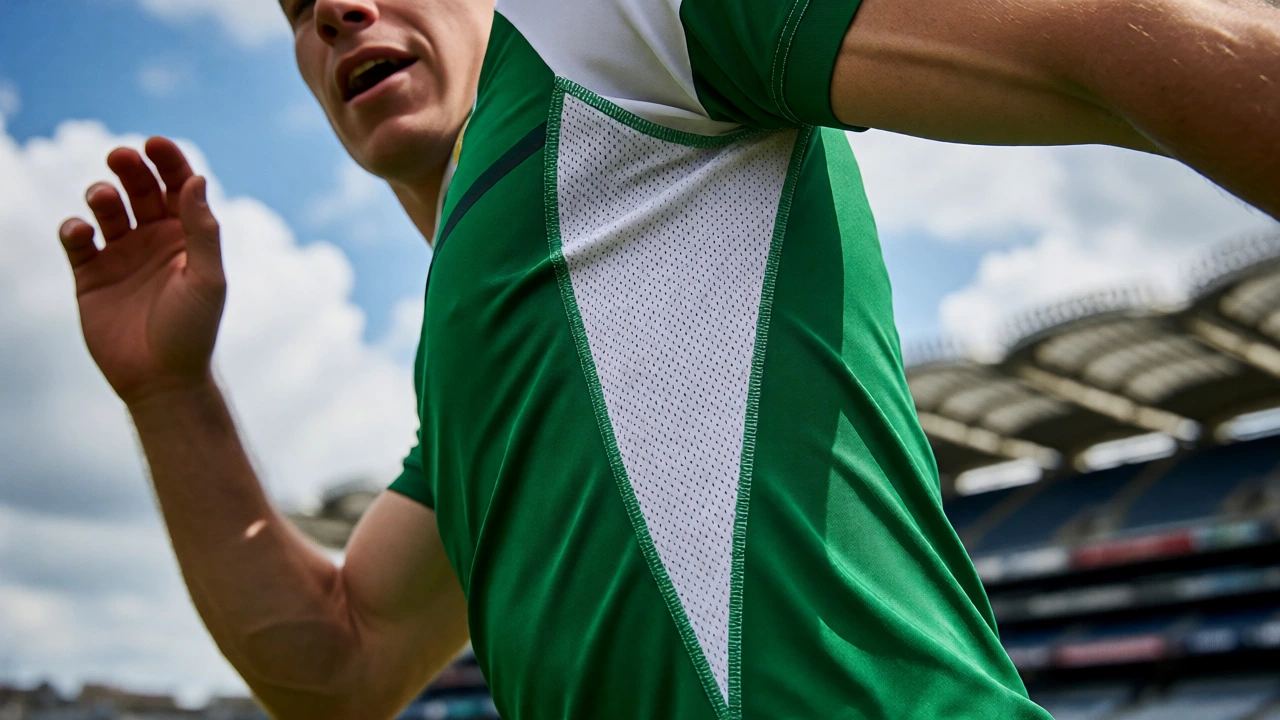
Look for terms like "hydrophobic" fibers or engineered capillary action in product descriptions. Brands like O'Neills or international giants like Nike and Adidas use polyester blends specifically designed to speed up this drying time. For runners in Limerick dealing with morning mist, a base layer with high wicking capability prevents the "wet cloth" sensation that ruins a training session. If you are sweating heavily, check if the garment has mesh panels under the arms or along the spine-these ventilation zones accelerate air circulation, helping the wicking process work harder.
Breathability vs. Wind Resistance
Here is where things get tricky in Ireland. You need breathability to let heat escape, but you also need protection from the Atlantic winds that cut right through thin fabrics. These two characteristics often fight each other. A highly breathable mesh jersey might leave you shivering if the wind picks up off the coast in Sligo. Conversely, a fully waterproof jacket might trap so much heat that you end up wet from sweat, not rain.
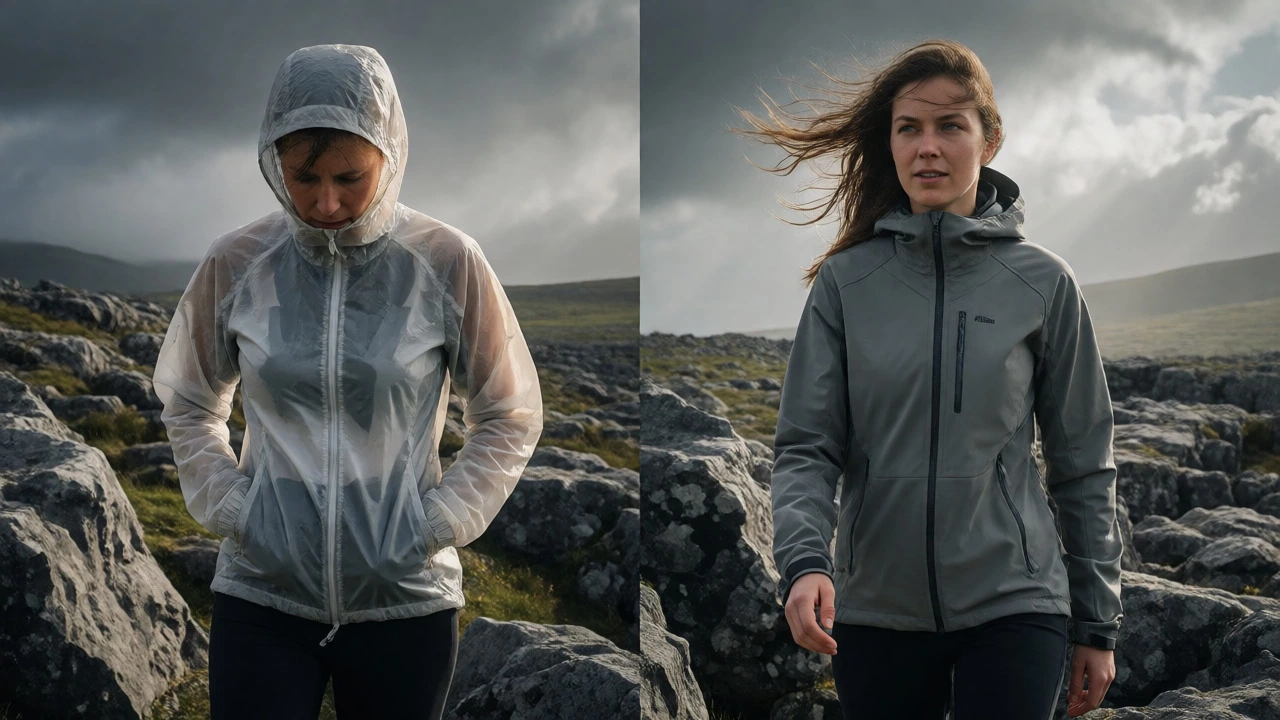
The best sportswear balances these traits using layered systems or hybrid fabrics. Look for garments with "airflow channels" or laser-cut perforations in low-sweat areas. For outdoor activities in Connemara, consider softshell jackets. These materials offer a middle ground: they block wind better than fleece but breathe far better than hard-shell rain jackets. This balance ensures your body temperature stays stable, preventing the dangerous cycle of overheating followed by rapid cooling.
Stretch and Recovery: Freedom of Movement
Sportswear must move with you, not against you. This requires two distinct properties: stretch and recovery. Stretch allows the fabric to expand as you lunge, sprint, or throw a ball. Recovery means the fabric snaps back to its original shape once you stop moving. Without good recovery, your shorts become baggy after twenty minutes of exercise, leading to chafing and an unflattering fit.
Elastane (also known as Spandex or Lycra) is the hero ingredient here. Most quality sports bras and compression tops contain 10-20% elastane blended with nylon or polyester. This ratio provides enough give for dynamic movement without losing structural integrity. When testing gear in a store in Dublin, try the "squat test." Bend deeply. If the fabric feels restrictive or shows white stress lines, it lacks sufficient stretch. If it looks loose and saggy when you stand up, it lacks recovery. For GAA players or rugby athletes who engage in explosive contact, four-way stretch fabrics are essential. They allow movement in all directions, crucial for sidestepping or tackling.
| Material Type | Best Use Case | Irish Weather Suitability | Durability |
|---|---|---|---|
| Polyester Blend | Running, Gym, Cycling | High (Dries fast, resists damp) | High |
| Nylon/Elastane | Yoga, Pilates, Hiking | Medium (Soft, but holds odor) | Very High |
| Merino Wool | Winter Running, Skiing | Excellent (Warm even when wet) | Medium (Requires care) |
| Cotton/Poly Mix | Light Walking, Casual | Low (Stays wet, gets heavy) | Medium |
Durability and Abrasion Resistance
Ireland’s landscape is rugged. Whether you are trail running in the Burren or playing field hockey on artificial turf, your clothes take a beating. Friction is the enemy of longevity. Standard fashion fabrics pill easily and tear when snagged on branches or rough surfaces. Technical sportswear uses tighter weaves and reinforced stitching to combat this.
Check the denier count for tights and leggings. Higher denier numbers indicate thicker, more durable yarns. For hiking pants, look for ripstop technology-a grid pattern woven into the fabric that stops small tears from spreading. If you play Gaelic football, ensure your jerseys have double-stitched seams. Single-stitch seams unravel quickly under the physical stress of grabbing jerseys and falling to the ground. Investing in abrasion-resistant gear saves money in the long run, especially when you consider how often we wash our kit due to mud and rain exposure.
Fit and Ergonomics: Beyond Size Labels
A size medium in one brand is not a medium in another. But beyond sizing, true sportswear features ergonomic design. This means panels cut to follow the natural contours of the human body. Raglan sleeves, for example, eliminate the shoulder seam that causes chafing when you raise your arms overhead. Gussets in crotches allow for deeper squats without the fabric riding up.
In Ireland, we see a lot of "athleisure"-clothing designed to look sporty but worn casually. Be careful distinguishing this from true performance wear. Athleisure often prioritizes style over function, using thinner fabrics that lack support. If you are buying for actual activity, ignore the aesthetic appeal of a simple black legging and check the waistband width. Wide, flat waistbands prevent digging in during cardio. Flatlock stitching reduces friction points. These small details determine whether you finish your workout focused or distracted by irritation.
Odor Control and Hygiene
We live in a country where we might wear the same gym kit twice before washing if we are busy. Synthetic fabrics can harbor bacteria that cause smells. High-quality sportswear now includes antimicrobial treatments. Silver ions or copper threads are woven into the fabric to inhibit bacterial growth. This characteristic is particularly useful for commuters who train before work and cannot shower immediately.
While not a visual feature, odor control affects the lifespan of your garment. Frequent washing degrades elastic fibers. If your kit fights odor naturally, you can wash it less, extending its life. Look for labels mentioning "anti-odor" or "silver-infused." For those training in humid conditions typical of summer in Kerry, this feature keeps confidence high between sessions.
Practical Features for the Irish Outdoors
Finally, consider utility. Reflective elements are critical for safety. With daylight saving time ending early in winter, many runners and cyclists in Belfast or Waterford are on roads in the dark. Integrated reflectivity-not just stickers that peel off-is a key characteristic of safe sportswear. Also, consider pocket functionality. Phone pockets should be secure enough to hold an iPhone during a burpee. Zippered pockets prevent keys from falling out during a spin class.
When shopping locally, visit specialized stores rather than big-box retailers if possible. Staff in dedicated running shops in Dublin city centre or independent sports boutiques in Galway can point out these technical features. They understand that a runner needs different specs than a yogi. Don't rely solely on online filters; touch the fabric. Feel the weight. Check the stretch. Your body knows what it needs before your eyes do.
Is cotton bad for sportswear in Ireland?
Generally, yes. Cotton absorbs sweat and dries slowly. In Ireland's damp climate, this leaves you cold and uncomfortable after intense exercise. It is fine for light walking but poor for running or gym sessions where moisture management is key.
What is the best fabric for rainy days?
For rain, you need a combination of water resistance and breathability. Softshell jackets are excellent for light rain and wind. For heavier storms, a lightweight waterproof shell with pit zips (ventilation openings) is ideal to prevent overheating while staying dry.
How do I choose the right level of compression?
Compression varies by goal. Light compression helps with muscle awareness and comfort. Moderate compression aids blood flow and reduces fatigue during endurance events. Heavy compression is usually reserved for medical use or extreme recovery. Start with moderate if you are new to compression gear.
Do expensive brands guarantee better characteristics?
Not always. While premium brands often use higher-grade fabrics, mid-range options frequently offer similar technical specs. Focus on the label details-fabric composition, stitching type, and intended use-rather than just the logo price tag.
How often should I replace my sportswear?
Replace gear when it loses elasticity, shows excessive pilling, or no longer fits snugly. Typically, high-use items like running shoes last 6-9 months, while clothing may last 1-2 years depending on frequency and care. If the fabric feels thin or transparent, it is time for a replacement.