Irish Summer Dress Terminology Quiz
Can you identify the correct dress type for various Irish scenarios? Learn the lingo used in Dublin boutiques and Galway markets.
If you have ever stood in a shop in Dublin or scrolled through an online store wondering what are summer time dresses called, you are not alone. The terminology can be confusing, especially when trying to match the specific style to the unpredictable Irish weather. While "sundress" is the most common term globally, here in Ireland, we often use more specific names depending on the length, fabric, and occasion. Whether you are heading to a festival in Cork or a casual lunch in Galway, knowing the right name helps you find exactly what you need.
The answer isn't just one word. It depends on the cut. In the Irish market, the most popular terms you will encounter are Sundress, a light, informal dress designed for warm weather, typically made of cotton or linen, Maxi Dress, a floor-length dress that offers coverage and comfort, and Midi Dress, a dress with a hemline falling midway between the knee and ankle. Each serves a different purpose in our unique climate where sunshine and rain can happen in the same hour.
The Sundress: The Classic Choice
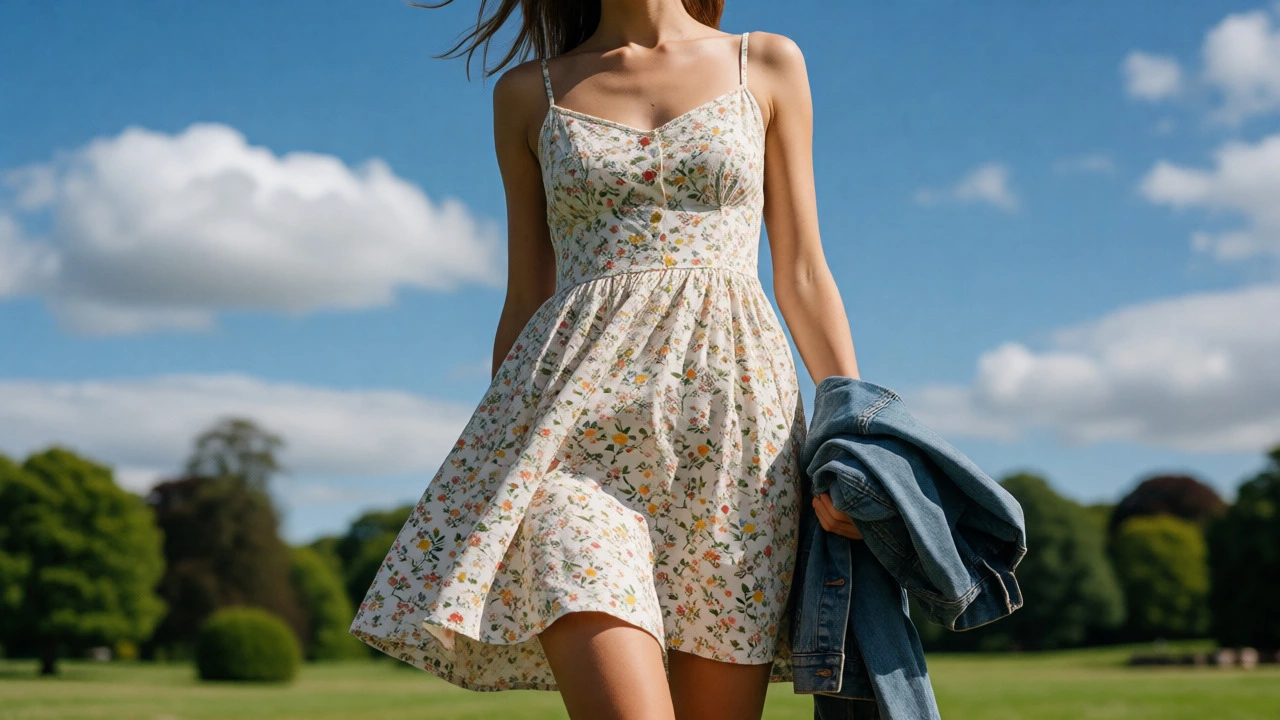
A sundress is the go-to for bright, sunny days. Think of those light, sleeveless dresses you might wear to a picnic in Phoenix Park. They are usually short, above the knee, and made from breathable fabrics like cotton or chiffon. In Ireland, true "sunny" days are precious, so people save these for when the temperature actually climbs above 20°C. Brands like Zara and the high-street retailer known for trendy, affordable fashion stock these heavily in June and July. If you see a label saying "sun dress," it means it is meant for direct sunlight exposure, not necessarily for a breezy coastal walk in County Clare.
Why call it a sundress? Because it is designed to keep you cool while exposing skin to the sun. However, many Irish women pair them with denim jackets because, let’s face it, the wind off the Atlantic can chill you quickly. If you are looking for something slightly more structured but still light, look for terms like "shirt dress." This is a sundress with buttons down the front and a collar, making it suitable for a casual office environment in Dublin if you swap the sandals for loafers.
Maxi and Midi Dresses: Versatility for Variable Weather
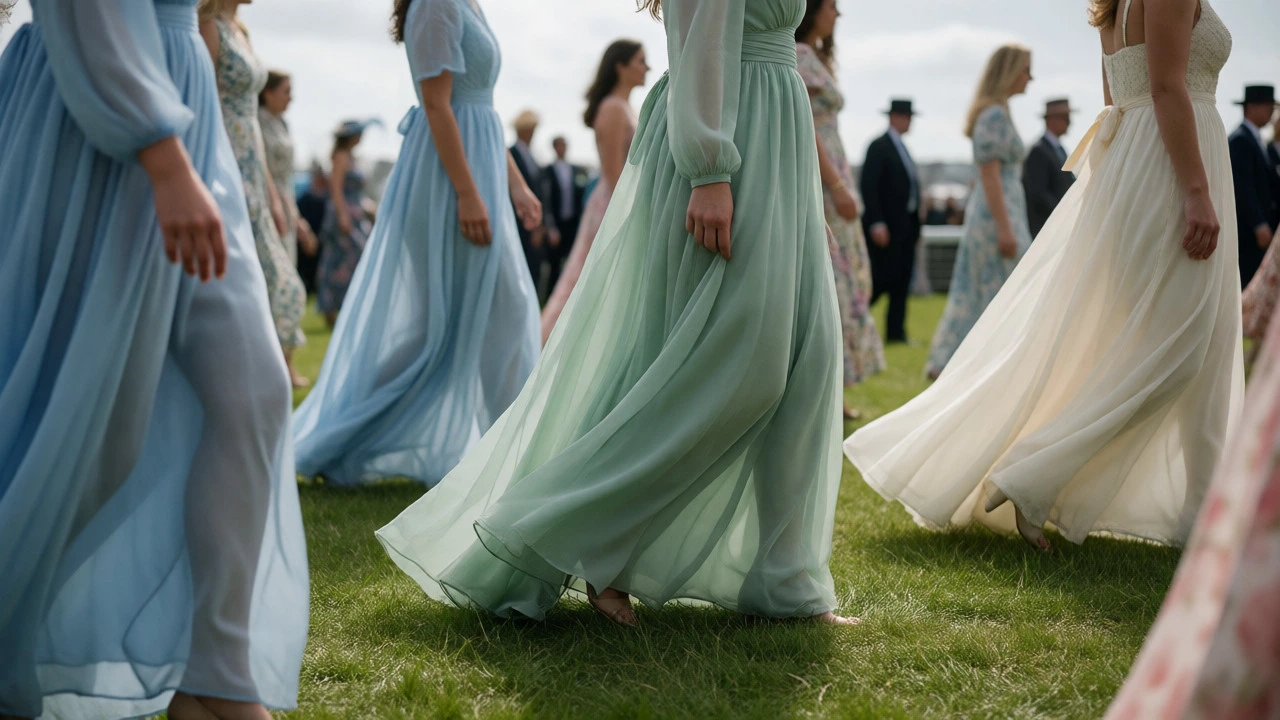
Here is where things get practical for us. Because Irish summers are rarely scorching hot, Maxi Dresses are incredibly popular. They cover your legs, which protects against sudden drops in temperature or unexpected drizzle. You will hear people referring to them as "long dresses" in local boutiques, but "maxi" is the industry standard. These are perfect for events like the Galway Races, where you want to look elegant but stay comfortable standing on grass for hours.
| Dress Type | Length | Best For | Common Fabric |
|---|---|---|---|
| Sundress | Above Knee | Hot, dry days; Beach trips | Cotton, Linen |
| Midi Dress | Knee to Ankle | Casual outings; Workplaces | Viscose, Silk Blends |
| Maxi Dress | Ankle/Floor | Festivals; Evening events | Jersey, Chiffon |
| Smock Dress | Varied | Practical daily wear | Cotton Poplin |
The Midi Dress sits in the sweet spot. It is longer than a sundress but shorter than a maxi. This makes it ideal for transitional weather. You can wear it without tights on a mild day, but it covers enough to feel modest and warm if a cloud rolls in. In cities like Belfast or Limerick, midi dresses are a staple in wardrobes because they bridge the gap between spring and autumn perfectly. They also work well with boots, which is a very Irish habit-wearing summer dresses with ankle boots when the temperature dips below 15°C.
Regional Terms and Cultural Nuances
You might hear older generations in rural areas refer to simple, loose-fitting dresses as "smocks" or "house dresses." These are practical, often patterned, and easy to wash. They aren't necessarily "fashionable" in the modern sense, but they are beloved for their comfort. If you are shopping in a charity shop in Cork, you might find vintage smocks labeled simply as "dresses." Don't be confused by this; it is just a descriptive term rather than a technical category.
Another term you might encounter is "shift dress." This is a straight-cut dress with no defined waist. It was huge in the 1960s and has made a comeback. In Ireland, shift dresses are favored by those who prefer minimalism. They don't cling, which is great if you are worried about humidity or sweat. When asking a sales assistant for help, using the term "shift" will get you a very specific silhouette compared to a "wrap dress," which ties at the waist and flatters most body types.
Where to Find Them in Ireland
Knowing what to ask for is half the battle. Knowing where to buy is the other half. High street chains like Primark (originally from Dublin) offer affordable options under the labels "casual dress" or "holiday dress." For higher quality, independent designers in Dublin's Temple Bar or Galway's Latin Quarter often use terms like "artisan dress" or "handmade summer piece." These are less likely to be mass-produced and more likely to use sustainable materials, a growing trend in the Irish fashion scene.
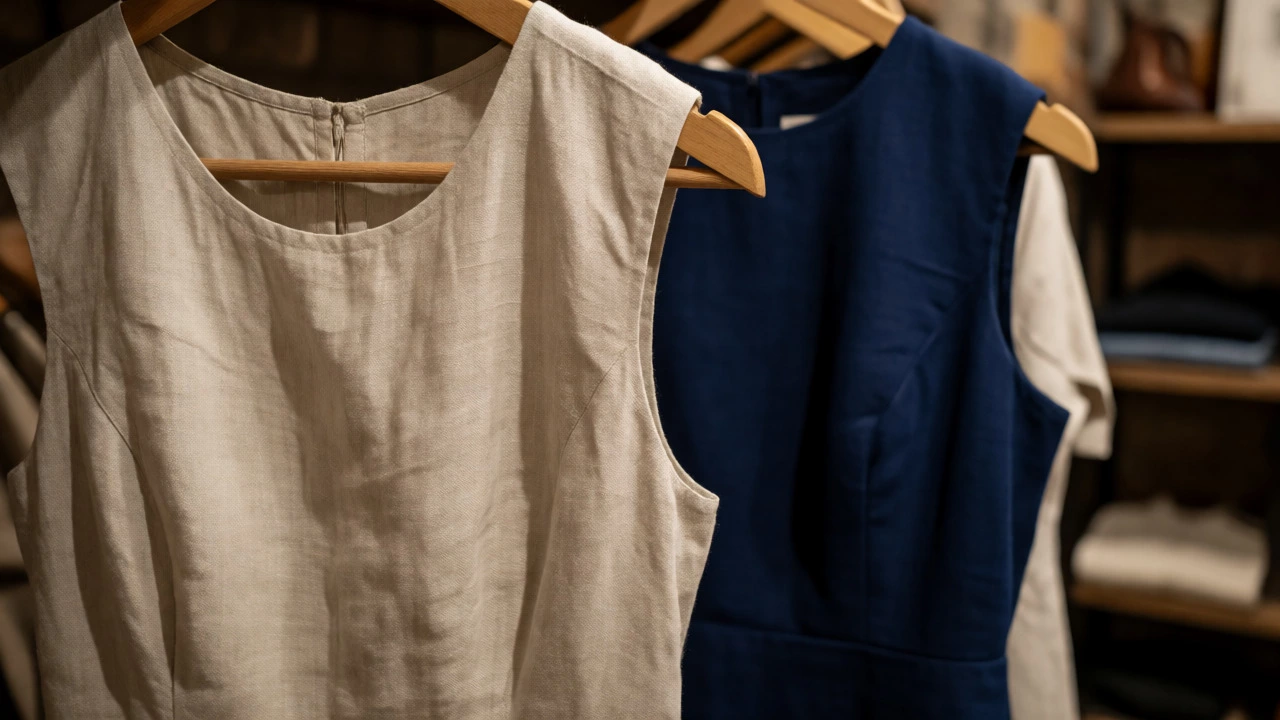
Online retailers shipping to Ireland, such as ASOS or Next, use precise filters. If you search for "summer dress," you will get everything. But if you filter by "maxi" or "midi," you narrow it down. Pro tip: Search for "linen dress" specifically. Linen is the best fabric for Irish summers because it breathes well even when it is damp. Cotton gets heavy when wet; linen dries fast. Many Irish brands now highlight "Irish-made linen" as a selling point, appealing to national pride and quality expectations.
Styling Tips for the Irish Climate
So, you bought the dress. What do you call it when you style it? You might see outfits described as "layered looks." In Ireland, layering is essential. A sundress becomes a "day dress" when paired with a cardigan. A maxi dress becomes an "evening outfit" with heels and a blazer. The name changes based on context. If you are going to a wedding, you wouldn't say "I'm wearing my summer dress." You'd say "I'm wearing my floral maxi" or "my lace midi." Specificity signals formality.
Consider the event. For a music festival like Electric Picnic in Stradbally, Co. Laois, you might choose a "boho dress." This is a long, flowy dress with patterns, often associated with hippie culture. It’s practical for dancing and sitting on fields. For a city break in Derry, a "skater dress" (short, fitted top, flared skirt) is cute and easy to move in. Understanding these sub-categories helps you pack smarter.
Conclusion: Naming Helps You Shop Smarter
Next time someone asks what are summer time dresses called, you can explain that it depends. Is it short and light? It’s a sundress. Long and flowing? A maxi. Mid-length and versatile? A midi. Loose and practical? A smock or shift. By using the correct terminology, you communicate your needs clearly to tailors, sales assistants, and online algorithms. This saves time and ensures you get a garment that suits both the fashion trends and the reality of living in Ireland.
What is the difference between a sundress and a regular dress?
A sundress is specifically designed for warm weather, featuring lightweight fabrics like cotton or linen, sleeveless designs, and often brighter colors. A regular dress can be made from heavier materials like wool or polyester and may have sleeves, making it suitable for cooler temperatures or formal occasions.
Can I wear a sundress in Ireland all year round?
Not comfortably. While you can layer a sundress with tights and a jacket in spring or autumn, it is generally too cold for winter. In Ireland, sundresses are best worn from late May to early September, depending on the yearly weather patterns.
Are maxi dresses appropriate for Irish weddings?
Yes, provided they are made from elegant fabrics like silk or chiffon and feature sophisticated cuts. Casual jersey maxis are better for daytime events, while embellished or structured maxis can pass as evening wear for summer weddings in venues across Ireland.
What is a 'shift dress'?
A shift dress is a straight-cut dress that hangs loosely from the shoulders without cinching at the waist. It is comfortable, allows for movement, and is a popular choice for professional settings or casual outings due to its simple, clean lines.
Which fabric is best for summer dresses in Ireland?
Linen is highly recommended because it is breathable and quick-drying, which is crucial given Ireland's humid and rainy summers. Cotton is also a good option, though it takes longer to dry. Avoid synthetic fabrics like polyester unless they are blended with natural fibers, as they can trap heat and moisture.