Irish Summer Dress & Layering Advisor
1. Choose Your Dress
2. Current Conditions
Recommended Layering Plan
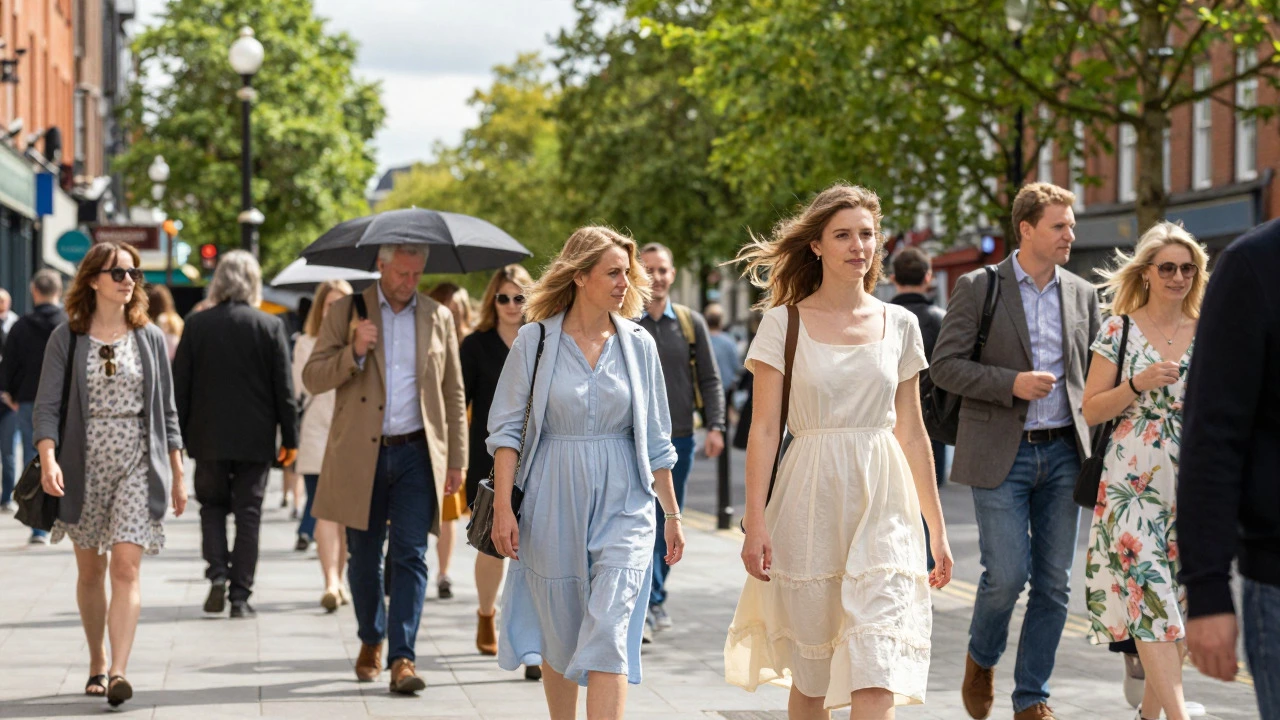
Score: --/10Walking down Grafton Street on a warm June afternoon, you might notice the shift in what people are wearing. The heavy coats and rain gear of early spring have been swapped for lighter fabrics. But if you’ve ever stood in front of a rack at an Irish high street store or scrolled through online boutiques, you’ve likely hit a wall of confusing terminology. Is that a summer dress, a sundress, a midi, or a maxi? Knowing exactly what these garments are called isn’t just about sounding smart; it’s about finding pieces that actually work with the unpredictable Irish weather.
In Ireland, our definition of "summer" is unique. We don’t get consistent heatwaves like in Southern Europe. Instead, we experience brief bursts of sunshine mixed with sudden showers. This means the vocabulary around summer dresses here is less about extreme heat resistance and more about versatility, layering, and fabric breathability. Let’s break down the specific names used by Irish retailers and designers so you can shop with confidence.
The Sundress: Your All-Weather Staple
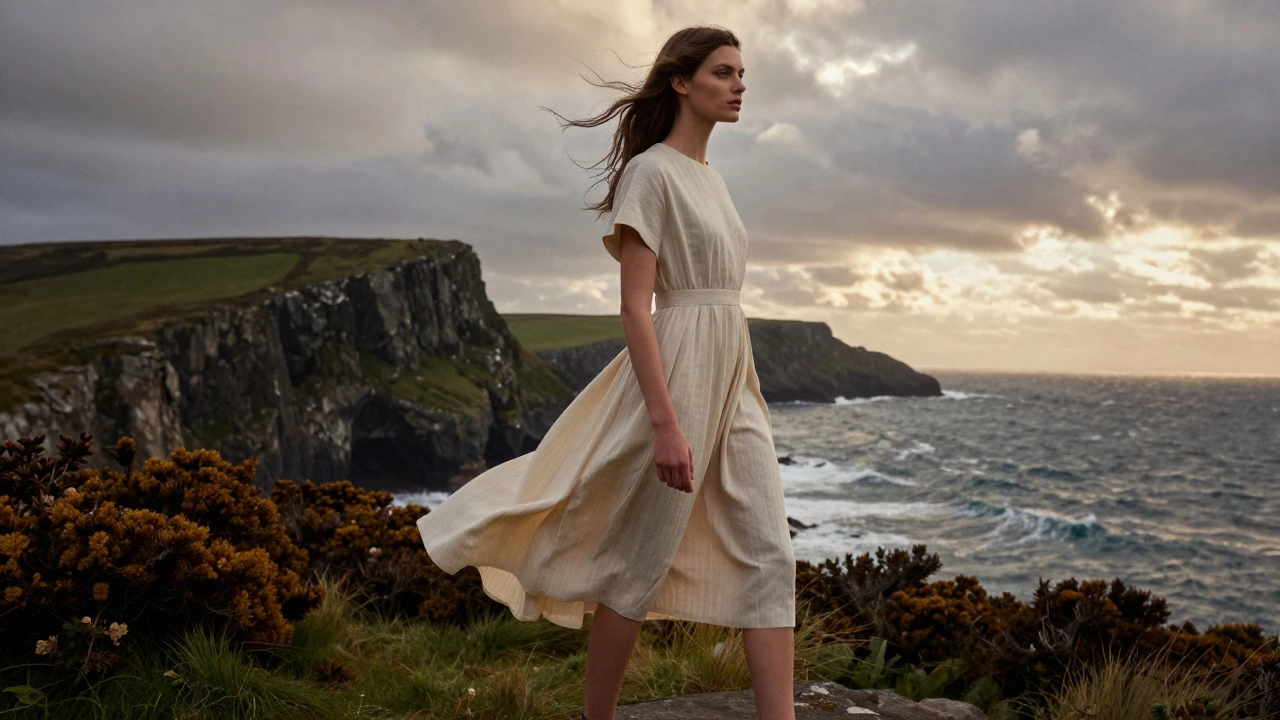
The most common term you’ll encounter is the Sundress. A sundress is typically a lightweight, sleeveless or short-sleeved dress made from breathable fabrics like cotton or linen, designed for casual wear during warmer months. In the Irish context, this is the go-to piece for garden parties in Kilkenny or beach days in County Wicklow. Unlike its American counterparts, which often feature very thin materials, Irish sundresses tend to be slightly sturdier. Why? Because you need something that holds up against a gusty wind off the Atlantic.
Key attributes of an Irish-style sundress include:
- Fabric: Primarily cotton or linen blends. Pure silk is rare due to cost and maintenance, while polyester is avoided for comfort.
- Length: Usually knee-length or just below (midi). Floor-length options exist but are less common for daily wear.
- Fit: Relaxed or A-line cuts dominate. Tight fits are less popular as they restrict movement when adding layers.
Midi vs. Maxi: Navigating Lengths
Once you’ve identified a sundress, the next descriptor is length. You’ll frequently see terms like Midi Dress and Maxi Dress. These aren’t just marketing fluff; they dictate how you style the outfit in variable temperatures.
A Midi Dress hits between the knee and the ankle. It’s the sweet spot for many Irish women. It’s long enough to look polished for a dinner in Galway but short enough to remain practical if you’re walking along the seafront. A Maxi Dress, on the other hand, goes all the way to the floor. While elegant, maxis can be tricky in wet weather. If you live in a rainy area like the west coast, you might find yourself constantly lifting your hem to avoid puddles.
| Dress Type | Typical Fabric | Best For | Irish Weather Suitability |
|---|---|---|---|
| Sundress | Cotton/Linen | Casual outings, picnics | High (layer-friendly) |
| Midi Dress | Viscose/Cotton | Work-to-weekend, dinners | Medium-High (versatile) |
| Slip Dress | Satin/Silk | Evenings, festivals | Low (requires strong layering) |
| Shirt Dress | Poplin/Oxford | Office wear, travel | High (structured, easy to button up) |
The Slip Dress: Evening Wear in a Chilly Climate
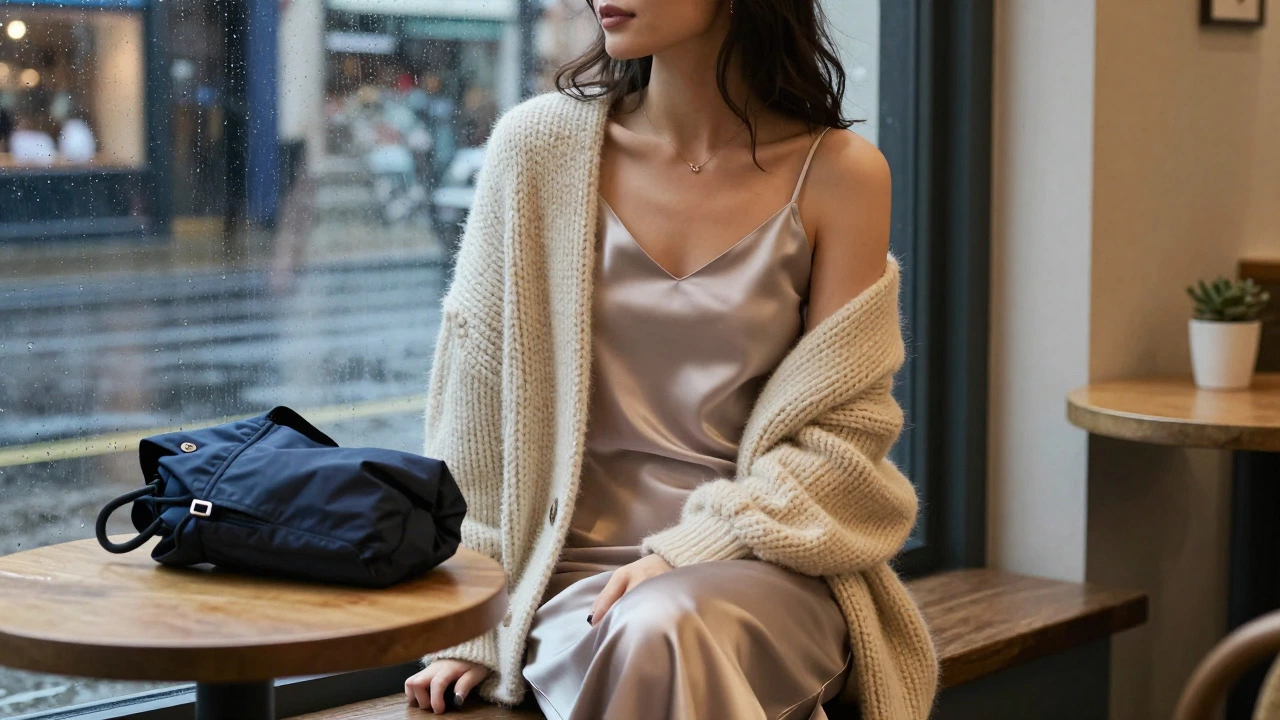
If you’re heading to a wedding in the countryside or a festival like Electric Picnic, you might come across the Slip Dress. A slip dress is a simple, bias-cut garment usually made from satin or silk, inspired by lingerie, worn alone or layered. While these look stunning in photos, they present a challenge in Ireland. Satin doesn’t breathe well, and the cut offers little protection from the wind. However, the slip dress has become incredibly popular in Irish fashion circles because it serves as a base layer. You can wear a chunky knit cardigan over a slip dress, creating a chic, high-low contrast that looks intentional rather than cold-shocked. This styling trick is ubiquitous in Dublin cafes during late spring.
Shirt Dresses and Practicality
For those who work in offices or frequent business meetings even in July, the Shirt Dress is a favorite. A shirt dress mimics the structure of a men's shirt, featuring a collar, buttons, and pockets, usually falling to midi length. This style is particularly favored in professional hubs like Cork and Dublin. It’s structured, meaning it doesn’t cling when humidity rises, and it can be belted for shape. The key advantage here is ease: you can unbutton the top few buttons to cool down or button them up when the air conditioning kicks in. It’s a pragmatic choice for the modern Irish professional.
Local Brands and Where to Shop
Understanding the names helps, but where do you find them? Ireland has a vibrant local fashion scene. Brands like Rosie Assouline offer sophisticated eveningwear that includes slip and midi styles suitable for formal events. For everyday wear, Pearson is a staple, known for accessible pricing and durable fabrics that withstand Irish conditions. High-street giants like Next and ASOS also cater heavily to the Irish market, using these specific terms in their categorization.
When shopping locally, pay attention to the fabric label. In Ireland, "summer" clothing should always prioritize natural fibers. Cotton and linen are hygroscopic, meaning they absorb moisture away from the skin. This is crucial when you’re sweating from walking in the sun and then getting caught in a drizzle. Synthetic blends can trap heat and cause discomfort, making your "summer" outfit feel more like a sauna.
Styling for the Unpredictable
The final piece of the puzzle is how these named dresses fit into your daily routine. The rule of thumb in Ireland is the "three-layer method."
- Base: The dress itself (e.g., a cotton sundress).
- Mid: A light sweater, denim jacket, or trench coat. Keep this handy in your bag.
- Outer: A waterproof shell or umbrella for sudden downpours.
By knowing the specific name of each dress type, you can make better decisions about which layers to pack. A heavy wool coat won’t match a delicate slip dress, but a leather biker jacket works wonders over a shirt dress. This flexibility is what makes the Irish summer wardrobe distinct from others globally. It’s not just about looking good in the sun; it’s about adapting seamlessly to a day that might start sunny in Bray and end rainy in Dublin.
What is the difference between a sundress and a summer dress?
While often used interchangeably, a "sundress" specifically implies a casual, lightweight, often sleeveless design meant for leisure. A "summer dress" is a broader category that can include structured items like shirt dresses or midi dresses suitable for work or semi-formal occasions. In Ireland, the distinction matters because sundresses are rarely worn to office settings, whereas summer dresses can be versatile enough for both.
Are maxi dresses practical for Irish summers?
They are stylish but require caution. Due to frequent rain and wind, maxi dresses can get wet at the hem and blow around uncomfortably. They are best reserved for controlled environments like restaurants, weddings, or indoor events. For outdoor activities, a midi length is generally more practical for most Irish residents.
Which fabric is best for summer dresses in Ireland?
Cotton and linen are the gold standards. They are breathable, durable, and handle moisture well. Linen wrinkles easily but dries quickly, making it ideal for the humid spells we sometimes experience. Avoid heavy synthetics like thick polyester, as they trap body heat and don't wick sweat effectively in the mild but damp climate.
Can I wear a slip dress in casual settings in Ireland?
Yes, provided you layer it correctly. Wearing a slip dress under a blazer, denim jacket, or oversized hoodie is a popular trend in cities like Dublin and Cork. This approach balances the delicate nature of the dress with the ruggedness of Irish weather, creating a fashionable yet functional look.
Where can I buy authentic Irish-made summer dresses?
Look for brands like Pearson, Rosie Assouline, or independent designers found in markets such as the Temple Bar Craft Market or online platforms specializing in Irish craft. Many local boutiques in areas like Smithfield in Dublin also stock smaller Irish labels that focus on quality fabrics and timeless designs.