Irish Trainer Recommendation Calculator
In Ireland, weather is unpredictable and terrain can be challenging. This tool helps you find the right trainers based on your specific needs for rain, walking, budget, and sustainability preferences. All recommendations are based on Irish conditions and local expertise.
Select Your Needs
Your Perfect Irish Trainers
Why this matters in Ireland: These recommendations consider Ireland's unpredictable weather, uneven terrain, and practical needs. Unlike the US or UK, Irish trainers need to handle rain, mud, and daily walking on cobblestones.
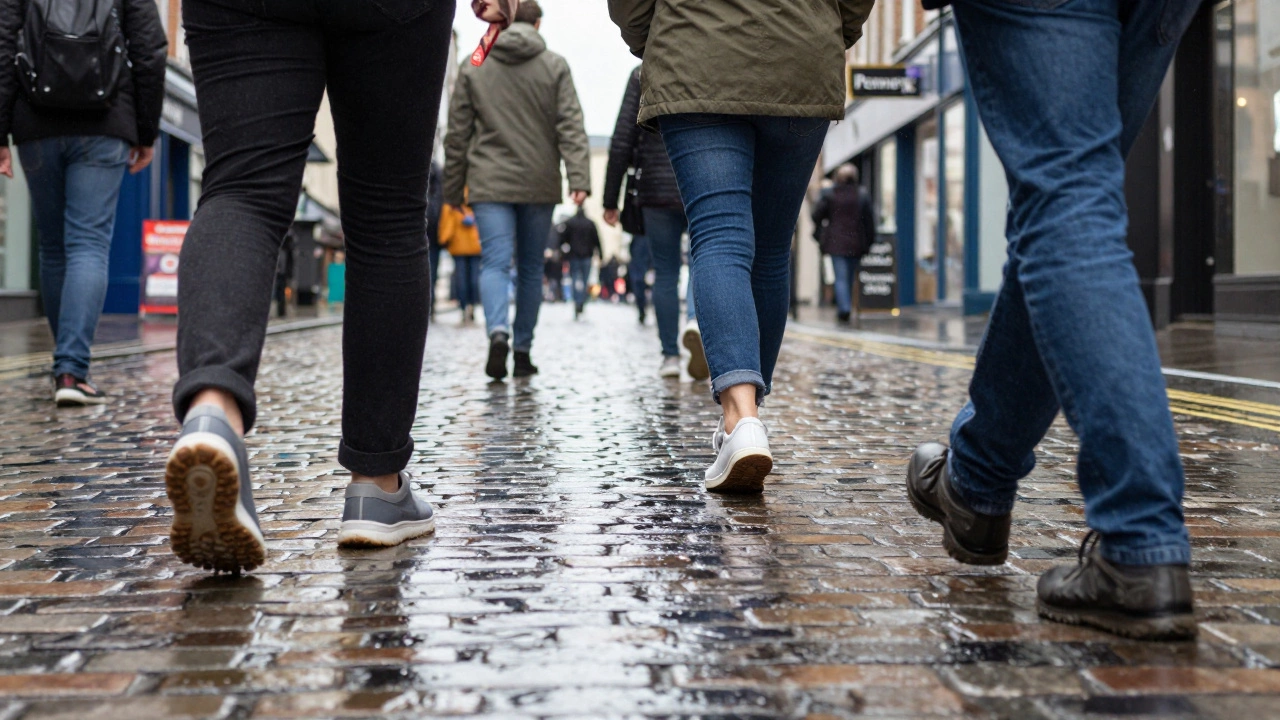
In Ireland, where rain is a daily companion and cobblestone streets meet urban sidewalks, the shoes you wear aren’t just about style-they’re about survival. The term sneakers is slowly fading from everyday speech, replaced by a word that’s been rooted in Irish life for decades: trainers. If you ask someone in Cork, Galway, or even the heart of Dublin what they’re wearing to the gym, the park, or the pub after work, they won’t say ‘sneakers.’ They’ll say ‘trainers.’ And that’s not just slang-it’s the default.
Why ‘Trainers’ Stuck in Ireland
The word ‘trainers’ didn’t arrive with a marketing campaign. It came with the British influence, but it took root differently here. While Americans say ‘sneakers’ because they were designed to move silently (‘sneak’), the British-and by extension, the Irish-focused on function. These shoes were meant for training: running, jumping, playing football in the park, or chasing the bus in the drizzle. In Ireland, where outdoor activity isn’t a weekend luxury but a necessity, the name stuck because it described what the shoe actually did.You’ll hear it in the locker rooms at the National Aquatic Centre in Blanchardstown, in the queues outside Lidl after work, and in the chatter of teens outside Trinity College. Even the big Irish retailers like Penneys (Primark), Dunnes Stores, and SuperValu label their athletic footwear as ‘trainers’ on tags and shelves. Online, Irish e-commerce sites like Zalando.ie and ASOS.ie use ‘trainers’ as the default category filter. It’s not a regional quirk-it’s the standard.
What’s Changing: The Rise of ‘Athleisure’ and Streetwear
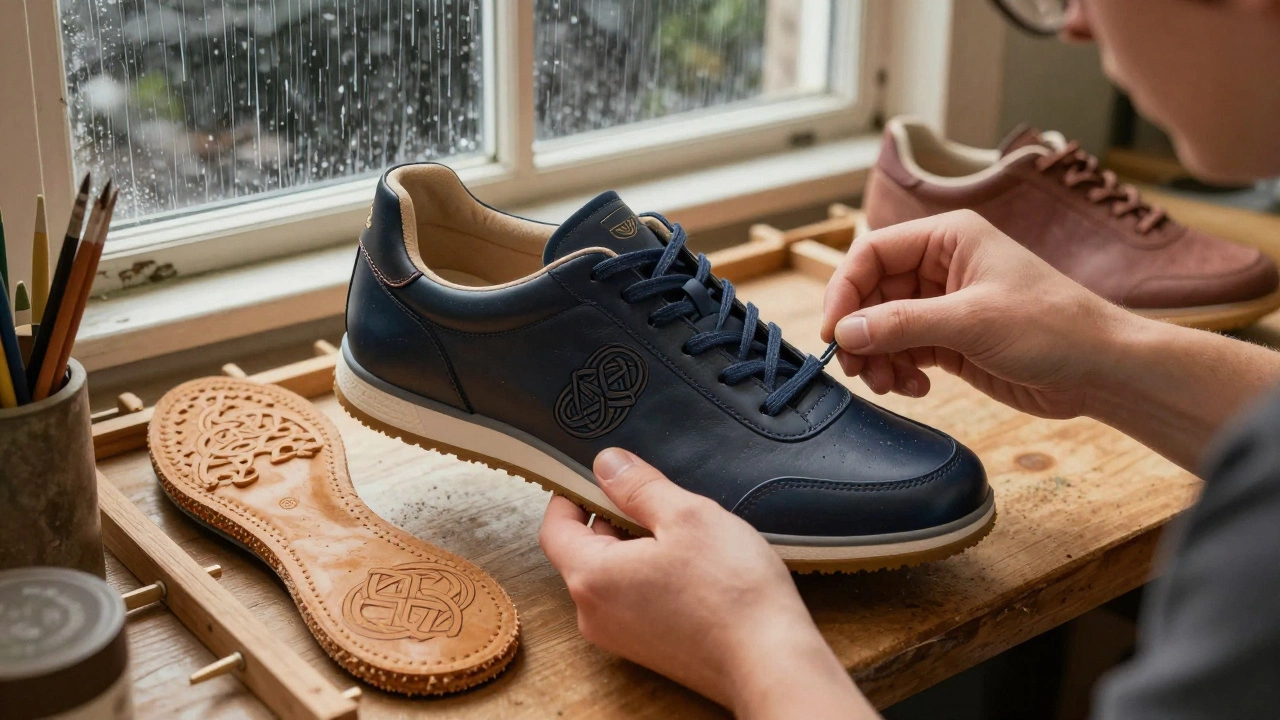
But ‘trainers’ alone doesn’t tell the whole story anymore. Over the last five years, the Irish streetwear scene has exploded. In Temple Bar, Smithfield, and even in smaller towns like Wexford and Sligo, you’ll see young people wearing chunky dad shoes, retro running silhouettes, and minimalist white kicks from brands like New Balance, On Running, and Hoka. These aren’t just for the gym-they’re worn with tailored trousers, oversized hoodies, and even wool coats pulled tight against the Atlantic wind.Brands like Adidas and Nike still dominate, but local favourites are rising. Irish-made brands like Claddagh Footwear (based in Galway) and Wanderlust (Dublin) are blending traditional Irish design with modern athletic cuts. Their trainers feature subtle Celtic knot detailing, waterproof linings for Dublin’s infamous puddles, and soles designed for slippery stone paths. These aren’t just shoes-they’re cultural hybrids.
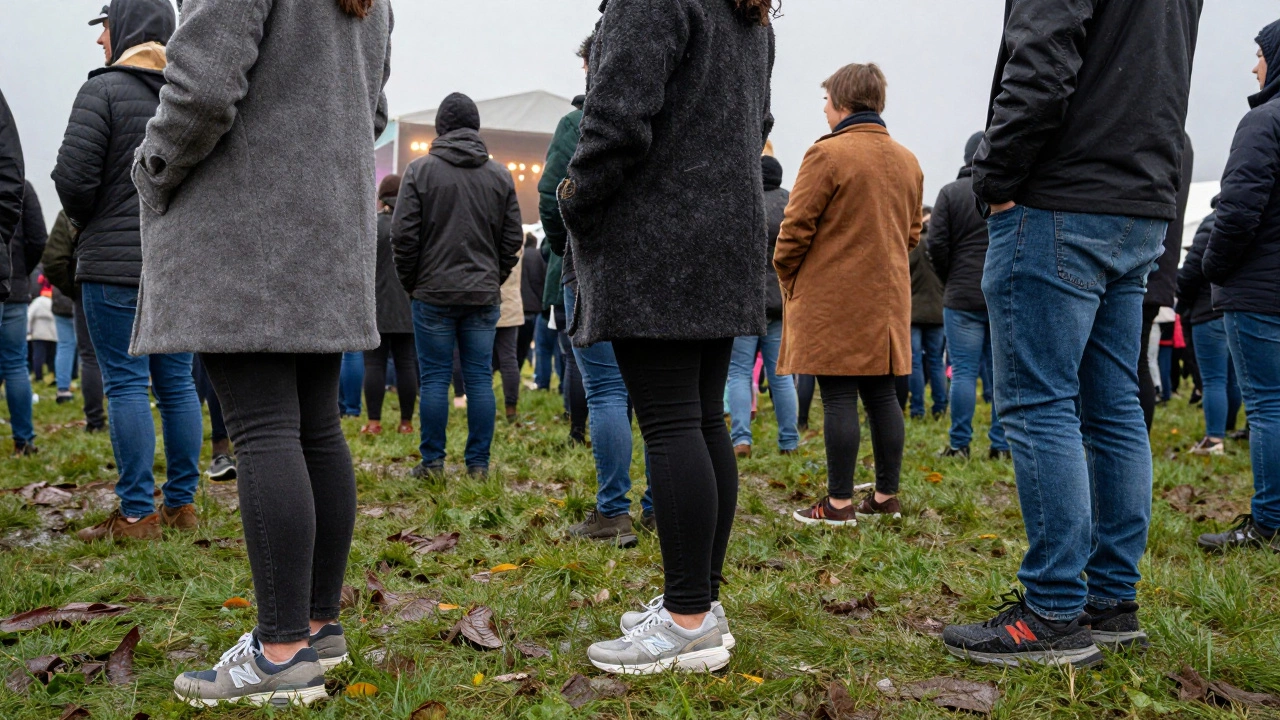
And then there’s the influence of the Irish music and festival scene. At Electric Picnic, Body & Soul, or even the smaller Limerick Folk Festival, the crowd isn’t wearing hiking boots or wellies. They’re in breathable, cushioned trainers that can handle mud, rain, and 12-hour dance sets. Brands like Merrell and Salomon-once seen as purely outdoor gear-are now common sights. People don’t call them ‘hiking shoes’ here. They call them ‘trainers that don’t leak’.
How the Irish Market Differs from the US or UK
In the US, ‘sneakers’ is a cultural term tied to basketball, hip-hop, and limited-edition drops. In the UK, ‘trainers’ is common, but ‘sneakers’ is still used in fashion magazines and high-end stores. In Ireland? It’s simpler. ‘Sneakers’ sounds American. Too loud. Too commercial. ‘Trainers’ feels real. Practical. Like the weather forecast you check before leaving the house.Price points tell another story. While a pair of limited-edition Air Jordans might cost €200 in Dublin, most Irish buyers-especially those under 30-stick to €80-€120. That’s because in a country where public transport is patchy and walking is unavoidable, durability matters more than hype. A €150 pair of trainers that falls apart after six months? That’s not a status symbol. That’s a waste of money.
And let’s talk about fit. Irish feet aren’t the same as American or Australian ones. Many Irish people have narrower heels and higher arches, thanks to generations of walking on uneven terrain. Brands like ECCO and Clarks, which have long been staples in Irish shopping centres, now offer ‘Irish fit’ models in their trainers line. You won’t find these in New York or London. But you’ll see them in the footwear section of Brown Thomas in Dublin or in the smaller boutiques of Kilkenny.
What to Call Them When You’re in Ireland
If you’re new to Ireland-or you’ve been living here and still say ‘sneakers’-here’s the quick rule: use ‘trainers.’ Always. Even if you’re talking to someone from California who’s moved to Galway. They’ll adapt. It’s part of the local rhythm.There are exceptions. In high-end fashion circles-like the boutiques on Grafton Street or in the Avoca stores-you might hear ‘athletic footwear’ or ‘performance shoes.’ But even then, the staff will still call them ‘trainers’ to customers. It’s not about being correct. It’s about being understood.
And if you’re buying online? Search ‘trainers’ on Irish sites. Don’t waste time typing ‘sneakers.’ You’ll get fewer results, and they’ll be imported from the US-often with higher shipping fees and no local warranty.
The Future: Sustainability and Local Craft
The next big shift in Irish footwear isn’t about branding. It’s about materials. With Ireland’s push toward net-zero emissions by 2050, eco-friendly trainers are no longer a niche. Brands like GreenFeet (based in Limerick) are making trainers from recycled ocean plastic, Irish wool linings, and plant-based foams. They’re not cheap-€140-€180-but they’re built to last. And in a country where people walk more than they drive, longevity is the real luxury.Local makers are also reviving traditional Irish leatherwork. A small workshop in County Clare now produces trainers using leather tanned with oak bark, a method unchanged since the 1800s. These aren’t flashy. But they’re waterproof, breathable, and made to be repaired. You can send them back to the maker for a new sole, and they’ll mail them back in two weeks. That kind of service? It doesn’t exist with most global brands.
What’s Not Called ‘Sneakers’ Anymore
Don’t be surprised if you hear someone say ‘running shoes’-but only if they’re talking about actual running. In Ireland, ‘running shoes’ usually means something with a carbon plate and extra cushioning, meant for the Dublin Marathon or training on the Grand Canal towpath. ‘Trainers’ is the umbrella term for everything else: casual, gym, weekend, travel, even ‘I’m going to the pharmacy’ shoes.‘Athletic shoes’? Too clinical. ‘Sports shoes’? Too old-school. ‘Gym shoes’? Only if you’re 60 and still using the 1990s terminology. The language has evolved. So have the shoes.
Final Tip: What to Buy in Ireland
If you’re looking for trainers in Ireland, here’s what works:- For rain and mud: Merrell Moab 3 or Clarks Unstructured
- For city walking: New Balance 574 or ECCO Soft 7
- For style and sustainability: GreenFeet or Claddagh Footwear
- For budget buyers: Penneys’ own brand or Dunnes Stores’ ‘Active’ line
And if you’re ever in doubt, walk into any Boots pharmacy, pick up a pair, and ask the cashier: ‘Are these trainers?’ They’ll nod. They’ve heard it a thousand times. And so have you.
Are sneakers and trainers the same thing in Ireland?
Yes, they refer to the same type of footwear-but in Ireland, ‘trainers’ is the only term used in daily conversation. ‘Sneakers’ is understood, but it sounds American and is rarely used outside of online shopping or fashion blogs.
Why don’t Irish people say ‘sneakers’?
Because ‘trainers’ describes function, not silence. Irish footwear culture is shaped by practicality-rain, uneven paths, and daily walking. The word ‘trainers’ has been part of the language since the 1970s and reflects how people actually use the shoes, not how they’re marketed.
Can I buy sneakers in Ireland or only trainers?
You can buy both-online, you’ll find ‘sneakers’ listed on international sites. But in Irish stores, from Penneys to Brown Thomas, the shelves say ‘trainers.’ Search for ‘trainers’ locally to get the right fit, warranty, and delivery options.
Are there Irish-made trainers?
Yes. Brands like Claddagh Footwear in Galway and GreenFeet in Limerick design and make trainers in Ireland using local materials and ethical production. They’re pricier but built for Irish weather and long-term wear.
What’s the best trainer for Irish winters?
Look for waterproof uppers, grippy rubber soles, and insulated linings. The Merrell Moab 3, ECCO Soft 7, and Clarks Unstructured are top choices. Avoid thin soles-they’ll freeze your feet on Dublin’s icy sidewalks.