Quick Takeaways for Your Next Pair
- Waterproofing: Essential for the Irish West Coast and urban commutes.
- Traction: Look for lug soles to avoid slipping on wet limestone.
- Versatility: Boots that transition from a muddy park walk to a casual dinner.
- Sustainability: A growing priority for shoppers in Cork and Galway.
The Heavy Hitters: Top 5 Brand Breakdown
Choosing a brand depends on where you spend your time. A corporate job in the IFSC requires a different vibe than a rainy hike in the Wicklow Mountains. Here are the brands currently dominating the Irish market for quality and reliability.
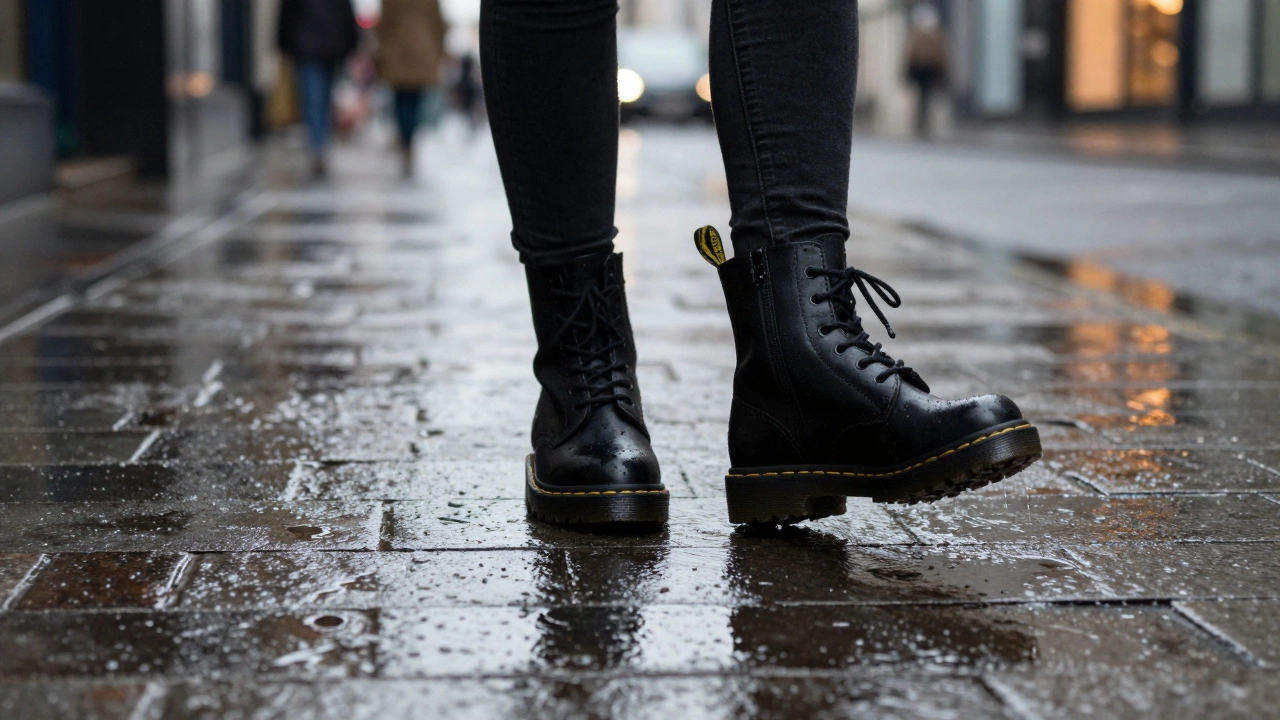
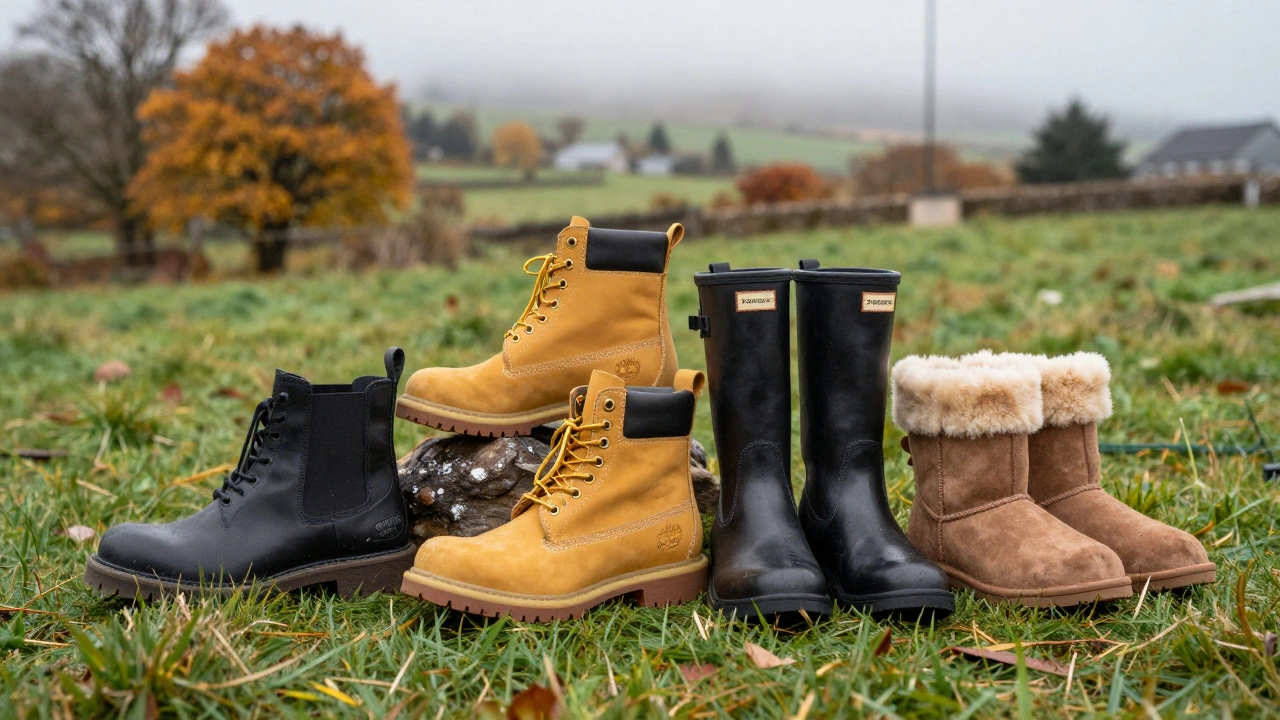
Dr. Martens is an English footwear brand famous for its air-cushioned soles and durable leather construction. Known for the classic 1460 silhouette, these are a staple for students at Trinity College and creative professionals alike. In Ireland, the appeal lies in their sheer toughness. The thick rubber sole acts as a barrier against the cold ground, and once you've broken in the leather, they are virtually indestructible against the same rain that kills off cheaper faux-leather options.
UGG is a brand specializing in sheepskin boots and slippers, primarily known for warmth and comfort. While they might seem too casual for some, the UGG Classic is the unofficial uniform for lazy Sundays in suburban Dublin or chilly mornings in the Midlands. For the Irish climate, the newer waterproofed versions are the way to go. A standard suede UGG will be ruined by a single puddle on O'Connell Street, but the weather-ready lines keep the heat in and the Atlantic moisture out.
Hunter is a luxury rubber boot brand that defines the "country chic" aesthetic. You can't go to a country fair or a rainy match at Croke Park without seeing a pair of Hunter Wellies. They are the gold standard for total waterproof protection. While they are technically "rain boots," the Chelsea boot style from Hunter has become a fashionable urban choice, allowing women to keep their feet dry during a rainy commute without looking like they're heading to a farm in Kerry.
Timberland is an American outdoor brand known for its premium nubuck leather and rugged utility. The iconic yellow boot has made a huge comeback in Irish streetwear. They provide incredible ankle support and a thick sole that handles the uneven terrain of Irish roads. Because they use high-quality materials, a bit of wax treatment makes them a powerhouse against the drizzle, making them a smart choice for those who want a blend of Americana style and practical weatherproofing.
Stuart Weitzman is a high-end luxury footwear brand focusing on elegant designs and premium materials. For the formal events of the social season or high-stakes corporate meetings in the Docklands, these are the go-to. Their leather quality is exceptional, meaning they hold up better against the elements than most "fast fashion" luxury boots. They offer the polish needed for a night out at a fancy restaurant in Kinsale while providing the structural integrity to actually walk the distance.
| Brand | Best For | Weather Resistance | Style Vibe | Typical Use Case |
|---|---|---|---|---|
| Dr. Martens | Durability | High (Leather) | Edgy/Alternative | City Walking/Daily Wear |
| UGG | Warmth | Low to Medium | Cozy/Casual | Home/Errands |
| Hunter | Extreme Rain | Maximum | Country/Preppy | Outdoors/Festivals |
| Timberland | Versatility | Medium-High | Urban/Rugged | Streetwear/Autumn Walks |
| Stuart Weitzman | Elegance | Medium | Sophisticated | Office/Formal Events |
How to Choose for the Irish Landscape
When you're shopping at Brown Thomas or browsing local boutiques in Galway, don't just look at the color. The geography of Ireland dictates your choice. If you live in the East, you might get away with a stylish leather boot for most of the year. But if you're on the West Coast, where the wind and rain are relentless, you need a boot with a sealed seam.
Consider the "Grip Test." Irish pavements, especially the older stone ones in historic centers, become like ice rinks when wet. A smooth sole is a disaster waiting to happen. Look for deep treads-often called lug soles-which bite into the surface and keep you upright. This is why Dr. Martens and Timberland are so popular here; they offer a mechanical grip that luxury flats simply don't have.
Then there is the material. Suede is a gamble in Ireland. Unless you treat it with a heavy-duty hydrophobic spray, one walk through a damp park in autumn will leave permanent water marks. Full-grain leather is the safest bet because it can be polished and waxed, creating a natural shield against the humidity. If you love the look of suede, look for "treated" or "water-resistant" labels, but always assume the rain will win eventually.
Practical Maintenance for Local Longevity
Buying expensive boots is only half the battle; keeping them alive in the Irish climate is the real trick. The salt used on roads during winter freezes can eat through leather if you aren't careful. After a particularly snowy or salty day, wipe your boots down with a damp cloth to remove the residue.
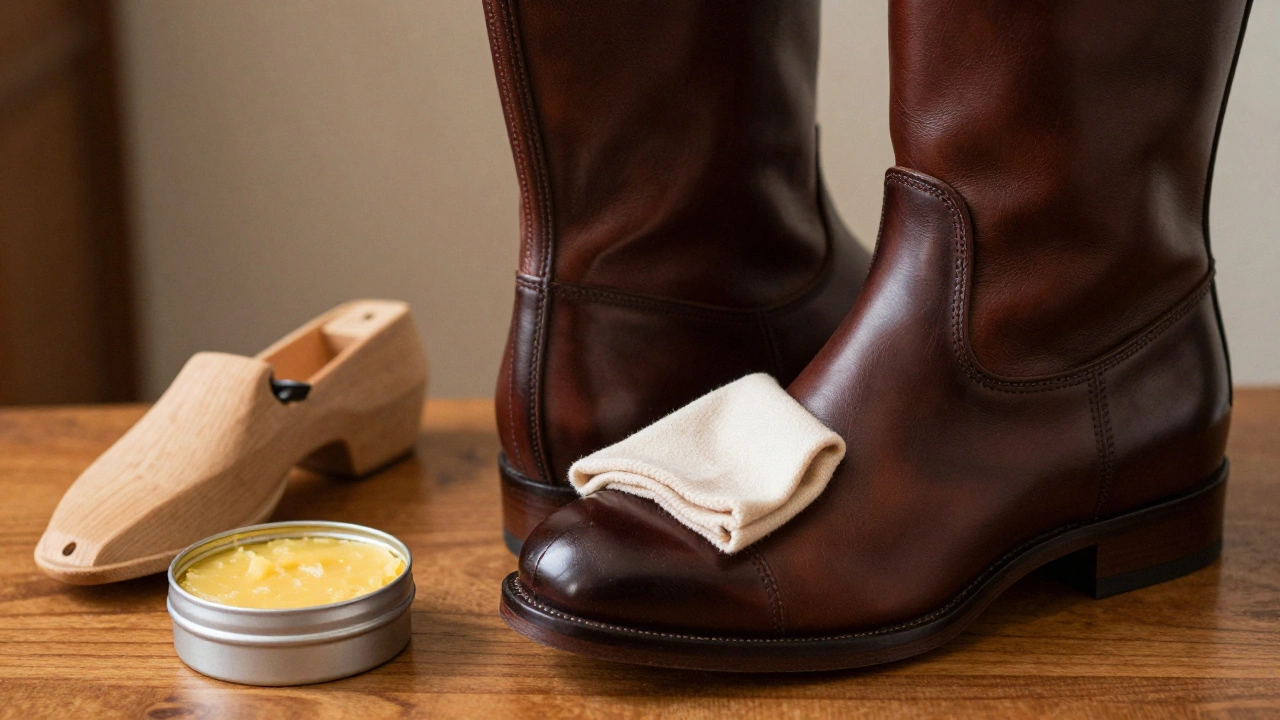
Investing in a quality cedar shoe tree is another pro tip. Because our air is so humid, leather can lose its shape or develop mold if left in a dark cupboard while damp. Cedar trees suck out the moisture and keep the boot's structure intact. Also, don't ignore the power of a good wax. Applying a beeswax-based conditioner every few months creates a barrier that prevents water from soaking into the fibers, extending the life of your investment by years.
The Sustainable Shift in Footwear
More and more people in Ireland are moving away from the "buy and toss" culture. We're seeing a rise in the second-hand market, with platforms like Depop and Vintage Kilmainham becoming hotspots for finding high-quality leather boots. Choosing a brand that offers a repair service-rather than just a replacement-is becoming a key decision factor for the eco-conscious shopper in Cork or Limerick.
When you buy a pair of boots that can be resoled by a local cobbler, you're not just saving money in the long run; you're reducing the amount of rubber and plastic ending up in landfills. The shift toward "slow fashion" fits perfectly with the rugged nature of boots; they are meant to be lifelong companions, not seasonal accessories.
Which boots are best for walking in Dublin city?
For Dublin's mix of concrete and cobblestones, a sturdy leather boot with a lug sole like Dr. Martens or Timberland is ideal. They provide the necessary cushioning for long walks and keep your feet dry during the frequent light rain showers common in the city.
Are UGG boots actually waterproof?
Standard sheepskin UGGs are not waterproof and will absorb moisture quickly. However, UGG offers specific "Weather-Ready" or waterproofed lines that use treated materials. If you're wearing them in Ireland, stick to the waterproofed versions to avoid ruining the suede.
How do I stop my leather boots from cracking in winter?
The combination of rain and road salt can dry out leather. Use a high-quality leather conditioner or beeswax polish every 6-8 weeks. This keeps the leather supple and creates a waterproof layer that prevents cracks from forming.
What is the best brand for rain-heavy regions like Galway?
In areas with extreme rainfall, Hunter is the top choice for total waterproof protection. For a more versatile daily option, a treated Timberland or a waterproof Dr. Martens boot provides a good balance of style and weather resistance.
Can I wear luxury boots like Stuart Weitzman in the rain?
Yes, provided they are made of high-quality leather and you treat them with a protector. While they aren't designed for puddles, their premium leather handles light rain well. Just avoid wearing them in heavy storms or muddy conditions to preserve the material.
Next Steps for Your Footwear Upgrade
If you're still unsure which pair to grab, start by analyzing your weekly routine. Do you spend more time on pavement or on grass? If it's the former, prioritize a sole with a bit of a lift and a sleek leather finish. If you're often in the countryside or attending outdoor festivals, go straight for the rubberized options.
For those struggling with the "break-in" period of tougher boots like Dr. Martens, try wearing thick wool socks for the first two weeks. This prevents blisters and helps mold the boot to your foot. If you're investing in a luxury pair, consider visiting a professional cobbler for a custom fit or a protective sole addition to ensure they survive the Irish streets for a decade.