Suit Details in Ireland: What Makes a Suit Work for Irish Weather and Style
When you’re looking at a suit, a tailored outfit worn for work, events, or formal occasions, typically made of wool, cotton, or synthetic blends. Also known as business attire, it’s not just about looking sharp—it’s about surviving Irish winters, damp offices, and long commutes without unraveling. A good suit in Ireland isn’t judged by how it looks on a mannequin in Dublin’s Grafton Street. It’s judged by how it holds up after three weeks of rain, a crowded train, and a pub lunch with friends. That’s why fabric, stitching, and fit matter more than brand names here.
Most suits you see in Ireland are made from wool, a natural fiber prized for its warmth, breathability, and ability to resist wrinkles even after being crushed in a bag all day. It’s the default for a reason—unlike polyester blends that trap sweat or linen that wrinkles in a breeze, wool breathes in the office and stays warm when you’re waiting for the bus. You’ll also see a lot of wool blends, mixes of wool with synthetic fibers like polyester or elastane to add stretch and reduce cost. These are fine for casual offices, but if you’re wearing a suit five days a week, go full wool. It lasts longer, looks better over time, and actually keeps you comfortable when it’s 8°C and raining outside.
Fit is everything. A suit that’s too tight looks cheap. One that’s too loose looks like you borrowed it from your dad. In Ireland, the best fits are slightly relaxed through the shoulders and taper just enough at the waist—no body-hugging styles. The jacket should end at the top of your hip bone, and the pants should break once over your shoe. No cuffs. No pleats. Just clean lines. And always check the lining—if it’s flimsy or plastic-looking, skip it. A good suit has a half-canvas or full-canvas lining that lets the fabric move naturally with your body. That’s what separates a €500 suit from a €5,000 one—not the label, but how it moves when you walk.
Where you buy it matters too. You can find cheap suits in big chain stores, but they’re usually made for quick turnover, not long-term wear. In Dublin, Galway, or Cork, look for local tailors who’ve been around for decades. They know what Irish weather does to fabric. They know how to adjust a shoulder seam so it doesn’t sag after a wet commute. And they’ll let you try it on, walk around, sit down, and even have a coffee while they check the fit. That’s the kind of service you don’t get online.
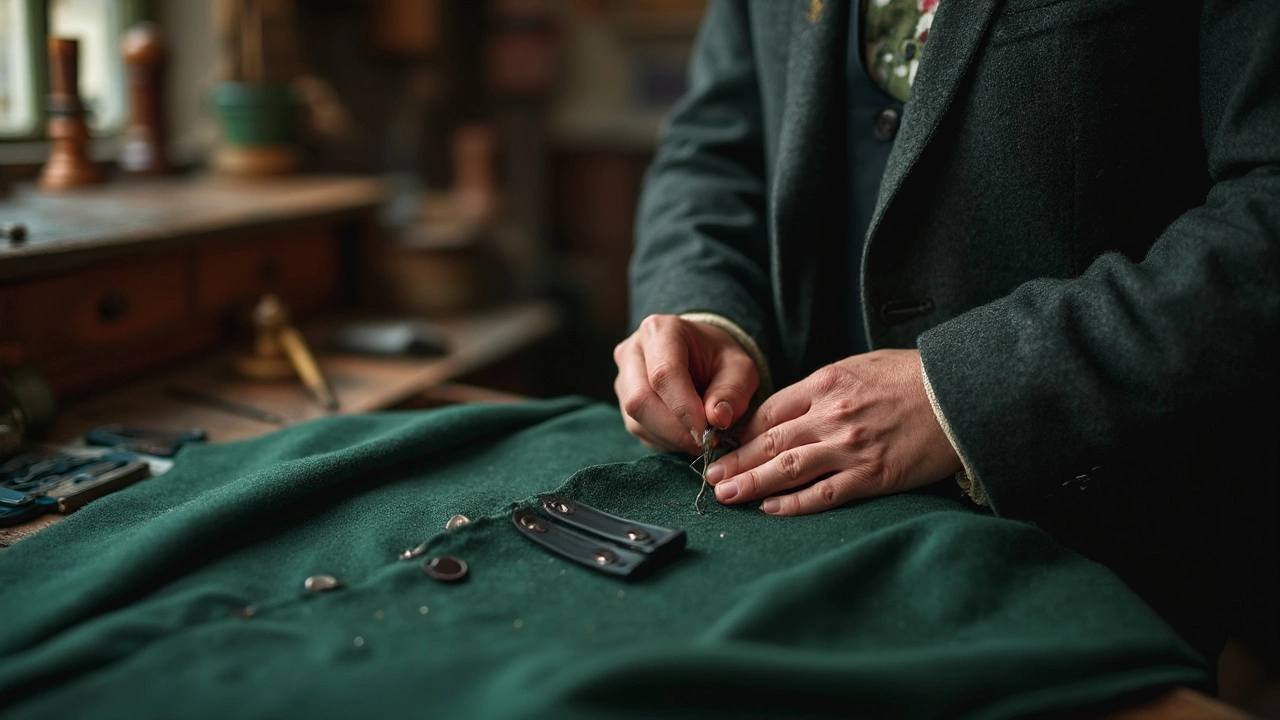
And don’t forget the details. Buttons should be sewn with thread, not glued. Pockets should be stitched shut if they’re not meant to be used. The lining should be smooth, not bunched. These are the things no one tells you—but they’re the difference between a suit that lasts five years and one that falls apart after two.
Below, you’ll find real advice from people who live this every day. Whether you’re shopping for your first suit, upgrading from a bargain bin, or just trying to understand why your last one didn’t survive winter, these posts break it down without the fluff. No hype. Just what works.