Suit Buying Tips for Ireland: How to Choose a Suit That Lasts
When you’re buying a suit, a tailored outfit worn for work, events, or formal occasions, often made from wool or wool blends. Also known as a business suit, it’s not just about looking sharp—it’s about surviving Irish winters, damp offices, and long commutes without falling apart. Too many people in Ireland buy suits based on price tags alone, only to find them shrinking after one rainy season or unraveling at the seams by spring. A good suit here isn’t about being the most expensive—it’s about being the right one for your life.
The real difference between a cheap suit and a good one comes down to three things: fabric, stitching, and fit. Look for wool or wool-blend fabrics—preferably over 70% wool. Synthetic blends like polyester might look fine in the store, but they trap heat, don’t breathe, and get shiny fast. Irish tailors swear by wool, a natural fiber that resists wrinkles, repels moisture, and keeps you warm without bulk. It’s why brands like A. K. O’Connor and local tailors in Dublin and Galway stick to it. Check the stitching: if the lapel is fused instead of canvassed, skip it. Fused suits collapse after a few wears. Canvassed suits have a layer of horsehair between the fabric and lining—they move with you, last years, and hold their shape even after rain.
Fit matters more than brand. A suit that’s too tight in the shoulders or too long in the sleeves looks expensive and feels like a costume. In Ireland, where layers are normal, you need room for a jumper underneath without looking like you’re bursting out of your clothes. Shoulder seams should sit right where your arm meets your shoulder—not an inch forward or back. Sleeve length? It should show about half an inch of your shirt cuff. And never buy a suit without trying it on with the shoes you’ll wear to work. Flat soles, brogues, or even sturdy loafers change how the pants break. A suit that looks perfect on the hanger can look sloppy on your feet.
Price? A decent suit in Ireland starts around €400 and goes up from there. You don’t need to spend €2,000 unless you’re on a red carpet. But avoid anything under €250—it’s almost always fused, thin, and poorly cut. The sweet spot is €450–€800, where you get real wool, proper construction, and a chance at tailoring. And yes, tailoring is non-negotiable. Even a €600 suit can look custom if the pants are shortened and the waist taken in. Local tailors in Cork, Limerick, and Belfast can do this for under €100. That’s cheaper than replacing a suit every two years.
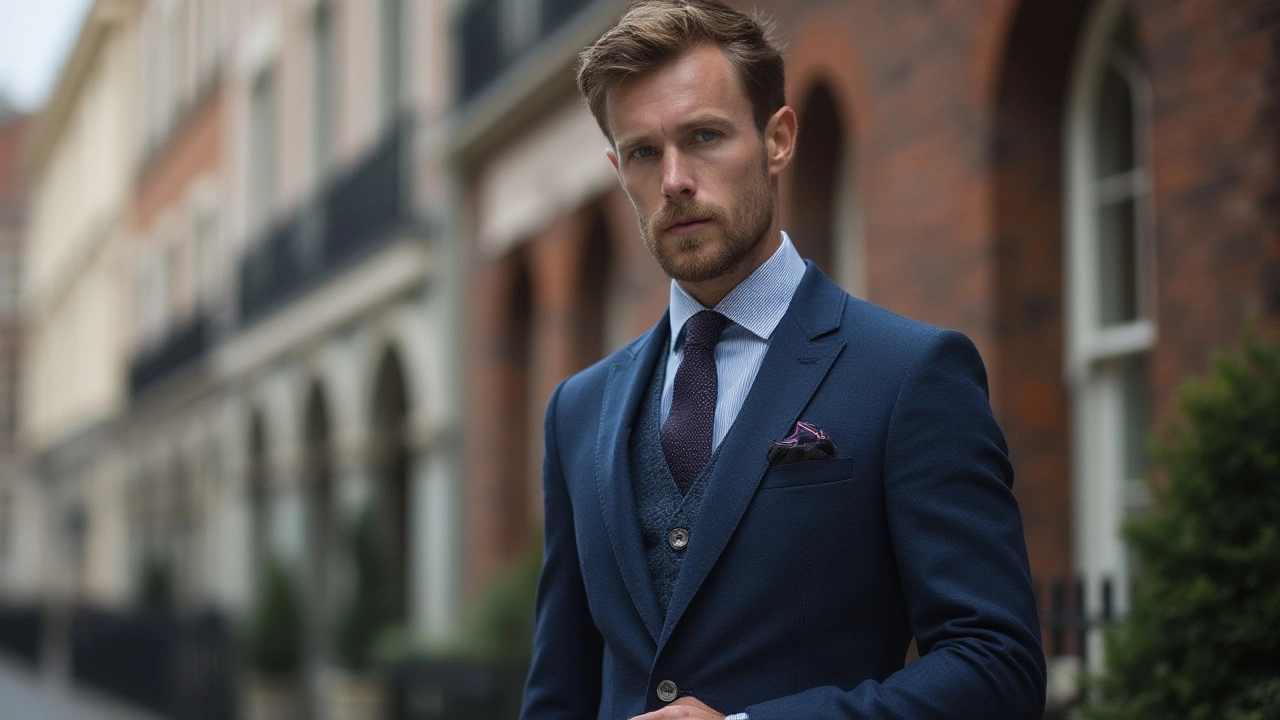
And don’t forget color. In Ireland, navy and charcoal are your best friends. They hide rain spots, match with every shirt, and work from boardrooms to weddings. Black is too formal for most offices here, and brown suits fade too fast under our gray skies. Stick to the classics. Also, skip the shiny fabrics. Matte finishes don’t show lint, sweat, or road salt.
What you’ll find below are real stories from Irish buyers who got it right—or wrong. We’ve got tips on spotting a fake tailor, where to find hidden sales on quality suits, and why your local dry cleaner might be your best ally. No fluff. No hype. Just what works in a country where the weather doesn’t care how much you paid for your clothes.