Irish Worker Foot Health Scorecard
Based on the article "Surviving a 12-Hour Shift on Your Feet," this tool helps you evaluate your current setup. Adjust the inputs below to see how different strategies impact your comfort and risk levels.
Your Foot Health Score
--Risk Level: Calculating...
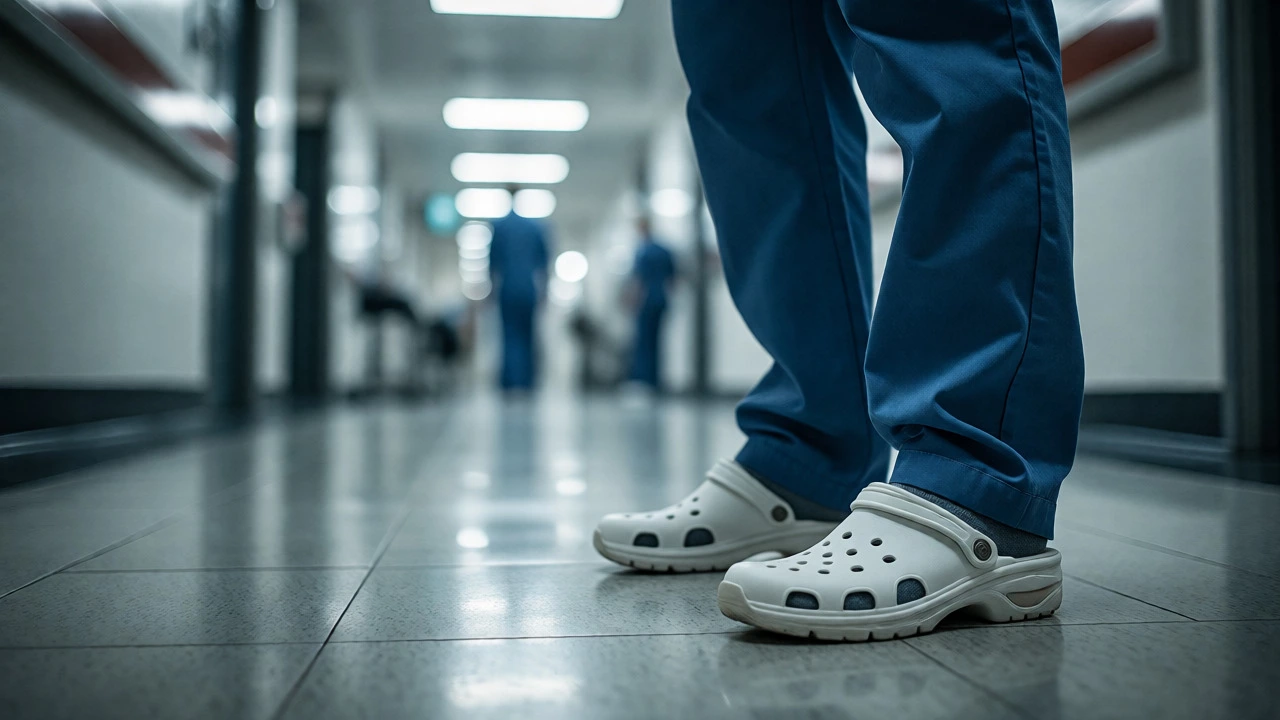
Standing for twelve hours straight isn’t just tiring; it’s physically punishing. Whether you’re pulling a double at the Mater Hospital in Dublin, managing stock during the Black Friday rush at Dundrum Town Centre, or working the floor in a busy pub in Galway, your feet take the brunt of the abuse. The question isn’t whether they’ll hurt-they will-it’s how to keep moving without needing an ice bath and a pint of Guinness as medical intervention by the time you clock off. If you are looking for work shoes that actually help you survive the grind, you need more than just a comfortable cushion. You need a strategy.
The Reality of Standing Still vs. Walking
Here is something most people get wrong: standing still is often worse for your circulation than walking around. When you stand static, blood pools in your lower legs because gravity is winning against your calf muscles, which aren’t pumping blood back up to your heart efficiently. This leads to swelling, varicose veins, and that heavy, leaden feeling in your legs by hour eight. In Ireland, where many service roles involve long periods of waiting on your feet-think security guards at Croke Park or checkout staff in Tesco Metro-the lack of movement is the real enemy.
To combat this, you have to trick your body into thinking it’s active. Engage your core slightly; slouching puts extra pressure on your lower back, which radiates down to your hips and knees. Shift your weight from one leg to the other every few minutes. If you can, use a small step stool or even a sturdy box to rest one foot on alternately. This changes the angle of your pelvis and relieves tension in the lumbar spine. It’s a tiny adjustment, but after ten hours, it saves your back from screaming at you.
Choosing the Right Footwear: Beyond Brand Names
You’ve probably heard friends rave about expensive running shoes like Hoka or Brooks. While these are great for jogging, they aren’t always ideal for standing. Running shoes are designed with a thick heel drop to encourage forward motion. When you stand still, that elevated heel pushes your center of gravity forward, forcing your calves to work harder just to keep you upright. Over twelve hours, this causes severe calf fatigue.
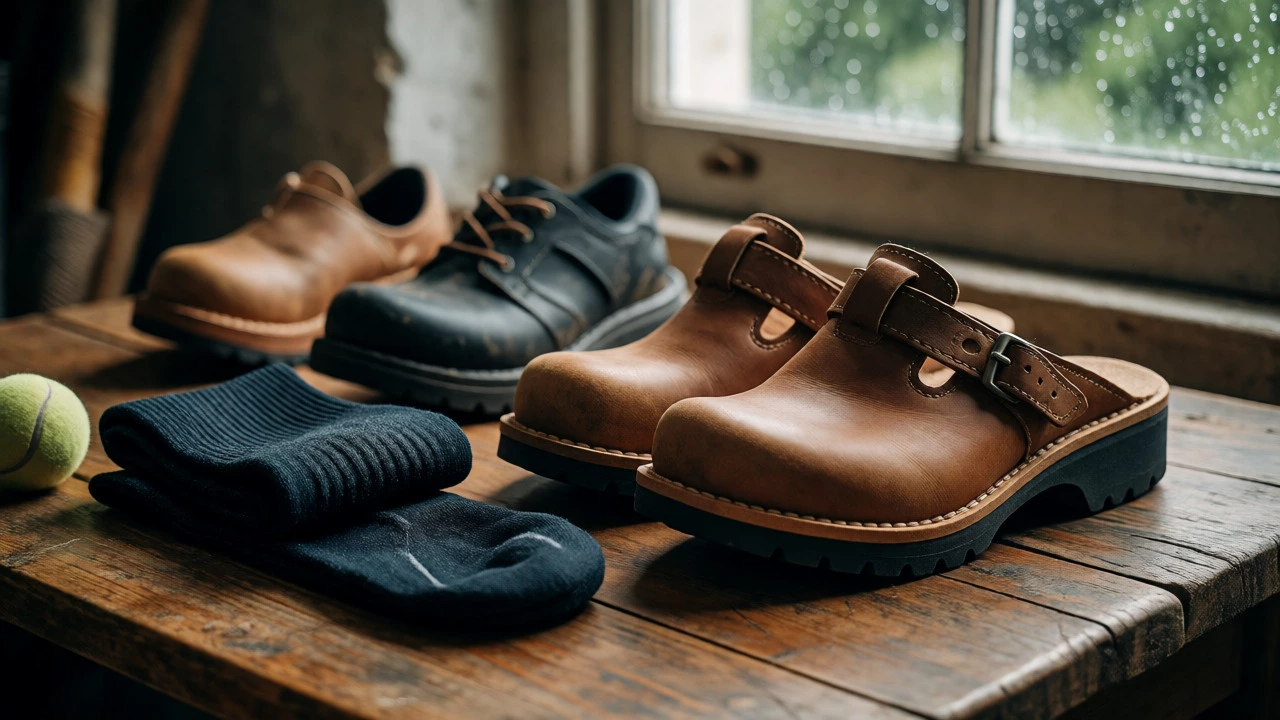
Look for shoes with a wide toe box. Irish winters mean you might be wearing thicker socks, and if your toes are cramped, you risk developing bunions or neuromas. Brands like Dansko, Birkenstock (with proper break-in), and specialized nursing brands like Nurse Mates or Dansko Professional are popular in the Irish healthcare sector for a reason. They offer rigid shanks that prevent the shoe from twisting, providing a stable platform. Remember, a soft sole feels good for five minutes; a supportive sole feels good for five hundred.
The Importance of Compression Socks
If there is one piece of equipment that changes the game for Irish shift workers, it’s compression socks. These aren’t the fancy, thin ones you buy as gifts; they are medical-grade graduated compression garments. They apply gentle pressure to your ankles and gradually decrease as they go up the leg. This mechanical action helps push venous blood back toward the heart, reducing swelling and fatigue.
In Ireland, you can pick up decent pairs from pharmacies like Boots or independent chemists in town centres, or order higher-quality medical grades online from providers like Medi-Stock or Amazon UK. Look for 15-20 mmHg or 20-30 mmHg compression levels. For a standard 12-hour shift, 15-20 mmHg is usually sufficient unless you have existing circulatory issues. Wear them before you put your shoes on in the morning. If you wait until your feet are already swollen, getting them on becomes a wrestling match, and they won’t fit properly.
Nutrition and Hydration: Fueling the Engine
Your feet need fuel, and not just caffeine. Dehydration thickens your blood, making it harder for your heart to pump it against gravity. In the heat of a summer festival crew job or the dry air of a hospital ward, dehydration sneaks up on you. Aim to drink water consistently throughout the shift, not just chugging it when you’re parched.
Electrolytes matter too. If you’re sweating, you’re losing sodium and potassium, which are crucial for muscle function. Cramps in the feet or calves are often a sign of electrolyte imbalance, not just tiredness. Pack some bananas, salted nuts, or an electrolyte powder sachet for your water bottle. Avoid excessive sugary snacks from vending machines; the sugar crash combined with physical exhaustion will make the last three hours feel like a marathon through mud.
Mental Strategies and Micro-Breaks
Physical endurance is only half the battle. Mental fatigue makes pain feel sharper. Break the shift down into manageable chunks. Don’t think about the remaining eight hours; think about getting through the next hour. Use micro-breaks effectively. Even if you can’t sit, find two minutes to stretch. Roll your ankles, flex your toes, and do calf raises while pretending to check a stock list.
Engage your mind. Listen to a podcast or audiobook if your role allows earbuds. Distraction is a powerful analgesic. If you’re in retail, chat with colleagues. Social interaction releases oxytocin, which can naturally lower stress hormones. In Irish workplaces, the craic is a legitimate survival tool. Laughing takes the focus off your throbbing soles.
Recovery: What to Do After the Shift
Once you clock out, don’t just collapse onto the sofa. Elevate your legs above the level of your heart for at least fifteen minutes. This uses gravity to drain the pooled blood and fluid from your lower extremities. Lie on your back and prop your feet up on pillows or against the wall. It sounds simple, but it significantly reduces morning stiffness the next day.
Consider using a tennis ball or a frozen water bottle to roll under your arches. This self-massage breaks up tight fascia and provides immediate relief. If you have access to a hot tub or a warm bath, soak your feet. The warmth increases blood flow and relaxes tense muscles. Some workers swear by Epsom salts, though scientific evidence is mixed, the ritual itself promotes relaxation.

Common Pitfalls to Avoid
- Wearing new shoes: Never debut a new pair of work shoes on a 12-hour shift. Break them in over several shorter shifts first. Blisters are inevitable otherwise.
- Ignoring sock hygiene: Change your socks halfway through the shift if possible. Moisture breeds bacteria and fungus, leading to athlete’s foot, which is common in damp Irish climates.
- Skipping lunch: Sitting down for twenty minutes to eat gives your feet a genuine rest. Standing while eating denies you this recovery window.
- Over-relying on painkillers: Taking ibuprofen daily to mask pain can hide underlying injuries. Use them sparingly and address the root cause-usually poor footwear or posture.
Local Considerations for Irish Workers
Ireland’s weather plays a hidden role in foot health. Wet, cold conditions can stiffen joints and reduce circulation. If you work outdoors, such as in construction or agriculture, waterproof boots with insulated linings are non-negotiable. However, ensure they breathe. Trapped moisture from sweat inside a waterproof boot creates a swampy environment that degrades skin integrity. Wool-blend socks are superior here; they wick moisture away better than cotton, keeping feet drier and warmer.
For those commuting via public transport in cities like Cork or Limerick, remember that standing on buses or trams adds to your daily foot load. Factor this travel time into your total standing hours. If your bus journey involves forty minutes of standing, you’re effectively working a thirteen-hour shift on your feet. Adjust your footwear choice accordingly, prioritizing maximum cushioning for transit segments.
| Feature | Running Shoes | Dress Shoes | Specialized Work Shoes |
|---|---|---|---|
| Heel Drop | High (8-12mm) | Low/Medium | Low (0-4mm) |
| Sole Flexibility | Very High | Low | Controlled Stiffness |
| Arch Support | Variable | Poor | Excellent |
| Best For | Walking/Jogging | Short Events | Standing All Day |
Frequently Asked Questions
Do compression socks really work for 12-hour shifts?
Yes, clinical studies and anecdotal evidence from nurses and retail workers strongly support their effectiveness. They improve venous return, reduce swelling, and delay the onset of fatigue. For best results, wear them correctly fitted and put them on before swelling starts.
Are memory foam insoles good for standing all day?
Not necessarily. Memory foam compresses over time and loses its shape, offering less support after a few hours. For long shifts, look for insoles made from firmer materials like polyurethane or cork, which provide consistent structural support rather than just soft cushioning.
How often should I replace my work shoes?
If you work full-time on your feet, expect to replace work shoes every 6 to 9 months. Once the midsole loses its bounce or the tread wears unevenly, they no longer provide adequate shock absorption, transferring impact directly to your joints.
What is the best position to sleep in after a hard shift?
Sleeping with your legs elevated above heart level is ideal. Place pillows under your calves (not just your heels) to allow gravity to drain fluid from your feet and ankles. This helps reduce morning puffiness and speeds up recovery.
Can standing mats help in Irish workplaces?
Yes, anti-fatigue mats are highly effective if your employer allows them. They encourage subtle muscle movements in your feet and legs, which improves circulation compared to standing on hard concrete or tile floors common in many Irish retail and healthcare settings.