Streetwear vs. Sportswear Style Calculator
Unsure if your current look is a 'Gym Session' or a 'Dublin Coffee Run'? Answer these 5 quick questions about your outfit to find out where you stand on the spectrum.
Your Style Profile
Result Title
Description goes here.
Advice for your next purchase.
Fill out the form to see your results.
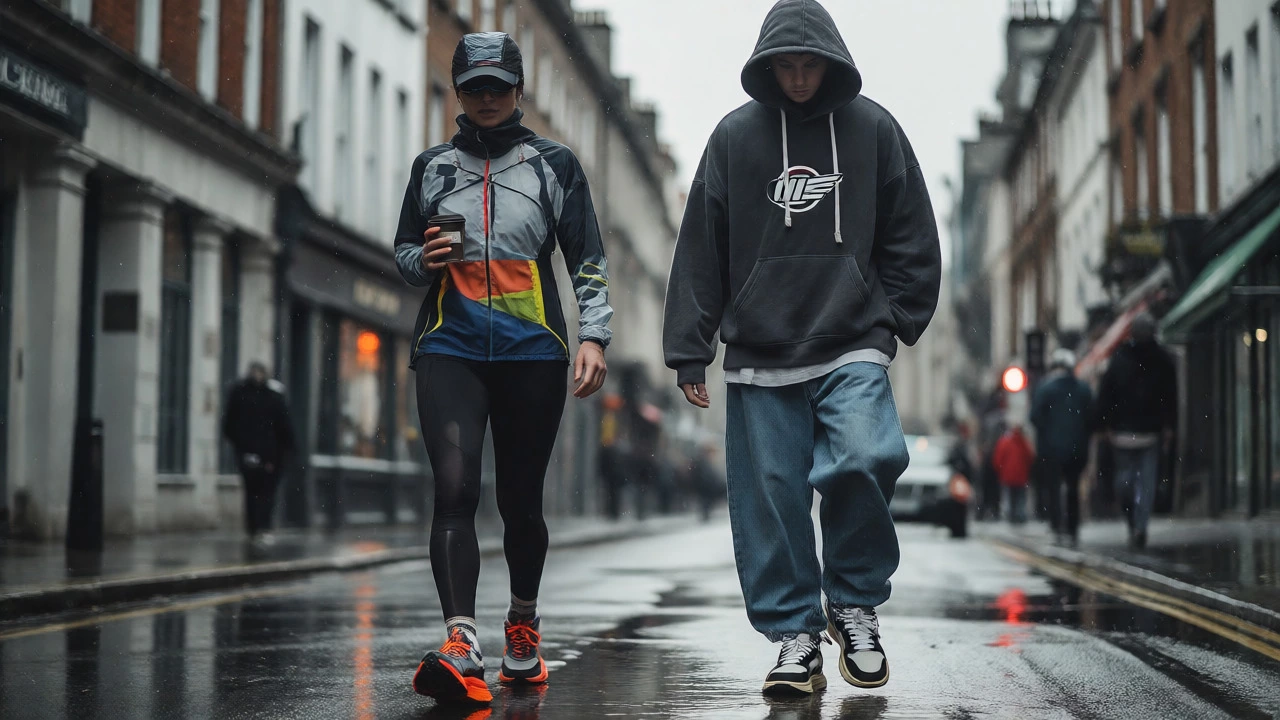
You’re walking down Grafton Street on a rainy Tuesday. The person next to you is wearing expensive technical running shoes and a branded hoodie that costs more than your weekly grocery shop. They aren’t going to the gym. They aren’t even running. They’re just trying to stay dry while grabbing a coffee. This scene plays out daily across Dublin, Cork, and Galway, blurring the lines between what we wear for performance and what we wear for style. But is there actually a difference between streetwear and sportswear? Or have they merged into one big, comfortable blob of cotton and polyester?
The short answer: yes, there’s a massive difference. While they often look similar, their origins, purposes, and cultural codes are totally distinct. Understanding this distinction helps you build a wardrobe that actually works for the Irish climate and lifestyle, rather than just copying trends blindly.
The Core Difference: Purpose vs. Identity
Let’s strip it back. Sportswear is clothing designed specifically for physical activity, prioritizing function, durability, and biomechanical support. Think moisture-wicking fabrics, reinforced stitching, and cuts that allow for a full range of motion. If you’re playing Gaelic football in Croke Park or hiking the Wicklow Mountains, you need gear that performs under stress. It’s about utility.
Streetwear is a fashion movement rooted in urban culture, skateboarding, hip-hop, and surf communities, prioritizing brand identity, exclusivity, and aesthetic expression. It borrows heavily from sports, but the goal isn’t to help you run faster. The goal is to signal who you are. In Ireland, this shift has been huge. We’ve moved from seeing tracksuits as 'lazy' attire to viewing them as high-fashion statements.
| Feature | Sportswear | Streetwear |
|---|---|---|
| Primary Goal | Performance & Comfort | Status & Style |
| Fabric Tech | High (Dri-FIT, Gore-Tex) | Low/Medium (Heavy Cotton, Fleece) |
| Fit | Ergonomic/Athletic | Oversized/Boxy |
| Price Driver | R&D Costs | Brand Hype/Limited Drops |
| Irish Context | GAA kits, Running gear | Sneaker culture, Vintage tees |
Origins: From the Gym Floor to the Skate Park
To understand why your $150 hoodie doesn’t make you a better runner, you have to look at where these styles came from. Sportswear evolved from military uniforms and early Olympic training gear. Companies like Nike and Adidas started by making shoes for athletes. The tech was real. Air cushions and carbon plates were engineered to shave seconds off race times.
Streetwear, however, was born on the streets of New York and Los Angeles in the late 80s and 90s. It wasn’t about engineering; it was about community. Brands like Stüssy and Supreme didn’t start with factories; they started with stickers and limited t-shirts sold to skaters and DJs. When this culture hit Ireland, it landed hard in cities like Dublin and Belfast. You didn’t need to be an athlete to wear a baggy tee. You just needed to know which brands were 'cool.' This cultural capital became the currency of streetwear.
The Irish Climate Factor
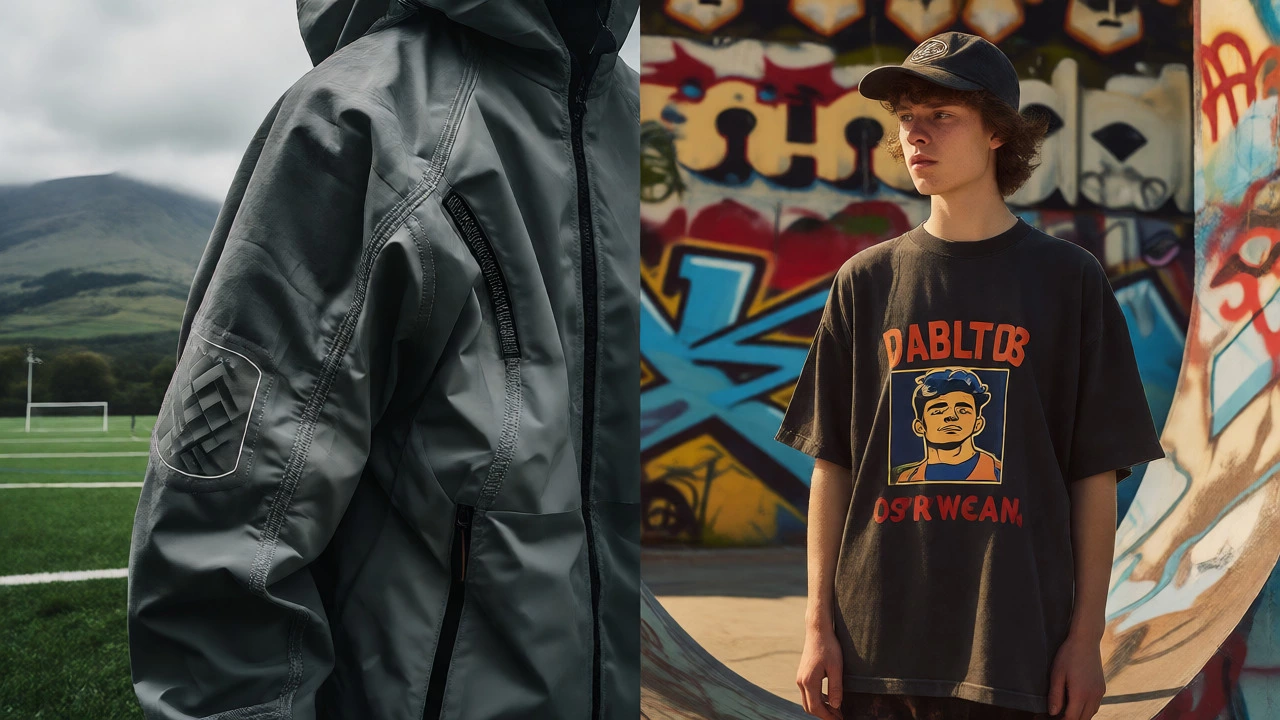
Here’s where things get interesting for us in Ireland. Our weather is unpredictable. One minute it’s sunny in Temple Bar, the next it’s sideways rain in Ranelagh. True sportswear excels here because it’s built for the elements. Technical jackets from brands like Arc’teryx or local favorites like Páramo (based in Northern Ireland) use breathable membranes that keep you dry without overheating.
Traditional streetwear, however, often relies on heavy cotton hoodies and denim. These absorb water like sponges. Have you ever tried to walk home in Dublin after a downpour wearing a thick, non-technical hoodie? You’ll feel that weight for miles. Because of our damp climate, the line between practical outerwear and street style has blurred significantly. Many Irish consumers now buy 'tech-fleece' hybrids-garments that look like streetwear but perform like sportswear. It’s a survival hack disguised as fashion.
Brands and Local Culture
In the global market, hype drives streetwear. Drops sell out in minutes. But in Ireland, the dynamic is slightly different. We don’t have the same density of exclusive flagship stores as London or Paris, so access matters more. Stores like JD Sports and Foot Locker dominate the high street, offering accessible 'sport-luxe' options. However, independent boutiques in Dublin’s Smithfield or Cork’s Grand Parade curate niche streetwear labels that focus on quality over logo-mania.
There’s also a strong sense of local pride. Wearing a vintage GAA jersey isn’t just sportswear; it’s a piece of cultural heritage. Similarly, supporting Irish designers like Simone Rocha or Paul Costelloe adds a layer of sophistication that mass-market streetwear lacks. The key takeaway? Don’t just buy what’s trending globally. Look for pieces that resonate with your local identity. A well-fitted track pant from a reputable athletic brand will last longer in the wash than a fast-fashion knockoff, saving you money in the long run.
How to Mix Them Without Looking Like You Forgot Your Clothes
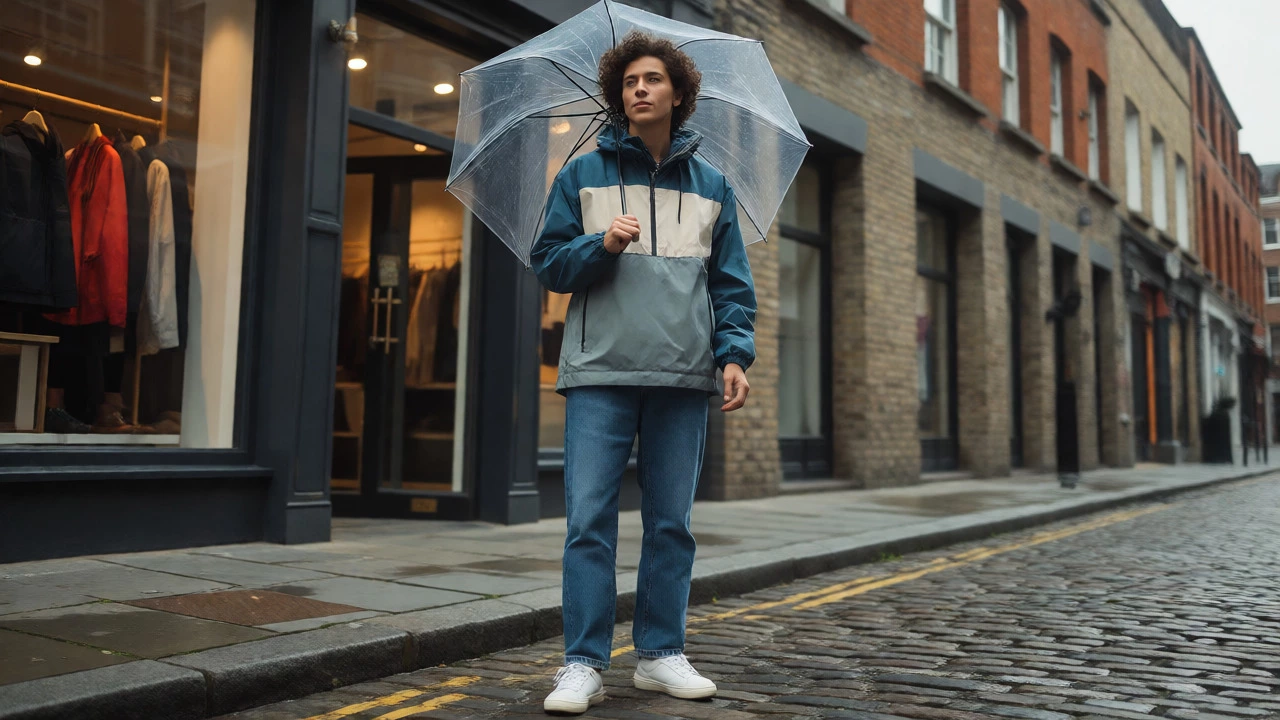
So, how do you wear both without looking confused? The secret is balance. If you go all-in on sportswear, you might look like you’re heading to a CrossFit session. If you go all-in on oversized streetwear, you might look like you’re hiding something.
- The Top Half: Pair a technical windbreaker (sportswear) with relaxed-fit jeans (casual/street). This keeps the silhouette sharp but functional.
- The Bottom Half: Wear tailored joggers (hybrid) with a crisp white sneaker (classic street staple). Avoid matching sets unless you’re actually working out.
- Footwear: Sneakers are the bridge. Classic models like the Nike Air Force 1 or Adidas Stan Smith straddle both worlds perfectly. They offer enough comfort for walking around Dublin Castle but enough style for a night out.
Avoid the 'full kit' trap. Unless you’re playing hurling, wearing a complete team kit with socks pulled up can look dated. Instead, take one element-a cap, a sock, or a jacket-and mix it with everyday clothes.
Investment vs. Expense
Think about your budget. Sportswear is an investment in longevity. High-quality running shoes protect your joints. A good waterproof shell keeps you warm for years. Streetwear is often an expense on aesthetics. Limited edition items hold value, sure, but most fast-fashion streetwear falls apart after ten washes. In Ireland, where we spend a lot of time outdoors, prioritize fabric quality. Check the label. Is it 100% cotton? Does it have elastane for stretch? If it’s purely synthetic and cheap, it’ll smell bad after one day in a crowded tram. Spend more on fewer, better pieces.
Can I wear sportswear to work in Ireland?
It depends on your industry. In tech startups in Dublin or creative agencies, smart athleisure is widely accepted. Stick to neutral colors, clean sneakers, and avoid visible logos. For traditional corporate roles, stick to formal wear or smart casual blazers.
Are Irish brands considered streetwear?
Some are. Brands like Oxfam Vintage (popular in Dublin) and local designers create unique pieces that fit the streetwear ethos of individuality. Traditional Irish wool brands are more heritage-focused, but collaborations between Irish artisans and global streetwear labels are becoming common.
What is the best fabric for Irish weather?
Merino wool is king. It regulates temperature, resists odor, and stays warm when wet. Synthetic blends with Gore-Tex technology are excellent for rain protection. Avoid pure heavy cotton for outer layers, as it retains moisture and takes forever to dry in our humid climate.
Why is streetwear so expensive?
Scarcity and marketing. Brands release limited quantities to create demand. You’re paying for the brand story and social status, not necessarily superior materials. Sometimes a plain grey tee costs €50 simply because of the logo printed on it.
Is athleisure the same as streetwear?
Not exactly. Athleisure is clothing designed for exercise that is suitable for casual wear. Streetwear is a subculture-driven fashion trend. Athleisure focuses on comfort and function; streetwear focuses on image and exclusivity. They overlap, but their motivations differ.