Irish Work Shoe Finder
If you’re working a retail shift on Grafton Street or managing a warehouse in Dublin’s industrial estate, your feet are taking a beating. The damp Irish climate and hard concrete floors create a perfect storm for foot pain. You don’t need to suffer through eight hours of throbbing heels just because it’s part of the job description. Whether you’re a nurse at Mater Private Hospital or a barista in Cork, the solution isn’t just "toughing it out." It’s about understanding how your footwear interacts with your body and the specific conditions here in Ireland.
Most people think buying expensive shoes solves everything. They walk into Brown Thomas or Arnotts, pick up a pair of designer loafers, and expect miracles. But if those shoes lack proper arch support or have a flat sole that offers no shock absorption, they’re useless for standing. In Ireland, where rain is a constant companion, many workers wear waterproof boots that are often heavy and rigid. If those boots aren’t designed for ergonomics, your lower back will pay the price by lunchtime. Let’s look at what actually stops the pain, from shoe selection to daily habits.
The Root Cause of Workplace Foot Pain
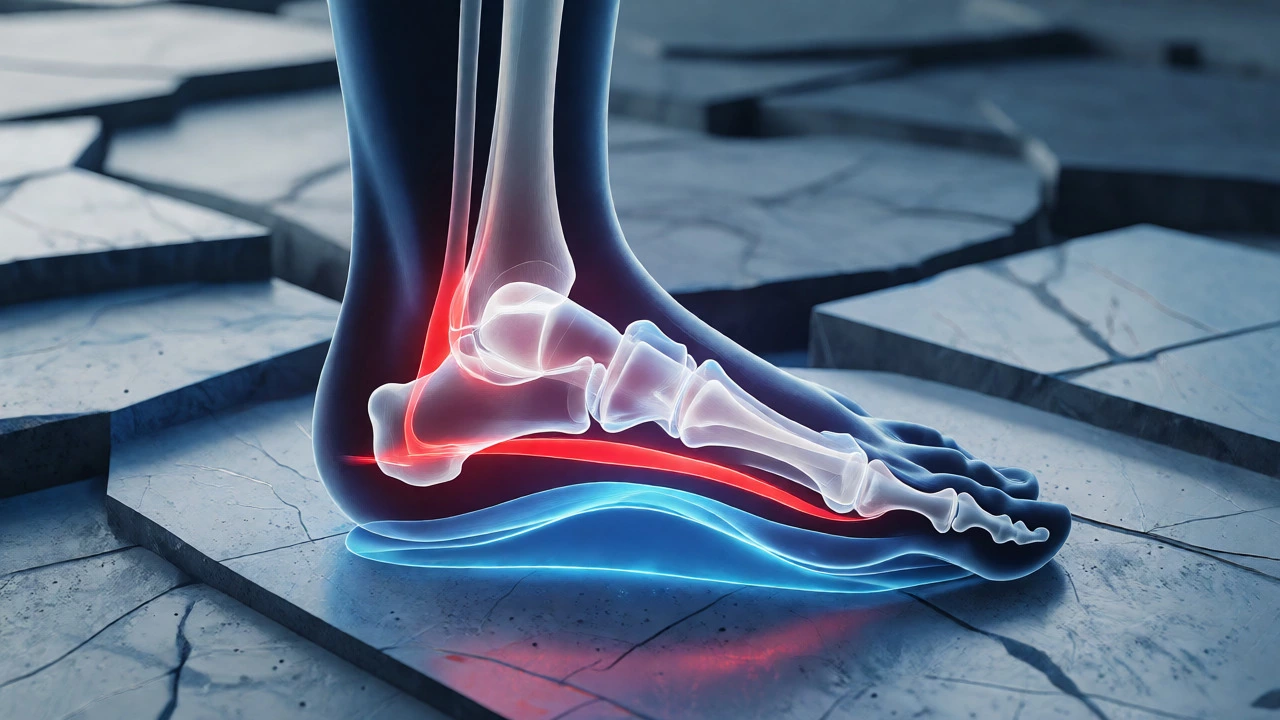
Why do your feet hurt so much? It’s rarely just about the shoe itself. It’s about biomechanics. When you stand still for long periods, blood pools in your legs. This increases pressure in your veins and puts strain on your plantar fascia-the thick band of tissue running across the bottom of your foot. Over time, this leads to plantar fasciitis, a condition common among Irish service industry workers who spend hours on their feet.
Consider the typical Irish work environment. Many older buildings in cities like Galway or Limerick have uneven stone floors or thin wooden planks that offer zero cushioning. Even modern offices often use polished concrete or laminate flooring that reflects impact straight back up your skeletal chain. Without intervention, every step sends a micro-shockwave through your knees, hips, and spine. Your feet are the foundation; if they collapse under pressure, the whole structure fails.
Another major factor is footwear design versus function. Fashionable shoes often prioritize aesthetics over anatomy. A narrow toe box squeezes your toes together, restricting circulation and causing bunions. Flat soles force your arch to flatten completely, stretching the ligaments beyond their comfort zone. If you’re wearing standard-issue safety boots from a local hardware store without custom insoles, you’re likely compensating for poor fit by shifting your weight awkwardly. This creates muscle fatigue that feels like deep, burning pain rather than sharp injury.
Choosing the Right Work Shoes in Ireland
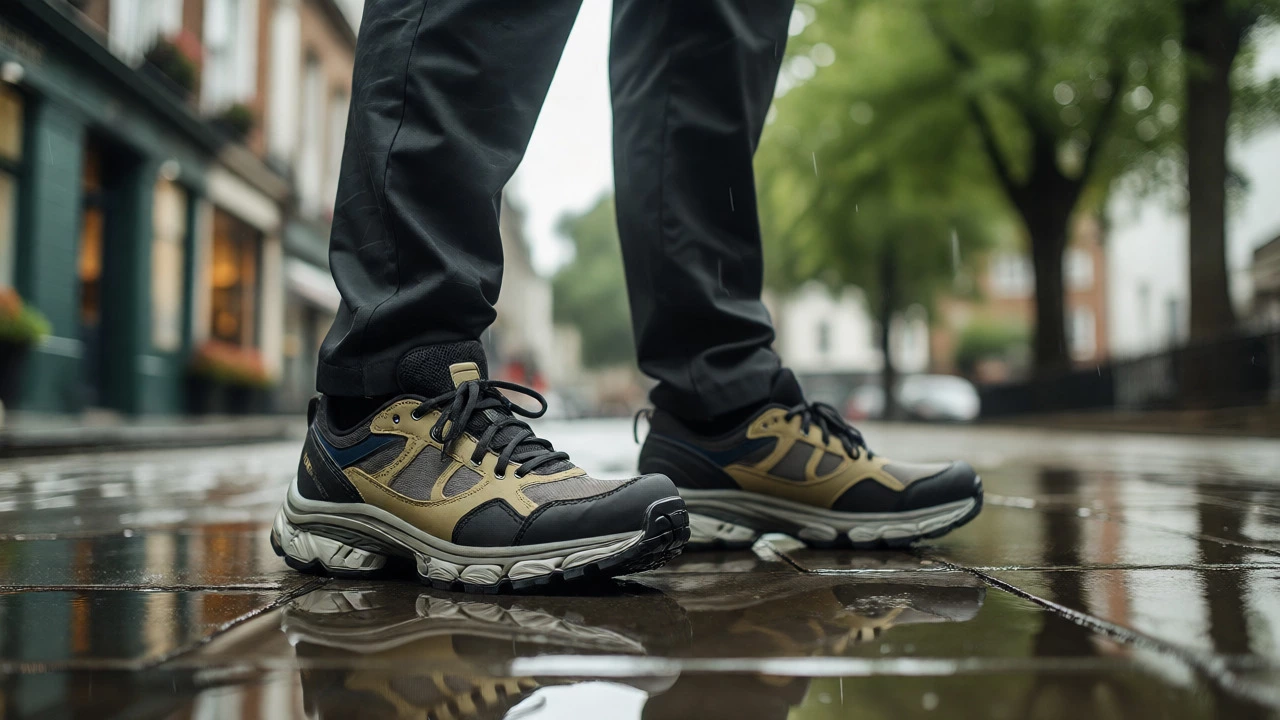
Selecting the right work shoes is the first line of defense. But not all work shoes are created equal. In Ireland, you need footwear that handles wet weather while providing ergonomic support. Look for features specifically designed for prolonged standing.
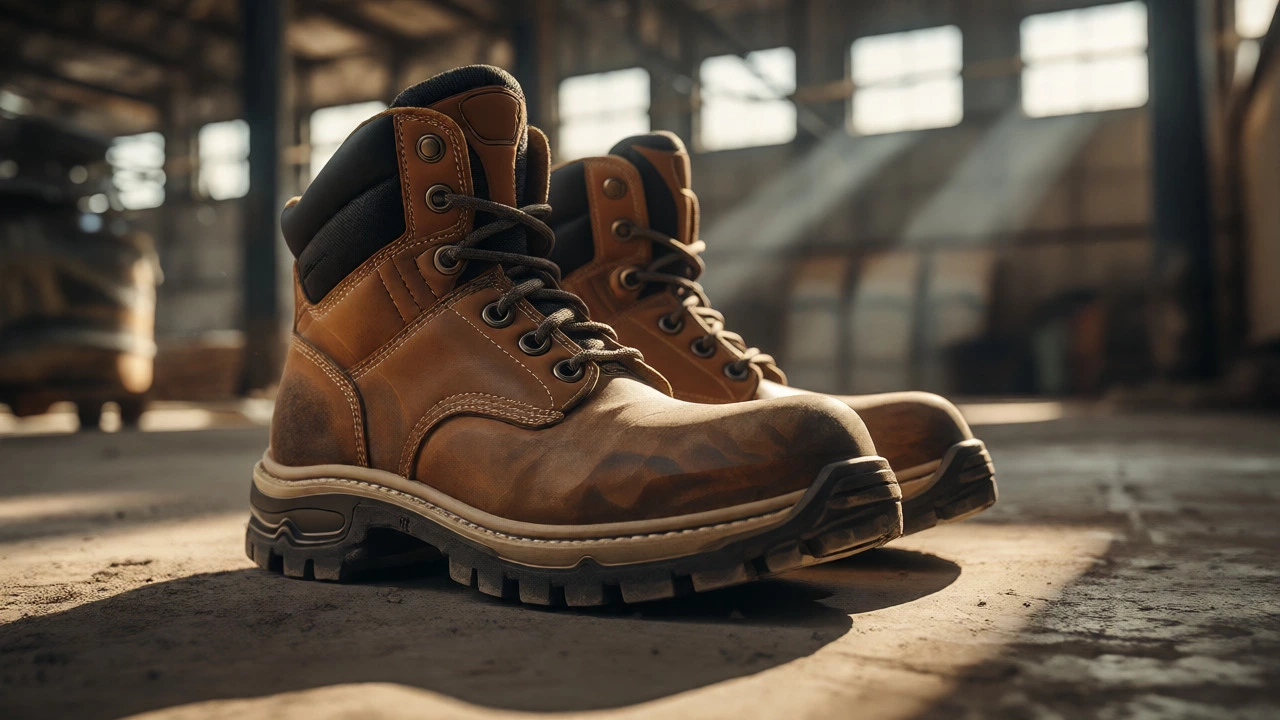
First, check the heel drop. A slight elevation (about 1-2 cm) can relieve tension on the Achilles tendon and calf muscles. However, avoid high heels or completely flat soles. Mid-range athletic-style work shoes often provide the best balance. Brands like Skechers or New Balance have gained popularity in Irish workplaces because they blend sneaker comfort with professional looks. For construction sites, steel-toe caps are mandatory, but ensure the boot has a padded collar and tongue to prevent rubbing against your ankles.
Waterproofing is non-negotiable in our climate. Wet socks lead to blisters and fungal infections, which worsen pain. Gore-Tex lining is the gold standard for breathability and water resistance. However, don’t sacrifice ventilation for waterproofing. If your feet sweat excessively, trapped moisture causes skin breakdown. Look for shoes with mesh panels in dry environments and full leather or synthetic waterproof membranes in rainy ones.
| Shoe Type | Best For | Cushioning Level | Ideal Irish Use Case |
|---|---|---|---|
| Athletic Style | Retail, Hospitality | High | Shopping centers, cafes |
| Safety Boots | Construction, Warehousing | Moderate-High | Outdoor sites, factories |
| Nursing Clogs | Healthcare | High | Hospitals, clinics |
| Dress Shoes | Office, Corporate | Low-Moderate | Corporate offices (with insoles) |
Fit is critical. Buy shoes in the afternoon when your feet are slightly swollen from the day’s activity. This mimics the state of your feet during a long shift. Always try them on with the same thickness of socks you’ll wear at work. If you’re between sizes, go larger. Tight shoes restrict blood flow, exacerbating swelling and pain.
The Power of Orthotic Insoles
Even the best shoes can fail if they don’t match your foot shape. This is where orthotic insoles come in. Most factory-made shoes have generic, flimsy liners that break down within weeks. Custom or semi-custom insoles provide structured support tailored to your arch type.
You don’t always need a podiatrist to prescribe expensive custom molds. Pharmacies across Ireland, such as Boots or independent local chemists, sell high-quality pre-molded insoles made from materials like EVA foam or carbon fiber. These can be trimmed to fit your shoe. Look for brands like Superfeet or Dr. Scholl’s, which are widely available in Dublin and other urban areas. Test them for two weeks before deciding if they help.
Insoles work by redistributing pressure away from sensitive spots. If you have flat feet, your arch collapses inward, twisting your knee and hip. An insole with strong medial posting prevents this roll-over. If you have high arches, your foot doesn’t absorb shock well, leading to heel pain. A cushioned insole fills the gap and provides necessary padding. Remember, insoles change the internal volume of your shoe. You might need a half-size up to accommodate them comfortably.
Practical Habits to Reduce Strain
Footwear alone won’t fix everything. How you move matters just as much as what you wear. Static standing is worse than walking because muscles remain tense without pumping blood back to the heart. Incorporate micro-movements into your routine. Shift your weight from one foot to the other every few minutes. Rise onto your tiptoes occasionally to engage your calf muscles and pump venous blood upward.
Use anti-fatigue mats if possible. Many Irish employers in retail and food service now recognize the value of these mats. They reduce joint stress by up to 50% compared to hard floors. If your workplace doesn’t provide them, ask. It’s a low-cost investment that boosts productivity and reduces sick days related to musculoskeletal issues. At home, elevate your legs above heart level for 15 minutes after work. This helps drain pooled blood and reduces evening swelling.
Stretching is essential. Tight calves pull on the heel bone, increasing strain on the plantar fascia. Perform simple stretches against a wall twice daily. Hold each stretch for 30 seconds. Also, roll your feet over a frozen water bottle or tennis ball. This acts as a self-massage, loosening tight tissues and reducing inflammation. Do this while watching TV or relaxing after a shift.
When to See a Professional
Persistent pain that doesn’t improve with better shoes and rest needs medical attention. In Ireland, you can start with your GP, who may refer you to a physiotherapist or podiatrist. Physiotherapy focuses on strengthening weak muscles and improving movement patterns. Podiatrists specialize in foot mechanics and can provide custom orthotics or treat specific conditions like corns, calluses, or ingrown toenails.
Don’t ignore signs of serious issues. Sharp, stabbing pain in the heel, especially in the morning, suggests plantar fasciitis. Numbness or tingling could indicate nerve compression, such as Morton’s neuroma. Swelling accompanied by redness and heat might signal an infection or inflammatory condition like arthritis. Early intervention prevents chronic problems that could affect your ability to work long-term.
Employers have a duty of care. Under Irish health and safety regulations, workplaces must assess risks associated with standing. If your role requires prolonged standing, discuss ergonomic adjustments with your manager. This might include rotating tasks, allowing sit-stand breaks, or subsidizing quality footwear. Document your pain and any accommodations requested. Keeping a record helps if you need to claim for workplace-related injuries later.
FAQs About Standing All Day
Do compression socks really help with standing pain?
Yes, compression socks are highly effective for reducing leg fatigue and swelling. They apply graduated pressure-tightest at the ankle and looser up the leg-which helps push blood back toward the heart. Many healthcare workers in Ireland wear them daily. Choose a moderate compression level (15-20 mmHg) for general comfort unless advised otherwise by a doctor.
How often should I replace my work shoes?
Replace work shoes every 6 to 12 months, depending on usage. If you walk 8-10 kilometers per day, aim for the shorter end. Check the tread and midsole. If the cushioning feels flat or the outer edge wears down unevenly, the shoe has lost its supportive properties. Continuing to wear worn-out shoes increases injury risk.
Are barefoot shoes good for standing jobs?
Generally, no. Barefoot shoes promote natural foot movement but offer minimal cushioning. For someone unaccustomed to them, switching abruptly can cause severe pain. They require a gradual transition period of several months. Most standing jobs benefit more from shoes with moderate cushioning and arch support rather than minimalist designs.
What is the best material for Irish work shoes?
Leather and synthetic membranes like Gore-Tex are best. Leather breathes well and molds to your foot over time, offering durability and style. Synthetic waterproof layers keep feet dry in rain while allowing some airflow. Avoid cheap plastic materials that trap sweat and crack in cold weather.
Can standing all day damage my back?
Absolutely. Poor posture while standing strains the lumbar spine. Slouching or locking your knees tilts your pelvis, compressing discs in your lower back. Strengthening core muscles and maintaining neutral spine alignment helps mitigate this. Anti-fatigue mats also encourage subtle movements that keep spinal muscles engaged.