Ireland Shorts Weather Calculator
Your Conditions
Ready to Check?
Enter your details to see if you should brave the Irish air in shorts.
Pro Tip:
Remember the "Hoodie Strategy": Always carry a zip-up hoodie regardless of the temperature.
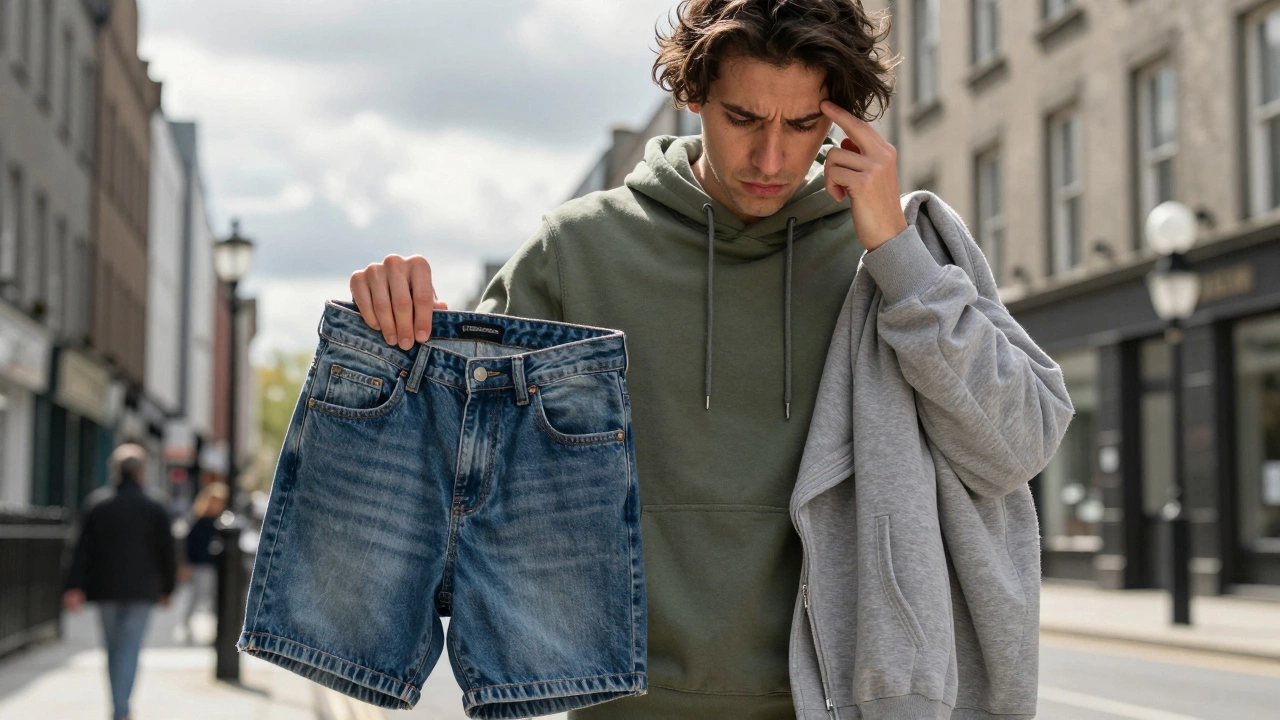
It’s mid-May in Dublin. The sun is actually out, the wind isn’t howling from the Atlantic like it usually does, and your phone tells you it’s 72 degrees. You look down at your wardrobe and see a pair of denim shorts sitting next to a thick, grey hoodie. You hesitate. Is 72 hot enough to wear shorts in Ireland? Or are you setting yourself up for a chilly afternoon regret?
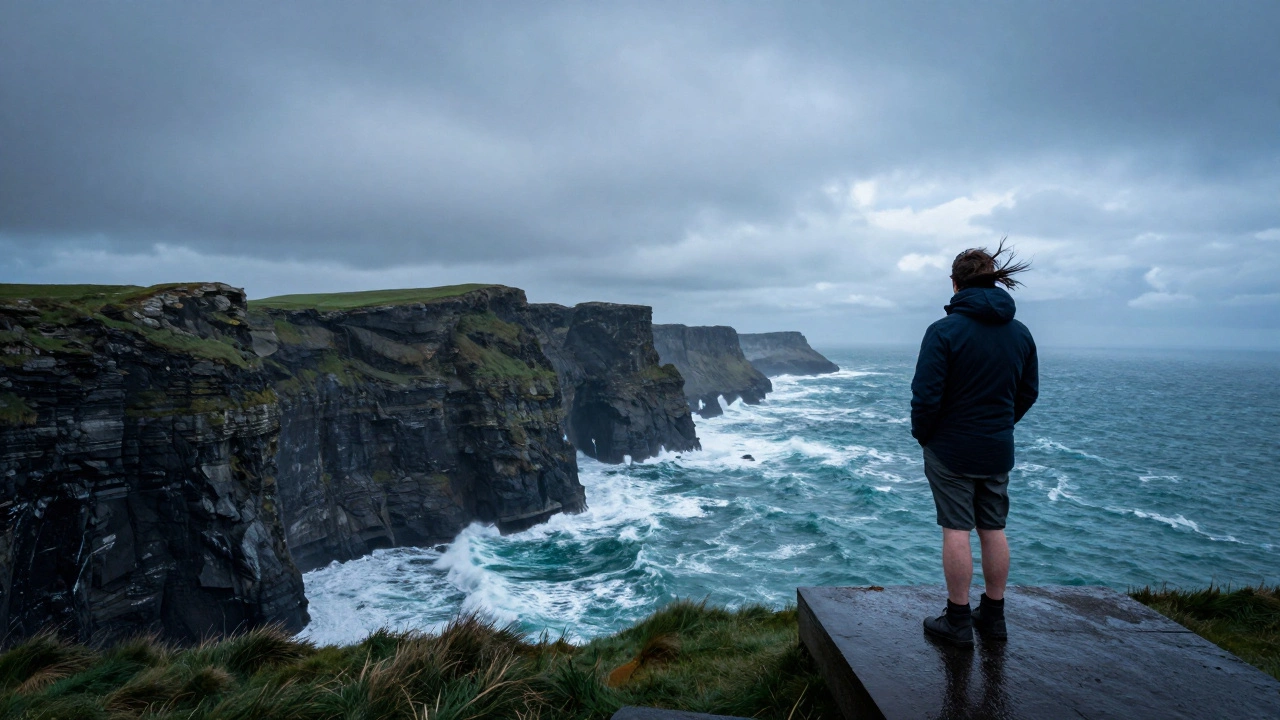
The short answer is: yes, but with major caveats. In most parts of the world, 72°F (about 22°C) is perfect shorts weather. In Ireland, however, temperature is only half the story. The other half is the wind, the rain, and that distinctively damp chill that seems to ignore thermometer readings. If you’re standing still in Merrion Square on a sunny day, 72 feels lovely. If you’re walking along the Cliffs of Moher or cycling through Phoenix Park when the breeze picks up, those same legs might feel like they’re freezing.
The "Ireland Factor": Why Temperature Lies
To understand why 72 degrees is tricky here, you have to understand our microclimate. Ireland sits right between the warm Gulf Stream and the cold Arctic currents. This creates a maritime climate where temperatures rarely swing wildly, but humidity and wind speed change how we feel heat.
We call this the "wind chill" effect, though in Ireland, it’s more accurately described as "wet chill." When it’s 72°F and dry, you can easily wear shorts. But if a light drizzle comes in-which it often does without warning-the moisture wicks away body heat rapidly. Suddenly, 72 feels like 60. This is why locals often carry a hoodie a lightweight pullover sweatshirt used for layering even on seemingly warm days. It’s not just about warmth; it’s about versatility.
Consider the difference between a day in Galway city center versus a day on the Wild Atlantic Way. In town, buildings block the wind, trapping heat. Out on the coast, the exposure means the air moves constantly over your skin. At 72°F, exposed legs on the coast will get cold much faster than covered ones. This is crucial for tourists planning hikes or coastal drives.
Context Matters: Where Are You Wearing Them?
Your decision to wear shorts at 72°F should depend heavily on your activity and location. Here is a breakdown of how 72 degrees plays out in different Irish scenarios:
- In Dublin City Center: If you’re hopping between coffee shops in Temple Bar or browsing shops on Grafton Street, shorts are fine. You’ll be moving indoors frequently, where heating might still be on, or staying under awnings. Just keep socks handy.
- Cycling in Phoenix Park: This is risky. The park is vast and open. Once you stop pedaling, you lose body heat quickly. At 72°F, you might start sweating while riding, but freeze once you stop. Wear breathable athletic shorts, not heavy denim.
- Hiking in Wicklow Mountains: Definitely not recommended for casual hikers. Elevation drops temperatures, and mountain weather changes fast. Even if it’s 72°F at the trailhead, it could be 65°F and windy at the summit. Stick to long pants or convertible hiking trousers.
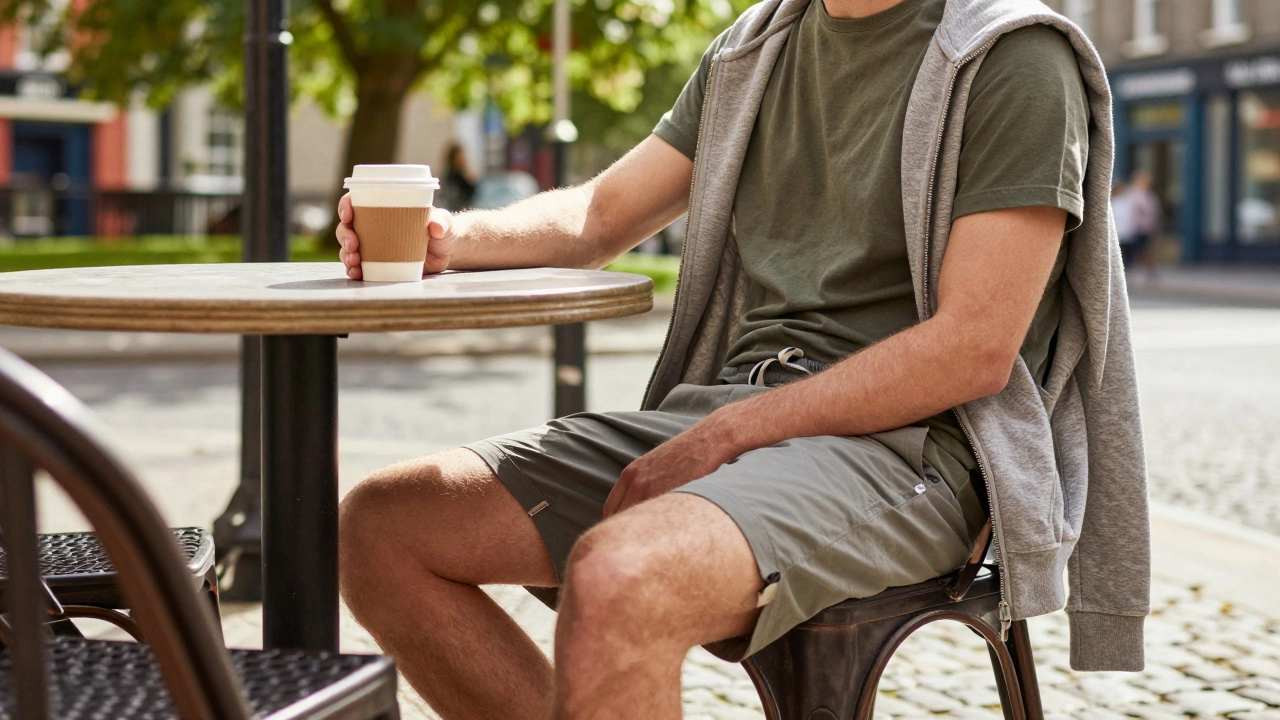
- Sitting in a Garden in Cork: Cork tends to be slightly milder and sunnier than the north. If you’re stationary in direct sunlight, shorts are perfectly comfortable. Bring a light jacket for when the sun dips behind a cloud.
The Material Test: Not All Shorts Are Equal
If you decide to brave the 72-degree Irish air, the fabric of your shorts matters more than the length. Denim is a trap. Jeans hold moisture and take forever to dry. If you sit on a damp bench in Killiney Hill Park, those jeans will stay cold against your skin for hours.
Opt for technical fabrics or cotton blends that breathe. Chinos made from stretch-cotton are a great middle ground-they look smart enough for a pub dinner but allow airflow. For active pursuits, synthetic moisture-wicking materials are essential. They pull sweat away from your body, keeping you dry and warmer.
Avoid linen unless it’s very hot and humid. Linen is great for 80°F+ days, but at 72°F with a breeze, it offers zero insulation and lets the wind cut right through to your skin.
The Hoodie Strategy: Your Best Friend
This is where the hoodie comes in. In Ireland, the hoodie is not just streetwear; it’s a survival tool. At 72°F, you don’t need a heavy coat, but you do need a layer you can put on or take off instantly.
Think of your outfit as a system: 1. Base layer: T-shirt or tank top. 2. Bottoms: Shorts (if you’re committed). 3. Outer layer: A zip-up hoodie or a light sweater. This setup allows you to adapt to the "four seasons in one day" phenomenon common in Ireland. You might start your morning in shorts because it’s sunny and 72°F. By lunch, clouds roll in, the wind picks up, and you’re shivering. Zip up the hoodie, and you’re sorted. No need to go home and change.
Brands like Abercrombie & Fitch or local Irish brands offering lightweight knits are popular choices. Look for hoodies with a bit of weight-not so heavy that you overheat, but enough to block wind.
Regional Variations Across Ireland
Ireland is small, but weather varies. If you’re traveling, adjust your expectations based on location:
| Region | Wind Exposure | Shorts Verdict at 72°F |
|---|---|---|
| Dublin (East Coast) | Moderate | Acceptable for city walks |
| Galway/West Coast | High | Risky; wind makes it feel colder |
| Cork/South | Low to Moderate | Comfortable for stationary activities |
| Sligo/North | High | Not recommended; often breezier |
| Kerry (Ring of Kerry) | Very High | Avoid; coastal winds are strong |
Notice the pattern: the west and north are windier. The east and south are slightly more sheltered. If you’re driving the Ring of Kerry and it’s 72°F, leave the shorts at home. The wind coming off the Atlantic will make you miserable. Instead, wear lightweight trousers and a hoodie.
What Locals Actually Do
If you want to blend in, watch what people are doing. On a 72°F day in May, you’ll see a mix. Younger crowds in cities like Dublin and Cork often wear shorts, especially if they’re heading to festivals or outdoor markets. But even they are likely wearing sneakers or boots, not sandals, because the ground can be damp.
Older generations tend to stick to long pants year-round. There’s a cultural preference for comfort and warmth over style. You won’t offend anyone by wearing long pants, but you might look slightly overdressed if everyone else is in shorts. However, you’ll definitely stand out-and look uncomfortable-if you’re shivering in shorts while everyone else has layered up.
Expats often make the mistake of dressing for the number, not the feeling. They see 72°F and think "summer." Locals know better. We dress for the potential of rain and wind. That’s why you’ll see people carrying umbrellas or wearing hoodies even when the sky looks clear.
Practical Tips for Wearing Shorts in Ireland
If you’re determined to wear shorts at 72°F, here’s how to survive comfortably:
- Bring Socks: Never go barefoot or wear flip-flops. The ground is often wet, and feet get cold fast. Wear clean, dry socks.
- Layer Up: Always have a hoodie, light jacket, or sweater within reach. Don’t rely on a single layer.
- Check the Wind: Before stepping out, check the wind speed. If it’s over 15 mph, reconsider shorts.
- Stay Dry: If it rains, get out of it quickly. Wet shorts are cold shorts. Carry a compact umbrella or waterproof shell.
- Know When to Quit: If you’re shivering, stop pretending. Put on the hoodie or find long pants. No one judges you for staying warm.
Final Thoughts: Trust Your Body, Not the Number
So, is 72 hot enough to wear shorts in Ireland? Technically, yes. Practically, it depends. If you’re in a sheltered urban area, moving slowly, and prepared to layer up, go for it. If you’re outdoors for long periods, near the coast, or expecting wind, skip the shorts. Your legs will thank you later.
Ireland’s weather is unpredictable, but it’s also manageable if you respect it. Dressing for flexibility-rather than just temperature-is the key to enjoying our beautiful, ever-changing landscape. Whether you’re exploring the streets of Dublin or hiking the trails of Connemara, being prepared means being comfortable. And in Ireland, comfort is king.
Is 72 degrees Fahrenheit considered hot in Ireland?
72°F (22°C) is considered mild to warm in Ireland, especially in spring and autumn. It is not typically classified as "hot" by Irish standards, where true heatwaves exceed 80°F (27°C). However, it is pleasant enough for outdoor activities if you are dressed appropriately.
Can I wear shorts in Dublin in May?
Yes, you can wear shorts in Dublin in May, particularly on sunny days with low wind. However, May weather is variable. It is wise to carry a hoodie or light jacket in case the temperature drops or rain arrives unexpectedly.
Why do Irish people wear hoodies in warm weather?
Hoodies provide versatile layering. Ireland’s weather can change rapidly, with sudden drops in temperature due to wind or rain. A hoodie allows you to adjust your warmth level quickly without needing a heavy coat, making it ideal for unpredictable conditions.
Are denim shorts suitable for Ireland?
Denim shorts are less suitable for Ireland compared to lighter fabrics. Denim retains moisture and dries slowly, which can lead to discomfort if it rains or if you sit on damp surfaces. Lightweight cotton or technical fabrics are better options.
What should I wear if it's 72°F and windy?
If it is 72°F and windy, avoid shorts. Opt for lightweight long pants or trousers that block wind. Pair them with a t-shirt and a zip-up hoodie or windbreaker. This combination keeps you warm without overheating.