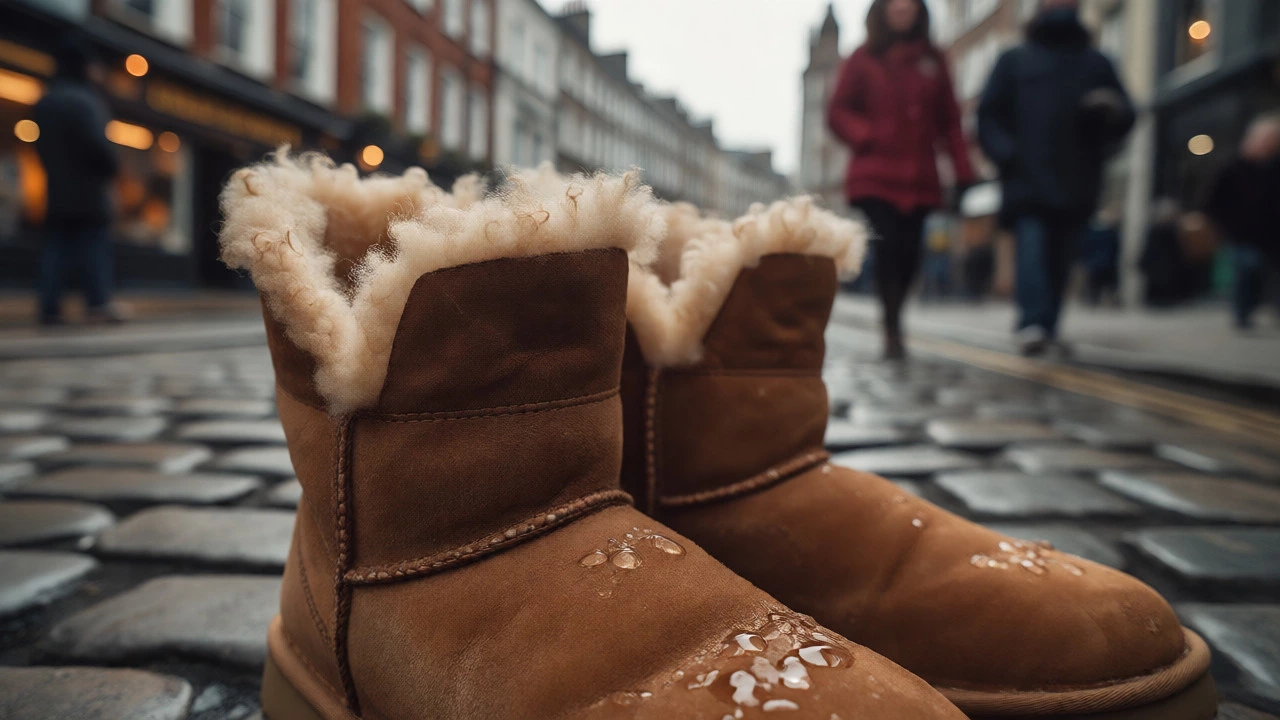
UGG Authenticity Checker
Use this checklist to inspect your pair of UGGs. Check the boxes that match what you observe on your boots to determine their likely authenticity.
Verification Score
Walking down Grafton Street on a crisp Dublin morning or navigating the cobblestones of Galway’s Latin Quarter, you’ll notice one thing: everyone seems to be wearing UGGs. It’s no surprise they’ve become a staple of Ireland’s winter fashion, offering warmth against our notoriously damp chill. But with popularity comes imitation. The market is flooded with look-alikes that promise the moon but deliver plastic and regret. If you’re wondering how to tell if your pair is the real deal before you commit to the price tag-or if you suspect your recent purchase from a dodgy online store isn’t what it claims-this guide breaks down exactly what to look for.
The Smell Test: Real Sheepskin vs. Synthetic Faux
This is the quickest, most visceral way to spot a fake. Genuine UGG boots are made from twin-face sheepskin, meaning the wool is attached directly to the leather hide. When you sniff the inside of a real pair, you should detect a faint, natural scent of lanolin (wool grease). It smells earthy, organic, and slightly musky. Counterfeits, on the other hand, often smell strongly of chemicals, glue, or processed plastic. If your boots reek like a new car interior or a factory floor, they’re likely synthetic.
In Ireland, where humidity can linger in shoes after a day out in Cork or Belfast, this distinction matters. Real sheepskin breathes and regulates temperature; synthetic fakes trap sweat and odour. If you’re buying second-hand at a charity shop in Limerick or browsing an online marketplace, trust your nose. No amount of air freshener can mask the chemical signature of polyurethane lining.
Inspecting the Wool Quality
Look closely at the fur. Authentic UGG wool is dense, soft, and naturally curly. It should feel plush but resilient when you run your fingers through it. The fibres are tightly packed, providing insulation without bulk. Fake pairs often use faux fur that feels coarse, overly uniform, or too shiny. You might notice the pile looks flat or sparse in areas, especially around the heel or toe box where friction occurs.
A key indicator is how the wool reacts to heat. Real sheepskin warms up quickly and stays warm. Synthetic fleece takes longer to heat up and cools down faster once you take the boot off. Given Ireland’s unpredictable weather-where sunshine can turn to sleet in minutes-thermal regulation is crucial. If your feet stay cold despite wearing "sheepskin" lined boots, you’re probably dealing with a replica.
| Feature | Genuine UGG | Fake/Counterfeit |
|---|---|---|
| Material | Twin-face sheepskin (leather + wool) | Faux suede or synthetic fabric with glued-on fleece |
| Sole | EVA foam, lightweight, flexible | Hard rubber or cheap foam, stiff and heavy |
| Stitching | Even, tight, double-stitched seams | Uneven, loose threads, single stitch line |
| Label | Clean logo, correct font, holographic sticker | Blurred text, wrong font weight, missing details |
| Price | €150-€220 retail (Ireland) | Under €80, even during sales |
Check the Sole and Flexibility
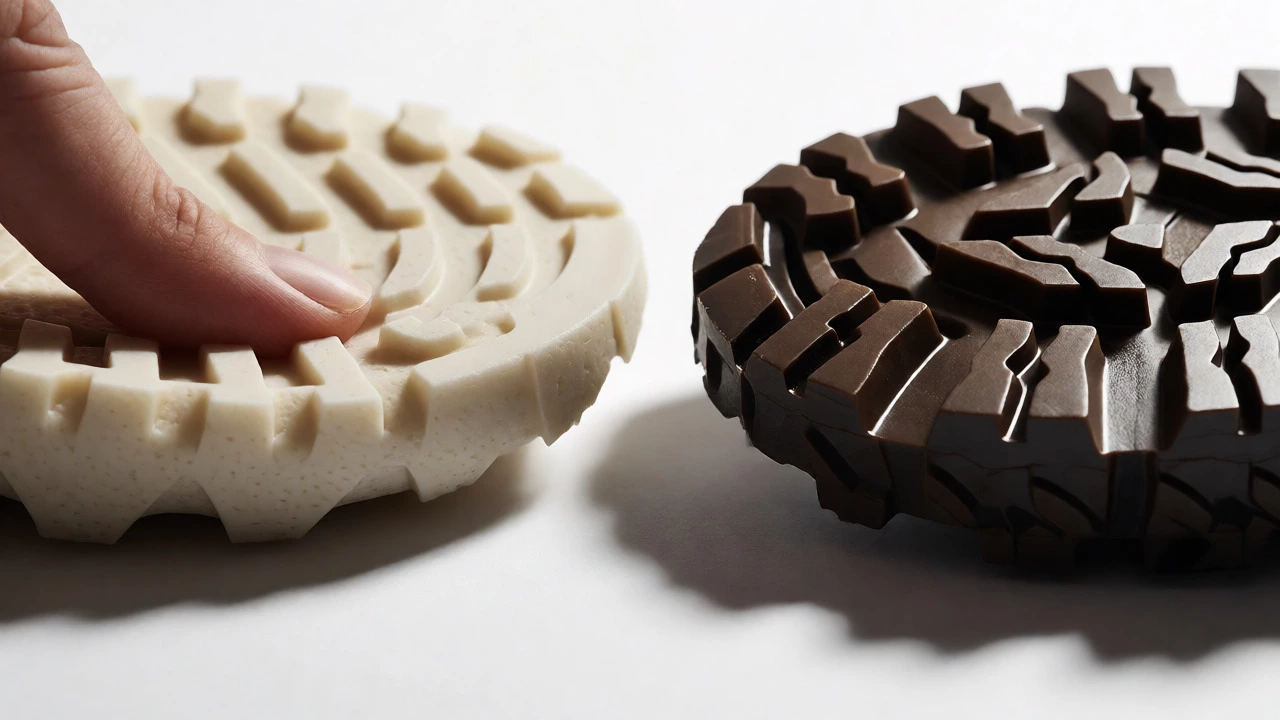
Turn the boot over. Genuine UGG soles are made from EVA (ethylene-vinyl acetate) foam. This material is incredibly lightweight yet durable. Press your thumb into the sole-it should compress easily and spring back instantly. The tread pattern is usually subtle, designed for grip on dry surfaces rather than deep mud traction. If the sole feels rock-hard, heavy, or has a deep, aggressive tread like a hiking boot, it’s not authentic.
Also, check the flexibility. Bend the boot gently. Real UGGs flex naturally along the arch. Fakes often resist bending or crack along the fold because the materials aren’t bonded correctly. In cities like Waterford or Kilkenny, where you might walk significant distances on uneven pavement, comfort is non-negotiable. A stiff sole will leave you limping by lunchtime.
Examine the Stitching and Construction
UGGs are known for their rugged construction. Look at the seams where the upper meets the sole. Authentic pairs feature double-stitched seams that are neat, consistent, and free of stray threads. The stitching should be tight enough to prevent water ingress-a critical feature in rainy Ireland. Counterfeits often show sloppy workmanship: uneven stitch lengths, gaps between stitches, or visible glue residue around the edges.
Pay attention to the pull tab at the back of the heel. On real boots, it’s firmly attached and made from the same high-quality suede as the rest of the upper. On fakes, it might be sewn on loosely, made from different material, or positioned incorrectly. If the tab flaps around awkwardly or looks like an afterthought, be wary.
Verify Labels, Tags, and Packaging
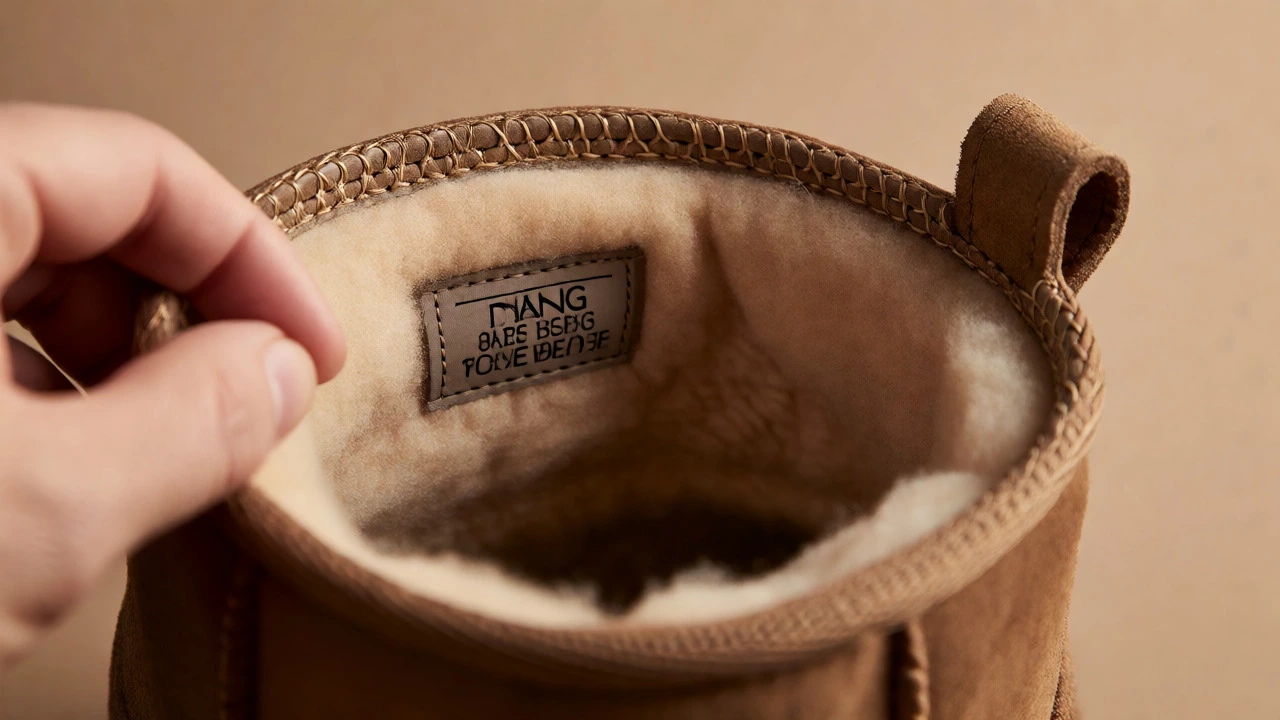
Labels don’t lie-if you know where to look. Inside the tongue of a genuine UGG, there’s a label with the size, style code, and country of origin (usually China, Vietnam, or Cambodia). The printing should be crisp and clear. Blurry text, typos, or incorrect fonts are red flags. For example, older models might say "UGG Australia," while newer ones just say "UGG." Ensure the style matches the era of production.
Outside, check the hangtag. Authentic tags include a QR code or serial number that can sometimes be verified via the official website. While not all regions have instant digital verification, the physical quality of the tag itself speaks volumes. Cheap cardboard, poor lamination, or generic branding suggests a knockoff. Also, note the shoebox. Real UGG boxes are sturdy, with precise logos and clean printing. Flimsy boxes with smudged ink are common among counterfeits sold in discount outlets across Dublin’s shopping centres.
Price and Retailer Red Flags
If the price sounds too good to be true, it probably is. In Ireland, standard UGG Classic Short II boots typically retail between €160 and €200 at authorized retailers like Brown Thomas, Arnotts, or designated UGG stores. During end-of-season sales, you might find them for €120-€140. Anything under €90 outside of major clearance events is suspicious.
Be cautious with third-party sellers on platforms like DoneDeal or Facebook Marketplace. Many users buy fakes abroad and resell them locally without knowing they’re counterfeit. Always ask for proof of purchase. If the seller can’t provide a receipt from an authorized retailer, proceed with caution. Similarly, beware of websites advertising "factory seconds" or "overstock" at steep discounts-these are often unlicensed manufacturers producing near-identical copies.
Water Resistance Reality Check
A common misconception is that UGGs are waterproof. They’re not. Genuine sheepskin absorbs water but dries well due to its natural properties. However, prolonged exposure to rain can stain the suede. If someone tells you their UGGs are fully waterproof, they’re either misinformed or selling a synthetic variant treated with chemical coatings. In Ireland’s wet climate, many locals apply a protective spray to preserve the look. Check if the boots have been pre-treated. Untreated real suede will darken immediately upon contact with water, whereas some fakes repel water unnaturally due to plastic coatings.
Where to Buy Safely in Ireland
To avoid disappointment, stick to trusted sources. Authorized retailers in Dublin, Cork, and Galway guarantee authenticity. Online, check the brand’s official list of stockists. Avoid unknown Instagram boutiques or pop-up markets unless you can physically inspect the goods. If you’re buying gifts for friends in Belfast or students in Trinity College, consider buying gift cards from reputable chains to ensure they get the real thing.
Do fake UGGs fall apart quickly?
Yes, generally. Counterfeit UGGs often suffer from delamination, where the sole separates from the upper within months. The synthetic lining also mats down and loses insulation properties much faster than real sheepskin, which can last years with proper care.
Can I wash fake UGGs?
You can, but results vary. Real sheepskin responds well to gentle cleaning with specific cleaners. Fakes may shrink, warp, or develop bad odours if soaked, as the glue holding the layers together can degrade when wet. Always test a small area first.
Are UGGs suitable for Irish winters?
Absolutely, provided they’re kept dry. Their insulation is excellent for cold, dry days. For heavy rain or slush, wear thick socks and consider a water-repellent spray. They’re ideal for casual outings, university commutes, or cozy evenings indoors.
What is the average lifespan of genuine UGGs?
With regular wear and proper maintenance, genuine UGGs can last 3-5 years. The sheepskin maintains its shape and warmth far longer than synthetic alternatives, which typically degrade within 1-2 seasons.
Why do my UGGs smell?
Natural lanolin has a mild scent. Strong odours usually indicate bacterial buildup from sweat. Use cedar shoe inserts or baking soda overnight to absorb moisture. If the smell persists and smells chemical, the boots may be synthetic.