Irish Summer Style Estimator
It’s hot in Ireland, but it’s also humid and windy. Don’t just dress for heat—dress for comfort and elegance. Select your scenario below to get tailored advice.
Silhouette & Cut
Color Palette
Select your options and click "Get My Look" to see recommendations.
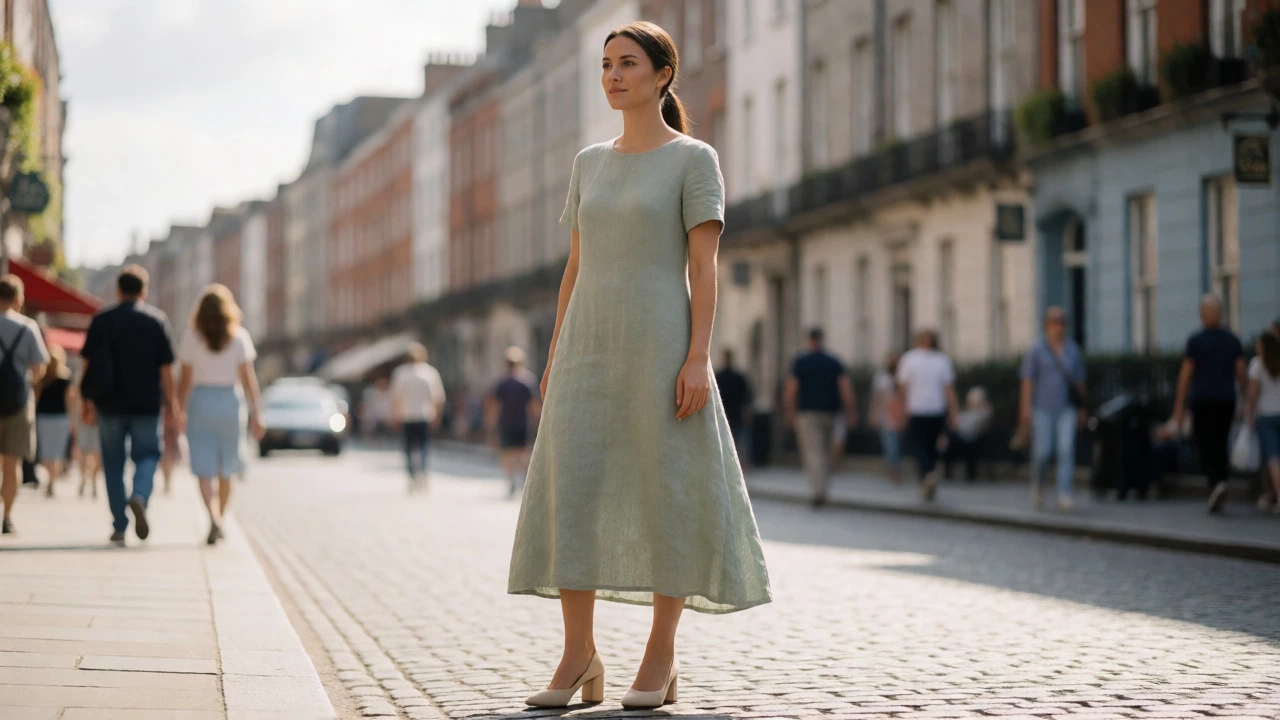
It is 2 PM in late July. You are standing on Grafton Street in Dublin, trying not to melt into the pavement while holding a takeaway coffee that has already gone lukewarm. The sun is out, which happens about three days a year, and everyone looks slightly desperate for air conditioning. But here is the problem: you have a wedding, a garden party in Wicklow, or a business lunch in Cork coming up, and you need to look polished, not sweaty. How do you stay classy when the temperature spikes? In Ireland, we don’t get the consistent tropical heat of Spain or Italy, but our humidity can be brutal, and our wind is unpredictable. The key isn’t just wearing less; it’s wearing smarter. This guide breaks down exactly how to curate a wardrobe that survives an Irish summer without sacrificing elegance.
The Fabric Factor: Why Cotton Isn’t Always King
Most people grab cotton because they think it breathes. And sure, it does. But in humid conditions, like those we often get in Galway or Kerry, cotton absorbs sweat and stays wet. There is nothing unclassy about being human, but there is something awkward about a damp patch under your arms at a corporate event in Ballsbridge. Instead, look for natural fibers that wick moisture away rather than holding it. Linen is the classic choice for a reason. It is lightweight, highly breathable, and dries quickly. Yes, it wrinkles. But in Ireland, a slightly rumpled linen shirt reads as 'effortlessly chic' rather than 'messy.' If you want zero wrinkles, blend linen with silk or high-quality viscose. Another underrated hero is Tencel (Lyocell). Made from wood pulp, it feels cool to the touch and drapes beautifully. Brands available on Henry Street often stock these blends now, moving away from pure synthetics that trap heat like plastic bags.
Cutting Through the Heat: Silhouettes That Work
Tight clothing traps body heat against your skin. Loose clothing allows air to circulate. This is basic physics, but fashion often ignores it. To look classy in the heat, choose silhouettes that skim the body rather than cling to it. Think A-line skirts, wide-leg trousers, and shift dresses. These cuts create a micro-climate between the fabric and your skin, allowing sweat to evaporate. Avoid heavy tailoring. If you must wear a blazer for a meeting in Dublin’s financial district, opt for an unlined, half-lined jacket in a light wool or linen blend. You will thank yourself when you step off the Luas tram and aren’t immediately overheating.
| Fabric Type | Breathability | Wrinkle Resistance | Best For |
|---|---|---|---|
| Pure Linen | High | Low (Wrinkles easily) | Casual Fridays, Garden Parties |
| Linen-Silk Blend | Very High | Medium | Weddings, Evening Events |
| Tencel/Lyocell | High | High | Office Wear, Travel |
| Cotton Poplin | Medium | Low | Shirts, Light Dresses |
| Polyester Blends | Low | High | Rain Protection (Layering) |
Color Psychology and Practicality
Darker colors absorb heat. Lighter colors reflect it. This is why you see so many white and beige outfits in Mediterranean countries. In Ireland, however, practicality plays a role too. Pure white can show every drop of rain if a sudden shower hits-because let’s face it, it will. Consider pastels instead. Sage green, dusty pink, and pale blue are flattering, reflect sunlight, and hide minor water spots better than stark white. Navy is also surprisingly effective. While dark, a loose navy linen suit reflects more UV rays than black and maintains a professional appearance that works well in conservative industries like law or finance in Dublin. Avoid neon brights unless you are heading to a festival in Electric Picnic territory; they tend to look harsh against the softer, diffused light of an Irish summer.
Footwear: Balancing Style and Comfort
You cannot look classy if you are limping. The cobblestones in Temple Bar or the uneven paths in Phoenix Park are no joke. Heels are risky business in the heat, especially if you plan to walk anywhere. Opt for block heels, wedges, or elegant flats. Leather sandals are a staple, but ensure they are broken in. New leather shoes cause blisters, and blisters ruin the vibe. If you need to wear closed-toe shoes for work, choose perforated leather or suede. These materials allow airflow while maintaining a structured look. Avoid rubber-soled sneakers for formal occasions; they look sporty, not sophisticated. If you are attending a wedding in a field in Kildare, leave the stilettos at home. Block heels won’t sink into the grass, keeping you upright and composed.
Accessories: Less is More
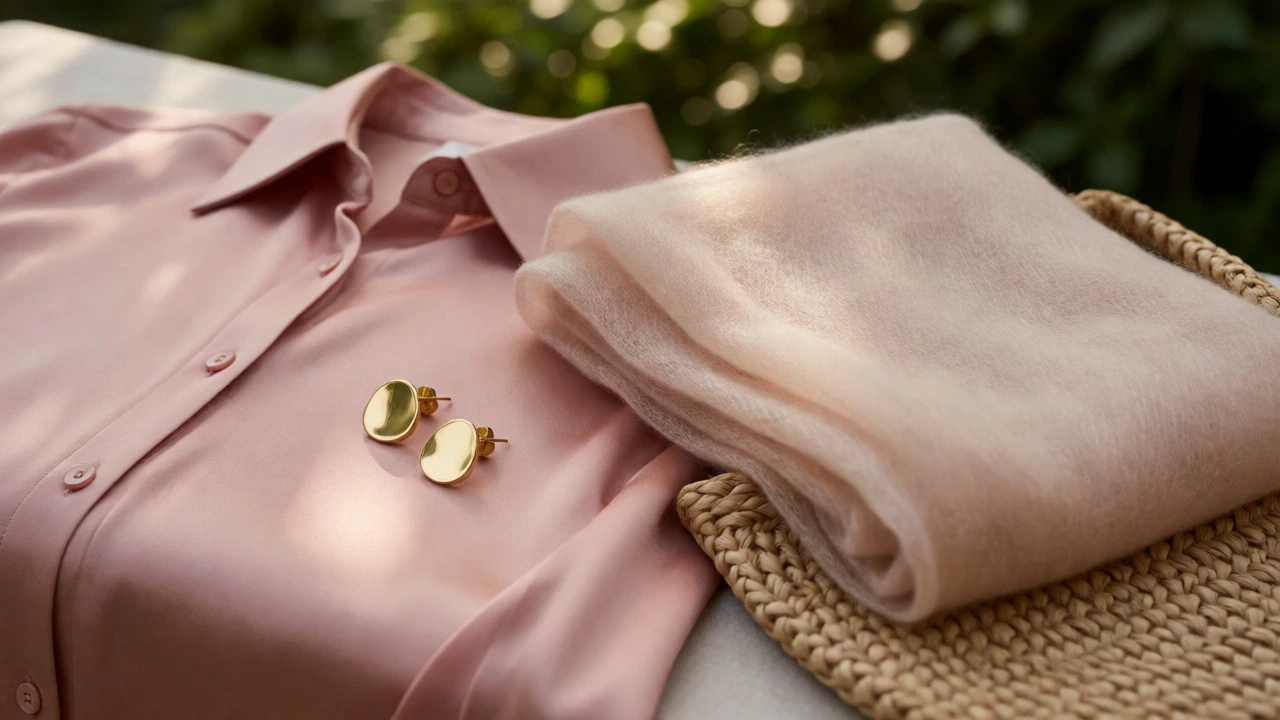
In hot weather, accessories should serve a purpose beyond decoration. Sunglasses are essential, not just for style but to protect your eyes from glare. Choose frames that suit your face shape but keep them simple. Overly large designer logos can feel tacky in a casual setting. Hats are tricky. A wide-brimmed hat is great for a day trip to Howth Head, but indoors, it can feel cumbersome. If you must wear one, remove it upon entering any building. Jewelry should be minimal. Gold and silver can become uncomfortably warm in direct sunlight. Stick to small studs or thin chains. Scarves are a common mistake; even a light silk scarf adds insulation around the neck. Save them for cooler evenings when the temperature drops after sunset, which it inevitably does in Ireland.

The Irish Reality: Preparing for Weather Whiplash
Here is the catch: looking classy in the heat means being ready for the cold within an hour. One minute you are sweating in a sleeveless dress, the next a cloud rolls over and the wind picks up. Layering is your secret weapon. Keep a lightweight cardigan or a pashmina in your bag. Choose materials that match your outfit so you can throw them on without looking like you packed for two different seasons. A sheer wool shawl is perfect-it’s breathable enough for warmth but doesn’t add bulk. Also, consider your hair. Humidity frizzes hair instantly. Embrace updos or sleek ponytails. They keep hair off your neck, cooling you down, and look intentionally styled rather than messy. Use anti-humidity sprays, but don’t overdo it; you don’t want your hair looking stiff.
Where to Shop for Quality Basics in Ireland
You don’t need to fly to Milan to find good summer clothes. Local Irish brands understand our climate better than global fast-fashion giants who design for constant sunshine. Check out independent boutiques in Dublin’s city center or online retailers based in Galway and Cork. They often stock smaller quantities of higher-quality garments made from natural fibers. Stores like Arnotts or Brown Thomas carry reputable brands that offer durability and fit. For sustainable options, look for labels that emphasize ethical production. Buying fewer, better pieces saves money and reduces waste, aligning with the growing eco-conscious mindset in Irish urban areas. Remember, a well-fitted dress from a local tailor often beats an ill-fitting designer piece from abroad.
Mindset: Confidence Over Perfection
Classiness isn’t about never sweating. It’s about how you handle discomfort. If you feel hot, take a moment to breathe, find some shade, and hydrate. Carry a small bottle of water. Dehydration makes you look tired and feel irritable, neither of which is classy. Smile. Engage with people. Your demeanor matters more than your outfit. If your linen shirt wrinkles by 3 PM, own it. It shows you’re living, not just posing. In Ireland, we value authenticity. Trying too hard to look perfect in extreme weather often backfires. Relax into the season, appreciate the rare sunny days, and let your comfort shine through. That ease is what truly defines elegance.
Is linen suitable for office wear in Dublin?
Yes, provided it is high-quality and properly tailored. A linen-blend suit or a crisp linen shirt paired with chinos is widely accepted in most Dublin offices, especially during summer months. Ensure it is ironed or steamed to minimize excessive wrinkling before starting the day.
What shoes should I wear to a summer wedding in Ireland?
Choose block heels or elegant wedges. Irish venues often involve grass, gravel, or old stone floors. Stilettos can sink or slip. Closed-toe pumps in breathable leather are also a safe bet if the venue is strictly formal indoors.
How do I prevent sweat stains on my clothes?
Use antiperspirant, not just deodorant, and apply it to dry skin. Wear undershirts made of moisture-wicking fabrics like modal or bamboo. Choose darker colors or prints that hide moisture better than light solids. Keep a portable stain remover pen in your bag for emergencies.
Can I wear shorts in professional settings in Ireland?
Generally, no. Shorts are considered too casual for most Irish workplaces, even in summer. Tailored trousers or knee-length skirts are safer choices. Some creative industries may allow smart shorts, but always check company policy first.
What is the best fabric for sensitive skin in hot weather?
Organic cotton, bamboo viscose, and Tencel are excellent choices. They are hypoallergenic, soft, and allow the skin to breathe. Avoid synthetic blends like polyester or nylon, which can trap heat and irritate the skin.