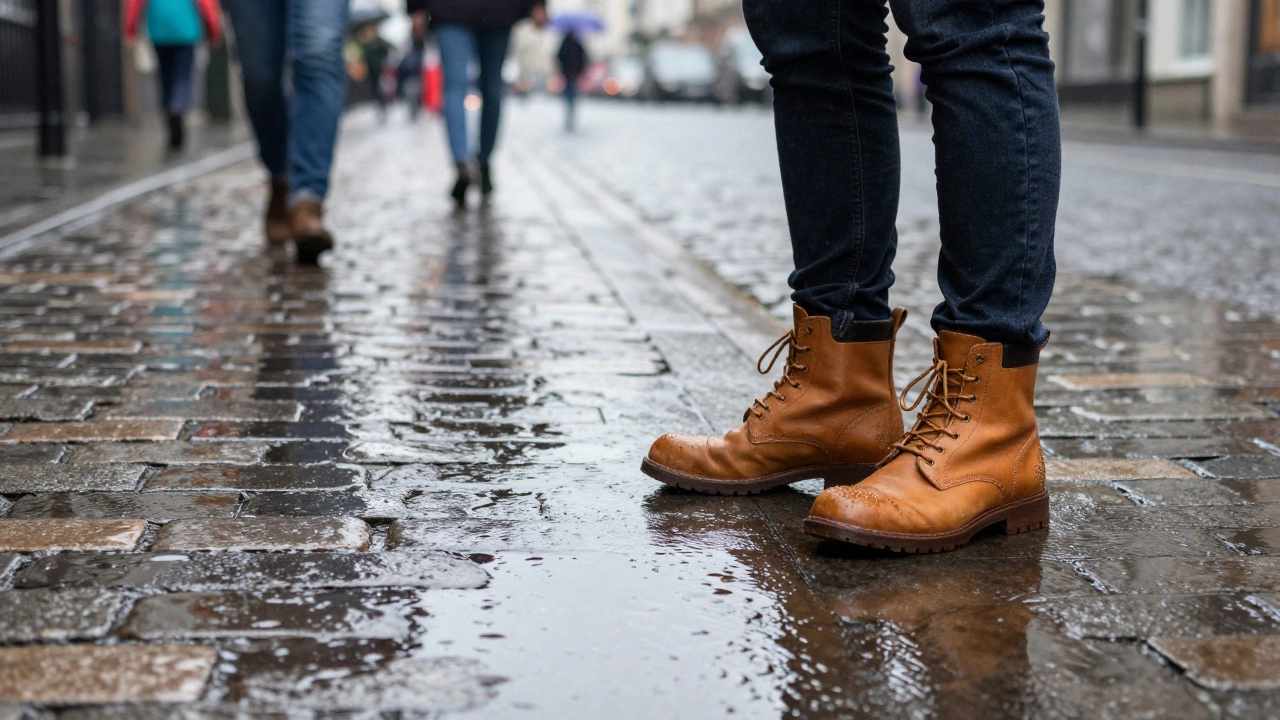
Walking down O'Connell Street on a rainy Tuesday in Dublin, you quickly learn that your footwear matters more than just looks. In Ireland, where the weather turns on a sixpence and the pavement can be unforgiving, a pair of cheap shoes becomes a liability fast. You see people splashing through puddles, their new purchases already scuffed or soaked through. If you want investment pieces that survive an Irish winter, you need to know what makes a shoe truly good quality.
Buying shoes isn't just about picking a colour you like. It's about understanding construction. There are plenty of traps set by fast fashion retailers who promise durability but deliver cardboard boxes that look like leather for three weeks. By learning to spot the signs, you save money and keep dry. Let's walk through exactly what to look for when hunting for durable footwear in the Irish market.
The Truth About Leather Hides
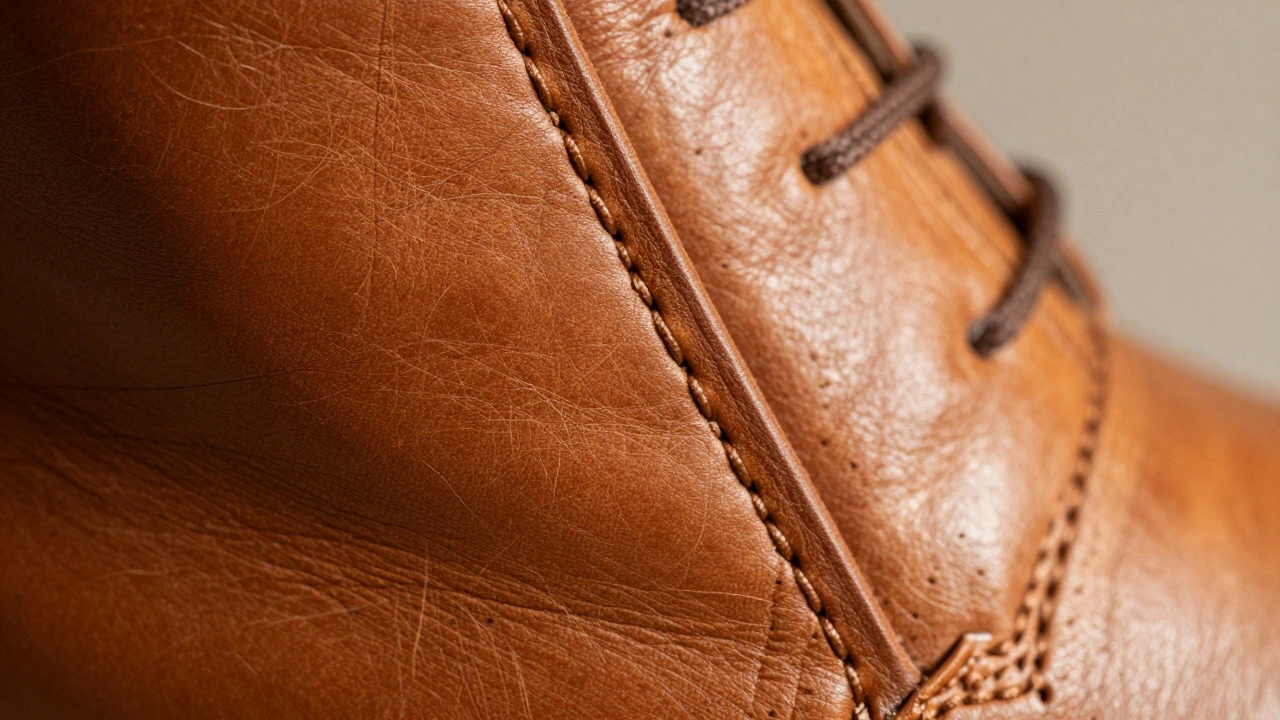
When you touch the upper part of the shoe, that is the first clue. Most people assume all leather is the same, but the type of hide dictates longevity. Full Grain Leather is the highest quality leather that retains the natural grain of the animal's skin without being sanded down. It develops a patina over time rather than cracking.
If you buy something cheaper, it might be Top Grain Leather is a slightly processed version where the surface has been corrected to remove imperfections. It is smoother but less breathable. Worse still is bonded leather. This is essentially dust glued together and stamped with a fake texture. Avoid this entirely. Look for irregular pores on the material; perfection usually means chemicals were used to cover flaws. When you visit Brown Thomas is a luxury department store in Dublin known for stocking premium international brands, ask to see the unlined inner side. Good leather will smell earthy, not like plastic or solvent.
In the wetter climates we face near the Atlantic coast, breathability is vital. Cheap synthetic coatings trap moisture inside the boot, rotting the lining faster than rain damage could.
| Leather Type | Durability | Weather Resistance | Typical Price Range (€) |
|---|---|---|---|
| Full Grain | Very High | High (with wax) | €200+ |
| Top Grain | Moderate | Moderate | €100-€180 |
| Bonded / Split | Low | Poor | €40-€80 |
Construction Methods That Last
While you admire the leather, ignore the stitching on top for a moment and look at the sole attachment. The most robust method found in high-end cobbled shoes is the Goodyear Welt is a method where the upper, insole, and sole are joined by a strip of leather called the welt. This creates a sealed chamber against water ingress.
Why does this matter in Ireland? Because it means resoling. When your soles wear down after walking Dublin's cobblestones, you can take them to a local cobbler and replace them without throwing away the whole shoe. Cemented shoes, often found in budget high street stores, fall apart once the glue fails. You cannot fix these easily.
Another option worth checking for is the Blake stitch. It offers a slimmer profile which is stylish for office wear in financial districts like Ballsbridge, but it is generally less waterproof than a Goodyear welt. Look for thick threads around the edge of the shoe. Double rows of stitching indicate higher stress resistance.
Sole Material Matters in Rain
You wouldn't drive a car with flat tyres, so why wear leather on slick pavements? While pure leather soles look elegant for formal events, they offer almost zero grip on wet stone steps around Trinity College.
For daily wear, look for Vibram Rubber Sole is a high-friction rubber compound originally designed for mountaineering boots. These grip uneven surfaces beautifully. Many classic Irish work boots use Dainite or lug patterns suited for mud. If you plan to walk the Rock of Cashel or navigate city slicks, a rubber sole adds safety.
A hybrid approach works well here. Some manufacturers put a thin leather layer under a rubber heel for grip, combined with a leather midsole. This maintains flexibility while protecting the shoe's structural integrity.
Local Shopping Tips for Irish Buyers
Finding quality doesn't require a trip to Italy. Several heritage brands operate within our shores. For instance, brands based in Kildare or Dublin often supply government officials and corporate sectors due to reliability standards. Visit physical stores on Grafton Street during weekdays to try things on. Online sizing varies wildly.
Check the toe box. Knock your heels against a hard surface lightly. If the front caves in immediately, the counter support is weak. The shape of the foot should match your own anatomy. Narrow feet in wide shoes cause blisters; wide feet in narrow lasts cause pain. Irish cobblers often adjust lasts slightly to accommodate foot shapes common in the region.
Ask the shop assistant about the origin. "Made in Portugal" or "Made in Spain" often signifies a shared manufacturing standard with UK/European regulations, whereas vague labeling suggests mass production elsewhere.
Care and Maintenance for the Climate
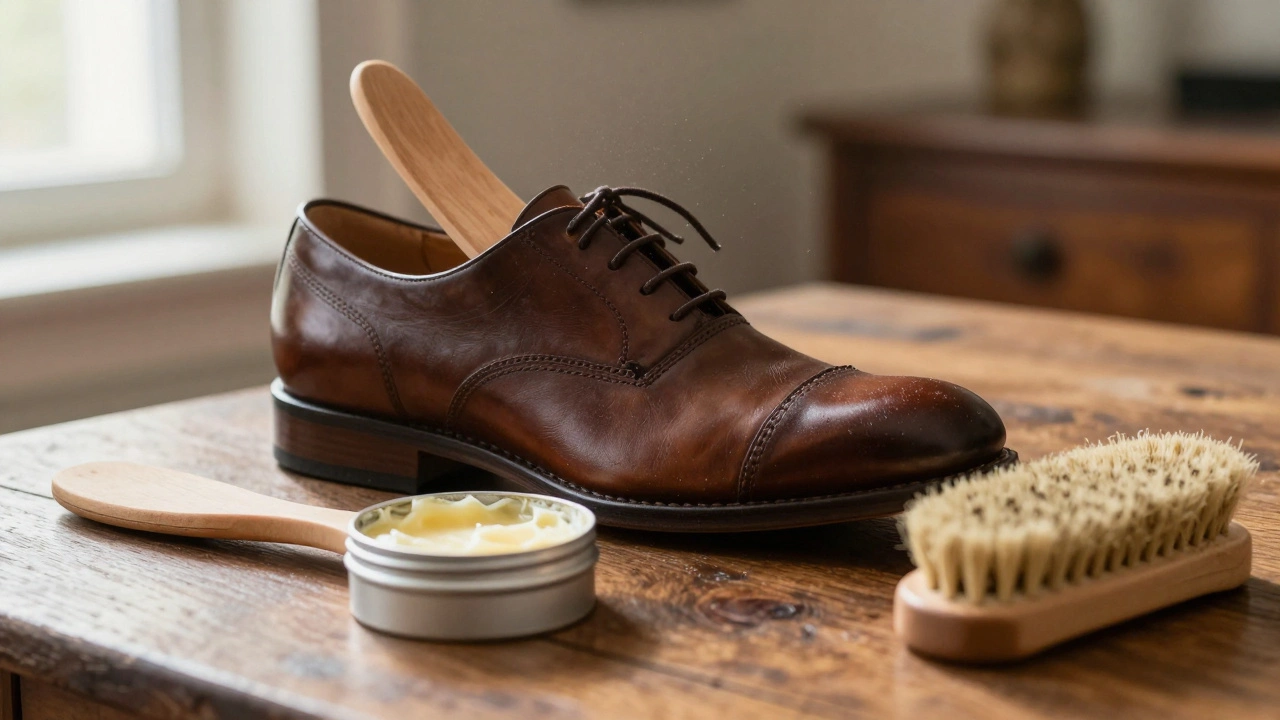
Ownership doesn't end at purchase. A €300 shoe treated poorly will fail before a €100 shoe cared for correctly. Use a wooden tree to maintain shape after wear. In damp months, apply a silicone-free wax. This repels water without clogging the pores.
Take shoes to a professional cleaner annually. They clean the lining and re-wedge the tongue to prevent separation. Neglect leads to rot. Store them off the floor to avoid humidity damage, especially in older properties in Dublin where damp rises from foundations.
Price Indicators Worth Watching
Expectations regarding cost help filter options. Under €100 is rarely genuine full-grain quality. You are paying for marketing or synthetic blends. Around €150 gets you entry-level imports that might be decent but lack longevity. Real craftsmanship starts closer to €250. This price point ensures fair wages for artisans and better raw materials.
Think of it as cost per wear. If a €250 pair lasts ten years, that is cheaper than replacing cheap boots every two years. Irish consumers have historically been savvy shoppers; using this logic saves significant money over a decade.
What is the difference between full grain and top grain leather?
Full grain keeps the natural skin surface intact for maximum strength and patina development. Top grain is sanded and refinished, making it softer but less durable over time.
Can Goodyear welted shoes be repaired in Ireland?
Yes, most local cobblers and specialists in cities like Dublin and Cork can repair welted shoes by replacing the sole unit without damaging the upper.
Is it better to buy leather or suede in Ireland?
Smooth leather is generally better for the wet Irish climate because it repels water more easily. Suede requires heavy treatment with sprays to remain safe outdoors.
How do I test if the sole will last?
Press your thumb firmly against the sole. Rubber soles should feel dense and firm. If it feels squishy, it will wear down very quickly on rough roads.
Are expensive shoe trees necessary?
Wooden cedar trees absorb moisture from the inside of the shoe, preventing odour and leather decay, which is essential for humid environments.