Irish Work Shoe Selector
Select Your Workplace Type
Choose the type of workplace where you'll be wearing these shoes most often:
Corporate Office
Dublin/Cork offices, meetingsHospitality/Retail
Pubs, shops, long shiftsHealthcare/Education
Hospitals, schools, clinicsConstruction/Outdoor
Sites, industrial areasSelect the features most important to you (choose at least one):
Waterproof
Essential for Irish rainExtra Cushioning
For hard floors & long daysSlip Resistant
For wet or oily surfacesArch Support
For foot pain preventionBreathable Materials
Prevents overheatingSafety Toe Cap
For construction sites✅Your Recommended Shoes
Top Brands For Your Needs
Key Features Explained
Maintenance Tips
Let’s be honest: if you’ve ever spent a shift on your feet in an Irish pub, walked the cobblestones of Galway City Centre, or stood through a long meeting in a glass-walled office in Dublin’s Docklands, you know that bad shoes are a personal tragedy. In Ireland, where the weather can shift from bright sunshine to torrential rain in twenty minutes, and where workplaces range from traditional hospitality spots to modern tech hubs, finding the right footwear isn’t just about looking professional. It is about surviving the day without developing plantar fasciitis or slipping on a wet floor.
The search for **comfortable work shoes** in Ireland requires more than just picking a pair that looks good in a mirror. You need to consider local climate conditions, the specific demands of your industry, and the availability of brands that understand our unique terrain. Whether you are a nurse in Cork University Hospital, a teacher in rural Kerry, or a consultant in Belfast, your feet carry you through distinct challenges every single day. This guide breaks down exactly how to choose footwear that supports you, keeps you dry, and looks appropriate for your role.
Understanding Your Daily Terrain
Before you spend €100+ on new shoes, you need to audit your actual working environment. "Office work" in Ireland varies wildly. If you work in a corporate setting in Leopardstown or Sandyford, you might spend most of your time sitting, but you likely walk between meetings on polished concrete floors that offer zero cushioning. These surfaces are unforgiving on joints. You need shoes with adequate arch support and shock absorption to counteract the hardness of the ground.
On the other hand, if you work in retail on Grafton Street or in hospitality in Kilkenny, you are likely standing for eight to ten hours straight. The fatigue here comes from static loading-keeping your legs in one position for too long. For these roles, you need shoes with a rocker sole (a curved bottom that helps roll your foot forward) and breathable materials to prevent overheating during busy summer shifts. Ignoring this distinction leads to premature wear on your shoes and chronic pain for you.
| Workplace Type | Primary Challenge | Key Shoe Feature Needed |
|---|---|---|
| Corporate Office (Dublin/Cork) | Hard floors, short bursts of walking | Cushioned midsole, firm heel counter |
| Hospitality/Retail | Prolonged standing, spills | Rocker sole, waterproof leather, non-slip outsole |
| Healthcare/Education | Mixed terrain, high step count | Lightweight, flexible forefoot, easy cleanability |
| Construction/Outdoor | Mud, rain, heavy loads | Safety toe, waterproof membrane (Gore-Tex), deep tread |
Navigating the Irish Weather Factor
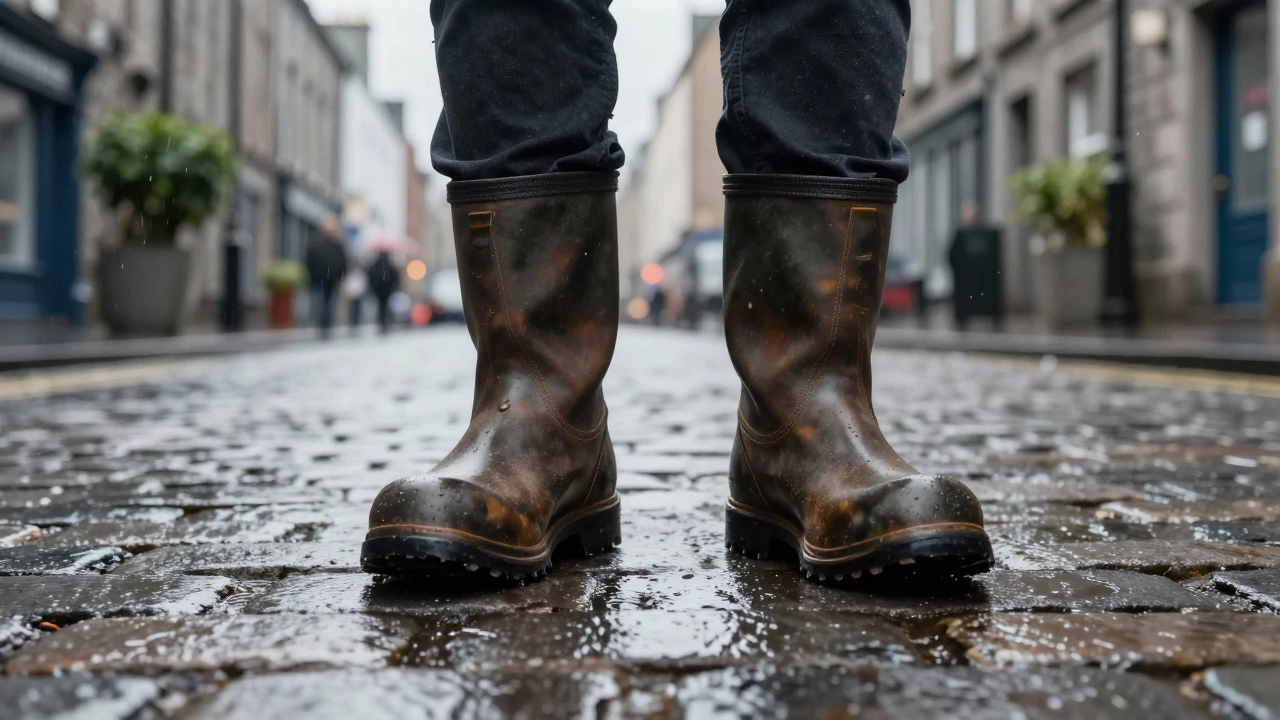
You cannot talk about work shoes in Ireland without addressing the rain. It is not optional; it is a constant variable. Even if your job is entirely indoors, you have to commute. Walking from Luas stops in Dublin or bus stops in Limerick often involves puddles, mud, and damp pavements. Wearing suede loafers or canvas sneakers in October through April is a recipe for ruined shoes and cold, wet feet.
Look for materials that handle moisture well. Full-grain leather is excellent because it naturally repels water and can be treated with waxes like Saphir Medaille d'Or Pommier Mousseur, available at many shoe repair shops across the country. Synthetic materials with waterproof membranes, such as Gore-Tex, are also highly effective. Brands like Clarks, which has a strong presence in Ireland, often incorporate their "Cushion Plus" technology alongside water-resistant uppers, making them a popular choice for professionals who need reliability.
If you work outdoors or in industrial settings, consider safety boots that meet the EN ISO 20345 standard. These are mandatory in many construction sites around the country. Look for models with slip resistance rated SRC (the highest level), which provides grip on both ceramic tiles and oily steel plates. This is crucial for safety during Ireland’s frequent rainy seasons.
Fit Over Fashion: The Golden Rule
A common mistake people make is buying shoes based on size alone. Feet swell throughout the day, especially after lunch or during long shifts. In Ireland, where we value practicality, fitting your shoes correctly is paramount. Always try on shoes in the afternoon when your feet are at their largest. Stand up in them. Walk around the store. Do not just sit in the chair.
There should be about a thumb’s width of space between your longest toe and the end of the shoe. Your heel should not slip out when you walk. If it does, the shoe is too big, and you will develop blisters. If your toes feel cramped, the shoe is too narrow. Many European brands, including those sold in Brown Thomas or Penneys, run narrower than American brands. Know your width. If you have wide feet, look for brands that offer wide fittings, such as New Balance or certain lines from Skechers.
Break in your new shoes gradually. Do not wear brand-new stiff leather shoes for a full 12-hour shift on your first day. Wear them for two hours at home, then four hours the next day. This allows the material to mold to your foot shape and prevents painful hotspots. Using a shoe stretcher or thick socks during the break-in period can speed up this process.
Top Brands Available in Ireland
Ireland has access to several global brands that excel in comfort and durability. Here is a breakdown of reliable options you can find locally:
- Clarks: A staple in Irish high streets. Their Unstructured line offers lightweight comfort with minimal stitching, reducing pressure points. Ideal for office workers who want a smart-casual look.
- New Balance: Known for their wide variety of widths. The Fresh Foam X series provides exceptional cushioning for those who stand all day. Great for healthcare and education professionals.
- Skechers: Affordable and extremely comfortable. The Arch Fit line uses podiatrist-certified arch support. Perfect for budget-conscious buyers who prioritize comfort over formal aesthetics.
- Ecco: Higher price point, but superior craftsmanship. Their direct-injected PU soles offer great flexibility and durability. Suitable for executives who need a polished appearance.
- Caterpillar: For rugged outdoor work. Their safety boots are built to withstand tough conditions and are widely available in hardware stores like Clarke’s.
When shopping, check if the retailer offers a satisfaction guarantee. Stores like Dunnes Stores and Penneys often have return policies that allow you to test shoes in real-world conditions before committing fully.

Maintenance Tips for Longevity
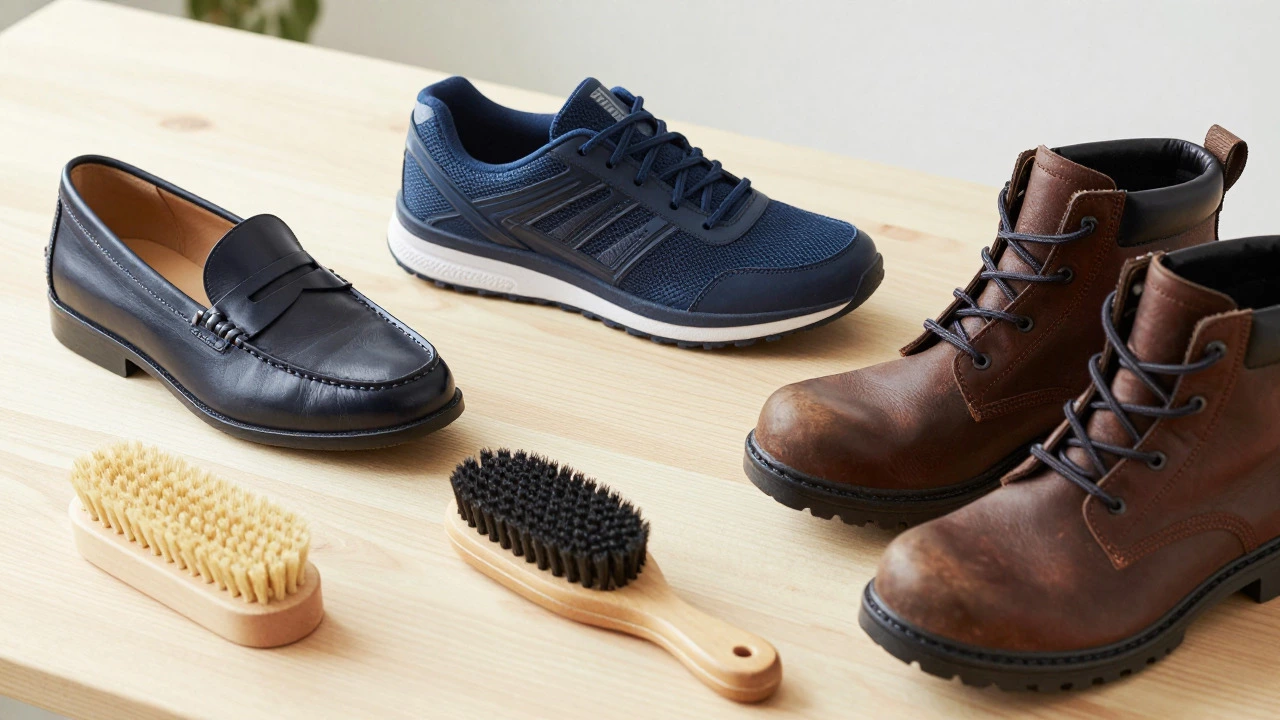
To get the most out of your investment, maintain your shoes properly. Clean them regularly with a damp cloth to remove dirt and salt stains, which are common on Irish pavements in winter. Use a conditioner every few months to keep leather supple and prevent cracking. Rotate your shoes if possible; wearing the same pair every day doesn’t allow the materials to dry out completely, leading to odor and degradation.
Replace insoles if they flatten out. High-quality orthotic insoles, available at pharmacies like Boots or independent podiatry clinics, can extend the life of your shoes and provide customized support. Don’t wait until your shoes fall apart to replace them. Most work shoes last between six to twelve months with daily use. After that, the cushioning breaks down, and you lose the protective benefits.
FAQ
What is the best type of shoe for standing all day in an Irish pub?
For standing all day in a pub, you need shoes with a rocker sole and excellent arch support. Look for brands like New Balance or Clarks that offer cushioned midsoles. Waterproof leather is essential due to potential spills and wet floors. Avoid flat-soled shoes like Converse, as they offer no shock absorption.
Are expensive work shoes worth it in Ireland?
Yes, if you stand for more than six hours a day. Higher-priced shoes from brands like Ecco or Hoka often use advanced materials that provide better long-term support and durability. They may cost more upfront but save you money on medical bills for foot problems and last longer than cheaper alternatives.
How do I deal with rain and commuting to work?
Choose waterproof materials like treated leather or Gore-Tex linings. Apply a water repellent spray monthly. Consider carrying a spare pair of socks in your bag if your commute involves walking through puddles. Change into dry socks immediately upon arriving at work to keep your feet warm and dry.
Can I wear sneakers to a corporate office in Dublin?
It depends on the company culture. In tech startups in the Docklands, clean, minimalist white sneakers are often acceptable. In traditional finance or law firms in Fitzwilliam Square, leather loafers or oxfords are still expected. Check your employee handbook or observe what senior colleagues wear.
Where can I get custom orthotics in Ireland?
You can visit a registered podiatrist in your area. Many hospitals, such as St. James's Hospital in Dublin or Mercy University Hospital in Cork, have podiatry departments. Private practices are also available nationwide. Custom orthotics can correct alignment issues and significantly improve comfort in any work shoe.