
Suit Longevity Calculator
Your Suit Assessment
When you live in Ireland, where the weather shifts from drizzle to sunshine in ten minutes and formal events are as common as pub quizzes, knowing when to buy a new suit isn’t about fashion trends-it’s about practicality, respect, and making your money last. In Ireland, a suit isn’t just for weddings or job interviews. It’s for funerals in Galway, christenings in Cork, business meetings in Dublin’s financial district, and even the occasional St. Patrick’s Day gala at the Mansion House. So how often should you really buy one? The answer isn’t a number on a calendar. It’s about wear, fit, and how well you care for it.
Your Suit Is an Investment, Not a Disposable Item
Forget the fast fashion myth that suits should be replaced every year. In Ireland, where winters are long and damp, and dry cleaning is expensive, a well-made suit can-and should-last five to seven years. Brands like McGinley in Dublin, McCarthy & O’Leary in Cork, and John Rocha’s tailored lines have built reputations on durability. These aren’t cheap imports from overseas warehouses. They’re cut with Irish wool, lined with cotton, and stitched to handle the damp air of the west coast. If you buy one from a local tailor or reputable Irish retailer, you’re not just buying fabric-you’re buying resilience.
Look for suits made with 80% or higher wool. Synthetic blends might look shiny in the store, but they’ll pill, cling to rain, and smell after one wet commute on the Luas. Wool breathes. Wool drapes. Wool survives. And if you’ve ever stood outside the GAA finals in Croke Park in a polyester suit, you know why that matters.
Signs It’s Time for a New Suit
You don’t need to buy a new suit just because it’s been two years. But there are clear signals it’s time:
- The lapels won’t lie flat after removing your coat
- The trousers are shiny at the knees from sitting on wooden pews at Sunday mass
- The jacket sleeves are too short-your wrists are exposed when you raise your arms
- You’ve had it dry cleaned more than six times in the last three years
- You’ve gained or lost more than 10kg since you bought it
These aren’t vanity issues. They’re signs your suit no longer works for you. In Ireland, where appearances carry weight-especially in legal, medical, or public service roles-looking pulled together matters. A suit that fits poorly doesn’t just look bad. It undermines confidence.
How to Make a Suit Last Longer
Extending your suit’s life isn’t magic. It’s routine.
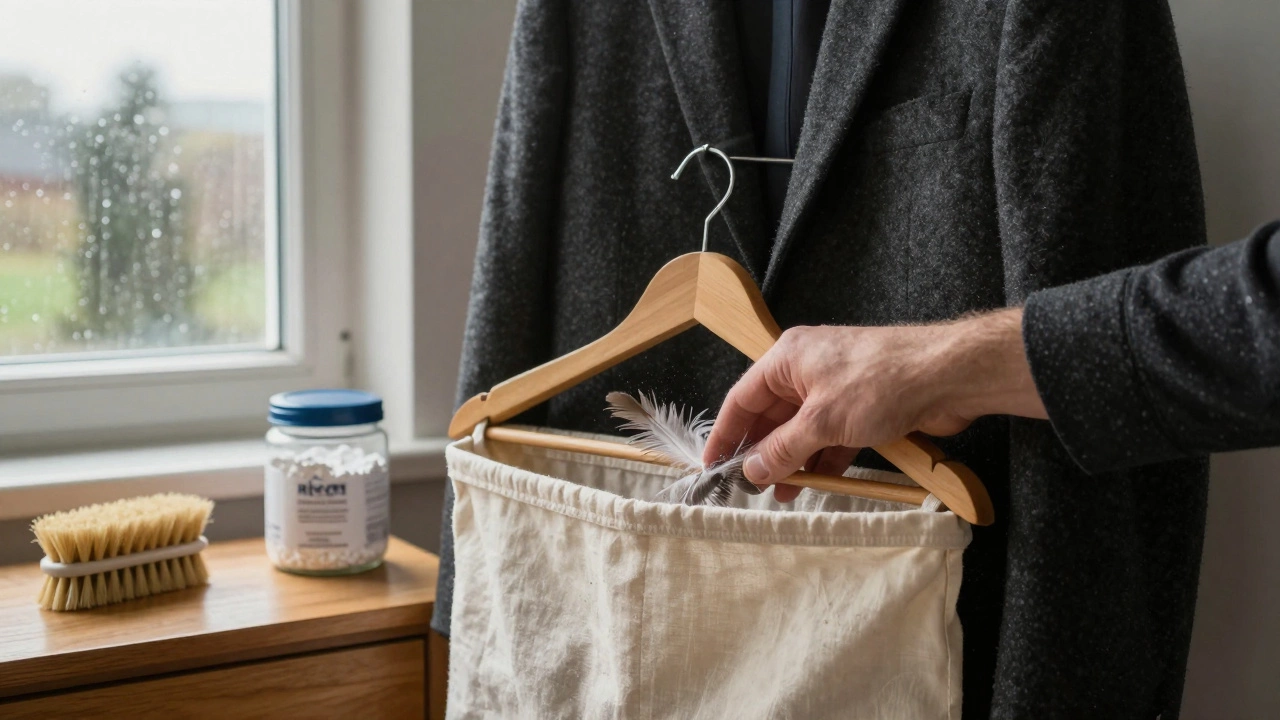
- Hang it on a wooden hanger-not plastic. Plastic hangers stretch shoulders, especially after a long night at the Royal Dublin Society’s awards dinner.
- Let it rest. Don’t wear the same suit two days in a row. Wool needs 24 hours to recover from creases and body heat.
- Brush it after every wear. Use a soft-bristle suit brush. It removes dust, lint, and the occasional Dublin pigeon feather. Do this before dry cleaning-it cuts down on harsh chemicals.
- Spot clean spills immediately. Irish weather means rain, Guinness, and tea spills are inevitable. Blot, don’t rub. Use cold water and a clean cloth. If it’s oil-based, sprinkle cornstarch on it and leave overnight before brushing off.
- Store it in a breathable cotton bag. Not plastic. Plastic traps moisture. Moisture breeds moths. And moths don’t care if you’re from Belfast or Ballybunion.
These habits are common among men in Limerick who’ve owned the same navy suit since 2015. They didn’t buy it because it was cheap. They bought it because it was made to last.
When to Buy Your First Suit
If you’re new to Ireland-whether you’re an expat, a recent graduate, or just starting a new job-don’t rush. Your first suit doesn’t need to cost €800. But it shouldn’t be €99 from a chain store either.
Look at local options:
- John Lewis (Dundrum, Dublin) offers well-priced wool blends with a 12-month guarantee
- Penneys (Primark) suits are fine for one-off events, but don’t expect them to survive three winters
- Custom tailors in Galway or Waterford often have off-the-peg lines with better fabric and fit than high-street brands
- Second-hand shops like The Salvation Army in Bray or Oxfam in Cork sometimes have vintage suits in excellent condition-perfect for interviews or funerals
For your first suit, aim for navy or charcoal. Avoid black unless you’re attending a funeral or a formal opera. Navy works in the boardroom, at a wedding in Kilkenny, and even under a raincoat on a Tuesday morning.
Seasons, Events, and the Irish Calendar
In Ireland, your suit needs to serve more than one purpose. Think of it like a good pair of boots-you don’t buy a new one every season, but you do need to know when it’s time to upgrade.
Here’s how the Irish calendar affects suit ownership:
- Spring (March-May): Wedding season kicks off. If you’re invited to three or more, consider a second suit in light grey.
- Summer (June-August): Fewer formal events. Use this time to air out your suits and check for moth damage.
- Autumn (September-November): Business events, award nights, and Christmas parties ramp up. This is when you’ll notice wear. Clean and repair now.
- Winter (December-February): The hardest season. Heavy coats, wet sidewalks, and indoor heating dry out wool. Avoid wearing your best suit to the Christmas market in Temple Bar unless you’re prepared for spills and steam.
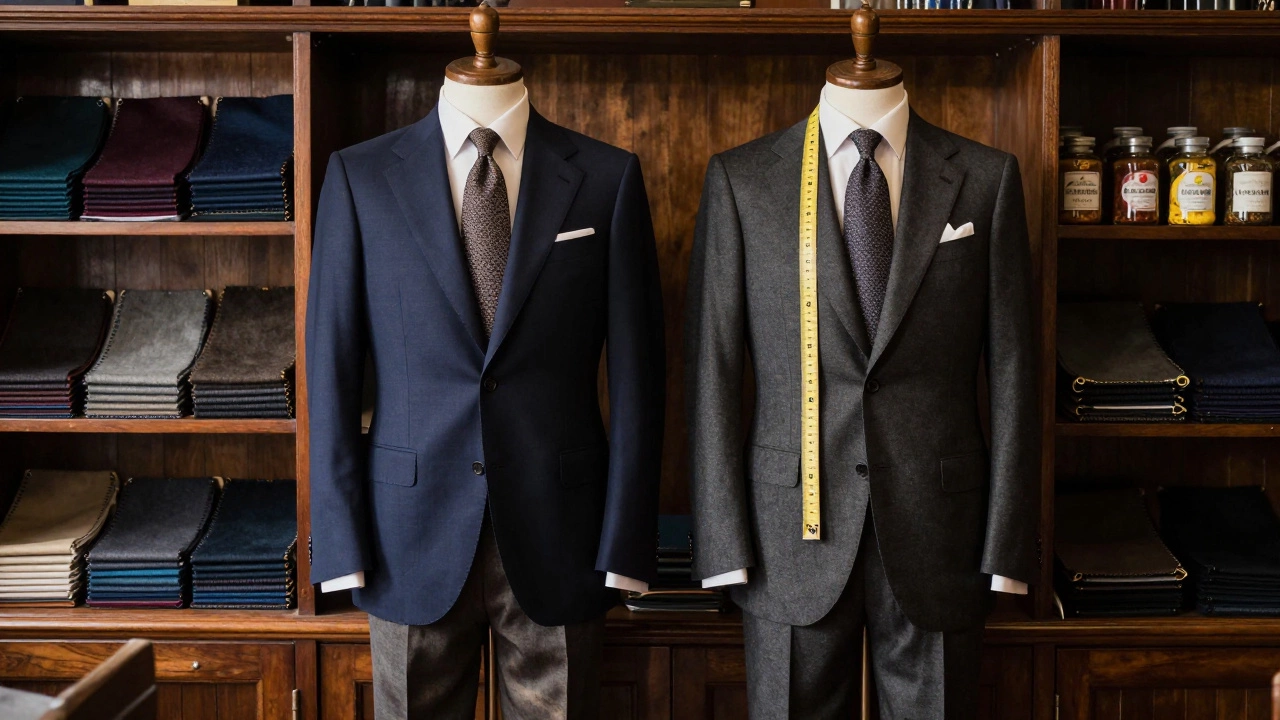
Many Irish men own two suits: one for work and serious events, and one lighter one for weddings and parties. That’s the sweet spot.
What About Rental Suits?
Rental suits are popular for one-off events like confirmations or proms. But in Ireland, they’re not ideal for professionals or regular attendees.
Here’s why:
- Rental suits are often made of thin polyester. They wrinkle under a coat.
- Fitting is rarely precise. In a country where a well-tailored jacket says you respect the occasion, a loose shoulder or baggy crotch stands out.
- You’re paying €80-€120 for something you’ll wear once. That’s more than buying a decent second-hand suit from a Dublin thrift store.
Unless you’re attending a single event like a friend’s wedding and have zero budget, skip the rental. Buy a used one instead. You’ll look better, feel better, and save money long-term.
Final Rule: Buy When You Need It, Not When You Think You Should
The biggest mistake Irish men make is buying a suit because they think they’re supposed to. You don’t need a suit because you turned 30. You don’t need one because your cousin got married. You need one when your current one no longer fits, no longer holds up, or no longer serves the life you’re living now.
If you’ve got a suit from 2019 that still fits, still looks sharp after brushing, and still turns heads at the Irish Open golf tournament, keep it. There’s no shame in wearing a good suit for a long time. In fact, in Ireland, it’s a sign of wisdom.
When you do buy a new one, choose quality over quantity. Go to a tailor who knows Irish weather. Ask for wool with a high twist. Check the lining. Make sure the buttons are sewn on with thread, not glued. And if you’re unsure, ask for a second opinion. Most Irish tailors will give you a free consultation. They’ve seen too many men buy cheap suits and regret it by January.