
Irish Suit Budget & Value Calculator
Stop guessing. Calculate the real price of looking sharp in Dublin, Cork, or Galway. This tool helps you compare tiers, add hidden costs like alterations and accessories, and see the long-term value.
Total Outfit Investment
Includes suit, alterations, and selected accessories.
Cost Per Wear
Based on estimated total wears over the lifespan.
Verdict
...
You’re standing in a fitting room in Grafton Street or browsing the racks at Arnotts, staring at a price tag that makes your wallet wince. Is €300 enough? Do you need to drop €1,500 for something decent? Or is there a middle ground that doesn’t require selling a kidney? The question how much should I spend on a fitted suit isn’t just about money-it’s about understanding what you’re actually buying in the Irish market.
Here’s the hard truth: there is no single number. But there is a smart way to think about it. In Ireland, where the weather demands durability and social occasions range from casual pub quizzes to formal weddings in Cork or Dublin, your budget needs to match your lifestyle. Let’s break down the real costs, the hidden fees, and how to get the best value without getting ripped off.
The Three Tiers of Suit Pricing in Ireland
To figure out your budget, you first need to understand the three main categories of suits available here. Each has different cost structures, quality levels, and fitting experiences.
| Tier | Price Range (EUR) | Best For | Fitting Process | Lifespan |
|---|---|---|---|---|
| Off-the-Rack (OTR) | €150 - €450 | First job interviews, occasional wear, tight budgets | Buy online/in-store, pay tailor separately (€50-€80) | 2-3 years with care |
| Made-to-Measure (MTM) | €600 - €1,200 | Weddings, regular business use, specific fit issues | Multiple fittings included in price | 5-7 years |
| Bespoke | €1,800 - €3,500+ | High-stakes careers, collectors, perfect fit obsession | 4-6 fittings, pattern creation from scratch | 10+ years |
Notice the gap between OTR and MTM? That’s where most Irish guys get stuck. They buy a €200 suit from Brown Thomas or Next, then spend another €100 getting it tailored, only to find the fabric feels cheap after two wears in Galway rain. Meanwhile, they see friends wearing €900 MTM suits that look sharper and last longer.
Why "Cheap" Can Be Expensive in the Long Run
Let’s talk about fabric. It’s the biggest factor in price, and often the one people ignore. A €180 suit usually uses polyester blends or low-grade wool. It traps heat during Dublin summers and looks shiny under office lights. Within a year, the elbows shine, the knees bag, and the collar frays.
A €600+ suit typically uses Super 110s or Super 120s Merino wool. This fabric breathes better, resists wrinkles, and drapes naturally over your body. If you live in Ireland, you know the struggle of sudden rain showers. High-quality wool sheds water better than synthetic blends. You’re not just paying for brand names; you’re paying for performance in our specific climate.
Consider the "Cost Per Wear" formula. It’s simple: Total Price ÷ Number of Times Worn = Cost Per Wear. If you buy a €200 suit and wear it ten times before it looks tired, that’s €20 per wear. If you buy a €800 suit and wear it fifty times over five years, that’s €16 per wear. The expensive suit was cheaper. Simple math, but we rarely do it when swiping the card.
Where to Shop: High Street vs. Independent Tailors
Ireland has a mix of global chains and local artisans. Your choice depends on how much time you have and how picky you are.
- High Street Chains (Next, H&M, Zara): Great for basics. Expect to pay €150-€300. Warning: Their sizing can be inconsistent. One week you’re a size 40R, the next you’re a 42S. Always try on before buying.
- Department Stores (Arnotts, Brown Thomas): Better quality control. Brands like Hugo Boss or Reiss sit here. Prices jump to €400-€800. They often offer basic alterations for free or low cost if you buy in-store.
- Specialist Retailers (Suit Supply, Charles Tyrwhitt): These are popular in Dublin and online. They offer semi-finished suits that are adjusted to you. Expect €500-€900. The service is more personalized than high street.
- Irish Bespoke/MTM Houses: Places like Dwyer & Co. in Dublin or independent tailors in Cork and Belfast. Here, you build the suit. You choose the lining, the buttons, the lapel width. It takes 4-6 weeks. Price starts around €1,200 for MTM and goes up for full bespoke.
If you’re in a hurry, stick to department stores. If you have a wedding coming up in six months, book an appointment with a specialist. Rushing a custom suit leads to mistakes that cost extra to fix later.
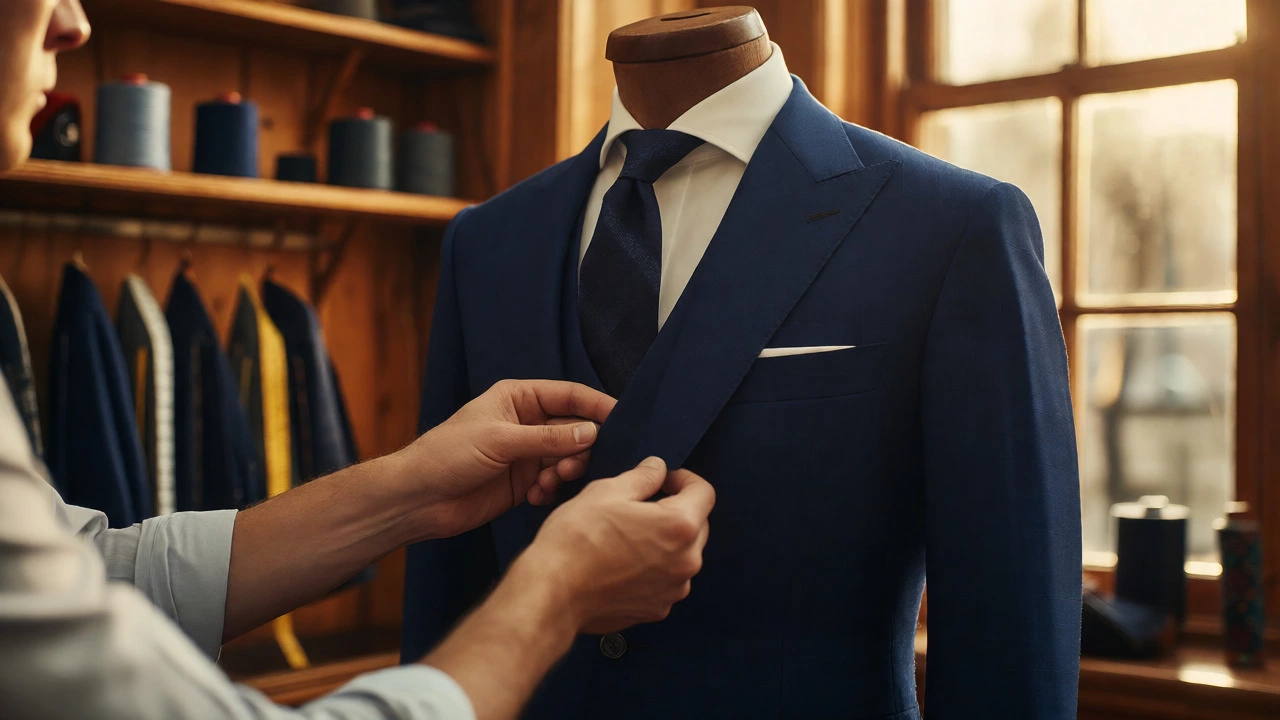
The Hidden Costs: Alterations and Accessories
Your budget isn’t just the suit price. It’s the total package. Many men forget this and blow their budget on day one.
Alterations: Even a well-made suit needs tweaking. Sleeve length, trouser hemming, taking in the waist-these aren’t always included. In Dublin, expect to pay €50-€100 for standard alterations. Some shops include them; others charge. Ask before you buy.
Shoes: A great suit looks bad with scuffed sneakers. Budget at least €150-€300 for a pair of leather dress shoes. Brands like Loake or Church’s are common in Ireland and hold up well against damp conditions.
Shirt and Tie: Don’t skimp here. A crisp white shirt costs €40-€80. A good silk tie is €30-€60. Add these to your initial quote. If your suit budget is €500, your total outfit cost might be €700.
When to Splurge and When to Save
Not every occasion warrants a €2,000 suit. Match the investment to the event.
Splurge If: You’re a lawyer, banker, or consultant who meets clients daily. People judge books by covers, especially in corporate Dublin. A sharp suit builds trust. Also, splurge if you’re the groom at a wedding. Photos last forever; you’ll want to look back and not regret cutting corners.
Save If: You work remotely or in a creative field where jeans are acceptable. Or if you’re buying your first suit for a university graduation or a one-off interview. In these cases, a solid €300-€400 suit from a reputable brand is perfectly fine. Focus on fit rather than brand prestige.
Practical Tips for Irish Buyers
1. **Check the Lining:** Full canvas construction is a sign of quality. It allows the suit to mold to your body over time. Half-canvas is okay for mid-range; fused (glued) is cheap. You can test this by pinching the front panel near the bottom button. If it feels stiff and separate, it’s likely fused. If it feels soft and connected, it’s canvas.
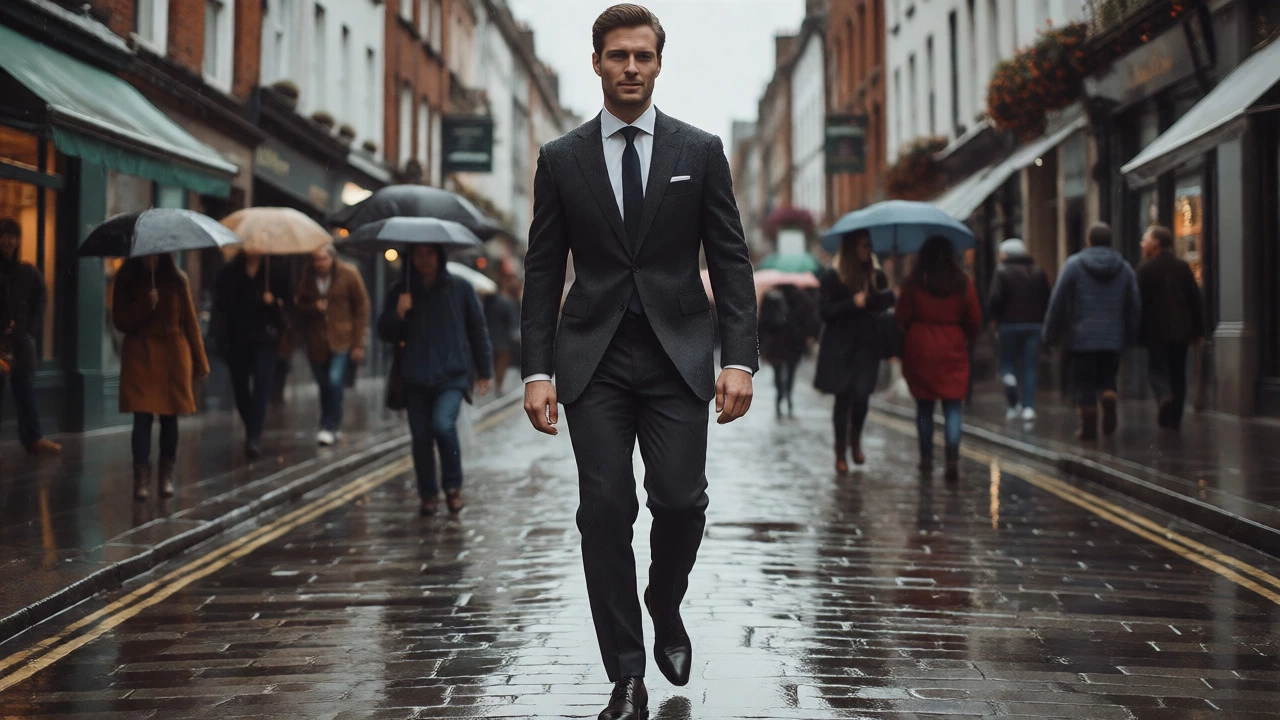
2. **Mind the Weather:** Ireland is rainy. Darker colors (navy, charcoal) hide water spots and stains better than light grey or beige. Stick to dark solids for versatility.
3. **Try Before You Buy Online:** Sites like SuitSupply allow easy returns, but shipping delays can happen. If you’re in rural Ireland, delivery might take longer. Factor in return shipping costs if the fit isn’t right.
4. **Care Matters:** Never dry clean unnecessarily. Brush your suit after each wear to remove dust. Hang it on a wide wooden hanger to maintain shoulder shape. Use a garment bag when traveling between cities like Dublin and London to prevent creases.
Frequently Asked Questions
Is it worth spending more on a suit if I only wear it twice a year?
Probably not. If you only wear it for weddings or funerals, a mid-range off-the-rack suit (€300-€500) from a brand like Reiss or Massimo Dutti is sufficient. Ensure it fits well through tailoring, which is more important than the fabric grade for infrequent wear.
Can I get a good suit for under €200 in Ireland?
Yes, but with caveats. You can find sales at H&M, Zara, or ASOS. However, you will likely need significant alterations to make it look professional. The fabric may also pill or shine quickly. It’s a viable option for students or those on a strict budget, but expect a shorter lifespan.
What is the difference between Made-to-Measure and Bespoke?
Made-to-Measure (MTM) adjusts an existing base pattern to your measurements. Bespoke creates a unique paper pattern from scratch based on your posture and movement. Bespoke offers a superior fit and customization options (like pocket placement or lining color) but costs significantly more and takes longer to produce.
Do Irish tailors charge extra for rush jobs?
Yes, most independent tailors in Dublin, Cork, or Galway charge a rush fee (often 20-50% extra) if you need the suit in under two weeks. Plan ahead. Booking a fitting four weeks before your event avoids these fees and ensures better quality control.
Should I buy a navy or black suit first?
Navy. Black suits are generally reserved for very formal events (black tie) or funerals. Navy is versatile for business, weddings, and dinner dates. It pairs easily with brown or black shoes and works well in the Irish daylight.