Suit Construction Selector
Answer three questions about your needs to determine the best construction type for your next suit.
Recommendation Title
Detailed explanation goes here.
You’re standing in a shop on Grafton Street or perhaps browsing online from your kitchen table in Galway. You’ve found the perfect fabric-a heavy wool that’ll keep you warm during those brisk Irish summers-and now comes the big question: do you pay extra for a hand sewn suit, or is a modern machine-sewn alternative just as good? It’s a debate that divides tailors, grooms, and corporate professionals across Ireland every day.
The short answer? For most people, a well-made machine-sewn suit is more than enough. But if you’re getting married in a castle in County Kerry or leading a board meeting in a glass tower on Grand Canal Dock, understanding the difference between hand and machine construction changes how you see the garment entirely. It’s not just about price; it’s about movement, longevity, and how the suit behaves when you’re actually wearing it.
The Construction Difference: Canvas vs Fusing
To understand why one might be "better," you have to look inside the jacket. A standard high-street machine-sewn suit often uses fusing. This means a layer of adhesive-backed mesh is glued to the inside of the wool front panels to give them shape. It’s fast, cheap, and consistent. However, over time-especially with the humidity we get here in Ireland-that glue can bubble or crack. You know the look: the chest panel starts to wrinkle permanently, looking like an old map.
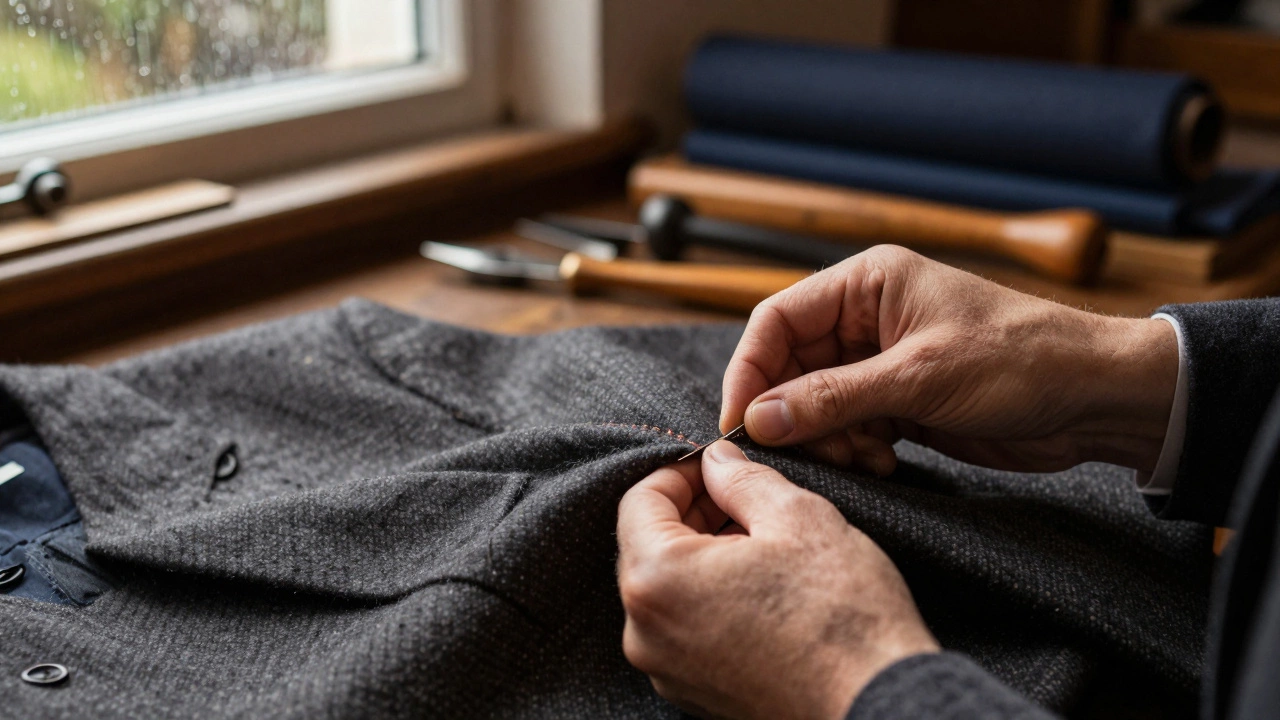
A hand-sewn suit, particularly a full-canvas bespoke suit, works differently. The tailor inserts a layer of horsehair canvas between the wool and the lining. They then stitch this canvas to the wool by hand using loose stitches called pad stitching. These stitches allow the canvas to move independently of the outer fabric. When you sit down at a pub in Temple Bar or lean forward in your office chair, the chest rolls naturally with your body. As the suit ages, it molds to your specific physique, much like a pair of leather boots breaking in.
| Feature | Machine Sewn (Fused) | Hand Sewn (Full Canvas) |
|---|---|---|
| Construction Method | Adhesive fusing | Horsehair canvas & hand pad stitching |
| Lifespan | 3-5 years (risk of bubbling) | 10-20+ years |
| Movement & Drape | Stiff initially, may restrict | Natural roll, moves with body |
| Repairability | Difficult to alter significantly | Easily restructured by a tailor |
| Cost Range (Ireland) | €200 - €600 | €1,500 - €4,000+ |
Why Hand Stitching Matters for Fit
In a machine-sewn suit, the dimensions are fixed once the garment leaves the factory. If you gain five kilograms after a few Christmas dinners, the shoulders will remain tight because the structure is rigid. With hand sewing, the tailor creates a "living" garment. The sleeve heads are basted by hand, allowing them to rotate slightly as you raise your arms. This subtle detail prevents the entire jacket from riding up when you reach for a pint or adjust your tie.
Consider the climate in Dublin. We deal with unpredictable weather-one minute it’s sunny, the next it’s pouring rain. A hand-sewn suit allows for better ventilation because the layers aren’t glued together. Air can circulate between the canvas and the wool, keeping you cooler in summer and allowing moisture to escape in winter. A fused suit traps heat and sweat against your skin, which isn’t ideal if you’re commuting on the Luas or walking to work in the city center.
The Irish Tailoring Scene: Local Craftsmanship
Ireland has a rich history of tailoring, though it doesn’t always get the spotlight compared to Savile Row in London. In Dublin, you’ll find master tailors who still practice traditional hand-stitching techniques. Shops in areas like Merrion Square or George’s Street offer bespoke services where every buttonhole is cut and stitched by hand. These artisans understand the local aesthetic: clean lines, durable fabrics suited for our damp climate, and fits that balance professionalism with comfort.
If you’re outside Dublin, cities like Cork and Limerick also host skilled tailors. While they may not all offer full bespoke hand-sewn services, many provide "made-to-measure" options that incorporate hand-finished details like pick stitching on the lapels or hand-rolled edges. This hybrid approach gives you some of the benefits of hand craftsmanship without the full bespoke price tag.
When to Choose Hand Sewn
You don’t need a hand-sewn suit for every occasion. Here’s a practical guide based on common scenarios in Ireland:
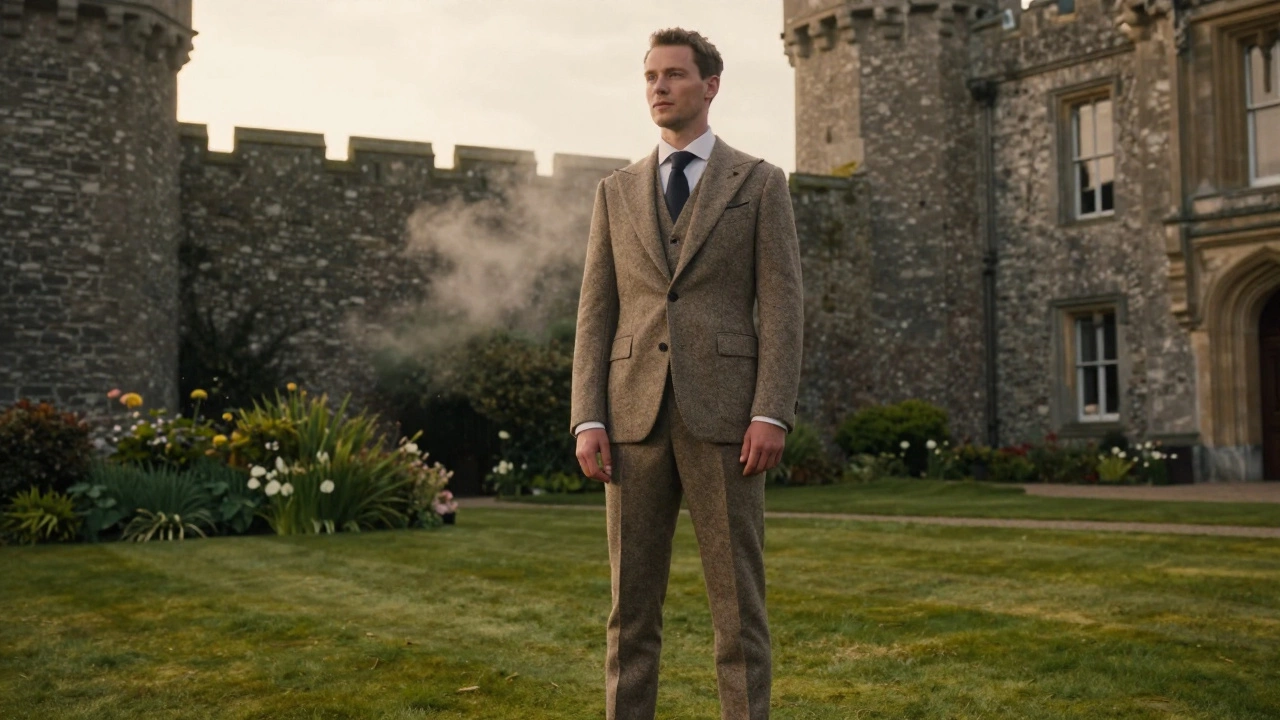
- Your Wedding: If you’re marrying in a historic venue like Ashford Castle or a rustic barn in Wicklow, a hand-sewn suit ensures you look sharp in photos and feel comfortable dancing until midnight. It’s an investment in memories.
- High-Stakes Career: If you’re in law, finance, or politics in Dublin, your suit is part of your brand. A hand-sewn jacket projects confidence and attention to detail. Colleagues may not know what pad stitching is, but they’ll notice the superior drape.
- Long-Term Investment: If you plan to wear the same suit twice a week for ten years, hand sewing pays off. The durability and repairability mean you won’t need to replace it frequently.
When Machine Sewn Is Enough
Let’s be honest: not everyone needs a €3,000 suit. Modern machine-sewn suits have improved dramatically. Brands available in Brown Thomas or locally-owned boutiques now use half-canvas constructions, which combine machine efficiency with some hand-finishing. These suits offer a good balance of structure and flexibility.
Choose machine-sewn if:
- Budget Is Tight: You’re a student or early-career professional needing interview outfits. A €300 suit looks great for the occasion and serves its purpose.
- Varying Styles: You like to change trends often. Hand-sewn suits are timeless, but if you want bright colors or bold patterns that might go out of style, machine-made is safer.
- Occasional Wear: If you only wear a suit once or twice a year for weddings or funerals, the cost of hand sewing isn’t justified. A quality ready-to-wear option will last long enough.
Caring for Your Suit in the Irish Climate
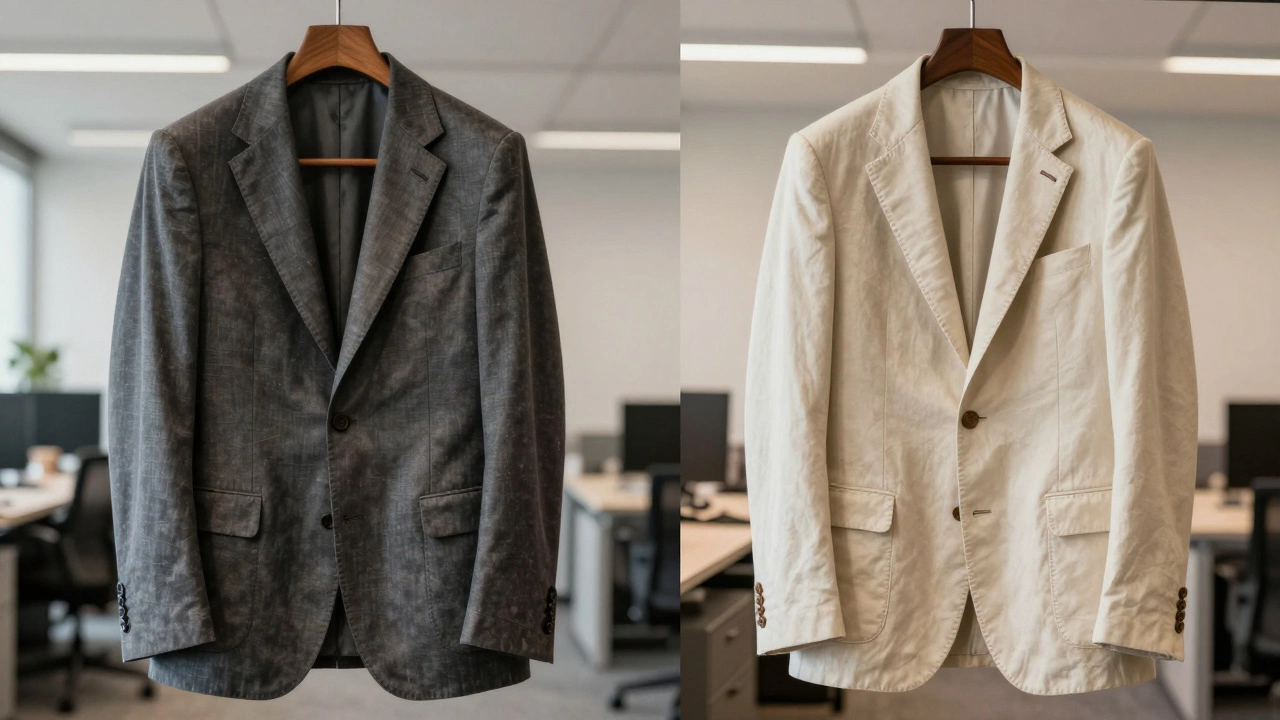
Regardless of how it’s made, your suit needs care. Ireland’s damp air can lead to mildew if suits are stored improperly. Always hang your suit on a wide wooden hanger to maintain shoulder shape. Avoid plastic dry-cleaning bags; let the fabric breathe. For hand-sewn suits, professional cleaning should be minimal-once or twice a year is sufficient. Over-cleaning strips the natural oils from the wool, shortening its life.
If you spill something, brush it off immediately. Don’t rub. And remember, wool is resilient. A good steam from a shower can remove light wrinkles without needing an iron, preserving the integrity of the hand-stitched canvas.
Finding the Right Tailor in Ireland
If you decide to go hand-sewn, finding the right artisan is crucial. Look for tailors who show you their work in progress. Ask to see the inside of a jacket. If you see neat, even hand stitches and no visible glue residue, you’re in good hands. Many Dublin tailors offer consultations where they discuss your lifestyle, posture, and preferences. Be open about how you move and where you live. A tailor in Galway might recommend different fabrics than one in Dublin, considering travel habits and local weather patterns.
Don’t hesitate to ask questions. A good tailor will explain why they choose certain canvases or linings. They’ll measure you meticulously-not just height and weight, but shoulder slope, arm length, and waist suppression. This process takes time, often requiring three to four fittings. It’s not just buying clothes; it’s building a relationship with your wardrobe.
Is a hand-sewn suit worth the extra cost?
For most people, a high-quality machine-sewn suit offers excellent value. However, if you wear suits regularly, value fit above all else, or want a garment that lasts decades, hand sewing is worth the investment. The superior drape, comfort, and longevity justify the higher price for frequent wearers.
Can I tell if a suit is hand-sewn by looking at it?
Not easily from the outside. Look for a natural roll in the lapel rather than a sharp crease. Feel the chest area; it should be soft yet structured, not stiff like cardboard. Check the inside for visible hand stitches on the canvas. If the label says "fused" or "bonded," it’s machine-made.
Where can I find hand-sewn suits in Ireland?
Dublin has several bespoke tailors in areas like Merrion Square and George’s Street. Cork and Limerick also have skilled artisans. Look for shops advertising "bespoke" or "full canvas" services. Ask to see examples of their hand-stitching before committing.
How long does it take to make a hand-sewn suit?
Typically 8 to 12 weeks. This includes initial measurements, multiple fittings, and adjustments. Rush orders are possible but may compromise quality. Plan ahead, especially for weddings or major events.
Does hand sewing affect the durability of the suit?
Yes, positively. Hand-stitched seams are stronger and more flexible than machine stitches. They allow the fabric to move without tearing. Additionally, hand-sewn suits are easier to repair and alter over time, extending their lifespan significantly.