Irish School Uniform Cost Estimator
Estimate your family's spending on school uniforms. Adjust the sliders to reflect whether you are buying new or second-hand items, and see how the total changes for multiple children.
Purchase Strategy
Family Details
Estimated Annual Total
for all children
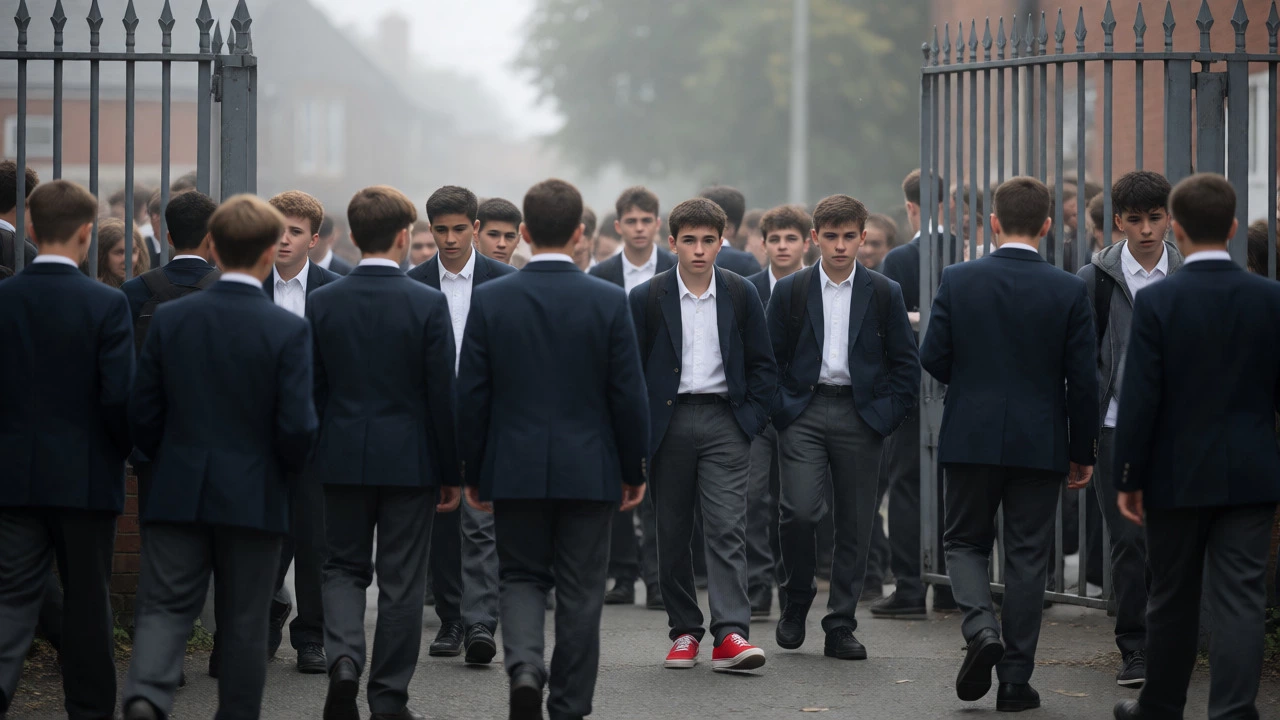
You drop your kid off at the gates of a local secondary school in Dublin or Cork. Ten kids walk past you. Nine look identical: grey trousers, navy blazer, white shirt. One kid is wearing bright red trainers and a hoodie because they lost their blazer on the bus. You wonder: does it actually matter? Does forcing everyone to dress the same change how they learn, behave, or feel about themselves? It’s a question parents across Ireland ask every September when the back-to-school shopping bills hit.
The short answer isn't simple. In Ireland, where the Education Act 1998established the legal framework for free primary education and governed post-primary schooling heavily influences school culture, uniforms are more than just clothes. They’re a social equalizer, a financial burden, and sometimes a source of anxiety. Let’s break down what the data says, what parents experience, and whether the tradition is worth keeping in modern Irish society.
The Financial Reality for Irish Families
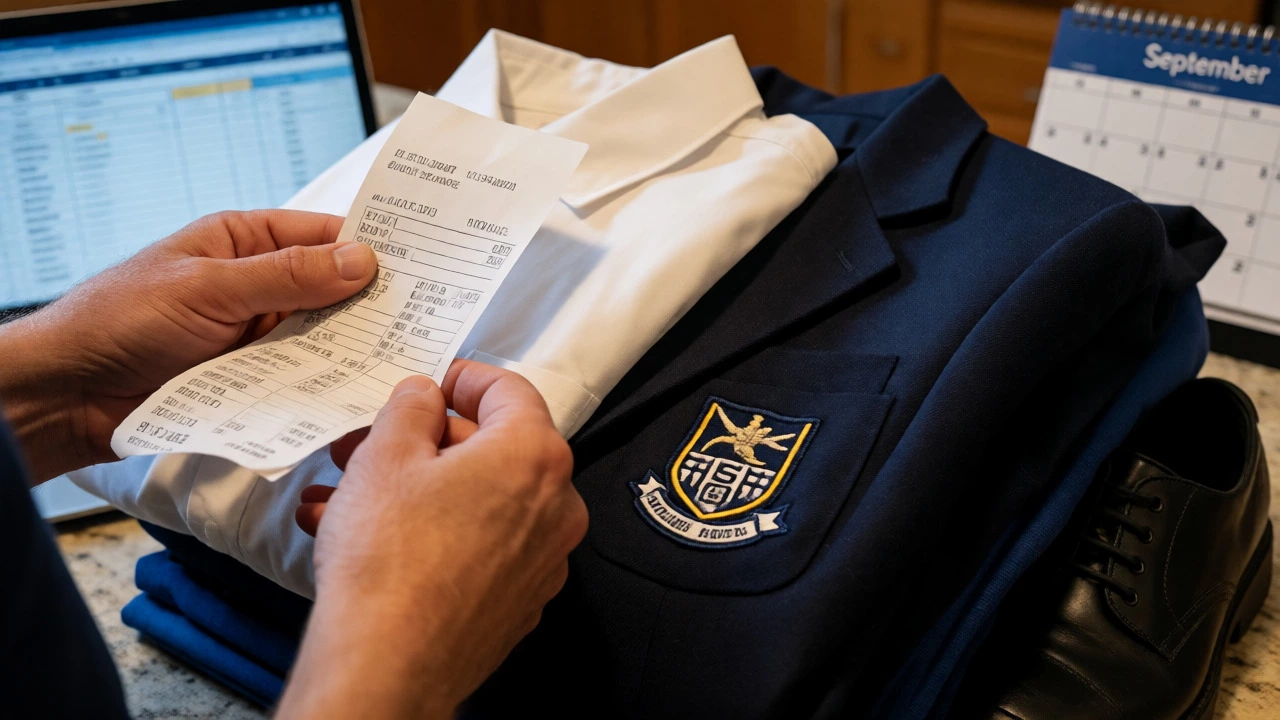
Let’s talk money first, because that’s usually the biggest pain point. According to recent surveys by the Society of St. Vincent de Paul, the average Irish family spends between €300 and €500 per child on school uniforms annually. For families with three kids in secondary school, that’s over €1,000 gone before a single textbook is bought. This hits hardest during the cost-of-living crisis that has squeezed household budgets across the island from Donegal to Kerry.
Here’s the catch: most schools don’t allow generic substitutes. You can’t just buy black trousers from Penneys (Primark) and call it a day if the school specifies "charcoal grey" or requires a specific embroidered crest. This monopoly-like structure drives prices up. A blazer from a specialized supplier might cost €60-€80, while a similar quality one elsewhere is half that. Parents often resort to buying second-hand via Facebook groups like "School Uniform Swap Ireland," which helps but doesn’t solve the core issue of restrictive dress codes.
| Item | Average Cost (New) | Average Cost (Second-hand) | Notes |
|---|---|---|---|
| Blazer with Crest | €60 - €85 | €20 - €35 | Must match school color exactly |
| Trousers/Skirt (x2) | €40 - €60 | €10 - €20 | Specific shade required |
| Shirts/Blouses (x3) | €30 - €45 | €5 - €10 each | White or light blue standard |
| Jumper/Cardigan | €25 - €40 | €5 - €15 | School branded logo mandatory |
| Shoes (Black Leather) | €50 - €70 | N/A | Often must be plain, no logos |
| Total Estimated | €205 - €300+ | €40 - €80 | Excludes PE kit & accessories |
Social Equality or Social Pressure?
The original argument for uniforms was noble: remove visible markers of wealth. If everyone wears the same jumper, you can’t tell who lives in a big house in Sandyford and who lives in social housing in Tallaght. Ideally, this reduces bullying based on clothing brands. And to some extent, it works. Kids aren’t fighting over whose Nike sneakers are newer during math class.
But here’s the twist. In practice, new status symbols emerge. It’s not the jumper anymore; it’s the backpack. Or the phone case. Or the brand of water bottle. A €150 Osprey bag stands out just as much as a designer coat would. So, did we eliminate inequality, or just shift it to accessories that schools don’t regulate? Many Irish teachers report that while uniform reduces direct clothing-based teasing, it doesn’t stop socioeconomic segregation entirely. Students still know who has private tutoring, who goes on expensive holidays, and who has the latest iPhone.
Moreover, for LGBTQ+ students, strict gendered uniforms (skirts for girls, trousers for boys) can cause genuine distress. Schools in urban centers like Dublin City are increasingly adopting gender-neutral policies, allowing any student to wear trousers or skirts regardless of gender. This small change has shown significant improvements in mental health outcomes for trans and non-binary youth, according to advocacy groups like BeLonG To Youth Services.
Behavior and Academic Performance: What Does the Data Say?
Does putting a kid in a blazer make them study harder? The evidence is mixed. Some studies suggest that formal attire puts students in a "work mode" mindset, potentially improving focus. However, large-scale analyses in the UK and US-which share similar educational structures with Ireland-often find no statistically significant link between uniform mandates and higher test scores.
In Ireland, the Department of Education hasn’t conducted a major longitudinal study specifically isolating uniform impact on grades. Instead, anecdotal evidence from principals suggests the effect is psychological rather than academic. When students feel part of a collective identity, pride in their school increases. This sense of belonging can indirectly boost engagement. If a student feels proud to wear their school’s colors at a GAA match or a science fair, they might try harder in class to represent that community well.
However, there’s a downside. Discomfort distracts. A tight tie, an itchy wool jumper, or shoes that haven’t been broken in yet can ruin a teenager’s day. If a student is spending energy worrying about whether their skirt is too short according to the code, or if their hair is tied back correctly, that’s cognitive load diverted from learning. Teachers often spend valuable minutes policing dress codes instead of teaching history or maths. Is that trade-off worth it?
The Identity Factor: Community vs. Individuality
Ireland places a high value on community. From parish networks to local sports clubs, belonging matters. School uniforms tap into this cultural thread. Wearing the same badge creates an instant tribe. For many students, especially those who struggle socially, blending in is a relief. They don’t have to curate an outfit every morning. They don’t have to worry about judgment on their style choices. The uniform acts as armor against social anxiety.
On the flip side, adolescence is the prime time for self-expression. Teens use fashion to figure out who they are. Banning personal style during six hours of the school day can feel restrictive. Some students rebel subtly-rolling up sleeves, untucking shirts, or swapping socks for colorful ones allowed under the rules. These micro-rebellions are healthy ways to assert individuality within constraints.
Interestingly, rural schools in counties like Mayo or Clare often enforce stricter uniform policies than urban schools in Dublin or Galway. In smaller communities, the school is the central hub of social life, so the visual unity reinforces local identity. In larger cities, where students come from diverse backgrounds and commute from wider areas, the sense of shared identity is weaker, making the uniform feel less meaningful and more like a rule imposed from above.
Practical Tips for Irish Parents
If you’re navigating the uniform maze this year, here’s how to keep your sanity and your wallet intact:
- Buy Quality Over Quantity: Cheap blazers lose shape after two washes. Invest in one good piece rather than three flimsy ones. Look for blends with elastane for comfort and durability.
- Check the Second-Hand Market Early: Don’t wait until late August. Start looking in June. Websites like Adverts.ie and local charity shops (e.g., Oxfam Ireland branches) often stock clean, gently used uniforms.
- Understand the "No Logo" Rule: Many schools ban visible brand logos on t-shirts and underwear. Buy plain packs from discount retailers to save cash.
- Label Everything: Use iron-on labels or permanent markers inside collars. Items disappear fast in busy corridors. Write names clearly on PE kits, which are often left behind in changing rooms.
- Ask About Gender Neutrality: If your child prefers trousers but is assigned a skirt, ask the principal if a derogation is possible. Most schools are flexible if approached respectfully.
The Future of Dress Codes in Ireland
We’re seeing a shift. More Irish schools are moving away from rigid blazer-and-tie requirements toward "smart casual" policies. This trend aligns with global movements emphasizing comfort and inclusivity. Schools like Coláiste Iognáid in Galway have piloted relaxed dress codes, reporting fewer disciplinary issues related to appearance.
As climate change makes Irish summers hotter, heavy wool jumpers become impractical. Breathable fabrics and lighter options are gaining traction. There’s also growing pressure from parent unions to cap uniform costs and mandate that suppliers offer affordable alternatives. The goal isn’t to abolish uniforms but to make them functional, fair, and fit for purpose in 2026.
So, do school uniforms make a difference? Yes, but perhaps not in the way traditionalists think. They don’t magically improve grades. But they do shape school culture, influence social dynamics, and impact family finances. The key is balancing tradition with practicality, ensuring that the uniform serves the student, not the other way around.
Are school uniforms compulsory in all Irish schools?
Not all. While the vast majority of secondary schools in Ireland require a uniform, some progressive or alternative education models allow smart casual dress. Primary schools vary widely; many have no uniform, while others require simple branded items like polo shirts. Check the specific school's policy document, usually available on their website or via the Parents' Association.
Can I buy school uniforms online in Ireland?
Yes, most major suppliers now offer online ordering. Companies like McCarthy & Co, Murphy's, and specialized local tailors provide e-commerce platforms. However, fitting is crucial for blazers and shoes. It’s often wise to order online but try on locally if possible, or check return policies carefully. Delivery times can spike in late August, so order early.
What happens if my child refuses to wear the uniform?
Most schools have a graduated response. First, they’ll speak to the student and parents. Persistent refusal might lead to internal suspension or isolation during break times. However, schools are increasingly sensitive to mental health issues. If refusal stems from sensory processing difficulties or gender dysphoria, reasonable accommodations are often made under equality legislation.
Is there financial support for school uniforms in Ireland?
The Department of Education provides grants for disadvantaged families through the Back to School Clothing and Footwear Allowance (BSCFA). Eligibility depends on receiving certain social welfare payments. Additionally, many schools have hardship funds managed by the Parents’ Association to help cover uniform costs for families in need. Local charities like the Society of St. Vincent de Paul also assist.
Do school uniforms reduce bullying?
They reduce bullying related to clothing brands and economic status visibly. However, bullying shifts to other factors like technology, hobbies, or social circles. Studies show that while uniforms create visual equality, they don’t eliminate the underlying social hierarchies among teenagers. Effective anti-bullying programs rely more on school culture and staff intervention than on dress codes alone.