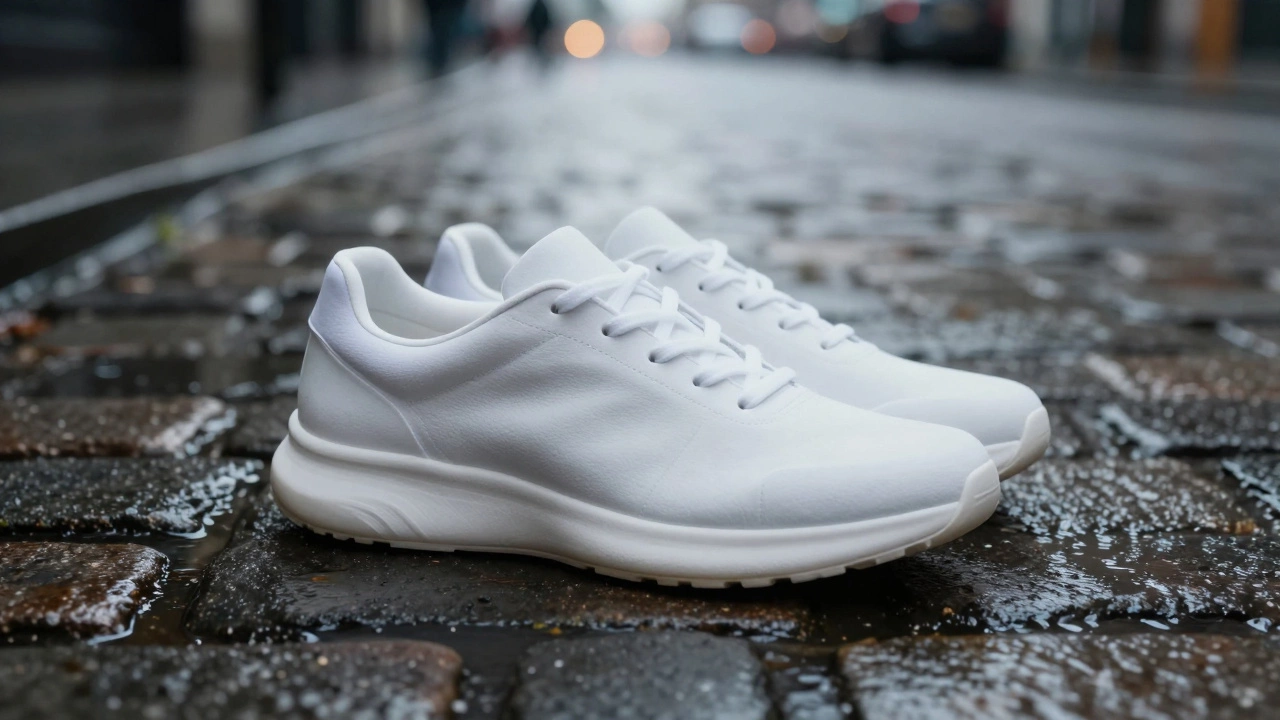
Footwear Support Analyzer
Perform these five physical tests on your shoes to see if they meet podiatrist-recommended standards for long-term wear.
Your Result:
0/5Основной problem is a misunderstanding of what "comfort" actually means for your feet. When you first put on a pair of memory foam shoes, your brain signals that it's great because the pressure is distributed evenly. However, for someone spending ten hours a day on their feet-like a nurse at St. James's Hospital or a retail worker in Grafton Street-that soft foam can actually be a liability. It's like trying to balance on a mattress; your foot has to work harder to find stability, which can lead to fatigue and pain over time.
The Memory Foam Trap
Let's talk about Memory Foam is a viscoelastic material that molds to the shape of the foot to distribute weight. While it feels amazing for a quick stroll through Phoenix Park, it lacks what specialists call "torsional rigidity." If you can easily twist the sole of your shoe like a wet towel, you aren't getting enough support for your arch.
Many Skechers models use a very soft midsole. For people with Plantar Fasciitis, which is an inflammation of the thick band of tissue that runs across the bottom of the foot, this lack of structure is a nightmare. When the arch collapses into the soft foam, it puts more tension on the fascia, potentially making the stabbing heel pain worse instead of better. In the Irish climate, where we often switch between heavy winter boots and lighter trainers, this lack of consistent support can cause a sudden spike in foot strain.
Support vs. Cushioning: What's the Difference?
There is a massive difference between cushioning (the feeling of softness) and support (the ability to keep the foot in a neutral position). A shoe with good support acts like a brace for your foot. It prevents over-pronation-where your foot rolls inward-and protects the joints in your ankle.
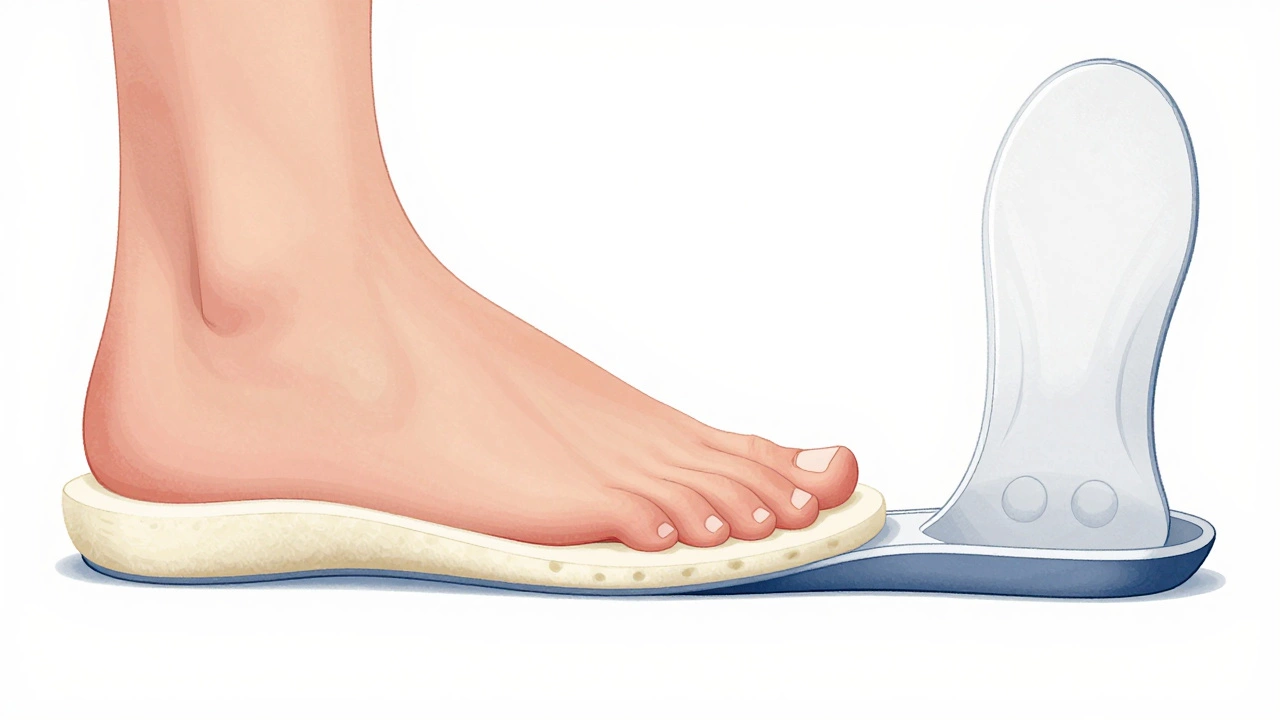
Most podiatrists prefer shoes with a firmer heel counter (the back part of the shoe) and a rigid midfoot. Orthotics are specialized shoe inserts or built-in supports designed to correct foot alignment. The problem with many ultra-soft shoes is that there is no room to put a medical-grade orthotic inside without making the shoe feel too tight or unstable. If you've paid for custom inserts from a specialist in Ireland, putting them into a flimsy shoe is like putting a high-performance engine in a cardboard car; the frame just can't handle the support.
| Feature | Ultra-Soft Foam (Common in Skechers) | Podiatrist-Approved Support |
|---|---|---|
| Initial Feel | Immediate "cloud-like" comfort | Firm, may require a break-in period |
| Arch Stability | Low (collapses under weight) | High (maintains natural arch) |
| Durability | Foam compresses over time | Maintains shape for longer |
| Best For | Short walks, light errands | Full work shifts, medical conditions |
The Impact on Long-Term Foot Health
When your foot doesn't have a stable base, the misalignment doesn't just stop at your toes. It travels up. If you're walking on uneven Irish pavements or spending all day on hard hospital floors, a lack of support can lead to knee pain, hip misalignment, and even lower back issues. This is why you'll often see healthcare professionals opting for brands like Hoka or Brooks, which offer a more structured "rocker" sole that moves the foot forward without sacrificing stability.
Another issue is the "toe box." Some budget-friendly comfort shoes are too narrow or too wide in the wrong places, leading to bunions or neuromas (thickened tissue around nerves). If the shoe is too soft, your toes may splay out and rub against the fabric, causing blisters during a busy shift at a warehouse or a retail shop in Liffey Valley.
When Are Skechers Actually Okay?
To be fair, not every single pair of Skechers is hated by foot doctors. The brand has introduced lines like "Arch Fit," which are designed to be more supportive. These use a podiatrist-certified foot shape and a firmer foam that doesn't collapse as easily. If you are choosing between a standard memory foam version and an Arch Fit version, the latter is almost always the better choice for your health.
If you don't have any existing foot conditions-no flat feet, no high arches, and no chronic pain-you might get away with wearing soft foam shoes for a while. But for those of us who spend our lives on the move, relying on "squish" instead of "support" is a gamble. It's a bit like using a soft sofa as a desk; it's comfortable for ten minutes, but your back will hate you by the end of the day.
How to Choose Your Next Pair of Work Shoes
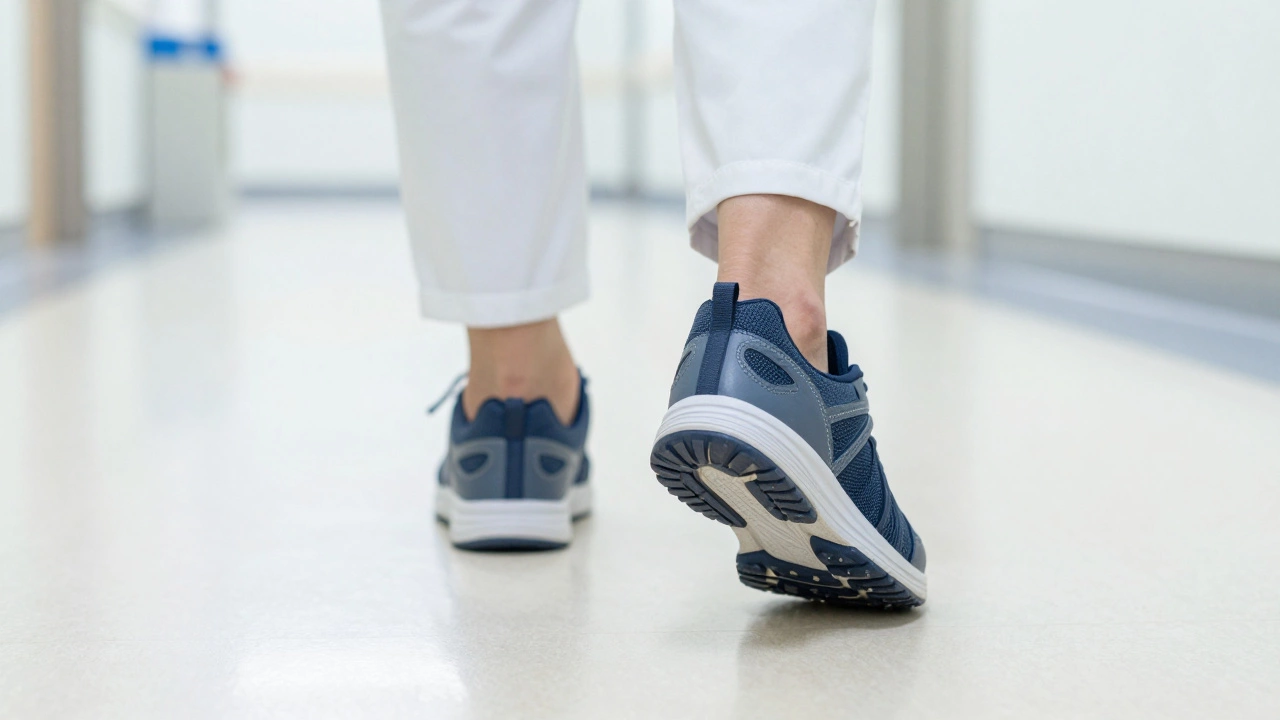
If you're tired of your feet aching by 5 PM, stop looking for the softest shoe and start looking for the right one. Here is a simple checklist to use the next time you're shopping for footwear in Ireland:
- The Twist Test: Grab the shoe by the heel and the toe. If it twists easily in the middle, it's not supportive enough for long work hours.
- The Heel Counter: Press the back of the shoe. It should be firm and hold your heel in place, not collapse under your thumb.
- The Removable Insole: Check if the inner sole comes out. This is vital if you ever need to add a prescription orthotic.
- The Toe Room: Ensure you can wiggle your toes. Your feet swell throughout the day, especially in the humid Irish summer, and you need that extra space.
- The Sole Material: Look for high-density EVA or rubber rather than just a thick layer of sponge.
Practical Advice for the Irish Worker
For those working in the HSE or in bustling city centers, the environment plays a huge role. Our floors are often concrete or hard tile, which offer zero shock absorption. If your shoes are too soft, you'll feel the impact in your joints. If they're too hard, you'll get blisters. The goal is a "balanced" shoe-something with a firm core but a dampened exterior.
If you've already invested in Skechers and love them, you don't necessarily have to throw them away. You can try replacing the factory memory foam liner with a supportive Orthotic Insole. This gives you the best of both worlds: the stylish look of the shoe and the structural support your podiatrist is looking for. Just be mindful that if the shoe's upper is too flimsy, an insole can only do so much to stop your foot from rolling.
Are all Skechers shoes bad for your feet?
No, not all of them. The "Arch Fit" line is generally much better received by foot specialists because it provides actual structural support rather than just soft cushioning. However, the standard memory foam models are often criticized for lacking stability.
Why does memory foam feel good but cause pain later?
Memory foam provides immediate pressure relief, which feels great at first. But because it's so soft, it doesn't stop your foot from over-pronating or collapsing. Over several hours, this puts a strain on your tendons and ligaments, leading to fatigue and ache.
What is the best alternative for nurses or retail workers in Ireland?
Look for brands that focus on stability and anatomical support. Hoka, Brooks, New Balance, and Mephisto are often recommended. The key is to find a shoe with a firm midfoot and a supportive heel counter that can accommodate a medical insole if needed.
Can I fix my Skechers with a better insole?
Yes, if the shoe has a removable liner, you can replace it with a firmer, contoured orthotic. This can significantly improve the arch support, though it won't fix a shoe that has a completely flimsy outer sole.
How often should I replace my work shoes?
For someone working 40 hours a week on their feet, the cushioning in most shoes breaks down after 6 to 9 months. If you notice the foam has flattened or you're feeling more pain in your heels, it's time for a new pair, regardless of how the outside looks.