Irish Leather Break-In Estimator
Wondering when those new kicks will stop hurting? This tool estimates your break-in timeline considering the specific challenges of the Irish climate (dampness, uneven pavement).
Select options and click Calculate.
Recommended Care Strategy
You just bought a gorgeous pair of leather shoes from that boutique on Grafton Street or maybe you picked up a solid pair of work boots in Dundrum. They look sharp, the leather smells rich, and you can already picture yourself wearing them to a wedding in Kildare or a night out in Temple Bar. But then reality hits: your feet are screaming after ten minutes. You’re standing on the tram, wincing, wondering if these expensive kicks were a mistake. The truth is, breaking in leather shoes isn’t about suffering through blisters for weeks; it’s a process that changes depending on where you live. In Ireland, our damp climate and uneven pavement add a whole new layer of complexity to this simple task.
The Reality of Breaking In Leather in Ireland
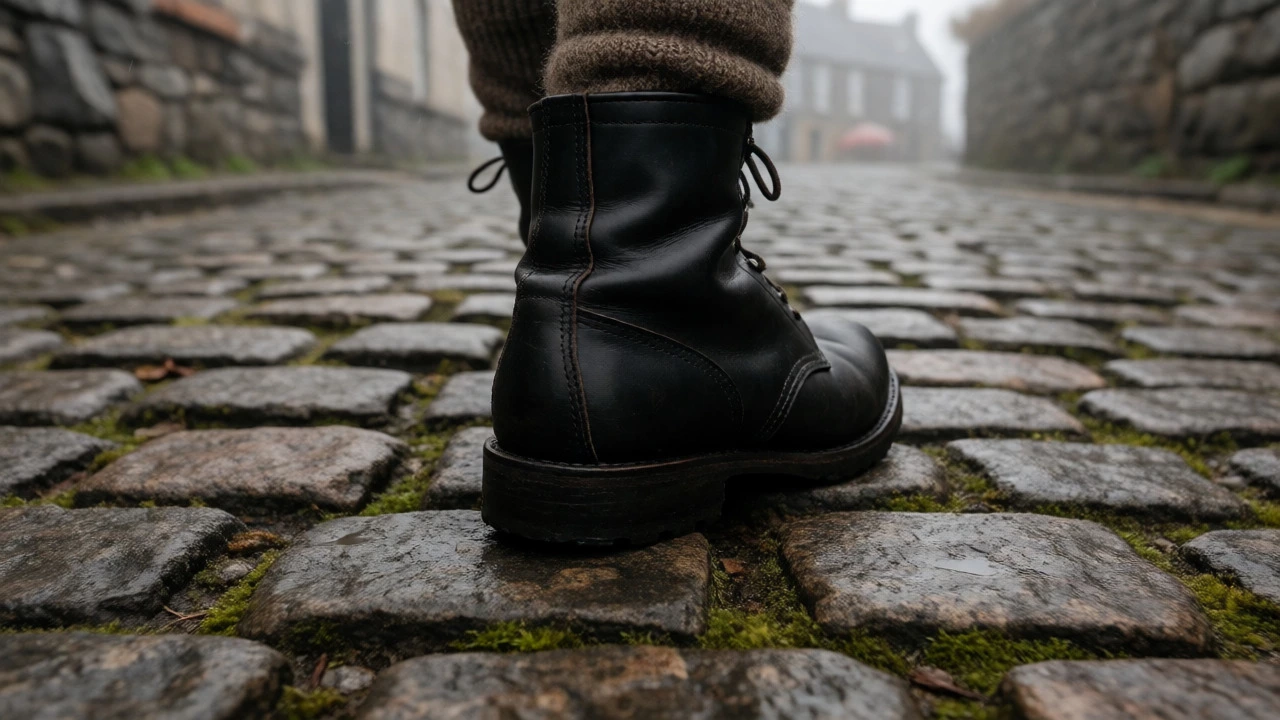
Here is the short answer: most high-quality leather shoes take between two and four weeks of regular wear to feel truly comfortable. But "regular wear" is tricky when you live in a country where it rains more than it shines. If you are based in Dublin, Cork, or Galway, you aren't just dealing with stiff leather; you're dealing with moisture. Wet leather stretches differently than dry leather. When you walk through a drizzle on O'Connell Street, your shoes absorb water, which actually helps soften the fibers faster, but it also risks warping the shape if you don't let them dry properly. This is why the timeline isn't fixed. It depends on how often you wear them, the type of leather, and whether you are walking on smooth office floors or the historic cobblestones found in places like Dingle or Kinsale.
| Shoe Type | Average Break-in Time | Key Challenge in Ireland |
|---|---|---|
| Soft Nappa Leather Loafers | 3-5 days | Soggy soles in rain |
| Rigid Oxford/Derby Shoes | 2-3 weeks | Stiff heel counters rubbing |
| Thick Work Boots | 4-6 weeks | Ankle stiffness on uneven paths |
| Brogues (Full Grain) | 1-2 weeks | Drying out too fast near heaters |
Why Irish Weather Changes the Game
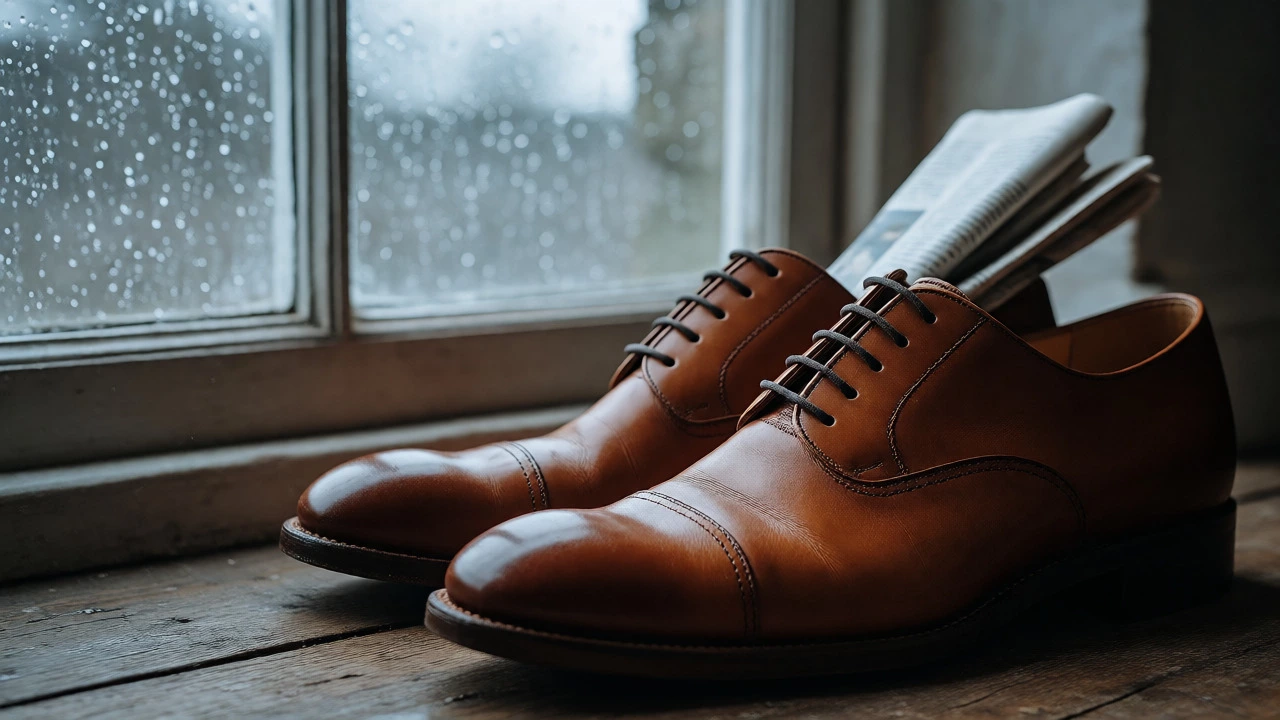
If you ask someone in Arizona how long their boots took to break in, they might say a week. Ask someone in Westport, County Mayo, and they will laugh at you. Our humidity levels hover around 80% for much of the year. This constant moisture means your leather never fully dries out during a typical day. While this sounds bad, it is actually a secret weapon. Moisture relaxes the collagen fibers in the hide. So, if you wear your new brogues while running errands in a light shower, they will mold to your foot shape faster than if you wore them in a dry, heated car all day. However, there is a catch. If you leave wet shoes next to a radiator-which many of us do because our central heating is always on-you risk cracking the leather. The heat evaporates the moisture too quickly, pulling natural oils out of the material. Instead of placing them by the boiler, stuff them with newspaper. The paper absorbs the water from the inside out without applying harsh heat. This trick works wonders for anyone commuting via the Luas or Dart, where your feet get soaked before you even reach the office.
The "Wear Around the House" Strategy
Don't make the rookie mistake of wearing brand-new dress shoes to a full eight-hour shift at your job in the IFSC or a site visit in Limerick. Your feet need time to adapt. Start by wearing them indoors for an hour or two each evening. This allows the leather to warm up and stretch slightly against your skin without the added pressure of walking miles on hard surfaces. Try this schedule:
- Days 1-3: Wear them only inside your house for 1-2 hours. Walk around your kitchen or living room. Focus on bending your toes and flexing your ankles.
- Days 4-7: Take them outside for short trips. Pop into the local Spar or Tesco Express. Keep it under 30 minutes of walking.
- Week 2: Increase to half-days. If you work from home, wear them for your morning calls. If you commute, try taking the bus instead of driving to test the flexibility on public transport stairs.
- Week 3+: Full-day wear, provided you have no pain points.
Accelerating the Process Safely
Can you speed things up? Yes, but be careful with internet hacks. Some people suggest stuffing shoes with frozen water bags. As the ice expands, it stretches the toe box. This works well for canvas sneakers, but for premium leather, it is risky. Water saturation combined with freezing temperatures can damage the finish. A safer bet is using a quality leather conditioner. Brands like Meltonian or Saphir are available in most Irish shoe repair shops, from Dublin to Belfast. Applying a thin layer of cream softens the upper significantly. Another effective method is the thick sock technique. Put on your thickest wool socks-perfect for our winter-and wear the shoes around the house for a few hours. The extra volume forces the leather to expand gently. Just make sure you don't cut off circulation. If your toes go numb, take them off immediately. We want stretching, not trauma.
Dealing with Specific Pain Points
Not all discomfort is normal. There is a difference between "tightness" and "pain." Tightness across the top of the foot usually resolves as the leather gives way. However, pain at the back of the heel or on the little toe joint often indicates a structural mismatch. If your heel slips excessively, it is likely too big, not just stiff. Conversely, if the pinky toe feels crushed, the shoe might be too narrow. In Ireland, we have access to skilled cobblers who can help. Places like Redmond's in Dublin or local repair shops in Cork city center can stretch specific areas of the shoe professionally. For a fee of €15-€25, they can use a mechanical stretcher to widen a tight spot without ruining the shoe. This is far better than destroying your feet over six weeks. If you are buying from a chain like Clarks or Ecco, check their return policy first. Many offer a comfort guarantee within the first month, allowing you to swap sizes if the break-in period proves too painful.
Caring for Your Shoes During the Break-In
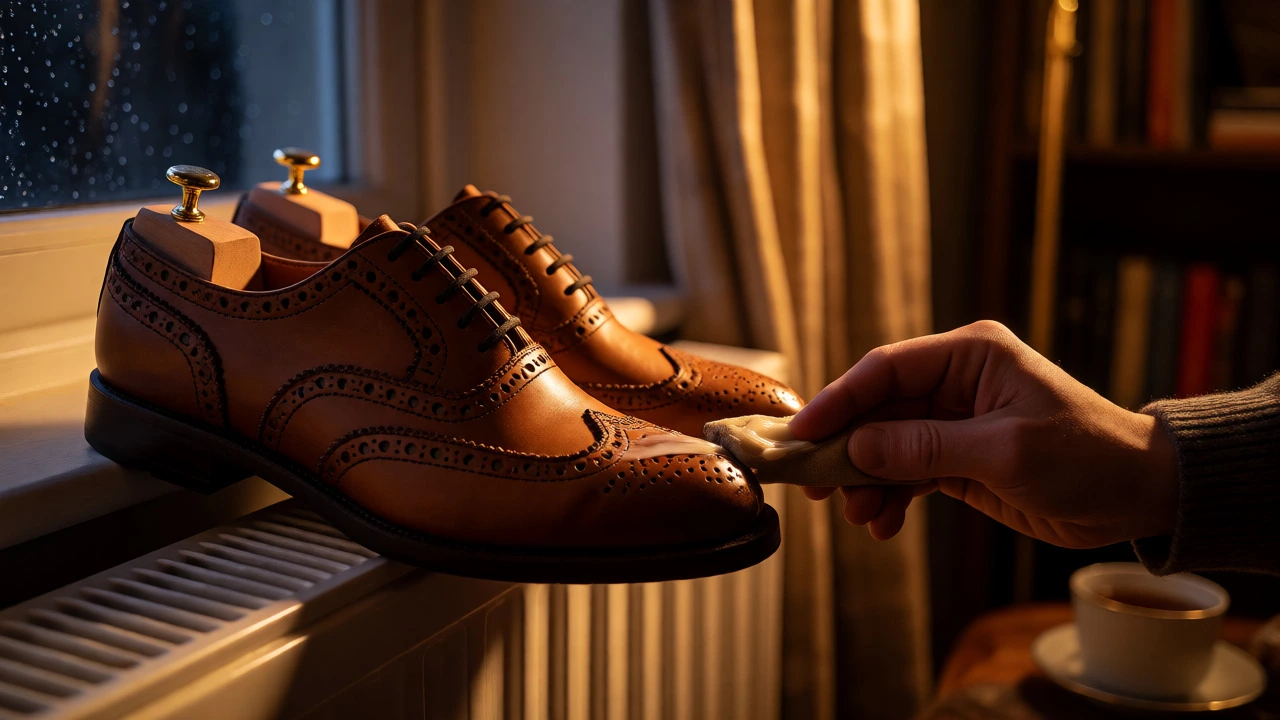
Your break-in period is also a critical time for maintenance. New leather is porous and vulnerable. Since you are wearing them more frequently now, clean them weekly. Use a horsehair brush to remove dirt and salt residue-yes, road salt from winter gritting bins can eat away at leather edges if left untreated. After brushing, apply a neutral polish to protect the surface. If you live in a coastal town like Howth or Cobh, the salty air adds another element. Salt crystals can form on wet shoes, creating abrasive particles that scratch the interior lining. Wipe down the inside of the shoe with a damp cloth occasionally to keep it fresh. Using cedar shoe trees when you aren't wearing them is non-negotiable. They maintain the shape, absorb residual moisture, and prevent the sole from curling upward-a common issue with cheap glue used in mass-market footwear exposed to Irish dampness.
When to Give Up
After four weeks of proper care and gradual wear, your shoes should feel like an extension of your foot. If they still hurt, consider the source. Was the fit wrong from the start? Did you buy them online without trying them on? No amount of conditioning will fix a shoe that is fundamentally the wrong size. Sometimes, the issue is the insole. Removing the factory insole and replacing it with a custom orthotic or a softer gel insert can solve lingering discomfort instantly. This is particularly relevant if you have flat feet or plantar fasciitis, conditions that affect a significant portion of the population here. Don't let pride keep you in painful shoes. Your feet carry you through the hills of Wicklow and the streets of Belfast; treat them with respect.
Does rain help break in leather shoes?
Yes, moderate exposure to moisture helps soften leather fibers, making them more pliable. However, you must let them air dry naturally away from direct heat sources like radiators to prevent cracking or warping.
How long does it take to break in work boots specifically?
Heavy-duty work boots typically require 4 to 6 weeks of daily wear to fully conform to your foot shape, especially if they feature steel toe caps and thick ankle collars common in construction sites across Ireland.
Should I wear thick socks to break in shoes?
Yes, wearing thick wool socks for short periods indoors can help stretch the toe box and instep. Just ensure you do not restrict blood flow, and switch to thinner socks once the initial tightness subsides.
What if my heels slip during the break-in?
Some slippage is normal initially, but excessive slipping suggests the shoe is too large. Try adding a heel grip pad or consulting a cobbler for professional adjustment before committing to the shoe.
Can I use hairdryers to speed up the process?
It is generally not recommended. High heat can dry out the natural oils in the leather, leading to brittleness and cracks. Gentle body heat from wearing them is a safer and more effective method.