Find Your Perfect Work Shoe for Ireland
Configure Your Needs
Shoe Name
PriceBest For:
Why this fits you:
Ready to Find Comfort?
Select your options on the left to get a personalized shoe recommendation tailored for Irish workplaces.
If you spend your shifts standing on the hard tiled floors of a Dublin pharmacy or navigating the uneven cobblestones of Galway’s Latin Quarter, you know that foot pain is not just an annoyance; it is a career hazard. In Ireland, where the weather can shift from bright sunshine to soaking rain within minutes, finding footwear that offers support without sacrificing style or dryness is a daily challenge. Whether you are a nurse in St. James’s Hospital, a server in Cork city centre, or a warehouse worker in Shannon, the wrong pair of shoes can lead to chronic back pain, plantar fasciitis, and general exhaustion by the time you clock off.
The good news is that you do not need to sacrifice comfort for professionalism. The market for work shoes has evolved significantly, with brands focusing specifically on ergonomic design, moisture management, and long-term durability. This guide breaks down exactly what features matter most, which styles work best for different Irish workplaces, and how to choose a pair that will keep your feet happy through a twelve-hour shift.
Understanding the Root Cause of Standing Fatigue
Before looking at specific models, it helps to understand why standing hurts so much. When you stand still for extended periods, your calf muscles tighten, reducing blood flow back to your heart. This pooling of blood causes swelling and heaviness in the legs. Additionally, the impact of every step travels up your skeletal chain. If your shoe lacks proper shock absorption, that force hits your knees, hips, and lower spine.
In an Irish context, we must also consider the environment. Many older buildings in cities like Limerick and Kilkenny have stone or concrete floors that offer zero give. Unlike carpeted offices, these surfaces reflect impact directly back into your joints. Therefore, the primary job of your footwear is to act as a buffer between your body and the unforgiving ground. You need shoes that promote micro-movements-small shifts in weight that keep your circulation active-rather than locking your feet into a rigid, static position.
Key Features to Look For in Anti-Fatigue Footwear
Not all comfortable-looking shoes are created equal. When shopping at retailers like Brown Thomas, Penneys, or specialized stores like Shoefy, look for these specific technical attributes:
- Cushioned Midsoles Materials like EVA foam, polyurethane, or proprietary foams (such as Brooks' DNA LOFT or Hoka's CMEVA) provide essential shock absorption. They compress under weight and rebound, reducing the load on your joints.
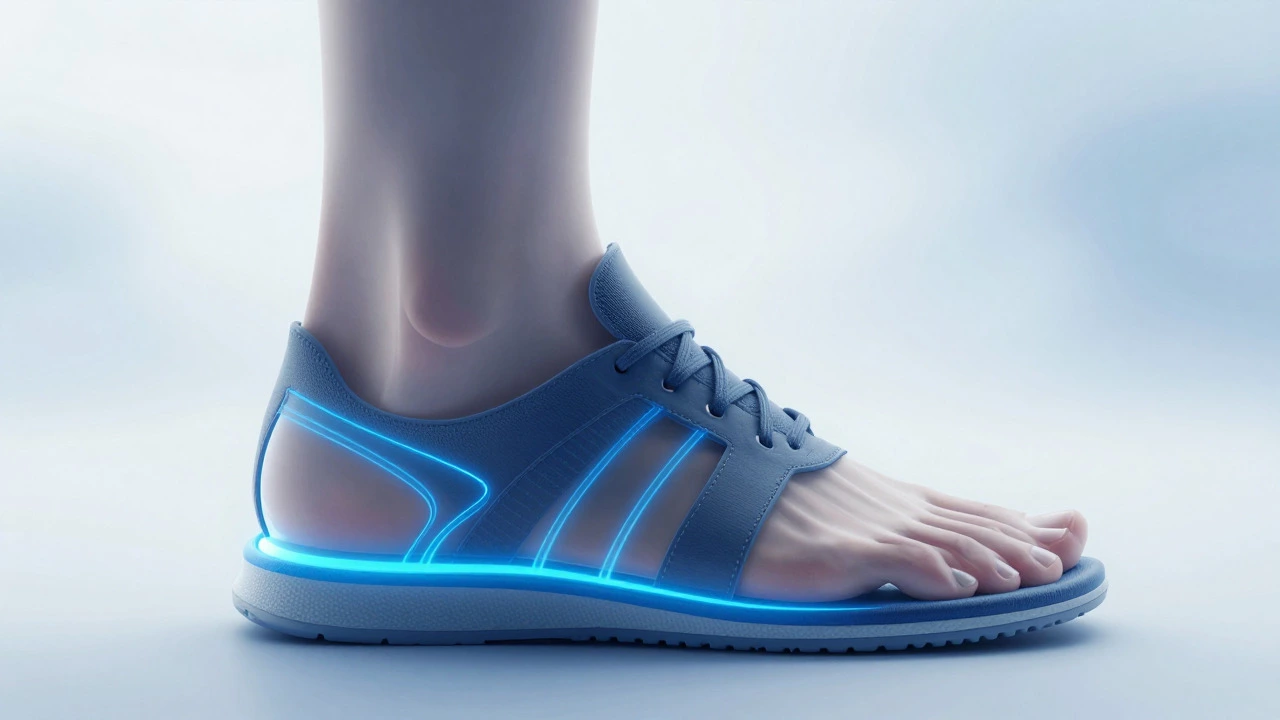
- Arch Support A well-defined arch prevents overpronation (rolling inward), which strains the plantar fascia. Look for shoes with a contoured footbed that matches the natural curve of your foot.
- Wide Toe Box Your toes should be able to splay naturally. Narrow, pointed toes compress the forefoot, leading to bunions and neuromas. A roomy toe box allows for better balance and reduces pressure points.
- Rocker Sole Design A curved sole encourages a smooth roll from heel to toe. This reduces the effort required to push off with your toes, saving energy in the calf and Achilles tendon during long walks.
- Breathable Materials Ireland’s damp climate means feet sweat easily. Mesh uppers or leather with perforations allow air circulation, keeping feet cool and dry, which prevents blisters and fungal infections.
Top Shoe Recommendations for Different Professions
The "best" shoe depends heavily on your specific role. A chef needs slip resistance; a nurse needs easy cleaning; a retail worker needs a polished look. Here is how to match the shoe to the job.
| Shoe Model | Best For | Key Feature | Price Range (EUR) |
|---|---|---|---|
| Hoka Bondi 8 | Nurses, Teachers, Retail | Maximum cushioning, rocker sole | €160 - €180 |
| Brooks Ghost 15 | General Office, Light Duty | Balanced support, durable outsole | €130 - €150 |
| Skechers Arch Fit | Budget-conscious, Hospitality | Podiatrist-certified arch support | €70 - €90 |
| Dansko Professional Clog | Chefs, Healthcare Workers | Rigid platform, promotes movement | €140 - €160 |
| New Balance Fresh Foam X 1080v13 | Wide feet, High Mileage | Plush upper, wide width options | €160 - €180 |
For Healthcare and Hospitality Staff
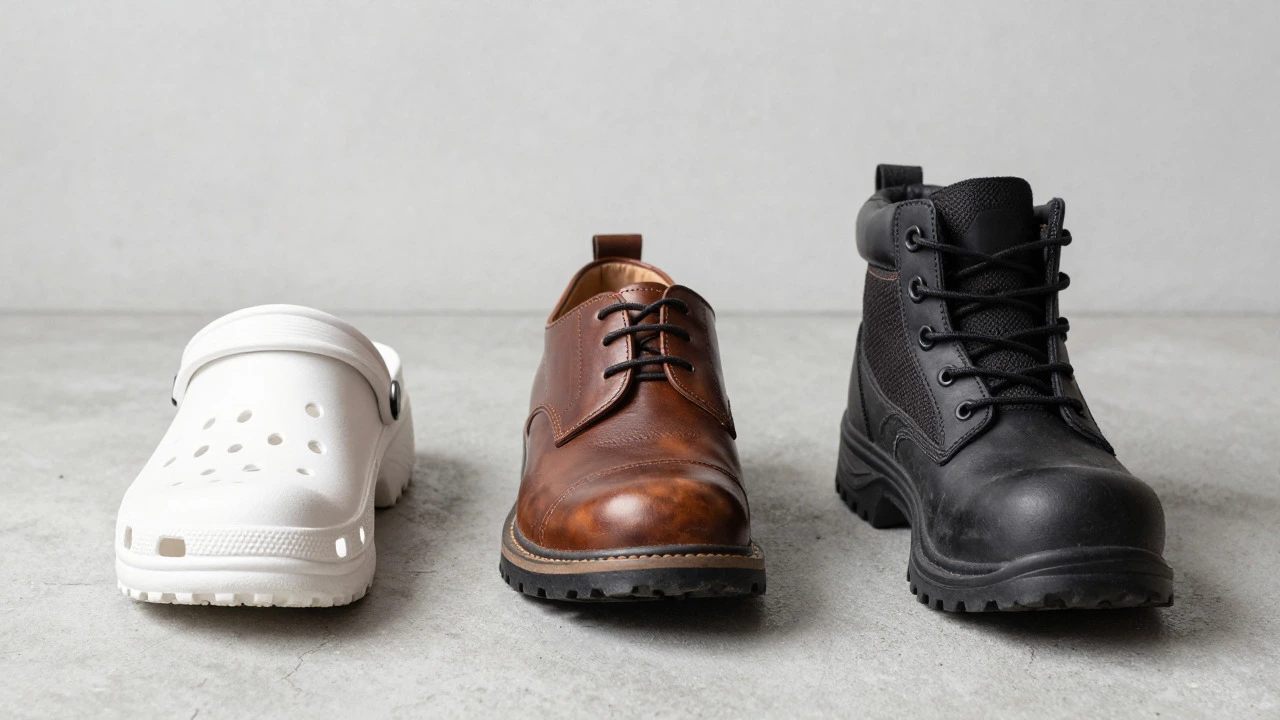
If you are working in a hospital in Belfast or a hotel in Killarney, you likely face wet floors and strict hygiene protocols. Clogs like the Dansko Professional are iconic in this sector. Their rigid midsole forces a rolling motion that keeps you moving, preventing the stiffness that comes from standing still. However, they require a break-in period. Alternatively, closed-toe sneakers with waterproof uppers are gaining popularity because they offer more cushioning and easier maintenance.
For Retail and Customer Service
Working in a store on Grafton Street requires a balance of comfort and aesthetics. You cannot wear bright neon running shoes. Brands like Clarks Unstructured or Ecco Soft 7 offer leather designs that look professional but contain hidden memory foam insoles. These shoes provide the necessary support without drawing attention away from your uniform.
For Warehouse and Logistics
In distribution centres around Dublin Airport or Cork, safety is paramount. Steel-toe caps are often mandatory. Look for composite toe shoes, which are lighter than steel and do not conduct cold-a significant advantage during Ireland’s winter months. Brands like Keen Utility offer safety shoes with athletic-style cushioning, making them far more comfortable than traditional heavy-duty boots.
Navigating the Irish Climate: Weather-Proofing Your Gear
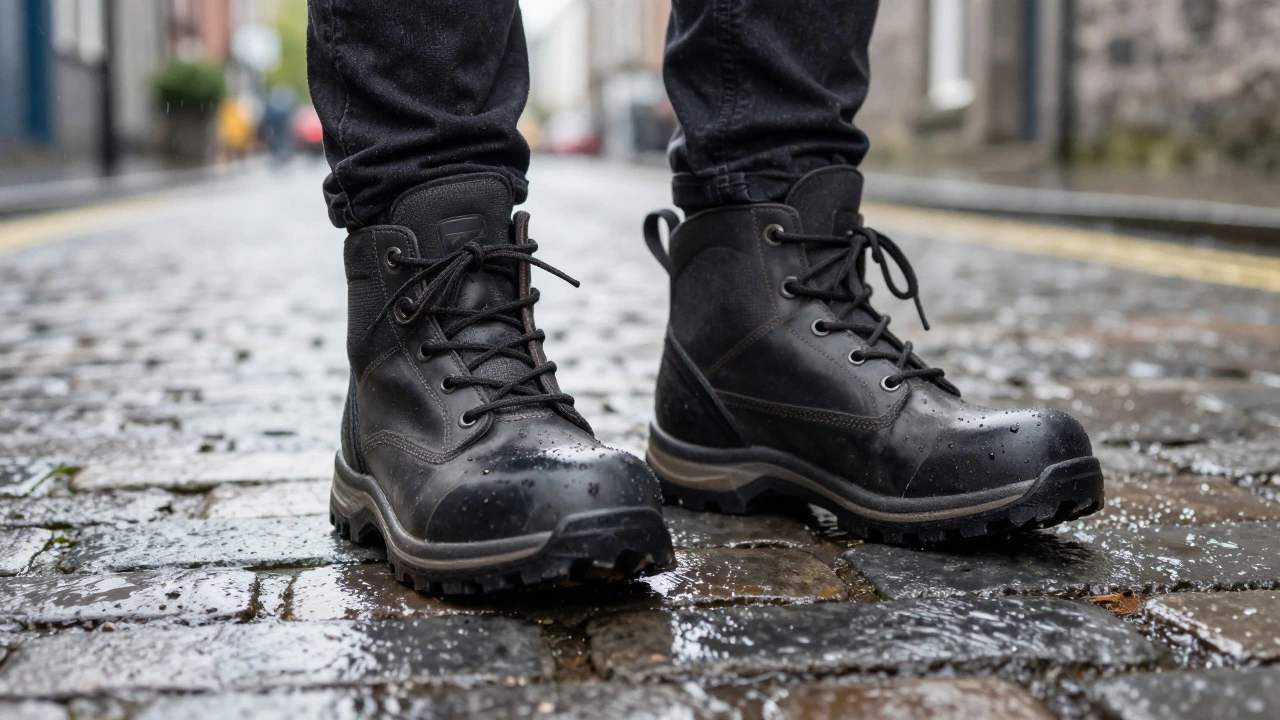
Ireland’s weather is unpredictable. A sunny morning in Derry can turn into a torrential downpour by noon. Wet feet are miserable and prone to blisters. Here is how to adapt your footwear strategy:
- Waterproof Membranes: Look for shoes with Gore-Tex or similar breathable waterproof linings. This keeps rain out while allowing sweat vapor to escape.
- Quick-Dry Materials: If you work outdoors or in areas where spills are common, synthetic meshes dry faster than leather.
- Sock Strategy: Invest in merino wool socks. Brands like Icebreaker or Smartwool are widely available in Ireland. Merino wool regulates temperature, wicks moisture, and resists odors even after multiple wears. Avoid cotton socks, which hold moisture against the skin.
Pro Tips for Extending Shoe Life and Comfort
Even the best shoes will fail if not cared for properly. Follow these tips to maximize their lifespan and comfort:
- Rotate Your Pairs: Never wear the same shoes two days in a row. Give them 24 hours to air out and for the foam to regain its shape. Having two pairs doubles the life of each.
- Replace Insoles Regularly: Factory insoles flatten out over time. Consider replacing them with custom orthotics or high-quality aftermarket insoles like Superfeet or Sof Sole every six months.
- Break Them In Gradually: Do not wear brand-new shoes for a full 12-hour shift on day one. Wear them for short periods at home first to mold the materials to your feet.
- Check for Wear Patterns: Look at the soles of your shoes. If the tread is worn unevenly, it may indicate gait issues that need addressing with a podiatrist.
Where to Buy Quality Work Shoes in Ireland
Finding the right fit often requires trying on several pairs. Here are some reliable places to shop:
- Local Podiatry Clinics: Many clinics in major cities like Dublin, Cork, and Galway sell prescription-grade orthotics and recommend specific shoe models based on your foot structure.
- Specialty Running Stores: Shops like Runners Need or local independent runners’ shops offer gait analysis services. Even if you are not a runner, their expertise in biomechanics is invaluable for choosing supportive walking shoes.
- Online Retailers: Websites like Amazon.ie, ASOS, and dedicated brand sites often have wider selections. Check return policies carefully, as breaking in shoes online carries risk.
Conclusion: Investing in Your Health
Choosing the right shoes for standing all day is not a luxury; it is a necessity for anyone working on their feet in Ireland. By prioritizing cushioning, support, and weather-appropriate materials, you can significantly reduce fatigue and prevent long-term injuries. Remember, your feet carry you through life-treat them with the respect they deserve. Start by assessing your current footwear, identify gaps in support, and invest in a pair that meets the specific demands of your job and the Irish climate.
Are clogs better than sneakers for standing all day?
It depends on your preference and job requirements. Clogs like Dansko provide a rigid platform that promotes movement and is easy to clean, making them ideal for healthcare and kitchens. Sneakers offer more cushioning and flexibility, which many people find more comfortable for general standing and walking. Try both types to see which feels better for your feet.
How often should I replace my work shoes?
Generally, every 6 to 12 months, depending on usage. If you work 8-12 hour shifts daily, the cushioning breaks down faster. Look for signs like compressed midsoles, worn-out treads, or increased foot pain after wearing them.
Can I use orthotic inserts in any work shoe?
Most work shoes with removable insoles can accommodate orthotics. However, adding thick inserts may make the shoe tighter. It is advisable to buy shoes half a size larger if you plan to use custom orthotics regularly.
What are the best socks for standing all day in Ireland?
Merino wool socks are highly recommended due to their moisture-wicking and temperature-regulating properties. They keep feet dry and warm in Ireland's damp climate. Avoid cotton socks as they retain moisture and can lead to blisters.
Do expensive shoes always mean better comfort?
Not necessarily. While higher-priced shoes often use advanced materials and technology, comfort is subjective. A moderately priced shoe with the right fit and support for your foot type can be more comfortable than an expensive one that does not suit your anatomy. Always try before you buy.