Ireland All-Day Standing Shoe Finder
Your Requirements
Step 1Top Recommendations
ResultsSelect your preferences above and click "Find My Best Shoes" to see personalized recommendations.
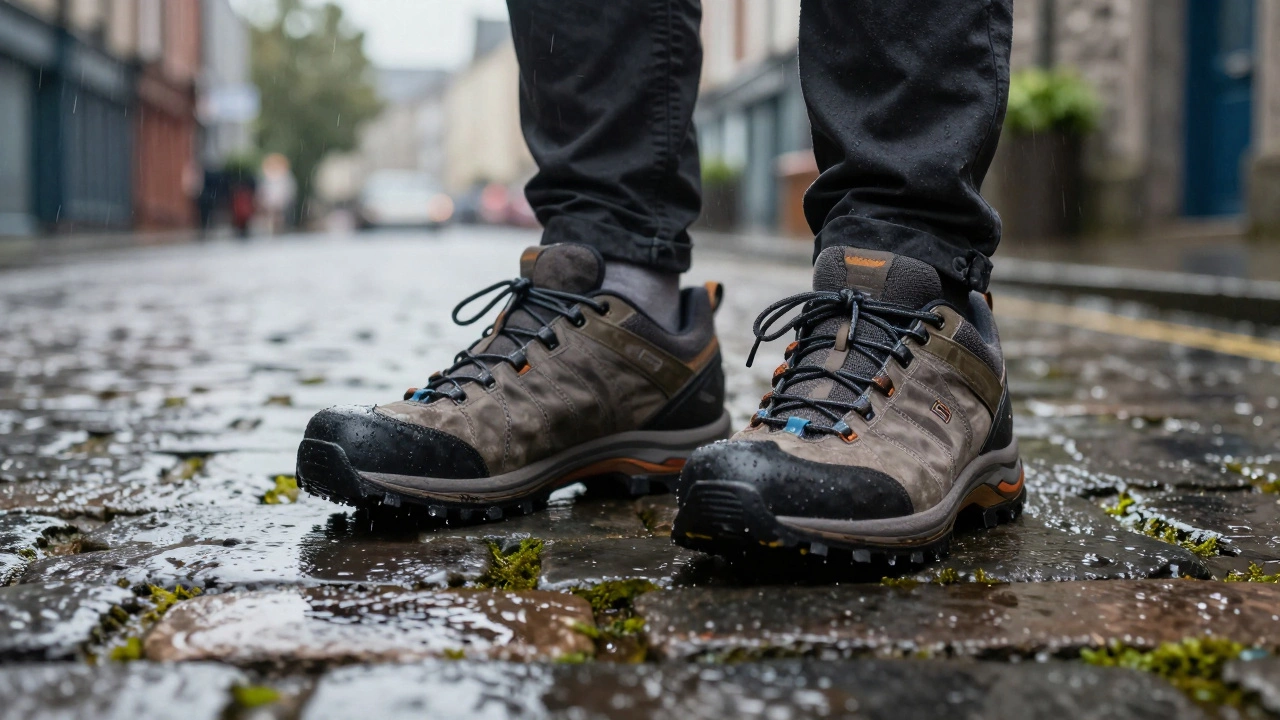
Let’s be honest: the Irish climate is not exactly gentle on your feet. Between the relentless drizzle that seems to follow you from Galway to Cork, the cobblestones of Temple Bar that feel like they’re designed to test your balance, and the long shifts common in our hospitality and retail sectors, finding footwear that doesn’t leave you limping by 5 PM is a genuine challenge. If you are on your feet all day-whether you are serving pints in a busy pub in Kilkenny, managing stock in a supermarket in Limerick, or just navigating the uneven pavements of Dublin-you need more than just stylish sneakers. You need serious support.
This isn't just about comfort; it's about longevity. Poor footwear choices can lead to chronic back pain, knee issues, and foot problems that linger long after your shift ends. In this guide, we break down exactly what makes a shoe suitable for all-day standing in Ireland, reviewing the best options available locally and offering practical tips to keep your feet happy through the wettest winters and busiest summers.
Why Irish Conditions Demand Specific Footwear
The average Irish worker spends between eight to ten hours on their feet daily. When you combine this with local environmental factors, the stakes get higher. First, there is the rain. It’s not just occasional showers; it’s persistent dampness that seeps into porous materials. Shoes that aren’t water-resistant will quickly become heavy, cold, and prone to blisters.
Second, consider the terrain. Many of our historic cities feature stone paving rather than smooth asphalt. Walking on these surfaces requires shoes with superior shock absorption. Hard-soled leather brogues might look classic, but they transmit every impact straight up your leg chain. Similarly, indoor environments in Ireland often have polished concrete or tile floors in kitchens and shops, which demand slip resistance to prevent accidents during those rushed lunch services.
Finally, temperature regulation matters. Irish winters are chilly, meaning your feet need insulation without sacrificing breathability. Summer, while milder, can still see spikes in heat, especially in urban areas like Dublin where concrete retains warmth. Your shoes must manage moisture effectively to prevent fungal infections, a common issue in humid climates.
Key Features to Look For
Before you head to Brown Thomas, Dunnes Stores, or any specialist shop in Grafton Street, know what features actually matter for all-day wear:
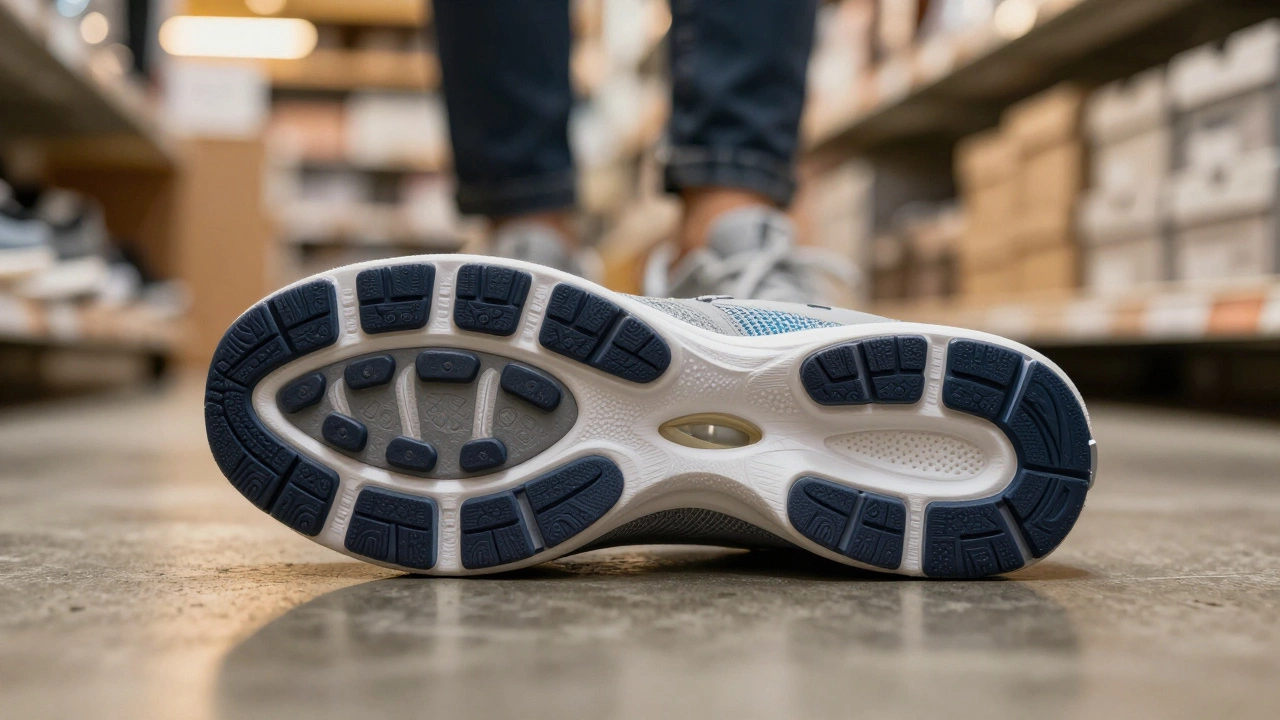
- Cushioned Midsoles: Look for materials like EVA (ethylene-vinyl acetate) or polyurethane. These absorb impact better than standard rubber. Brands often use proprietary foams, such as Brooks’ DNA LOFT or Hoka’s Meta-Rocker, which reduce fatigue significantly.
- Arch Support: Flat feet or high arches both require specific support. Without it, your ankles roll inward or outward, straining muscles. Custom orthotics can help, but built-in support is preferable for everyday shoes.
- Wide Toe Box: Your toes should splay naturally when you walk. Narrow toe boxes compress toes, leading to bunions and nerve damage over time. This is crucial if you stand for long periods.
- Slip-Resistant Outsoles: Essential for food service workers. Look for pods or patterns designed to channel water away, providing grip on wet tiles.
- Breathable Materials: Mesh panels or natural leathers allow air circulation. Synthetic materials trap sweat, creating a breeding ground for bacteria.
Top Shoe Recommendations for Ireland
Based on durability, comfort, and availability in the Irish market, here are the top contenders for all-day wear:
| Brand/Model | Best For | Key Feature | Approx. Price (EUR) |
|---|---|---|---|
| Hoka Bondi 8 | Maximum Cushioning | Meta-Rocker Geometry | €160 |
| New Balance Fresh Foam X 1080v13 | Wide Feet & Versatility | Fresh Foam Midsole | €170 |
| Skechers Arch Fit | Budget-Friendly Comfort | Podiatrist-Certified Arch Support | €90 |
| Allbirds Tree Runners | Eco-Conscious & Breathable | Eucalyptus Tree Fiber Upper | €110 |
| Kitchen/Food Service | Slip-Resistant & Easy Clean | €70 |
Hoka Bondi 8: These are the gold standard for cushioning. The thick sole acts like a pillow under your foot, ideal for hard floors. They are widely available in major Irish sporting goods stores and online retailers like Sportswear.ie.
New Balance 1080v13: New Balance offers multiple width sizes, which is a game-changer for those with wider feet. The Fresh Foam provides excellent energy return, making them great for walking commutes across Dublin’s hilly terrain.
Skechers Arch Fit: Skechers has gained popularity in Ireland for its affordable price point combined with genuine comfort technology. The Arch Fit line is specifically designed to mimic the shape of a podiatrist-molded foot, offering significant relief for plantar fasciitis sufferers.
Allbirds Tree Runners: For those who care about sustainability, Allbirds offer a lightweight, breathable option. While not as heavily cushioned as Hokas, they excel in warmer months and are easy to clean if caught in an unexpected Irish downpour.
Crocs Specialist Clogs: Don’t dismiss Crocs. For kitchen staff or healthcare workers, the Specialist Clog offers unmatched slip resistance and ease of cleaning. They may not be fashionable, but they save jobs and feet.
Breaking Them In: Practical Tips
Even the best shoes need breaking in. Never wear brand-new shoes for a full 10-hour shift on day one. Start with shorter durations-perhaps a few hours at home or during a short walk around Phoenix Park-to allow the materials to mold to your feet.
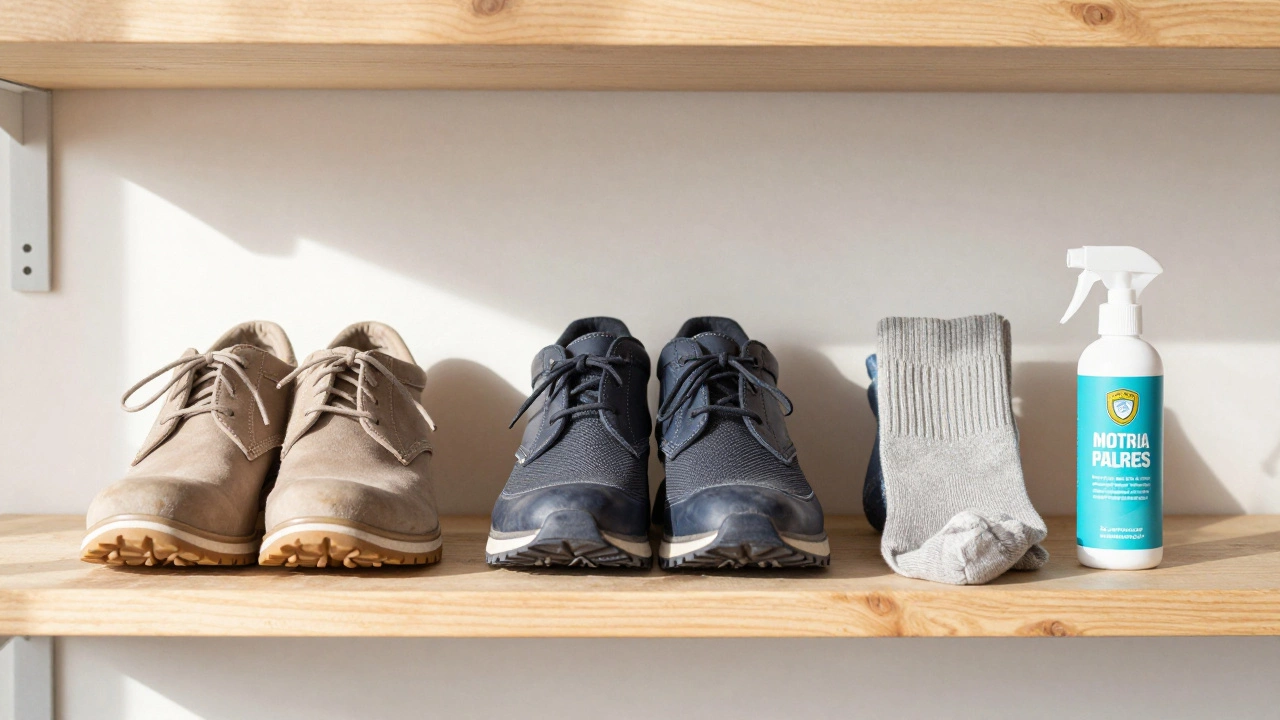
Rotate your shoes if possible. Having two pairs allows each to dry out completely between uses, extending their lifespan and maintaining hygiene. This is particularly important in Ireland’s damp climate.
Invest in quality socks. Merino wool socks are excellent for temperature regulation and moisture-wicking. Brands like Icebreaker or Smartwool are available in Ireland and provide superior comfort compared to cotton, which retains moisture and leads to blisters.
Maintenance for Longevity
To get the most out of your investment, regular maintenance is key. Clean your shoes regularly to remove dirt and debris that can degrade materials. Use waterproofing sprays, especially before the rainy season starts in autumn. Products like Nikwax or Saphir are effective and available in local hardware stores or specialty shoe shops.
Replace your shoes every 600-800 miles or every six months if you wear them daily. Worn-out midsoles lose their cushioning properties, increasing the risk of injury. Pay attention to signs of wear, such as flattened soles or cracked uppers.
FAQ
Are running shoes good for standing all day?
Yes, many running shoes are excellent for standing due to their cushioning and support. However, ensure they have a stable base and adequate arch support. Avoid highly flexible racing shoes, which lack stability for prolonged standing.
What is the best type of sole for wet Irish conditions?
Look for rubber outsoles with deep treads or slip-resistant technologies. Brands like Vibram offer specialized compounds that maintain grip on wet surfaces. Avoid smooth leather soles, which become dangerously slippery when wet.
Can I wear orthopedic inserts with any shoe?
Most athletic shoes accommodate orthotic inserts, but you may need to remove the existing insole first. Ensure the shoe has enough volume to fit both your foot and the insert comfortably without feeling tight.
How often should I replace work shoes?
Generally, every six months to a year depending on usage. If you notice reduced cushioning, visible wear on the sole, or increased discomfort, it’s time for a replacement. Regular inspection helps prevent injuries.
Where can I buy ergonomic shoes in Dublin?
Dublin has several specialists including Sports Direct, JD Sports, and independent podiatry clinics. Online retailers like Amazon.ie and dedicated sites like Running Warehouse also offer wide selections with delivery across Ireland.