Work Shoe Selector Tool
If you’re working a double shift in a Dublin hospital or managing the checkout queue at a supermarket in Galway during the Christmas rush, your feet are taking a beating. We all know that feeling when your arches scream after eight hours on concrete floors. In Ireland, where wet weather is a constant companion and many jobs require long periods of standing, finding the right footwear isn’t just about comfort-it’s about health.
Whether you’re a nurse in Cork, a teacher in Limerick, or a barista in Belfast, the wrong pair of shoes can lead to chronic pain, varicose veins, and even back issues. But with so many options available in Irish high streets and online stores, how do you pick the ones that will actually last? This guide breaks down exactly what to look for, which brands hold up well against our damp climate, and how to choose the best shoes for standing all day without breaking the bank.
Why Your Feet Hurt After Shift Work
Before we dive into specific models, it helps to understand why standing still is harder on your body than walking. When you stand on hard surfaces like tile or concrete-common in Irish retail spaces and hospitals-your natural shock absorption systems get overloaded. The force of gravity pushes down through your skeleton, compressing the discs in your spine and straining the plantar fascia in your feet.
In Ireland, this problem is compounded by our weather. Many workers commute on foot or rely on public transport, meaning their shoes often get wet. Wet socks increase friction, leading to blisters, while cold feet reduce circulation, making muscles stiffer and more prone to injury. You need footwear that offers support, breathability, and water resistance-all in one package.
What causes foot pain from standing all day?
Standing on hard surfaces compresses spinal discs and strains the plantar fascia. Lack of movement reduces blood flow, causing stiffness and fatigue. Wet conditions exacerbate these issues by increasing friction and reducing circulation.
Key Features to Look For
Not all "comfortable" shoes are created equal. Here’s what you actually need:
- Cushioning: Look for midsoles made from EVA (ethylene-vinyl acetate) or polyurethane. These materials absorb impact better than standard rubber.
- Arch Support: If you have flat feet or high arches, built-in support prevents overpronation-the inward rolling of the ankle that leads to knee and hip pain.
- Sole Grip: Slip-resistant soles are non-negotiable for kitchen staff or healthcare workers. Brands like Skechers offer specialized grips for wet floors.
- Breathability: Mesh uppers allow air circulation, keeping feet dry and preventing fungal infections-a common issue in Ireland’s humid climate.
- Wide Fit Options: Irish feet tend to be wider on average. Avoid narrow toe boxes that squeeze toes together.
Top Picks for Different Professions
Your job dictates your needs. A teacher who walks between classrooms has different requirements than a surgeon who stands still for hours.
| Profession | Recommended Brand | Model Example | Key Feature | Price Range (€) |
|---|---|---|---|---|
| Nurse/Healthcare | Skechers | Go Walk Arch Fit | Memory foam + arch support | 80-120 |
| Teacher/Educator | New Balance | 608v5 | Abzorb technology | 90-130 |
| Retail/Cashier | Hoka One One | Bondi 8 | Maximum cushioning | 140-160 |
| Chef/Kitchen Staff | Crocs | On-The-Clock Clog | Slip-resistant, easy clean | 50-70 |
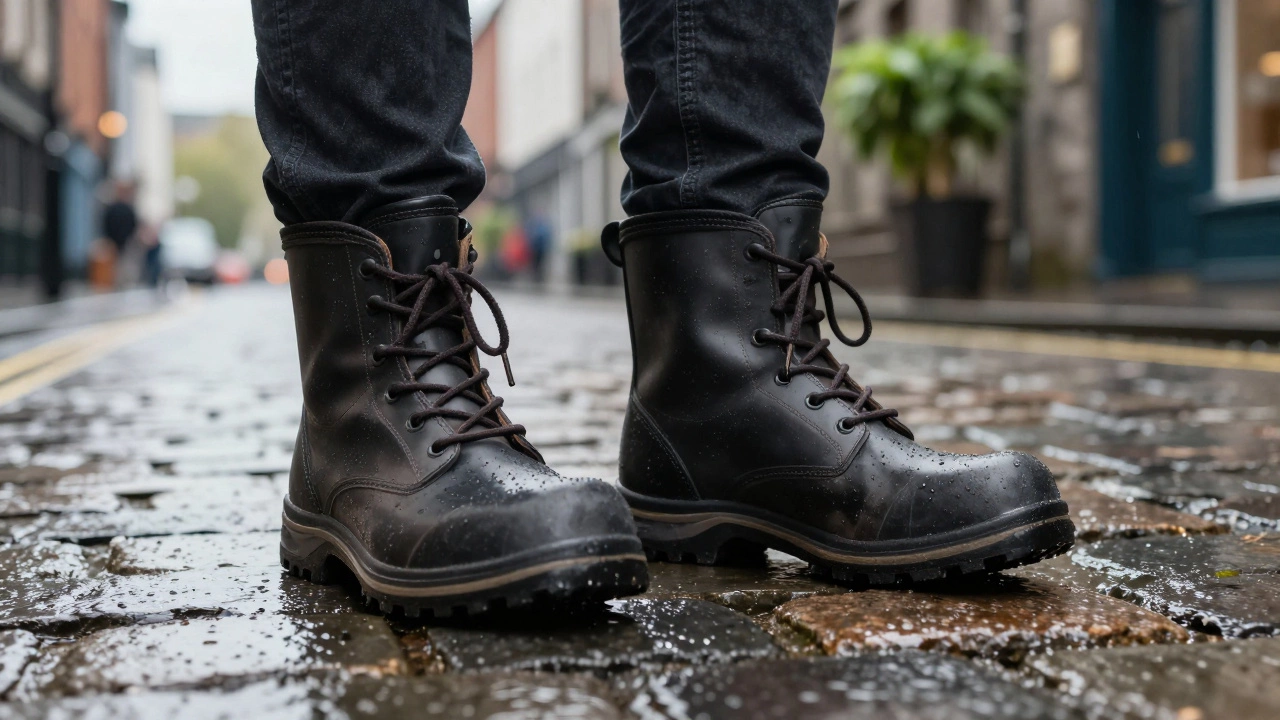
| Construction/Labourer | Timberland | \nWhite Strapped Boot | Steel toe, waterproof | 150-200 |
Where to Buy Comfortable Work Shoes in Ireland
Finding the right store matters as much as picking the right shoe. Here’s where to go:
- Footasylum: Popular among younger workers, they carry Skechers, New Balance, and Hoka. Stores in Dundrum Town Centre and Liffey Valley stock wide sizes.
- Decathlon: Budget-friendly option with their own brand, Kalenji. Great for casual wear or light-duty roles.
- Specialist Podiatry Shops: Chains like Shoe Zone offer custom orthotics and professional fittings. Worth the extra cost if you have existing foot conditions.
- Online Retailers: Sites like Zappos (ships to Ireland) provide free returns, letting you test multiple pairs at home.
Avoid buying cheap generic brands from discount outlets. They may save money upfront but often lack proper support, leading to costly medical bills later.
Pro Tips for Extending Shoe Life
Even the best shoes won’t last forever. Here’s how to make them last longer:
- Rotate Pairs: Don’t wear the same shoes two days in a row. Give them 24 hours to air out and regain shape.
- Use Insoles: Replace factory insoles with premium ones like Superfeet or Spenco. They add cushioning and extend sole life.
- Treat Leather Regularly: Apply waterproofing spray every month, especially before winter. Irish rain destroys untreated leather quickly.
- Wash Mesh Shoes Properly: Hand-wash with mild soap and air-dry. Never put mesh sneakers in the dryer-they’ll shrink and warp.
Common Mistakes to Avoid
Many people make critical errors when choosing work shoes:
- Buying Too Small: Feet swell during the day. Always try shoes on in the afternoon or evening.
- Ignoring Width: Narrow shoes cause bunions and hammertoes. Look for "wide" or "extra-wide" labels.
- Choosing Style Over Function: Fashion boots might look good but lack support. Prioritize ergonomics first.
- Skipping Breaks: Even the best shoes can’t compensate for zero rest. Take short walks or stretch breaks every hour.
Final Thoughts
Investing in quality footwear is an investment in your long-term health. Whether you’re navigating the cobblestones of Kilkenny City or standing behind a counter in a busy Shannon Airport shop, the right shoes reduce fatigue and prevent injuries. Start by identifying your specific needs-support, grip, or cushioning-and then explore trusted brands available in Ireland. Your feet will thank you.
Are Crocs good for standing all day?
Yes, specifically the On-The-Clock line. They offer arch support, slip resistance, and easy cleaning, making them ideal for chefs and healthcare workers.
How often should I replace work shoes?
Every 6-12 months, depending on usage. Signs include worn-out treads, compressed midsoles, or persistent foot pain despite proper care.
Do orthotic inserts help?
Absolutely. Custom or over-the-counter orthotics improve alignment, reduce strain, and enhance comfort for those with flat feet or high arches.
Which brand is best for wide feet in Ireland?
New Balance and Skechers offer extensive wide-fit options. Check local Footasylum or Shoe Zone stores for availability.
Can I wear running shoes for work?
Generally no. Running shoes are designed for forward motion, not static standing. They lack stability and may cause ankle instability over time.