Leather Shoe Quality Checker for Irish Weather
Check Your Shoes for Ireland's Climate
Ireland's weather demands shoes that can withstand constant moisture. Answer these questions to see if your shoes meet the criteria for durability in Ireland.
✅ Your shoes are suitable for Ireland!
These shoes meet the essential requirements for Ireland's climate:
- Full-grain leather construction
- Rubber outsole with good traction
- Goodyear or storm welting
- Proper waterproofing
- Correct fit
With proper care, these shoes will last you for years. Consider getting them re-soled every 2-3 years for maximum durability.
❌ Your shoes are not suitable for Ireland
These criteria were not met for Ireland's climate:
Consider getting shoes from brands like A. K. O’Connor, Tricker’s, or Red Wing for better performance in Ireland's weather. Many Irish cobblers can also repair or modify your existing shoes to make them more suitable.
How to Improve Your Shoes
Pro Tip: If your shoes are missing one or two criteria, you can still make them more suitable for Ireland by:
- Applying a beeswax-based conditioner (like Lexol or Chamberlain's)
- Getting them re-soled at a reputable cobbler
- Adding a waterproofing treatment before winter
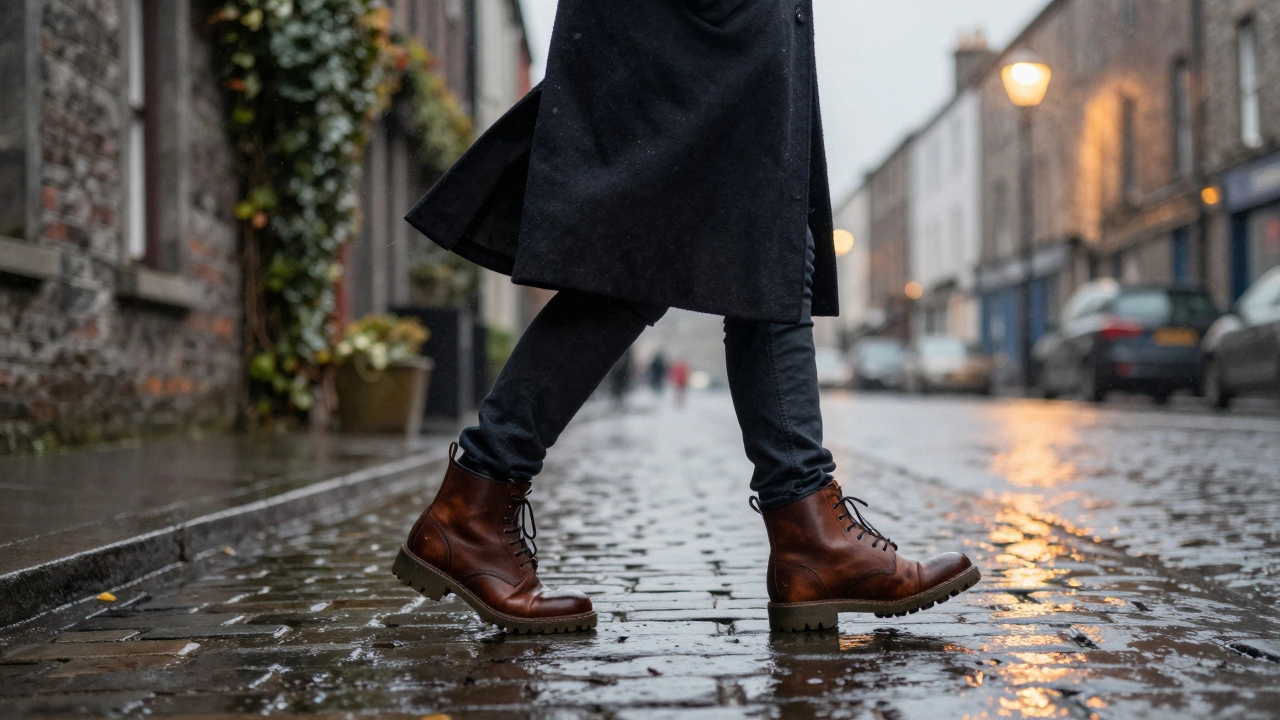
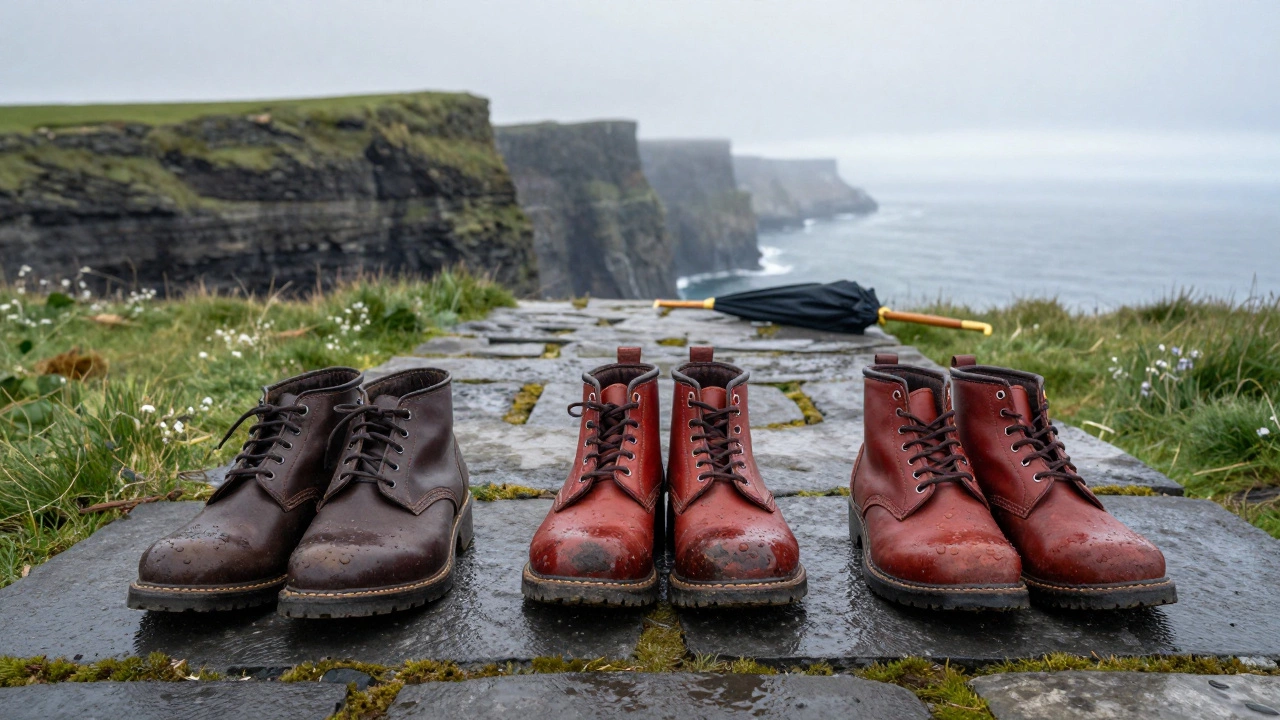
When you’re walking the cobbled streets of Galway, commuting through Dublin’s rain-slicked sidewalks, or hiking the Cliffs of Moher, your leather shoes need to do more than look good-they need to survive. In Ireland, where rain falls an average of 225 days a year and damp ground is a constant companion, choosing the right leather shoe isn’t about fashion alone. It’s about resilience, comfort, and knowing what holds up when the weather turns nasty.
Why Irish Conditions Demand Better Leather Shoes
Ireland’s climate isn’t just wet-it’s relentless. The west coast gets over 1,500mm of rain annually. Even in summer, a sudden downpour can soak through cheaply made soles in minutes. Many imported shoes fall apart here: the glue cracks, the leather stiffens, and the stitching unravels after just a few months. That’s why Irish consumers have learned to look for brands that understand moisture, cold, and constant wear.
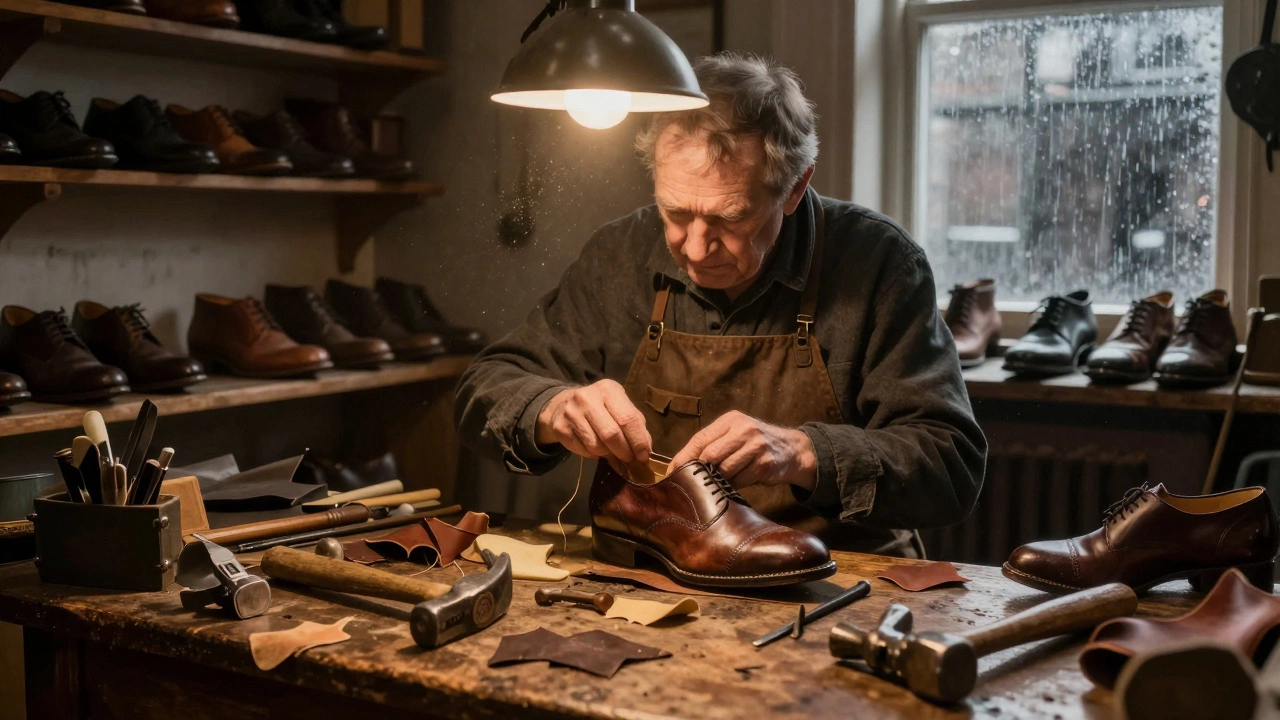
Local cobbler shops in Cork, Limerick, and Belfast still repair shoes made in the 1980s because they were built to last. Today’s best leather shoes for Ireland follow that same principle: thick, full-grain leather, Goodyear welting, and rubber outsoles designed for slippery stone and muddy trails.
The Top Brands for Leather Shoes in Ireland
Not all leather shoes are made equal. Here are the brands that consistently perform in the Irish market-and why they stand out.
1. Allen Edmonds (Imported, but Trusted)
While American-made, Allen Edmonds has a loyal following in Ireland because of its Goodyear welt construction and lifetime resoling service. Their Park Avenue and Strand models use thick, water-resistant leather and a rubber lug sole that grips wet pavement. Many Irish professionals who commute by train or walk to work in Dublin’s financial district swear by them. They’re expensive-€350+-but a pair lasts 7-10 years with proper care.
2. Tricker’s (UK, but a Favorite in Ireland)
Founded in 1829 in Northampton, Tricker’s has been a staple in Irish wardrobes since the 1970s. Their Crakenthorpe and St James models are made with vegetable-tanned leather and feature a storm welt that seals out water. You’ll see them worn by farmers in Donegal, teachers in Kilkenny, and even some politicians in Leinster House. The brand doesn’t advertise much here, but word of mouth keeps them in demand. Expect to pay €300-€450, but they’re repairable at any reputable cobbler in Ireland.
3. A. K. O’Connor (Irish-Made, Dublin)
This is the only brand on this list actually made in Ireland. Based in Dublin’s Liberties, A. K. O’Connor has been handcrafting shoes since 1956. Their Clontarf and Phoenix models use Irish-tanned leather from the old Cork tannery (now relocated to Waterford) and feature a thick, non-slip rubber sole developed with local hiking experts. They’re priced at €220-€280-more affordable than imports-and come with a 5-year guarantee. If you buy a pair, you can walk into their shop on South Richmond Street and have them adjusted on the spot.
4. Red Wing (American, but Built for Irish Winters)
Red Wing’s Iron Ranger and 875 models are popular among Irish tradespeople, construction workers, and outdoor enthusiasts. The leather is treated with a proprietary oil that repels water without needing reapplication. The Vibram outsole grips wet concrete and grass equally well. You’ll find them in hardware stores like McGinley’s in Belfast and Toolstation in Limerick. They’re rugged, heavy, and perfect for long days on your feet in any Irish weather.
5. Crockett & Jones (British, but the Quiet Choice for Irish Elegance)
For those who want classic style without sacrificing function, Crockett & Jones is the go-to. Their Cheltenham and Windsor styles are sleek enough for a wedding in Killarney but tough enough for a walk through Phoenix Park in a drizzle. Made in Northampton with hand-stitched soles, they’re a favorite among Irish lawyers, academics, and retired civil servants. They cost €400-€550, but many owners say they’ve worn the same pair for over 15 years.
What to Look for When Buying Leather Shoes in Ireland
Here’s what actually matters when you’re shopping:
- Full-grain leather-not corrected or bonded. It breathes and repairs itself over time.
- Goodyear welt or storm welt-this means the sole can be replaced. Avoid cemented soles; they fall apart in damp conditions.
- Rubber outsole-not leather. Leather soles are elegant but useless in Irish rain. Look for lug patterns like those on hiking boots.
- Waterproofing treatment-if it’s not pre-treated, buy a tin of Obenauf’s LP or Apple Brand Leather Conditioner from Boots or Penneys.
- Try them in the afternoon-feet swell during the day. If they’re tight in the morning, they’ll be unbearable by evening.
Where to Buy Leather Shoes in Ireland
You don’t need to order online. Here are the best places to try on shoes in person:
- A. K. O’Connor - 12 South Richmond Street, Dublin 2 (handmade, custom fitting)
- Shoe Station - Multiple locations, including Grafton Street and Limerick’s Dooradoyle (carries Tricker’s, Red Wing, and Crockett & Jones)
- McGinley’s - Belfast and Dublin branches (best for rugged work shoes)
- Clery’s Department Store - Dublin 1 (has a curated selection of premium leather brands)
- Local cobblers - Ask for recommendations in Cork, Galway, or Waterford. Many still stock vintage brands like John Lobb and have repair services.
How to Care for Leather Shoes in Ireland
Even the best shoes fail without care. Here’s the Irish way:
- After every wet walk, stuff shoes with newspaper to absorb moisture. Don’t use heat.
- Every two weeks, wipe with a damp cloth and apply a beeswax-based conditioner (like Lexol or Chamberlain’s).
- Every 3 months, have them re-soled if the tread is worn. A good cobbler will charge €50-€70 and take 5-7 days.
- Store them with cedar shoe trees. They prevent cracking and keep the shape.
- Never wear the same pair two days in a row. Let them dry out fully.
What Not to Buy
Steer clear of these in Ireland:
- Shoes labeled “water-resistant” without a waterproof membrane-this is marketing speak.
- Leather soles with no rubber grip-these are death on wet cobblestones.
- Fast-fashion brands like Zara, H&M, or Primark leather shoes-they crack after one winter.
- Shoes from unknown online sellers with no return policy. You can’t send them back if they’re too narrow.
Real Irish Stories: What Works
Padraig from Galway bought a pair of Tricker’s in 2018. He walks his dog along the Corrib River every morning. He’s had them re-soled twice. They’re still his favorite pair. He says, “I’ve worn them through snow, floods, and even a wedding in a field. They’re like a friend.”
Siobhán, a nurse in Cork, switched from cheap sneakers to A. K. O’Connor’s Phoenix model after chronic foot pain. “I’m on my feet 12 hours a day. These are the only shoes that don’t make me cry by shift’s end,” she says.
And then there’s the old cobbler in Clonmel who still repairs 1970s Red Wings. He’s been doing it for 40 years. “People think they need new shoes,” he told me last winter. “But what they really need is a good cobbler.”
Final Verdict: The Best Leather Shoe for Ireland
If you want the best balance of quality, price, and local support: go with A. K. O’Connor. Made in Dublin, built for Irish weather, and backed by a shop you can walk into. If you want luxury and heritage: choose Crockett & Jones or Tricker’s. If you need rugged durability for work or hiking: Red Wing is unbeatable.
Forget trends. In Ireland, your shoes aren’t just an accessory-they’re your defense against the elements. Choose well, care for them, and they’ll carry you through more than just the next season. They’ll carry you through decades.
Are leather shoes suitable for Ireland’s rainy weather?
Yes-but only if they’re properly made. Look for full-grain leather, a waterproof membrane, and a rubber outsole. Avoid leather soles and cheaply glued construction. Brands like Tricker’s, Red Wing, and A. K. O’Connor are designed for wet conditions and have proven durability in Ireland’s climate.
Where can I get my leather shoes repaired in Ireland?
Most towns have at least one reputable cobbler. In Dublin, try O’Connor’s Shoe Repair on South Richmond Street or Dublin Shoe Service on Capel Street. In Cork, visit The Last Cobbler on Patrick Street. In Galway, the shop on Shop Street has been fixing shoes since 1982. Many cobblers offer re-soling, heel replacement, and leather conditioning for €50-€80.
Is it worth paying more for Irish-made leather shoes?
Absolutely. Irish-made shoes like those from A. K. O’Connor use locally sourced leather and are built to withstand constant dampness. They’re often more affordable than imported luxury brands and come with local support-you can walk in for adjustments or repairs. You’re not just buying shoes; you’re supporting a local craft that’s survived for generations.
How long should a good pair of leather shoes last in Ireland?
With proper care, a well-made pair can last 7-15 years. Shoes with Goodyear welting can be re-soled multiple times. Many Irish families pass down shoes from parent to child. The key is regular conditioning, avoiding heat drying, and getting them repaired before the sole wears thin.
What’s the best way to waterproof leather shoes for Irish winters?
Use a beeswax-based conditioner like Lexol or Chamberlain’s. Apply it every 3-4 weeks during wet months. Avoid silicone sprays-they trap moisture inside the leather. For extra protection, consider a waterproofing treatment from a cobbler before winter hits. Many Irish cobblers offer this service for €15-€20.