Summer Heat Wardrobe Scorecard
Select Your Outfit
Wardrobe Analysis
Select your outfit details to see how well you'll handle the Irish summer heat.
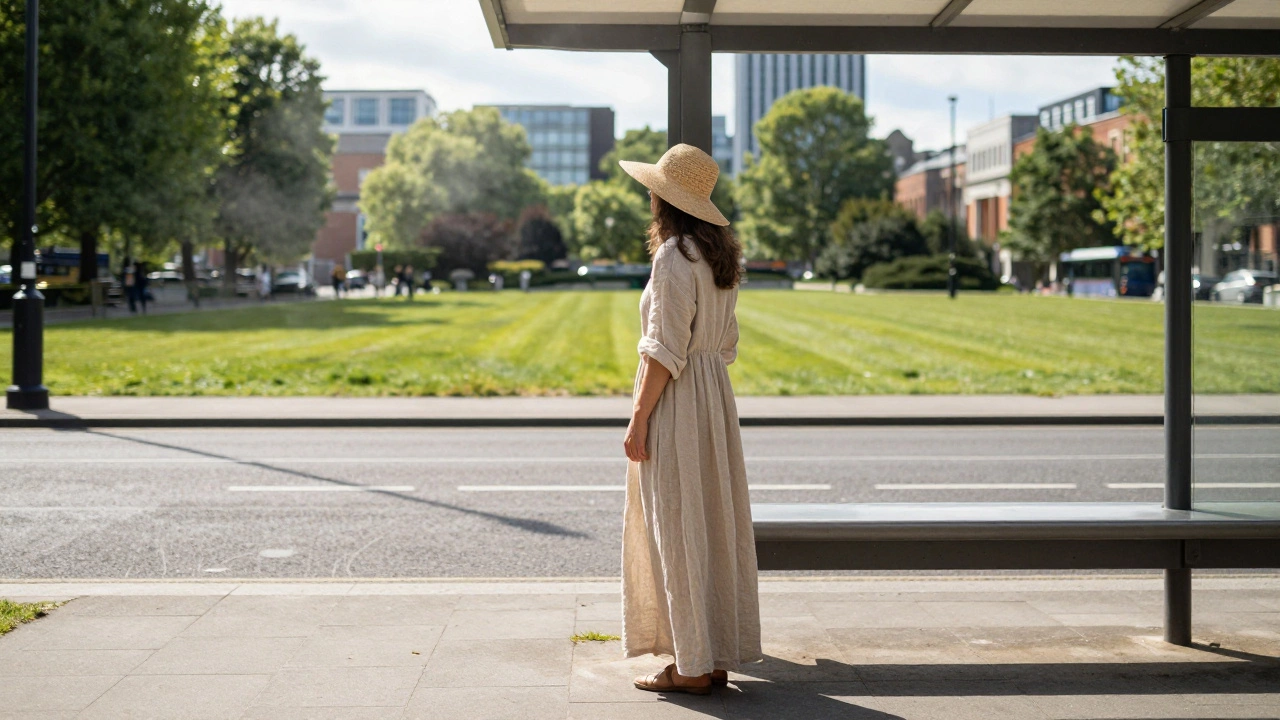
Imagine it’s July in Dublin. The temperature has climbed past 30°C (86°F). You’re standing on the Luas tram stop near Stephen’s Green, and the usual cool Atlantic breeze is nowhere to be found. Instead, you are baking in the sun. This isn’t a rare fantasy anymore; with climate change, extreme heatwaves are becoming a regular part of life in Ireland. We are used to raincoats and umbrellas, not light, airy fabrics that let our skin breathe. So, what do you actually wear when the mercury spikes?
The Problem with Traditional Irish Wardrobes
For decades, the standard Irish summer outfit involved layers. A t-shirt, a cardigan, and jeans were considered perfectly adequate because the weather was unpredictable. But in a true heatwave, this approach fails miserably. Denim traps heat and moisture against your skin. Synthetic materials like polyester act like plastic wrap, preventing sweat from evaporating. If you’ve ever tried walking up Grafton Street in tight synthetic leggings during a high-pressure system, you know exactly how uncomfortable that gets.
To stay cool, you need to rethink your entire wardrobe strategy. It’s not just about wearing less; it’s about wearing the *right* materials. The goal is to maximize airflow and reflect sunlight rather than absorb it.
Fabric Matters More Than Style
When selecting clothes for extreme heat, the material is the most critical factor. Here is what you should look for:
- Linen: This is the king of hot-weather fabrics. Linen is made from the flax plant and has a loose weave that allows maximum air circulation. It wicks moisture away from the body quickly. In Ireland, brands like Mullins a heritage Irish linen manufacturer based in Dundalk have been producing high-quality linen for generations. A linen shirt or dress can drop your perceived body temperature significantly compared to cotton.
- Cotton: Specifically, lightweight, loose-weave cotton. Avoid heavy denim or thick canvas. Look for terms like "voile" or "chiffon" which indicate thinner, more breathable textiles.
- Bamboo Viscose: This sustainable fabric is incredibly soft and has natural thermoregulating properties. It keeps you cool in summer and warm in winter, making it versatile for Ireland’s changing seasons.
Avoid polyester, nylon, and acrylic at all costs during heatwaves. These synthetic fibers trap heat and can cause chafing and irritation when you start sweating.
Why Summer Dresses Are Your Best Friend
If there is one garment that solves almost every problem associated with extreme heat, it is the summer dress a lightweight, often sleeveless garment designed for warm weather. Unlike pants and shirts, a dress creates a chimney effect. Air flows in through the bottom and rises out through the top, cooling your body naturally.
In the Irish context, where we might move from a sunny outdoor market in Temple Bar to an air-conditioned shop in Donnybrook, a summer dress offers perfect adaptability. You can choose styles with wide necklines and short sleeves to expose more skin to the breeze. Maxi dresses made from flowing chiffon or linen are particularly effective because they don’t cling to the legs, allowing air to circulate around your calves and thighs.
Local boutiques in areas like Smithfield Village or the independent shops in Kildare Village often stock beautiful, breathable summer dresses that fit the local aesthetic while providing practical comfort. Look for cuts that are slightly oversized rather than body-hugging.
Color Psychology and Physics
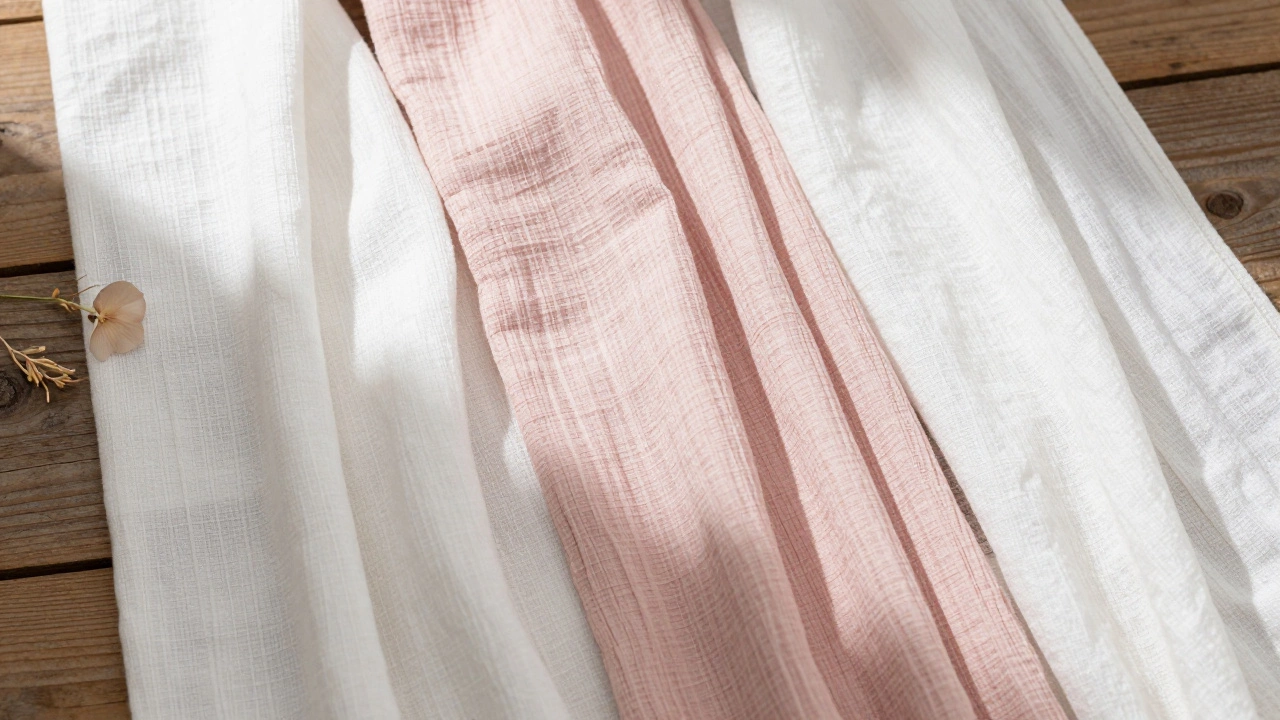
It sounds simple, but color plays a huge role in how hot you feel. Dark colors, especially black and navy blue, absorb sunlight and convert it into heat. Light colors like white, beige, pastels, and light grey reflect sunlight.
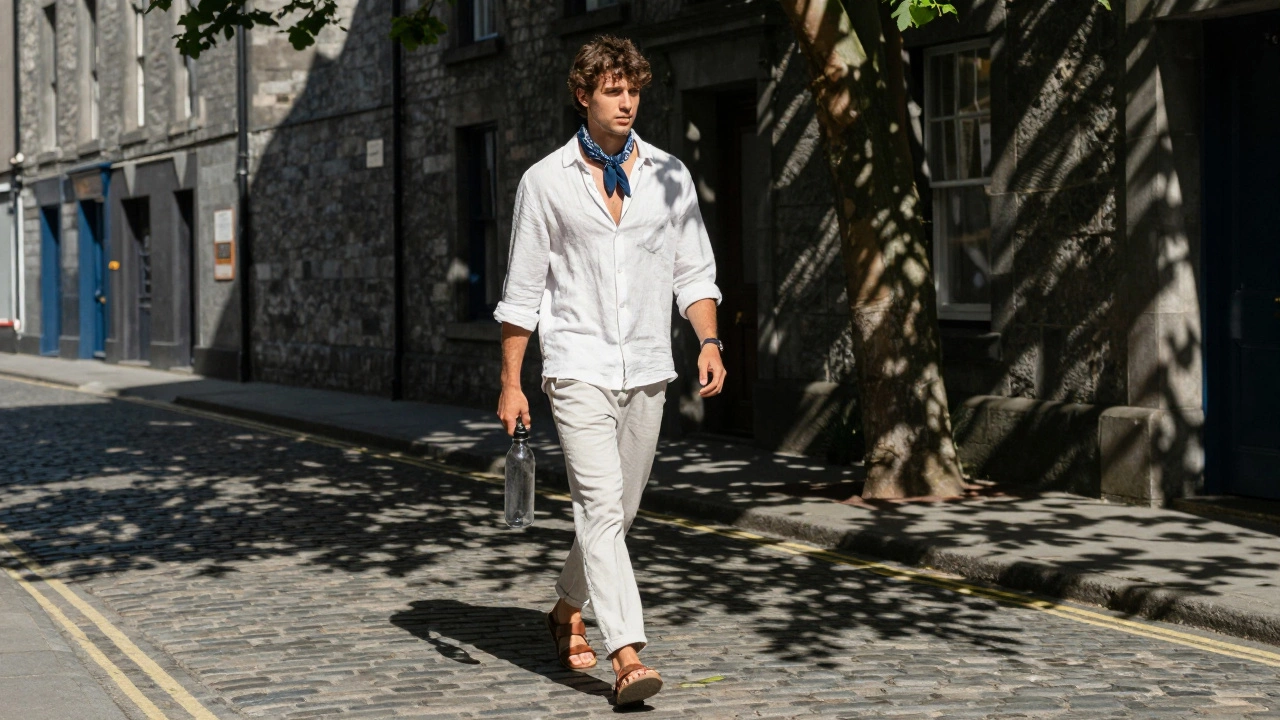
However, there is a nuance. Very dark, tightly woven fabrics can sometimes keep you cooler by blocking UV rays from reaching your skin, whereas very thin white fabrics might let radiation through. The best strategy is to wear light-colored, loose-fitting clothes. Think of the traditional white linen suits worn by men in Mediterranean countries. This style works beautifully in Ireland too. Pair a white linen shirt with light-colored trousers or a pale pink summer dress, and you’ll feel noticeably cooler than someone dressed in dark denim.
Protecting Yourself from UV Rays
Many people in Ireland underestimate the strength of the sun. Because we spend much of the year under cloud cover, our skin doesn’t build up tolerance. When the sun does appear, especially during a heatwave, UV index levels can reach 'High' or 'Very High.'
Your clothing is your first line of defense. Long-sleeved shirts and long skirts made from breathable fabrics provide excellent protection without overheating you. Look for clothing with an UPF (Ultraviolet Protection Factor) rating. A UPF of 50+ blocks over 98% of UV rays. Many modern sportswear brands offer UPF-rated clothing, but you can also find stylish options in mainstream fashion stores.
Don’t forget accessories. A wide-brimmed hat protects your face, ears, and neck. Sunglasses with UV400 protection shield your eyes. And yes, sunscreen is still necessary, even if you’re covered up, as UV rays can penetrate some fabrics.
Footwear: Letting Your Feet Breathe
Your feet generate a surprising amount of heat. Wearing closed-toe shoes with synthetic socks in extreme heat is a recipe for discomfort and potential foot issues like athlete’s foot.
Opt for sandals, espadrilles, or open-toe shoes. Leather sandals are durable and allow air to flow in and out. If you prefer sneakers, choose mesh running shoes with moisture-wicking socks. Avoid heavy boots or stiff leather shoes unless absolutely necessary. In cities like Cork or Galway, where cobblestones are common, ensure your footwear has good grip and support, even if it’s open-toed.
Hydration and Cooling Techniques
Clothing alone won’t save you if you’re dehydrated. Drink water regularly, even if you don’t feel thirsty. Avoid excessive alcohol and caffeine, as they can dehydrate you further. Carry a reusable water bottle with you everywhere-whether you’re visiting the Guinness Storehouse or hiking the Wicklow Mountains.
You can also use simple cooling tricks. Dampen a bandana or scarf with cold water and place it around your neck or on your forehead. The evaporation will help lower your body temperature. Some people carry small spray bottles of water to mist their faces and arms.
Navigating Urban Heat Islands
Cities like Dublin, Cork, and Limerick suffer from the "urban heat island" effect. Concrete, asphalt, and buildings absorb heat during the day and release it slowly at night, keeping temperatures higher than in rural areas. If you’re spending a lot of time in the city center, prioritize light-colored, loose-fitting clothing above all else.
Plan your outdoor activities for early morning or late evening when temperatures are lower. Use parks and green spaces as cooling refuges. Phoenix Park in Dublin or English’s Walk in Cork offer shaded areas where you can escape the concrete heat.
| Fabric Type | Breathability | Moisture Wicking | UV Protection | Best For |
|---|---|---|---|---|
| Linen | Excellent | Good | Moderate | Daily wear, office casual |
| Cotton (Lightweight) | Good | Moderate | Moderate | T-shirts, casual dresses |
| Polyester | Poor | Variable | High (if treated) | Sportswear (technical only) |
| Bamboo Viscose | Very Good | Excellent | Moderate | Base layers, sensitive skin |
| Denim | Poor | Poor | High | Avoid in extreme heat |
Final Tips for Staying Cool
Staying comfortable in extreme heat requires a combination of smart clothing choices and behavioral adjustments. Prioritize natural, breathable fabrics like linen and cotton. Embrace the versatility of summer dresses for maximum airflow. Choose light colors to reflect sunlight. Protect your skin from UV rays with UPF-rated clothing and accessories. Stay hydrated and seek shade whenever possible.
By adapting your wardrobe and habits, you can enjoy Ireland’s warmer days without suffering from the heat. Whether you’re attending a festival in Slane or simply enjoying a pint outside in Temple Bar, dressing appropriately will make all the difference.
Is linen better than cotton for extreme heat?
Yes, linen is generally superior to cotton for extreme heat. Linen has a looser weave and thicker fibers that create more air space between the fabric and your skin. It also dries faster than cotton, which helps regulate body temperature through evaporation. While cotton is comfortable, it tends to hold onto moisture longer, which can feel clammy in high humidity.
What color clothes should I avoid in the heat?
You should avoid dark colors like black, navy blue, and dark brown. These colors absorb sunlight and convert it into heat, raising the temperature of the fabric against your skin. Opt for light colors such as white, beige, pastel pink, or light grey, which reflect sunlight and help keep you cooler.
Can I wear jeans in a heatwave?
It is not recommended. Denim is a heavy, tightly woven cotton fabric that traps heat and moisture. It does not allow air to circulate freely around your legs, leading to overheating and discomfort. If you must wear jeans, choose a lighter wash and a looser fit, but ideally, switch to linen trousers or shorts.
How important is UPF rating in clothing?
UPF (Ultraviolet Protection Factor) rating is very important, especially in Ireland where many people underestimate UV exposure. A UPF of 50+ blocks over 98% of harmful UV rays. Regular clothing offers some protection, but tightly woven or specially treated fabrics with a high UPF rating provide significantly better defense against sunburn and long-term skin damage.
Where can I buy quality linen in Ireland?
Ireland has a rich history of linen production. You can find high-quality linen from brands like Mullins, which operates in Dundalk. Additionally, many independent boutiques in cities like Dublin, Cork, and Galway stock linen garments. Department stores like Brown Thomas also carry linen collections from various international and local designers.