Find Your Perfect Irish Work Shoe
Brand Name
€0 - €0
Description goes here.
Key Benefits:
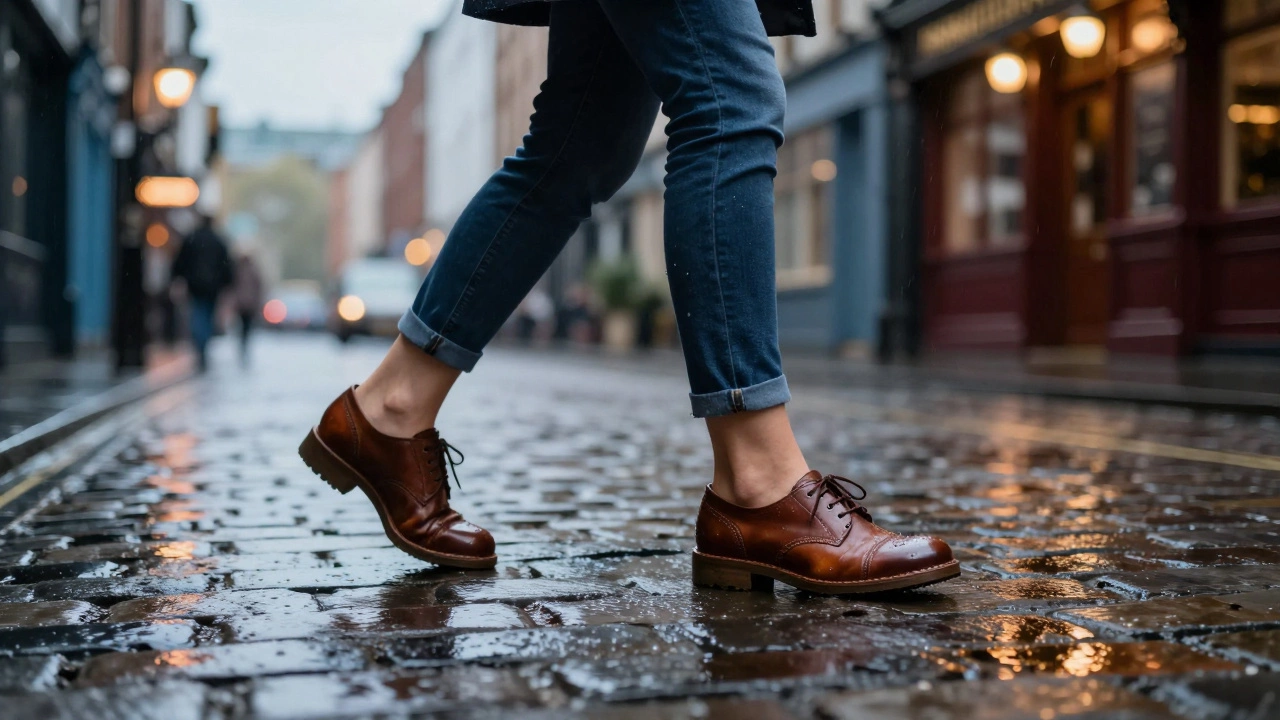
If you are standing on the wet cobblestones of Temple Bar or rushing between client meetings in the Docklands, you know that finding the right pair of **comfortable work shoes** is not just a luxury-it is a survival tactic. In Ireland, where the weather can shift from bright sunshine to a soaking rainstorm within an hour, your footwear needs to do more than just look professional. It needs to keep your feet dry, support your arches during long commutes on the Luas, and withstand the uneven pavements we seem to have everywhere from Galway to Cork.
We often underestimate how much our feet suffer when we choose style over substance. By lunchtime, that sharp pain in your heels or the numbness in your toes isn't just annoying; it affects your focus, your mood, and yes, your productivity. So, which brands actually deliver on comfort without making you look like you just stepped off a construction site? Let’s break down the top contenders available in the Irish market right now.
Why "Comfort" Means Different Things in the Irish Workplace
Before we name names, we need to define what we mean by comfort in this context. For a retail worker in Brown Thomas or a nurse at St. James’s Hospital, comfort means shock absorption and breathability. You are on your feet for eight to ten hours straight. For an office worker who takes the DART to Sandyford and walks across large campus sites, comfort means cushioning and stability.
In Ireland, we also have to factor in the climate. A shoe might be comfortable in July, but if it soaks through in November, it becomes miserable very quickly. We are looking for materials that offer water resistance without sacrificing airflow. Leather remains the gold standard here, particularly full-grain leather, because it molds to your foot over time and repels water better than synthetic meshes, provided it is treated correctly.
What makes a work shoe truly comfortable for all-day wear?
True comfort comes from three main factors: adequate toe box width to prevent crowding, responsive midsole cushioning (like EVA or polyurethane) to absorb impact, and proper arch support that matches your foot type. In Ireland, waterproofing is also a critical component of comfort due to frequent rain.
The Top Contenders: Brands That Deliver
After testing dozens of pairs on everything from the rainy streets of Dublin to the office floors of Cork Business Park, these are the brands that consistently come out on top for Irish professionals.
Ecco: The Gold Standard for All-Day Standing
Ecco is a Danish footwear brand renowned for its direct-injected PU sole technology and premium leather quality. If you ask any physiotherapist in Ireland about their go-to recommendation for patients with plantar fasciitis or general foot fatigue, Ecco will likely be near the top of the list. Their Direct Injection process bonds the sole directly to the upper, creating a seamless, flexible unit that moves with your foot rather than against it.
I’ve worn Ecco Helsinki oxfords through several Irish winters, and they hold up remarkably well. The leather is soft from day one, meaning there is almost no break-in period. This is crucial when you need new shoes for an immediate job requirement. The downside? They can be pricey. Expect to pay between €150 and €200 in stores like Brown Thomas or specialized shoe retailers in Grafton Street. But given the lifespan-often five years or more-the cost per wear is quite reasonable.
Skechers: The Budget-Friendly Powerhouse
Skechers is an American athletic footwear company famous for its memory foam insoles and lightweight designs. While Skechers started as a casual brand, their "Work" line has become incredibly popular among healthcare workers, teachers, and retail staff across Ireland. The Memory Foam insoles are the star here. They conform to the shape of your foot, providing a cloud-like feel that is hard to beat for pure immediate comfort.
For someone working in a hospital in Limerick or a shop in Dundrum Town Centre, Skechers offers excellent value. You can find pairs for €60-€80, especially during sales at Boots or Superdrug. However, be aware that the mesh uppers are not naturally waterproof. If you walk outside frequently, you’ll need to invest in a good waterproofing spray. Also, while they are comfortable, they may lack the structural support needed for people with severe flat feet compared to stiffer leather options.
Hoka One One: Maximum Cushioning for Heavy Loaders
Hoka One One is a French footwear brand specializing in maximalist running shoes with thick, cushioned soles. Originally designed for runners, Hoka has crossed over into the professional world. Their Bondi and Clifton models are favorites among nurses and logistics workers who stand on concrete floors all day. The thick midsoles provide exceptional shock absorption, reducing stress on your knees and lower back.
In Ireland, where many workplaces have hard flooring, this extra cushioning is a game-changer. I tested the Hoka Bondi SR (slip-resistant) version, and it felt like walking on pillows. The only catch is the bulkiness. They are wide and tall, which might not fit under slim-fit trousers easily. If you work in a corporate environment with a strict dress code, you might want to stick to Ecco or Clarks. But for functional roles, Hoka is unbeatable.
Clarks: The Classic Irish Choice
Clarks is a British footwear manufacturer with a long history in Ireland, known for its durable leather shoes and orthoLite footbeds. Clarks has a special place in the Irish heart. It feels familiar, reliable, and accessible. You can find them in almost every town center, from Wexford to Donegal. Their Unstructured line is particularly noteworthy for office wear. These shoes use lighter materials and flexible soles to mimic the feel of barefoot walking while maintaining a professional appearance.
Clarks are great for the average commuter. They are durable, easy to maintain, and often go on sale. If you have wider feet, Clarks offers specific wide-fit options, which is a feature many other brands overlook. For a traditional look that doesn’t compromise on comfort, Clarks remains a solid, safe bet.
Comparison Table: Which Brand Fits Your Needs?
| Brand | Best For | Price Range (EUR) | Water Resistance | Durability |
|---|---|---|---|---|
| Ecco | All-day standing, office wear | €150 - €200 | High (Leather) | Excellent (5+ years) |
| Skechers | Budget-conscious, healthcare/retail | €60 - €80 | Low (Needs spray) | Moderate (1-2 years) |
| Hoka One One | Maximum cushioning, heavy standing | €120 - €160 | Medium | Good (2-3 years) |
| Clarks | Traditional style, wide feet | €80 - €130 | High (Leather) | Very Good (3-4 years) |
Shopping Smart in Ireland: Where to Look
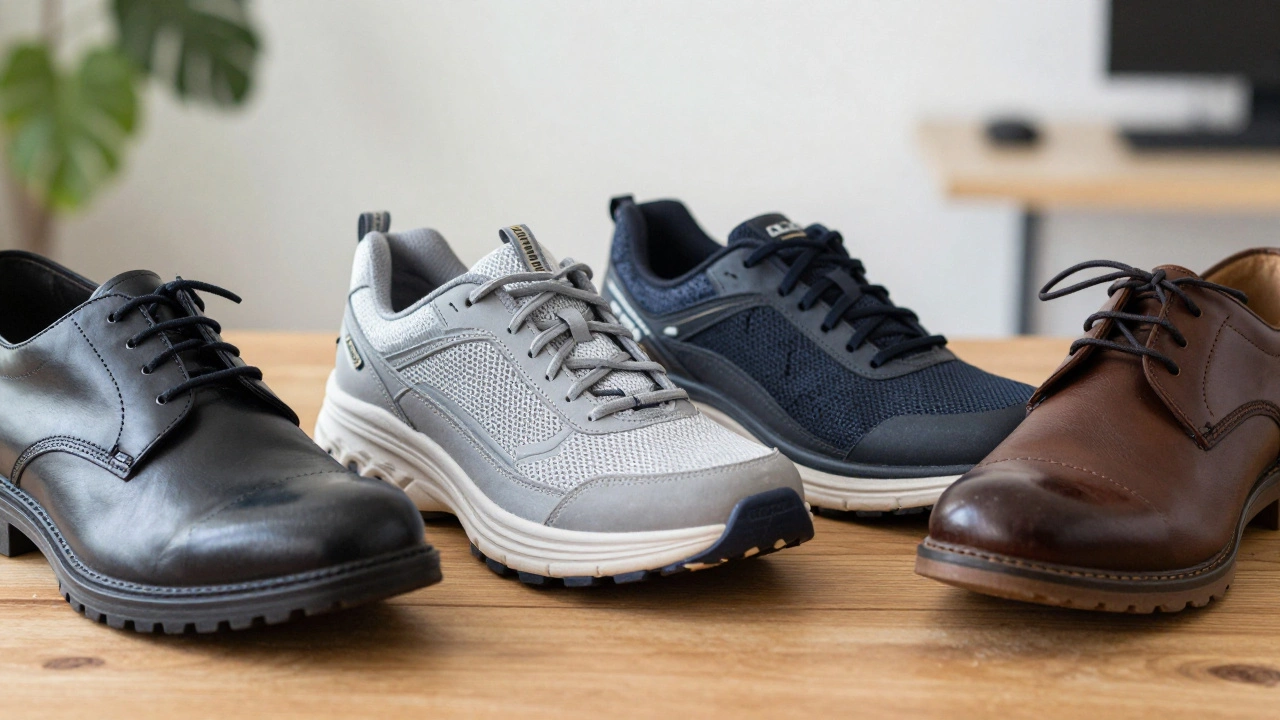
Finding these brands in Ireland is straightforward, but knowing where to look can save you money and time. In Dublin, Grafton Street and Stephen’s Green area host flagship stores for Ecco, Clarks, and Skechers. Here, you can try on multiple sizes and styles. Staff in these stores are generally trained to help you determine the right fit, which is invaluable.
For those outside major cities, online shopping is king. Websites like ASOS Ireland, Amazon.ie, and the brand’s own e-commerce sites offer free returns, which is a huge plus. However, sizing can vary wildly between brands. An EU 42 in Ecco might feel tighter than an EU 42 in Skechers. Always check the return policy before buying. In Ireland, consumer law gives you a 14-day cooling-off period for online purchases, so use it.
Don’t forget about local independent shoe shops. In towns like Kilkenny or Waterford, family-run stores often carry high-quality brands like Loake or Church’s. While these are pricier, they offer bespoke fitting services and repairs. Investing in a good cobbler can extend the life of your expensive shoes significantly.
Maintaining Your Investment: Tips for Irish Weather
Buying the right shoe is only half the battle. Maintaining them is key to long-term comfort. In Ireland, rain is inevitable. Even waterproof shoes need care.
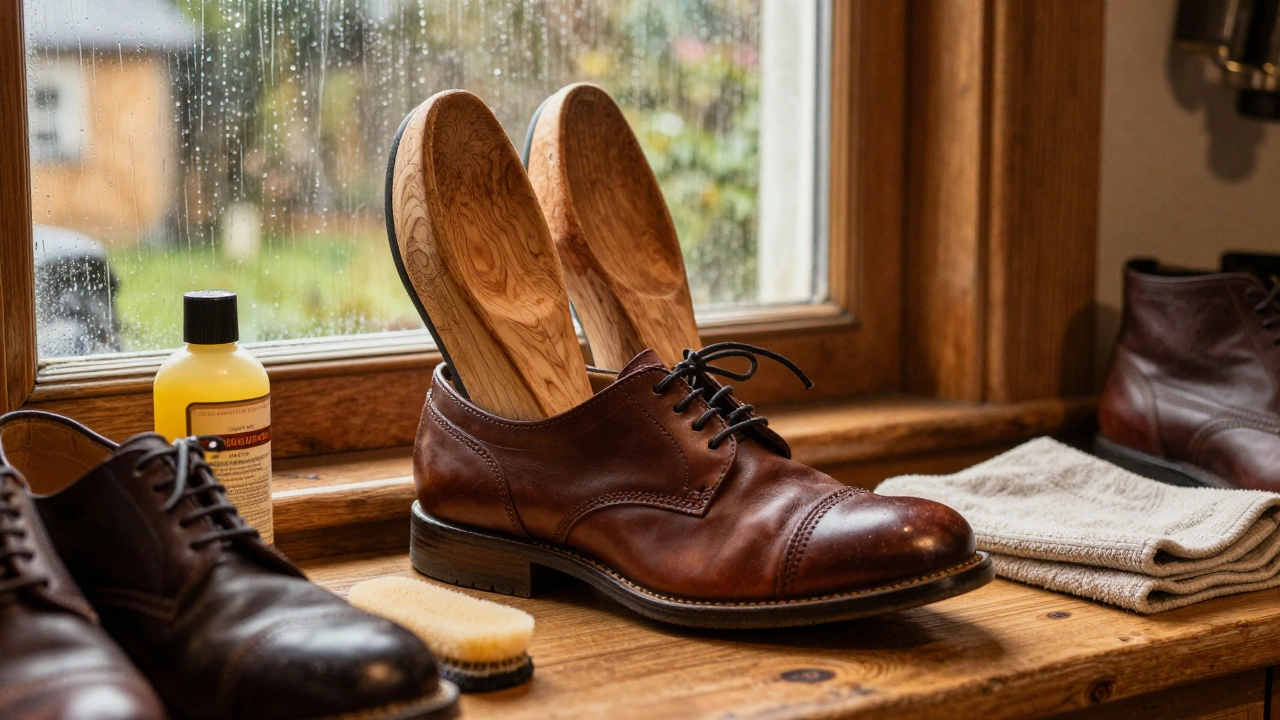
- Condition Regularly: Use a leather conditioner every few months to keep the material supple and water-repellent. Products like Saphir or Collonil are widely available in department stores.
- Rotate Your Shoes: Never wear the same pair two days in a row. Leather needs time to dry out and regain its shape. Rotate between at least two pairs.
- Use Cedar Shoe Trees: Insert cedar shoe trees after each wear. They absorb moisture and odor, keeping your shoes fresh and preventing creases.
- Replace Insoles: Even the best insoles compress over time. Replace them every six to twelve months, depending on usage. Orthopedic inserts can add another layer of customization.
Common Mistakes to Avoid
One common mistake is buying shoes based solely on size. Feet swell throughout the day, especially in warmer months or after prolonged standing. Always try on shoes in the afternoon or evening when your feet are at their largest. Walk around the store, not just stand still. Check for heel slippage and toe room.
Another error is ignoring arch support. Many people assume all shoes provide adequate support, but this is rarely true. If you have flat feet or high arches, consider custom orthotics. Most of the brands mentioned above allow you to remove the factory insole and insert your own.
Finally, don’t sacrifice fit for fashion. A beautiful pair of Italian loafers will not make you look professional if you are limping after an hour. Comfort should always be the primary driver. In Ireland, where practicality is valued, looking put-together is important, but being able to move freely and comfortably is more so.
Final Thoughts: Prioritizing Your Foot Health
Your feet carry you through every aspect of life. Neglecting their health leads to broader issues, including back pain and poor posture. Investing in high-quality, comfortable work shoes is an investment in your overall well-being. Whether you choose the premium feel of Ecco, the budget-friendly ease of Skechers, the cushioning of Hoka, or the classic reliability of Clarks, ensure you prioritize fit and function.
In the Irish workplace, where professionalism meets practicality, the right pair of shoes can make your day significantly easier. Take the time to research, try on, and maintain your footwear. Your feet-and your bank account-will thank you in the long run.
Are Ecco shoes worth the higher price tag in Ireland?
Yes, for most users. Ecco shoes typically last 5+ years due to their high-quality leather and durable construction. When calculated as cost-per-wear, they are often cheaper than replacing cheaper shoes every year. Additionally, their superior comfort reduces foot fatigue, which can improve work performance.
Can I wear Skechers to a formal office in Dublin?
It depends on the company culture. Traditional law firms or banks in Dublin’s financial district may require leather dress shoes. However, many tech companies and modern offices in the Docklands accept smart-casual attire, where sleek Skechers models (like the Equalizer line) are acceptable. Always check your company’s dress code first.
How do I waterproof my work shoes for Irish rain?
For leather shoes, use a wax-based conditioner or a silicone-free waterproofing spray. Apply it according to the product instructions, usually in a well-ventilated area. For suede or fabric shoes, use a specific suede protector. Reapply every 1-2 months during the rainy season (October-March).
Where can I buy orthopedic insoles in Ireland?
You can find over-the-counter orthotic insoles at pharmacies like Boots, Superdrug, and Watsons. Brands like Superfeet and Spenco are commonly stocked. For custom-made insoles, visit a podiatrist. Many GP practices can refer you to a podiatrist if you have chronic foot pain.
Do work shoes need a break-in period?
High-quality leather shoes like Ecco and Clarks may require a short break-in period of 1-2 weeks to mold to your feet. Synthetic shoes like Skechers are usually comfortable immediately. If you experience significant pain, blisters, or numbness, the shoes likely do not fit correctly and should be exchanged.