Irish Winter Boot Suitability Checker
Answer three quick questions to find out which winter footwear strategy suits your life in Ireland best.
Your Recommended Footwear Strategy
Top Alternatives for You
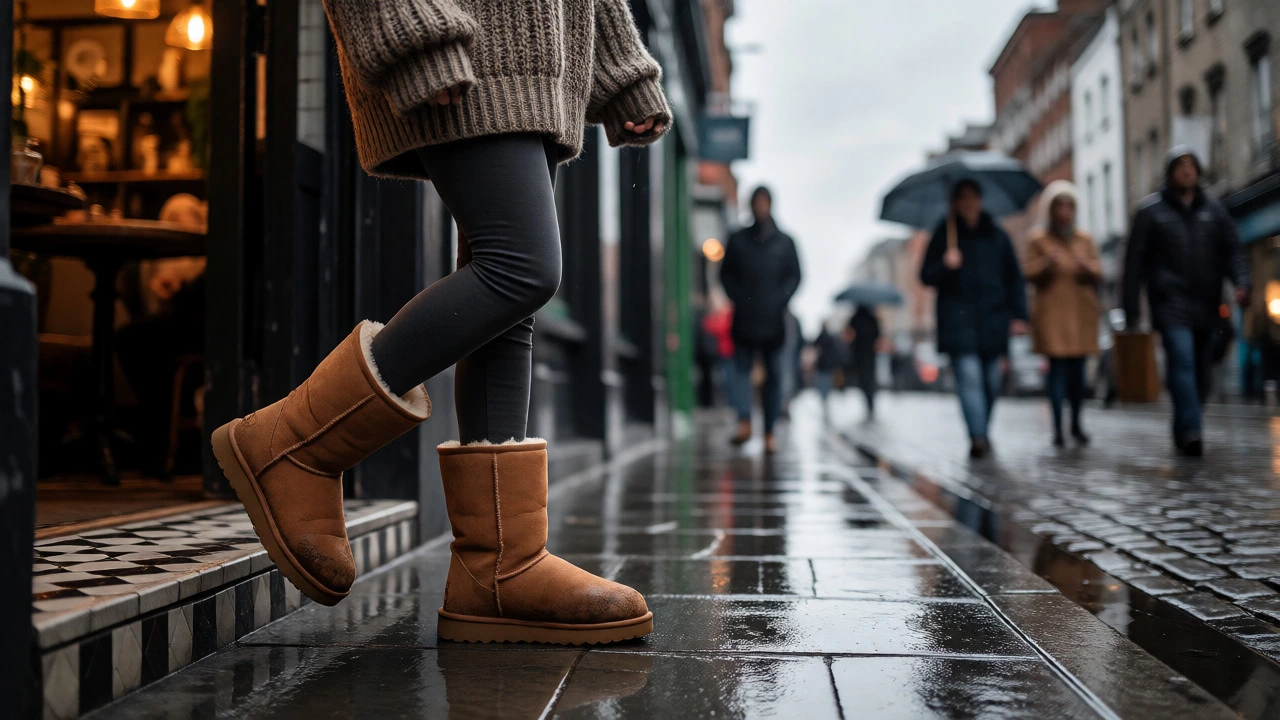
You know the look. You’ve seen it on Grafton Street in Dublin or along the promenade in Galway: someone stepping out of a café with their feet encased in those chunky, fluffy-lined UGGs. For years, these sheepskin boots were the unofficial uniform for surviving an Irish winter. But as we move through late 2026, you might be wondering if they’ve had their day. Are they still a fashion staple, or have they become a relic of the mid-2010s?
The short answer is complicated. In Ireland, where rain is a constant companion and warmth is a necessity, practicality often trumps pure aesthetics. While the hype cycle has cooled compared to the peak frenzy of 2015, UGGs haven’t vanished. Instead, they’ve shifted from being a "must-have" fashion statement to a niche comfort item. If you’re standing in Brown Thomas or browsing online retailers like ASOS Ireland, you’ll notice the shelves aren’t overflowing with classic tall boots anymore. The market has fragmented. People are looking for specific benefits-water resistance, ethical sourcing, or better arch support-that traditional UGGs struggle to provide.
The Shift from Hype to Heritage
To understand where UGGs stand now, you have to look at how our habits changed. During the pandemic, comfort became king. We stopped dressing up for offices that didn’t exist and started prioritizing cozy home wear. This era actually saved UGGs from total obscurity. As remote work normalized across Ireland, many people kept wearing them because they felt good. However, once we returned to hybrid models and social lives resumed, the visual appeal took a hit.
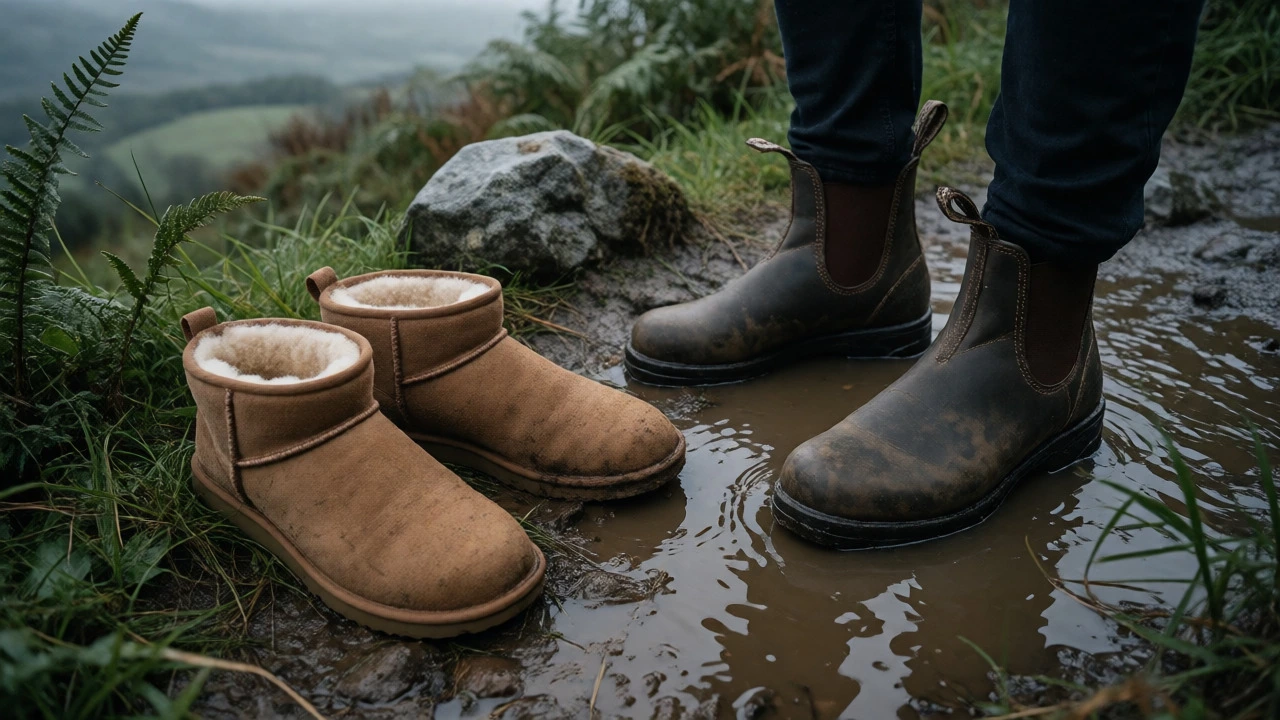
Irish consumers are pragmatic. We deal with wet grass, muddy trails in Wicklow, and slippery cobblestones in Cork City. Classic suede UGGs absorb water like a sponge. Once they get soaked, they take days to dry and often lose their shape. This functional flaw led many Irish buyers to switch to waterproof alternatives. You won’t see many people wearing classic UGGs during a heavy downpour in Limerick unless they’re rushing from a car to a building. They’ve become fair-weather friends in a country that rarely offers perfect weather.
Why Irish Buyers Are Moving On
Several factors have pushed Irish shoppers away from traditional sheepskin boots. First, there’s the cost. With inflation hitting household budgets across the island, spending €180-€250 on a pair of boots that might ruin in one wet winter feels risky. Second, sustainability concerns are rising. Many Irish consumers now check labels for ethically sourced wool and leather. The environmental footprint of tanning sheepskin has come under scrutiny, leading some to seek vegan alternatives or recycled materials.
Then there’s the style fatigue. Fashion cycles move fast. The "ugly shoe" trend gave way to sleeker silhouettes. Chunky sneakers and minimalist loafers stole the spotlight. UGGs, with their bulky profile, clash with the tailored trousers and midi skirts that dominate current Irish street style. Younger demographics in cities like Belfast and Dublin often view them as something their older cousins wore, rather than a current trend.
| Feature | Classic UGGs | Waterproof Leather Boots | Vegan Faux-Sheepskin |
|---|---|---|---|
| Water Resistance | Low (absorbs moisture) | High (treated leather/rubber) | Medium-High (synthetic coatings) |
| Warmth Rating | Excellent (natural insulation) | Good (requires thermal socks) | Good (synthetic lining) |
| Durability in Mud/Rain | Poor | Excellent | Moderate |
| Average Price (EUR) | €190 - €240 | €120 - €300 | €80 - €150 |
| Eco-Impact | High (livestock/tanning) | Medium (depends on source) | Variable (plastic-based) |
The Rise of Competitors
If UGGs aren’t the default choice, what is? Brands like Blundstone have gained massive traction in Ireland. Their Chelsea-style boots offer similar slip-on convenience but handle puddles without turning into sponges. You’ll spot Blundstones everywhere from tech hubs in Dublin to rural farms in Kerry. They’re rugged, stylish, and don’t scream "fashion victim."
Another strong contender is the rise of high-quality slippers worn outdoors. Irish winters are damp, not brutally cold like Scandinavia. This means people don’t need extreme insulation. Thin-soled shearling-lined loafers or clogs from brands like Birkenstock or local Irish makers provide enough warmth for short commutes while looking more polished. These options bridge the gap between indoor comfort and outdoor utility, which is exactly what modern urban dwellers want.
For those who still love the aesthetic but hate the maintenance, faux-sheepskin boots have improved significantly. Synthetic linings are softer and more breathable than they used to be. Plus, they’re cheaper. If you’re a student at Trinity College Dublin trying to stay warm on a budget, a €90 pair of synthetic boots makes more sense than investing in genuine leather that might crack after two seasons of salted pavements.
When UGGs Still Make Sense
Don’t write off UGGs entirely. There are specific scenarios where they remain unbeatable. If you’re working from home and only stepping outside to walk the dog in your housing estate, nothing beats the immediate comfort of pulling on a pair. The plush interior molds to your foot, providing relief after a long day in stiff work shoes.
They also hold value in casual, low-mud environments. If you live in a city apartment with easy access to heated buildings, the risk of damage decreases. Some people keep a dedicated pair for "errand running"-quick trips to the corner shop or post office where getting feet wet isn’t guaranteed. In this context, UGGs function less as outerwear and more as elevated slippers.
There’s also a nostalgic factor. For many Irish adults who grew up seeing them on TV, there’s an emotional connection. They represent a simpler time. Wearing them can feel like a small act of rebellion against the pressure to always look trendy. If you wear them with confidence, owning the look rather than hiding from it, they can still work. Pairing them with oversized knitwear and leggings remains a cozy, acceptable look for casual weekends in coastal towns like Dingle or Lahinch.

Caring for Sheepskin in Irish Weather
If you decide to stick with UGGs-or buy second-hand ones from charity shops like Oxfam or St Vincent de Paul-you need a care routine. Irish rain is relentless. Here’s how to make them last:
- Pre-treat immediately: Use a water-repellent spray specifically designed for suede and nubuck. Do this before you wear them outside for the first time. Reapply every few weeks during winter.
- Dry properly: Never put wet boots near a radiator. Heat shrinks the leather and cracks the sole. Stuff them with newspaper to absorb moisture and let them air-dry at room temperature.
- Rotate pairs: Don’t wear the same pair two days in a row. Give them 24 hours to fully dry out internally. This prevents mold and bad odors, which thrive in damp Irish conditions.
- Clean stains gently: Use a specialized suede eraser for mud spots. Avoid washing machines; they destroy the glue holding the sole together.
Final Verdict: To Wear or Not to Wear?
So, does anyone wear UGGs anymore in Ireland? Yes, but fewer people do, and they do so differently. They’ve transitioned from a status symbol to a comfort tool. The fashion police aren’t arresting you for wearing them, but you might get a curious glance if you step out in them during a storm.
If you prioritize durability and all-weather performance, invest in waterproof leather boots or robust hybrids. If you value maximum comfort for short outings and have the means to replace them when they wear out, UGGs still deliver. The key is knowing their limits. In a country defined by its unpredictable weather, choosing the right boot is about respecting the elements, not just following a trend.
Are UGGs suitable for walking in Dublin rain?
Classic suede UGGs are not ideal for prolonged exposure to Dublin rain. Suede absorbs water quickly, leading to staining and potential damage to the inner fleece. It is better to use them for dry days or very light drizzle, and always treat them with a waterproofing spray beforehand.
What are the best alternatives to UGGs in Ireland?
Blundstone boots are a popular alternative due to their waterproof capabilities and durable construction. Other options include waterproof leather Chelsea boots from brands like Clarks or Ecco, and synthetic faux-sheepskin boots which offer similar comfort at a lower price point and with better water resistance.
How much do UGGs cost in Ireland in 2026?
Prices vary depending on the retailer and model. Classic tall UGGs typically range from €190 to €240. Shorter styles or mini versions may cost between €150 and €180. Sales events in January and August can offer discounts of 20-30%.
Can I wash my UGGs in a washing machine?
It is generally recommended not to wash real leather UGGs in a washing machine. The agitation and water saturation can weaken the adhesives and distort the shape. Hand cleaning with a damp cloth and specialized cleaner is safer. Some synthetic models may allow gentle machine washing, but always check the label.
Are UGGs still fashionable in 2026?
They are no longer a dominant fashion trend but remain acceptable for casual, comfortable outfits. The style has moved towards minimalism and practicality, so UGGs are seen more as functional comfort wear rather than a high-fashion statement piece.