Leather vs. Synthetic Cost Calculator
| Metric | Leather Shoes | Synthetic Shoes |
|---|---|---|
| Total Lifespan | 5 Years | 0.67 Years |
| Total Wears (Est.) | 780 wears | 104 wears |
| Cost Per Wear | €0.26 | €0.38 |
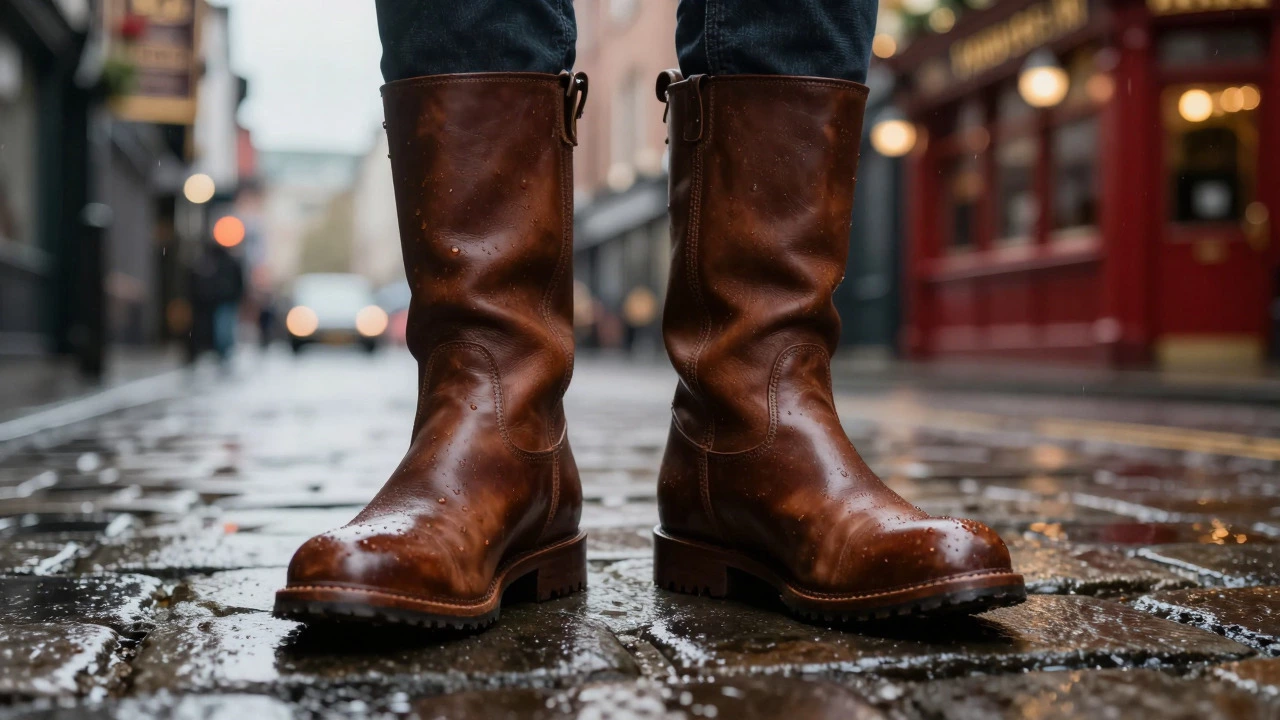
Walking from a pub in Temple Bar to the Luas stop in the pouring rain is a rite of passage here. But have you ever stopped to think about what’s happening inside your shoes while you’re dodging puddles on O'Connell Street? You might be wearing those stiff, shiny dress shoes you bought at Brown Thomas or a pair of rugged boots from a local cobbler in Galway. The big question on everyone's mind, especially with our unpredictable climate, is simple: are leather shoes better for feet than synthetic alternatives?
The short answer is yes, but it’s not just because they look good. It comes down to how leather behaves under pressure, heat, and moisture-three things we deal with daily in Ireland. Let’s break down why that natural material matters for your arches, your toes, and your overall comfort.
Why Breathability Matters More Than You Think
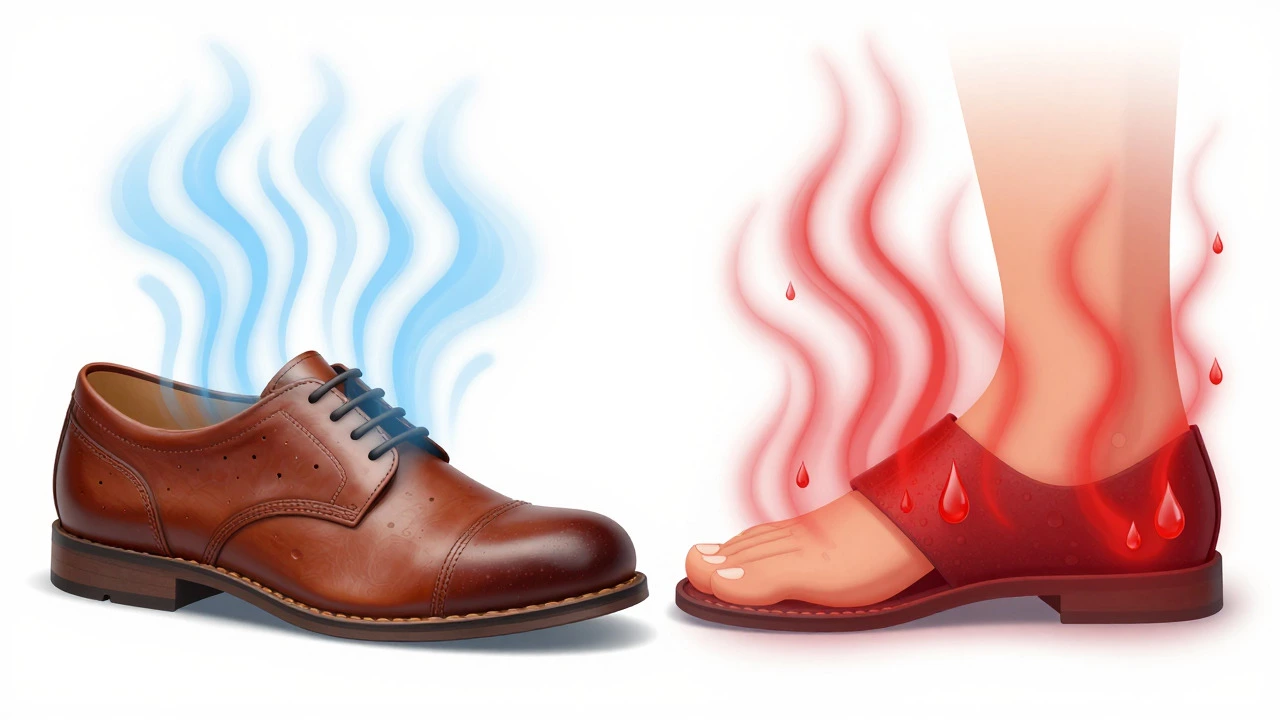
Imagine running a marathon in a plastic bag. That’s essentially what happens when you wear non-breathable synthetics all day. Leather is a natural material; it has pores. These microscopic openings allow air to circulate and sweat to escape. In Ireland, where humidity can hit 80% even in summer, keeping your feet dry isn’t a luxury-it’s a necessity.
Synthetic materials like PU (polyurethane) or cheap PVC trap heat and moisture against your skin. This creates a swampy environment inside your shoe. Over time, this leads to blisters, fungal infections like athlete’s foot, and general discomfort. Leather, however, wicks moisture away. If you’ve ever worn a proper leather boot walking the Cliffs of Moher and felt your feet stay relatively dry despite the sea spray, you’ve experienced this benefit firsthand.
- Full-grain leather offers the best breathability because the grain structure remains intact.
- Suede, while stylish, absorbs water quickly and needs extra protection in rainy conditions.
- Synthetic mesh breathes well but lacks durability and structural support.
The Break-In Period: Pain or Payoff?
We’ve all heard the phrase "break them in." With leather, this isn’t marketing fluff. When you first buy a leather shoe, it’s rigid. It hasn’t molded to your unique foot shape yet. Walking around Grafton Street in brand-new leather oxfords might hurt for the first few days. But here’s the magic: leather stretches. It conforms to the contours of your heel, ball, and toes.
Synthetic shoes don’t stretch much. They might loosen slightly, but they rarely adapt to your specific anatomy. If a synthetic shoe feels tight today, it will likely feel tight next year. Leather, on the other hand, becomes a custom fit over time. After six months of regular wear, a leather shoe feels like it was made specifically for you. This reduces friction points, which means fewer hotspots and blisters during long walks, whether you’re hiking the Wicklow Mountains or commuting through Dublin’s rush hour.
| Feature | Genuine Leather | Synthetic Materials |
|---|---|---|
| Breathability | High (natural pores) | Low (traps moisture) |
| Durability | 10+ years with care | 1-3 years typically |
| Moldability | High (stretches to fit) | Low (rigid structure) |
| Water Resistance | Good (with treatment) | Variable (often poor) |
| Environmental Impact | Biodegradable (if untreated) | Non-biodegradable plastic waste |
Ireland’s Weather: A Tough Test for Any Shoe
Let’s talk about the elephant in the room: the rain. We get it from everywhere. A sudden downpour in Cork can soak you to the bone in minutes. How does leather handle this compared to modern waterproof fabrics?
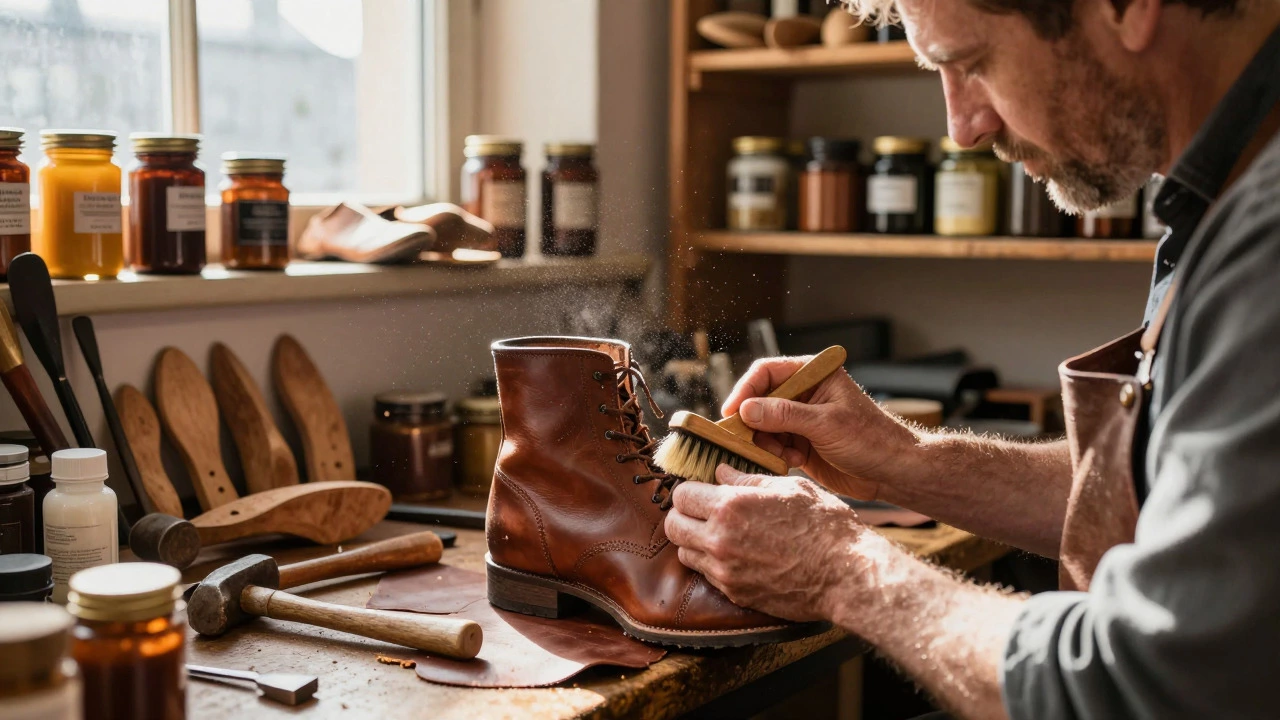
Quality leather is naturally water-resistant to a degree, but it’s not waterproof out of the box. However, unlike synthetics that can delaminate or crack when exposed to constant wet-dry cycles, leather can be maintained. Applying a conditioner or wax, such as beeswax-based products available at any local hardware store or shoe repair shop in Derry, restores its oils and repels water.
If you leave a synthetic shoe wet, it often develops an unpleasant odor and may degrade internally. Leather dries out, stiffens temporarily, and then returns to normal once conditioned. For Irish winters, full-grain leather boots are superior because they protect against both cold and dampness without trapping sweat inside.
Support and Structure: Beyond Just Looks
Your feet aren’t flat slabs; they have arches, heels, and complex joint structures. Cheap shoes often lack adequate support, leading to plantar fasciitis or knee pain later in life. Leather shoes, particularly those crafted by traditional cobblers found in towns like Kilkenny or Limerick, tend to have better construction standards.
Look for features like:
- Goodyear welt construction: Allows resoling, extending the shoe’s life significantly.
- Cork midsoles: Mold to your foot and provide cushioning.
- Leather soles: Offer flexibility and ground feel, though rubber hybrids are better for wet Irish pavements.
Synthetic shoes often use glued constructions that fail after a year or two. Once the glue gives way, the shoe is trash. Leather shoes can be repaired. Soles can be replaced, heels rebuilt, and scratches buffed out. This makes them a smarter long-term investment for anyone who values foot health and sustainability.
Cost Per Wear: Is It Worth the Price Tag?
A pair of decent leather shoes from a reputable brand in Ireland might cost €150-€300. A synthetic pair might cost €40. On paper, leather seems expensive. But consider the cost per wear. If your leather shoes last five years and you wear them three times a week, that’s roughly €0.19 per wear. If your synthetics fall apart in eight months, you’re buying four pairs in the same timeframe, totaling €160-and still ending up with less comfortable, less supportive footwear.
Plus, there’s the environmental angle. Fast fashion footwear contributes heavily to landfill waste. Leather, being a natural byproduct of the meat industry, is biodegradable if treated minimally. Choosing quality leather supports local craftsmanship and reduces waste, aligning with growing eco-conscious trends across Irish cities.
How to Choose the Right Leather Shoe
Not all leather is created equal. Here’s what to look for when shopping in Ireland:
- Full-grain leather: The top layer of hide, most durable and breathable.
- Top-grain leather: Slightly sanded, still high quality but less durable than full-grain.
- Genuine leather: Often a marketing term; check if it’s split leather or bonded leather, which are lower quality.
Try shoes on in the afternoon when your feet are slightly swollen. Walk around the store. Check for toe room-you should be able to wiggle your toes freely. Ensure the heel doesn’t slip excessively. If you’re unsure, visit a specialist retailer rather than a big-box department store. Places like Shoe Zone or independent boutiques in Dublin’s George’s Street offer expert advice and fitting services.
Caring for Your Leather Shoes in Ireland
To keep your leather shoes performing well in Ireland’s climate, follow these steps:
- Clean regularly: Wipe off mud and salt after each wear, especially in winter.
- Condition monthly: Use a leather conditioner to maintain suppleness and prevent cracking.
- Use shoe trees: Cedar shoe trees absorb moisture and help retain shape.
- Rotate pairs: Don’t wear the same shoes two days in a row; let them dry out completely.
Local cobblers in every town-from Waterford to Sligo-can help with repairs and maintenance. Building a relationship with a cobbler ensures your shoes stay in top condition for years.
When Leather Might Not Be the Best Choice
While leather excels in many areas, it’s not perfect for every situation. If you’re doing intense athletic activities, specialized sports shoes with advanced cushioning and traction technologies will outperform leather. Similarly, if you need completely waterproof footwear for prolonged exposure to standing water, technical membranes like Gore-Tex combined with synthetic uppers might be more suitable.
Also, if you’re vegan or avoid animal products entirely, high-quality synthetic alternatives made from recycled plastics or bio-based materials are improving rapidly. Brands like Veja and Allbirds offer ethical options that prioritize comfort and sustainability.
Do leather shoes cause more blisters than synthetic ones?
Initially, yes, due to the break-in period. However, once broken in, leather molds to your foot and reduces friction, leading to fewer blisters long-term compared to rigid synthetics.
Can I wear leather shoes in heavy Irish rain?
Yes, if properly treated with waterproofing wax or spray. Full-grain leather handles rain well, but suede should be avoided in wet conditions unless heavily protected.
How long do leather shoes last in Ireland?
With proper care, including regular conditioning and rotation, high-quality leather shoes can last 5-10 years or more, far exceeding the lifespan of most synthetic alternatives.
Are leather shoes better for people with wide feet?
Yes, leather stretches over time to accommodate wider feet, whereas synthetic materials remain rigid and may cause discomfort or circulation issues.
Where can I find affordable leather shoes in Ireland?
Look for sales at major retailers like Brown Thomas, Marks & Spencer, or local independent shops. Outlet stores in areas like Blanchardstown or Crossmolina also offer discounted genuine leather options.