Summer Heat Clothing Advisor
Determine the best clothing choices for Irish summer temperatures and check fabric suitability.
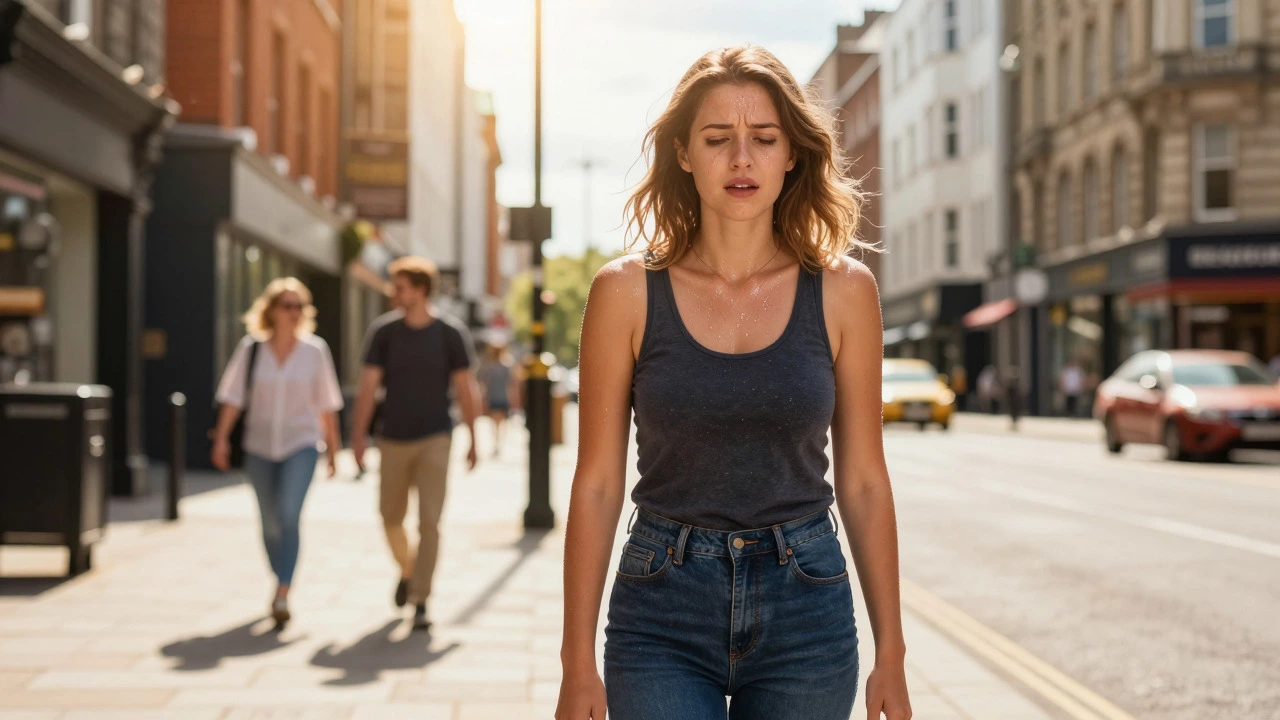
It’s July in Dublin, and the mercury has somehow climbed to a staggering 32°C (90°F). You’re standing on O'Connell Street, sweat trickling down your back, and you realize you’re wearing your favorite pair of dark denim. Are jeans too hot for 90 degrees? Short answer: yes. But the real question is, what do you wear instead when the Irish summer decides to act like it’s actually summer?
We often joke that Ireland only has two seasons: winter and ‘brisk.’ But climate change has shifted the dial. We’re seeing more frequent heatwaves, especially from June through August. When temperatures hit 90°F, traditional Irish wardrobe staples-thick wool sweaters and heavy cotton jeans-become liabilities. This isn’t just about comfort; it’s about staying safe and looking good while navigating a city that doesn’t exactly have air-conditioned sidewalks.
The Science of Denim in High Heat
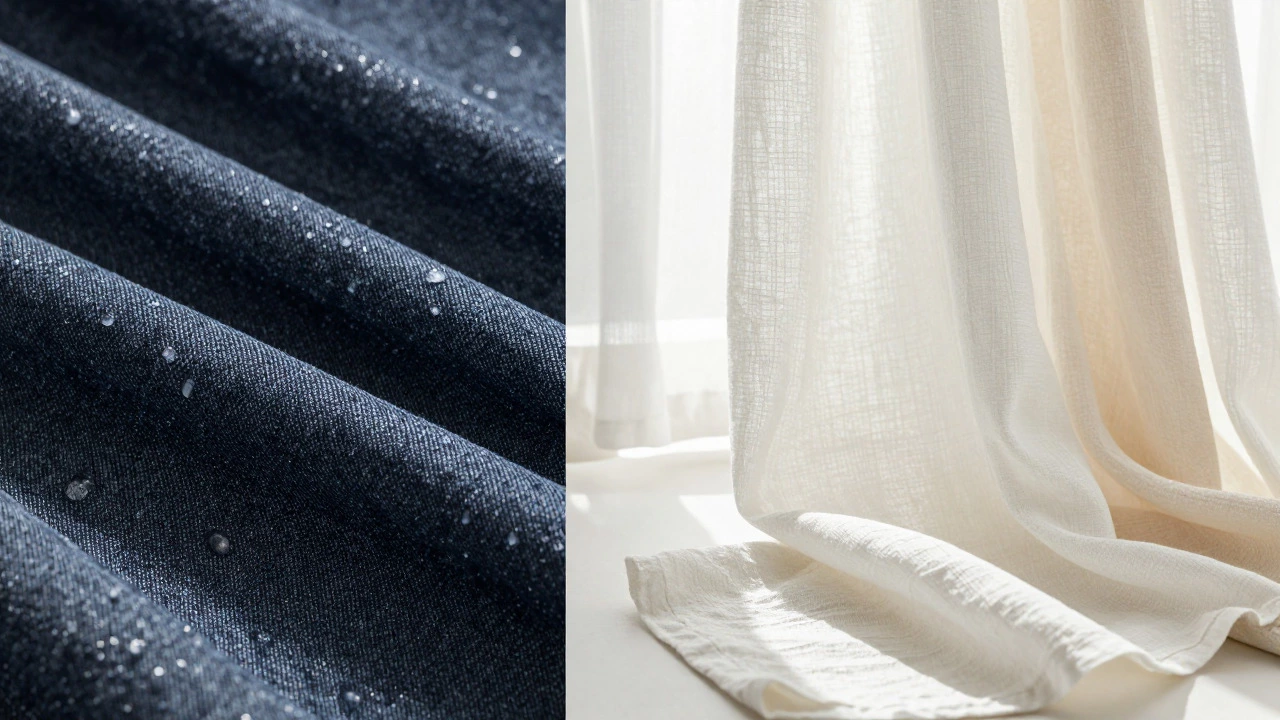
To understand why jeans in heat are a bad idea, we need to look at the fabric itself. Most jeans are made from denim, a sturdy cotton twill weave. Cotton is breathable, sure, but the density of the weave matters. Standard denim traps body heat and moisture against the skin. At 90°F, your body tries to cool itself by sweating. If that sweat can’t evaporate because it’s trapped in thick cotton fibers, you get that clammy, sticky feeling that ruins any afternoon walk along the Liffey.
Furthermore, darker colors absorb more sunlight. A pair of black or indigo jeans will literally heat up in direct sun, adding external warmth to the internal trap. In contrast, light-colored fabrics reflect heat. While this might seem obvious, many of us default to dark washes because they’re versatile. Versatility takes a backseat to survival during a heatwave.
| Fabric Type | Breathability Rating | Moisture Wicking | Best For |
|---|---|---|---|
| Heavy Denim (Jeans) | Poor | Low | Cool evenings, indoor AC |
| Linen | Excellent | High | Daytime outdoor activities |
| Lightweight Cotton | Good | Medium | Casual outings, cafes |
| Silk/Chiffon | Very Good | Medium | Evening events, formal wear |
| Polyester/Synthetics | Poor | Variable | Avoid in high heat |
Why Summer Dresses Are the Smart Choice
If jeans are the enemy, what’s the ally? Enter the summer dress, which is a lightweight garment designed for warm weather, typically made from breathable fabrics like linen, cotton, or chiffon. In Ireland, where the shift from cold to hot can be sudden, having a reliable summer dress in your closet is crucial. Unlike jeans, dresses allow for airflow around the legs and torso, facilitating natural cooling.
Consider the local context. If you’re heading to a gig at the 3Arena or a festival like Electric Picnic, you’ll be moving around a lot. A flowy midi dress made from organic cotton not only keeps you cool but also moves with you. Brands like & Other Stories and local Dublin designers often release summer collections that cater to this exact need-pieces that are chic enough for a drink in Smithfield but comfortable enough for a long day out.
But it’s not just about women’s fashion. Men and non-binary individuals can opt for loose-fitting trousers made from linen or lightweight chinos. The principle remains the same: reduce fabric weight and increase airflow. Think of it as engineering your outfit for thermal regulation.
Navigating Irish Cities in the Heat
Dublin, Cork, Galway, and Belfast all have different vibes, but they share one thing: limited shade in historic city centers. Cobblestone streets absorb heat throughout the day and radiate it into the evening. Walking from Grafton Street to Temple Bar in 90-degree weather feels like an oven test if you’re dressed wrong.
In Cork, the English Market area offers some respite with its covered stalls, but once you step out onto Oliver Plunkett Street, the sun hits hard. Here, a wide-brimmed hat and sunglasses aren’t just accessories; they’re protective gear. Pair them with a light sundress or a loose linen shirt, and you’ll thank yourself later.
Galway’s waterfront is breezier due to the Atlantic influence, which helps mitigate the heat slightly. However, the humidity can make it feel hotter than the thermometer reads. In such conditions, synthetic fabrics become unbearable. Stick to natural fibers. Linen is king here-it wrinkles easily, yes, but that’s part of its charm and functionality. It dries quickly and allows maximum ventilation.
Practical Tips for Staying Cool
- Layer strategically: Even in 90°F heat, Irish evenings can drop. Bring a light cardigan or overshirt that you can remove during the day.
- Choose light colors: White, beige, pastels reflect sunlight. Dark blues and blacks absorb it.
- Hydrate locally: Keep a reusable water bottle handy. Dublin has plenty of public fountains, and cafes like Brother Hubbard or Third Wave Coffee are great spots to refill and rest.
- Seek shade: Plan your walks during early morning or late afternoon. Midday is best spent indoors or in shaded parks like St. Stephen’s Green or Phoenix Park.
- Footwear matters: Swap heavy boots for breathable sneakers or sandals. Your feet sweat too, and trapped moisture leads to discomfort and potential fungal issues.
The Cultural Shift in Irish Fashion
There’s a growing awareness in Ireland about sustainable and adaptive fashion. With climate change bringing more extreme weather events, consumers are demanding clothes that perform. Local brands are responding. For instance, Irish label Kiko Kostadinov, though known for avant-garde designs, emphasizes technical fabrics that breathe. Meanwhile, high-street stores like Zara and H&M have expanded their ‘conscious’ lines, featuring recycled cotton and linen blends perfect for summer.
This shift isn’t just environmental; it’s practical. People are tired of buying clothes that only work for three months a year. They want versatility. A summer dress that transitions from day to night, or a pair of linen trousers that work for both office and weekend, fits this new mindset. It’s about investing in pieces that respect both your budget and your body’s needs.

When Can You Wear Jeans Again?
Don’t banish your denim entirely. Jeans still have a place in your wardrobe, just not at 90°F. Once temperatures drop below 75°F (24°C), denim becomes manageable again. In Ireland, this usually happens by late September or early October. Until then, treat jeans as evening wear only, and even then, opt for lighter washes or cropped styles if possible.
Also, consider the cut. Skinny jeans restrict movement and airflow. Wide-leg or relaxed-fit denim offers slightly better ventilation, but it’s still not ideal for peak heat. If you must wear jeans, pair them with a sleeveless top and keep your footwear light.
Conclusion: Dress for the Reality, Not the Tradition
Ireland’s reputation for cool weather is fading. As heatwaves become more common, our wardrobes must adapt. Asking “are jeans too hot for 90 degrees?” is really asking how we can stay comfortable and stylish in a changing climate. The answer lies in choosing breathable fabrics, embracing summer dresses, and planning our outfits with the local environment in mind.
Whether you’re exploring the cliffs of Moher, shopping in Dundrum Town Centre, or enjoying a pint in a pub in Kilkenny, dressing appropriately makes all the difference. Don’t let outdated fashion norms dictate your comfort. Embrace the lightness of summer, and you’ll find that Ireland’s warm days are much more enjoyable when you’re not fighting your own clothes.
Are jeans suitable for 90-degree weather in Ireland?
No, jeans are generally unsuitable for 90°F (32°C) weather. Denim traps heat and moisture, leading to discomfort. Opt for lightweight, breathable fabrics like linen or cotton instead.
What is the best fabric to wear in Irish summer heat?
Linen is the best fabric for hot weather due to its excellent breathability and moisture-wicking properties. Lightweight cotton and chiffon are also good alternatives.
Can I wear jeans in the evening if it was 90 degrees during the day?
If temperatures drop significantly below 75°F (24°C) in the evening, lighter-weight jeans may be acceptable. However, ensure they are not too tight and pair them with breathable tops.
Where can I buy summer dresses in Dublin?
Dublin offers numerous options, including Grafton Street boutiques, Brown Thomas, and online retailers like ASOS and Zara. Local designers also offer unique pieces at markets like Grand Canal Dock.
How does humidity affect clothing choice in Ireland?
High humidity reduces evaporation, making you feel hotter. Synthetic fabrics worsen this effect. Natural fibers like linen help manage humidity by allowing better airflow and quicker drying.