Activewear vs Sportswear Selector
Not sure whether to grab the technical kit or the stylish leggings? Answer three quick questions to find the right category for your next outing in Ireland.
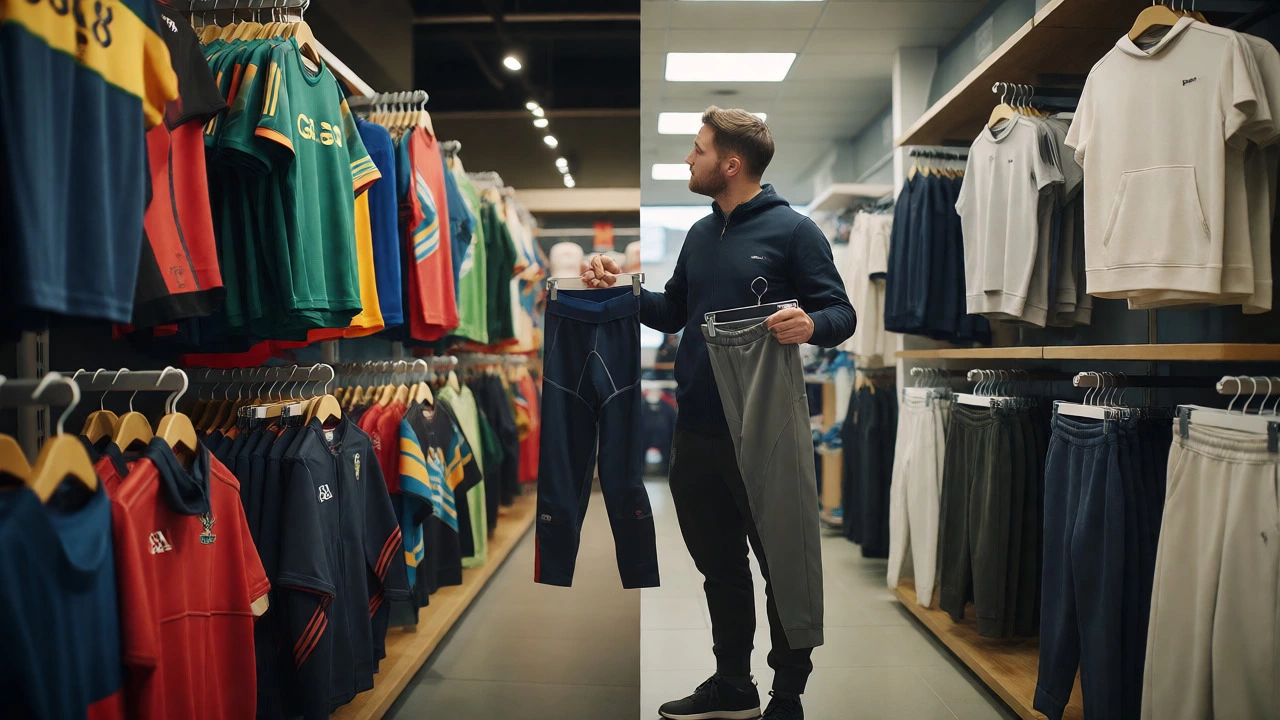
You walk into a Brown Thomas in Dublin or browse the aisles of a Decathlon in Ballymun, and you see racks labeled "Sportswear" right next to racks labeled "Activewear." The price tags look similar. The materials feel identical. So, are they actually the same thing? If you’re trying to build a wardrobe that handles both a spin class in Cork and a casual coffee run in Galway, understanding the subtle but significant differences between activewear and sportswear can save you money and frustration.
The short answer is no, they aren’t the same category, though the lines blur heavily in modern retail. In the Irish market, where weather demands versatility and lifestyle blends work with leisure, knowing which gear does what helps you buy smarter. This guide breaks down the technical, functional, and cultural distinctions so you never grab the wrong leggings for a hike up Croagh Patrick again.
Defining the Core Entities
To get this right, we need to define what these terms actually mean in the textile industry, not just how marketing teams use them. Sportswear is a broad umbrella term. It refers to any clothing designed for physical activity. This includes everything from traditional team kits (like your GAA jersey) to specialized performance gear. Its primary job is function. It must withstand sweat, movement, and impact.
Activewear, on the other hand, is a sub-category of sportswear that prioritizes aesthetics and comfort alongside light performance. Think of it as "athleisure." It’s designed to be worn during low-intensity activities like yoga or walking, but also styled for daily wear. While all activewear is technically sportswear, not all sportswear qualifies as activewear. A heavy-duty rugby kit is sportswear, but you wouldn’t wear it to brunch in Temple Bar. That’s activewear territory.
| Feature | Sportswear | Activewear |
|---|---|---|
| Primary Purpose | Performance & Protection | Comfort & Style + Light Performance |
| Intensity Level | High (Running, Rugby, Cycling) | Low to Medium (Yoga, Walking, Gym) |
| Material Focus | Moisture-wicking, durable, compression | Soft, stretchy, breathable, stylish cuts |
| Ideal Setting | Pitch, Track, Heavy Gym Session | Studio, Commute, Casual Outing |
| Durability | Very High (resists abrasion) | Moderate (prioritizes feel over toughness) |
Why the Distinction Matters in Ireland
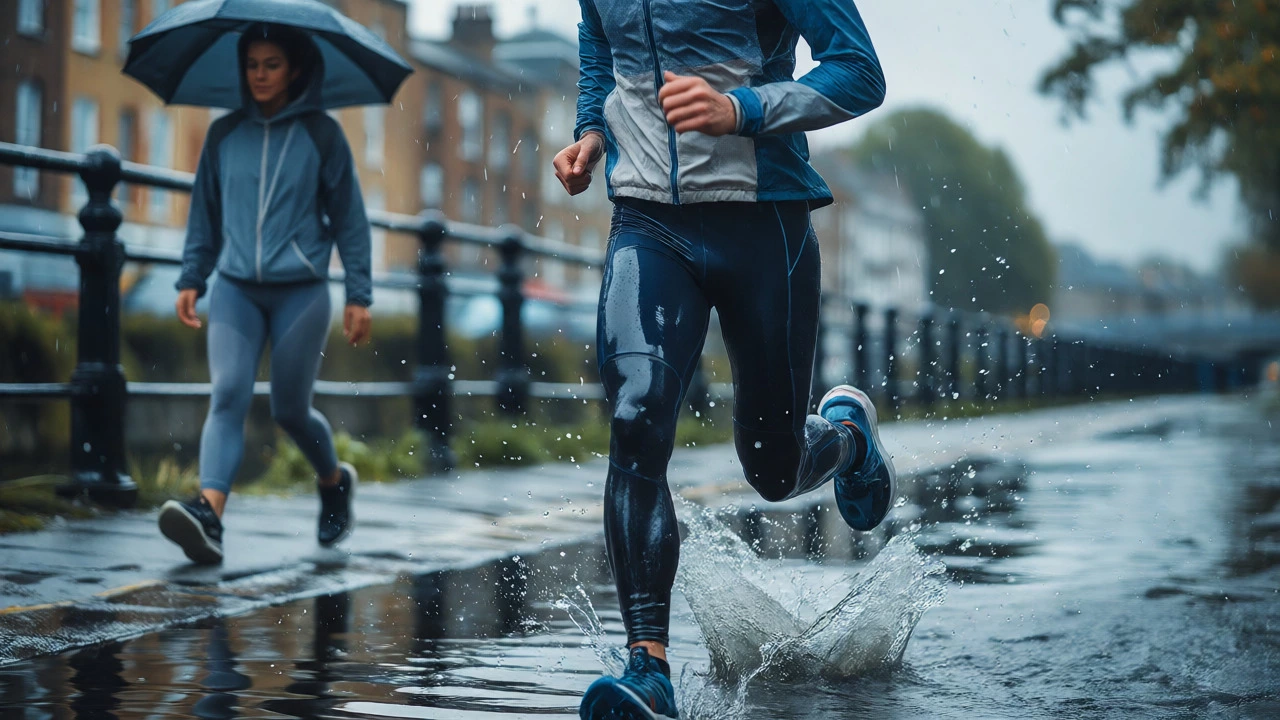
Living in Ireland means dealing with unpredictable weather. You might start a run in Dublin at 7 AM in rain, hit a dry spell by noon, and end up sweating through a session in an unventilated gym later. Sportswear is engineered for these extremes. Brands like O’Neills or international giants like Nike design sportswear with specific moisture management systems. These fabrics pull sweat away from your skin quickly to prevent chafing and hypothermia when the wind picks up off the Liffey.
Activewear lacks that aggressive engineering. It’s often made from cotton blends or softer synthetics that hold moisture longer. If you wear premium activewear leggings for a high-intensity interval training (HIIT) session at a local CrossFit box in Belfast, you’ll likely feel damp and cold once you stop moving. Conversely, wearing rigid, heavy sportswear shorts to a Pilates class in Galway feels restrictive and unnecessary. The friction isn’t there, so you don’t need the protection.
Material Science: What’s in Your Kit?
The fabric tells the whole story. When you check the label, look for specific fibers. True sportswear relies heavily on synthetic polymers like polyester and nylon. These materials are hydrophobic-they repel water. They are often treated with antimicrobial agents to fight odor after a sweaty commute on the Luas. For example, running tights usually feature four-way stretch nylon with a DWR (Durable Water Repellent) finish. This ensures they dry fast if caught in a shower near Phoenix Park.
Activewear leans toward comfort-driven fibers. You’ll see more elastane (spandex) for maximum flexibility and sometimes natural fibers like bamboo or organic cotton blended in for softness. A popular brand here is Lululemon, whose "Align" leggings are iconic activewear. They feel like butter but offer zero wind resistance. Try wearing them cycling along the Grand Canal in winter, and you’ll regret it instantly. They’re perfect for the studio, terrible for the street.
Style and Social Context
In Irish culture, the line between gym clothes and everyday fashion has dissolved. It’s common to see people in full gym gear popping into Tesco or grabbing a flat white. However, there’s still a social code. Sportswear tends to look utilitarian. Bright colors, bold logos, and visible seams signal "I am working out." Activewear mimics casual fashion. It features muted tones, sleek cuts, and minimal branding. It looks intentional, not accidental.
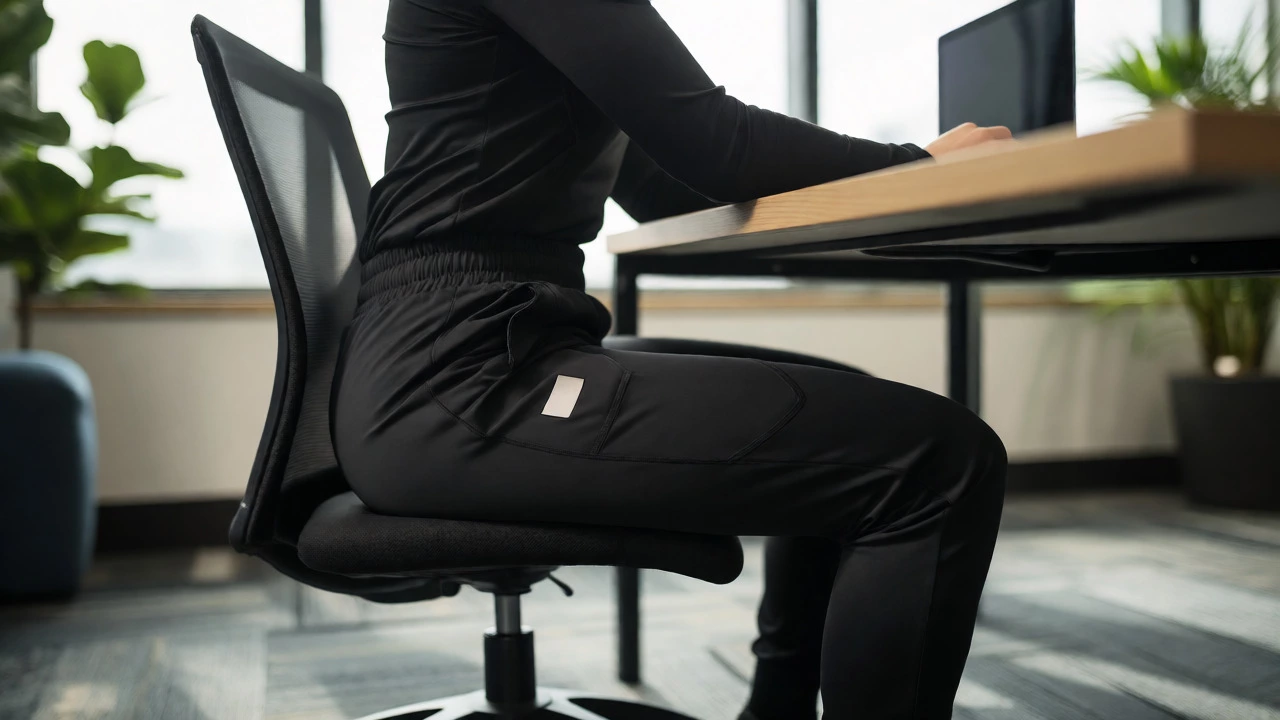
If you’re heading to a corporate office in Dublin after a lunchtime workout, activewear transitions seamlessly. A pair of black, matte-finish joggers looks professional enough for a smart-casual environment. Traditional sportswear track pants, with their shiny zippers and loud stripes, scream "locker room." Choosing activewear allows you to maintain a polished appearance while staying comfortable. This hybrid utility is why activewear sales have skyrocketed in cities like Cork and Limerick, where professionals value efficiency in their morning routines.
Buying Guide: How to Choose the Right Category
Don’t let the store layout confuse you. Ignore the signs; look at the specs. Here is a quick decision tree for your next shopping trip:
- Choose Sportswear if: You are doing high-impact exercise (running, jumping), playing team sports (GAA, soccer), or exercising outdoors in bad weather. You need durability and sweat management.
- Choose Activewear if: You are doing low-impact exercise (yoga, pilates, weightlifting), commuting, or planning to wear the clothes post-workout. You prioritize comfort and style.
- Hybrid Option: Some brands now sell "performance lifestyle" gear. This is essentially activewear with better technical fabrics. It’s expensive but versatile. Look for terms like "technical knit" or "moisture-managing weave" in activewear descriptions.
Be wary of cheap imitations. Many fast-fashion retailers in Ireland sell items labeled "active" that are just thin cotton. Check the composition. If it’s 100% cotton, it’s loungewear, not activewear. It will shrink, fade, and stay wet. For genuine performance, ensure at least 80% of the fabric is synthetic or a high-tech blend.
Local Recommendations and Care Tips
Where should you shop in Ireland? For pure sportswear, Decathlon offers unbeatable value for runners and cyclists. Their in-house brands like Kalenji are rigorously tested for durability. For activewear, boutique studios in Dublin and Cork often stock higher-end brands like Adidas Originals or Under Armour’s lifestyle lines.
Caring for these items differs too. Sportswear needs thorough washing to remove bacteria. Use a sports detergent occasionally to strip built-up oils. Activewear is delicate. Wash it inside out in cold water to preserve the elasticity and color. Never tumble dry activewear; the heat destroys the elastane. Hang it to dry. Given Ireland’s humidity, air-drying indoors can take time, so invest in a good drying rack. Proper care extends the life of your investment, whether you’re saving for a new pair of running shoes or maintaining your weekend yoga kit.
Can I wear activewear for running?
You can, but it’s not ideal for long distances. Activewear lacks the structural support and moisture-wicking speed of dedicated running sportswear. For short jogs, it’s fine. For marathon training, stick to technical sportswear to avoid chafing and discomfort.
Is athleisure the same as activewear?
Athleisure is a fashion trend that uses activewear pieces as everyday clothing. Essentially, athleisure is the styling of activewear. So, yes, the garments are the same, but the context is different. Athleisure focuses on looking good outside the gym.
Which brands are best for Irish weather?
Look for brands offering wind-resistant layers. For outerwear, local favorites like Harrington jackets paired with technical base layers work well. International brands with strong waterproof tech, such as The North Face, are also reliable for outdoor sportswear needs.
Does price determine quality?
Not always. Expensive activewear often pays for brand prestige and aesthetic details. Mid-range sportswear frequently offers better technical performance per dollar. Always check fabric content and reviews rather than relying solely on the price tag.
How do I wash technical sportswear?
Use cold water and skip fabric softener. Softeners coat the fibers and block moisture-wicking properties. Air dry whenever possible to maintain the integrity of elastic bands and reflective strips.